The 2012 Toyota Camry Hybrid holds a specific place in hybrid history: it was the first model year of the redesigned XV50 generation, and it delivered a meaningful jump in efficiency over its predecessor. If you're researching the 2012 Camry Hybrid MPG — whether as a current owner, a used-car shopper, or someone benchmarking older hybrids against today's options — this guide covers the exact numbers, real-world expectations, battery longevity, and how this car stacks up in 2026.
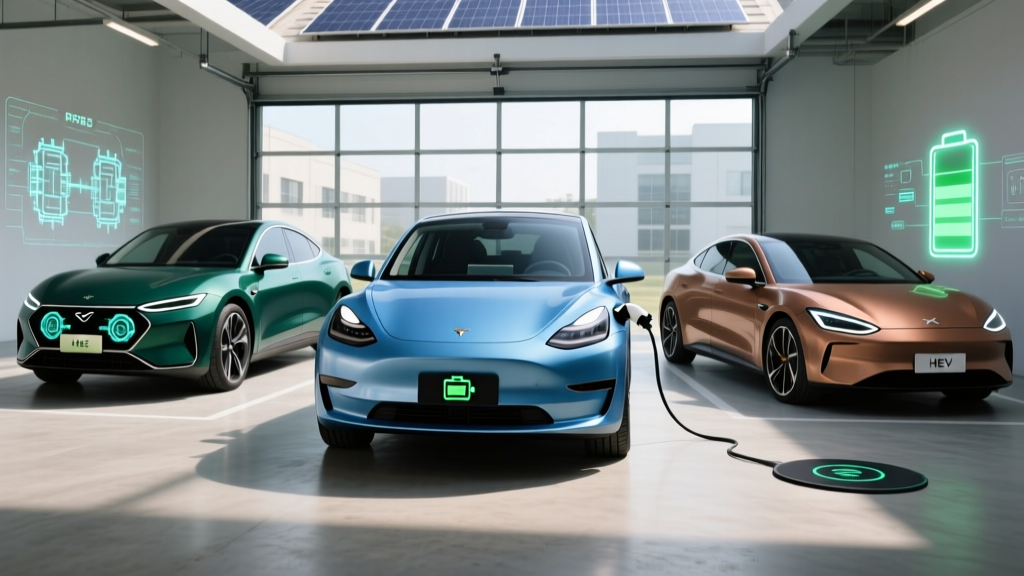
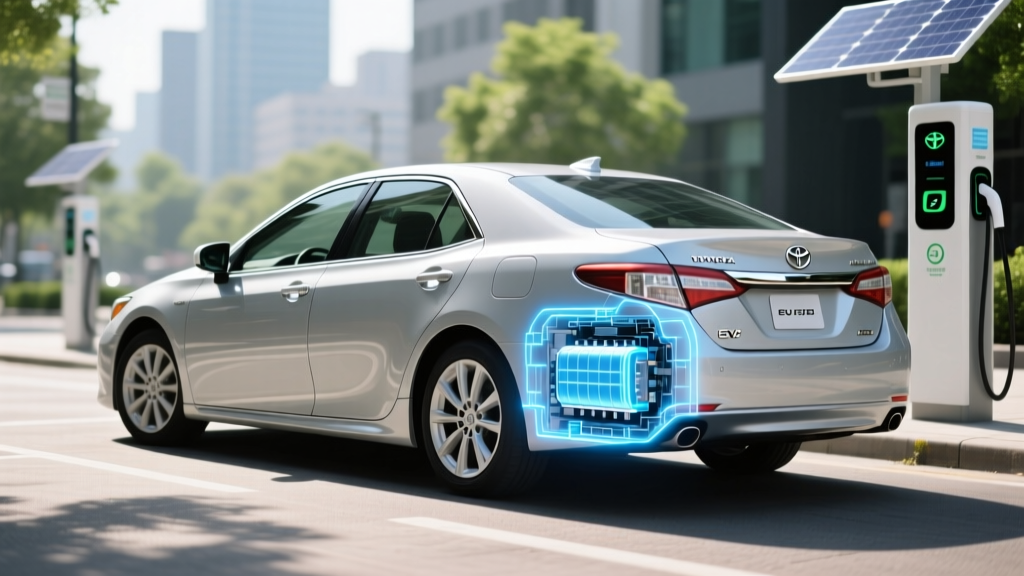
Let's be clear up front: the 2012 Camry Hybrid is a conventional hybrid (HEV), not a plug-in hybrid. It does not plug in, has no electric-only driving range to speak of, and recharges its small battery entirely through regenerative braking and the gasoline engine. That distinction matters enormously when comparing it to modern PHEVs and BEVs.
2012 Camry Hybrid MPG: The Official EPA Numbers
The EPA rated the 2012 Toyota Camry Hybrid LE at 43 MPG city / 39 MPG highway / 40 MPG combined (source: fueleconomy.gov). The XLE trim, which adds weight and slightly different gearing, was rated marginally lower at 40 city / 38 highway / 40 combined.
| Trim | City MPG | Highway MPG | Combined MPG | Fuel Tank | Est. Total Range |
|---|---|---|---|---|---|
| LE | 43 | 39 | 40 | 17.0 gal | ~680 mi |
| XLE | 40 | 38 | 40 | 17.0 gal | ~680 mi |
These were strong numbers for 2012, beating the contemporaneous Honda Insight and nearly matching the Prius in city driving. The Camry Hybrid's advantage was packaging: midsize sedan comfort with near-compact fuel consumption.
Real-World MPG vs. EPA: What Owners Actually Report
Hybrids — especially Toyota's series-parallel system — frequently exceed their EPA city estimates in real-world stop-and-go driving, because regenerative braking recovers energy that conventional cars waste as heat. Highway driving is the opposite: sustained high speeds reduce the hybrid system's advantage.
- City driving (suburban, stoplights): 38–45 MPG — many owners report matching or slightly beating the 43 EPA city figure
- Highway (65–75 mph, flat terrain): 34–38 MPG — expect to fall below the 39 EPA highway figure at sustained speed
- Mixed commute: 37–42 MPG combined is typical for a healthy battery
- Cold weather (below 35°F): 32–37 MPG — the engine runs more often to maintain cabin heat and battery temperature
Note: A 2012 model in 2026 is 14 years old. Actual MPG depends heavily on battery State of Health (SoH), tire condition, and maintenance history. A degraded hybrid battery can drop real-world MPG by 5–15% because the engine compensates for reduced electric assist.
Data from owner-reported tracking on Fuelly and similar platforms clusters around 38–41 MPG combined for well-maintained examples, which aligns closely with the EPA sticker. The variance is smaller than you'd expect from a gasoline-only car because the hybrid system smooths out driving-style inefficiencies.
Powertrain & Hybrid System Specs
The 2012 Camry Hybrid uses Toyota's Hybrid Synergy Drive (HSD), a series-parallel system that was among the most refined in the industry at the time.
| Gasoline Engine | 2.5L inline-4 (2AR-FXE), Atkinson cycle |
| Engine Power | 156 hp @ 5,700 rpm / 156 lb-ft torque |
| Electric Motor | Permanent-magnet synchronous AC motor |
| Motor Power | 105 kW (141 hp) |
| Combined Net Output | 200 hp |
| Transmission | eCVT (planetary gearset, not a belt CVT) |
| Hybrid Battery | Nickel-Metal Hydride (NiMH), ~1.6 kWh gross |
| Drivetrain | Front-wheel drive |
| 0–60 mph | ~7.6 seconds |
| Curb Weight | ~3,435 lbs (LE) |
A few technical notes worth highlighting:
- Atkinson cycle: The 2AR-FXE engine uses a late intake-valve-closing strategy that sacrifices some low-RPM torque for significantly higher thermal efficiency. The electric motor fills in the torque gap at low speeds.
- eCVT is not a traditional CVT: Toyota's eCVT uses a planetary gearset with no belts, chains, or cones. It has far fewer wear components than a belt-driven CVT and is one of the most durable transmissions Toyota has ever built.
- NiMH battery: Unlike modern hybrids that have shifted to lithium-ion, the 2012 Camry Hybrid uses a nickel-metal hydride pack. NiMH is heavier and less energy-dense but was the proven, reliable choice for that era.
HEV vs. PHEV vs. EV: Where the 2012 Camry Hybrid Fits
Understanding the distinction between hybrid types is essential when evaluating a 2012 Camry Hybrid against modern alternatives.
| Attribute | HEV (e.g., 2012 Camry Hybrid) | PHEV (e.g., 2026 RAV4 Prime) | BEV (e.g., 2026 Model 3) |
|---|---|---|---|
| Plugs in? | No | Yes | Yes |
| Electric-only range | ~0.5 mi at very low speed | 25–45 mi typical | 250–360 mi (full battery) |
| Battery size | ~1.6 kWh (NiMH) | 13–20 kWh (Li-ion) | 50–100 kWh (Li-ion) |
| Gas engine? | Yes (primary) | Yes (backup + highway) | No |
| Home charging needed? | No | Recommended (Level 2) | Essential (Level 2) |
| Federal tax credit (§30D) | Not eligible | Up to $7,500 (if eligible) | Up to $7,500 (if eligible) |
| Tailpipe emissions | Low (not zero) | Low to zero (depends on EV miles) | Zero (tailpipe) |
| Typical fuel cost/mile | ~$0.09/mi @ 40 MPG, $3.50/gal | ~$0.04/mi (electric), ~$0.09 (gas) | ~$0.04/mi (electric) |
- Choose HEV if: You have no access to home or workplace charging, you want zero behavior change from a gas car, you need maximum range without route planning, or you're buying a budget-friendly used car under $12,000.
- Choose PHEV if: You can charge at home (even a standard 120V outlet works for overnight), your daily commute is under 30 miles, and you want electric driving most days with gas flexibility for road trips.
- Choose BEV if: You have reliable Level 2 home charging, your daily driving is under 200 miles, you want the lowest per-mile fuel cost, and you're ready to plan longer road trips around DC fast charging.
Battery Lifespan, Degradation & Replacement Cost
Hybrid battery longevity is the single biggest concern for used hybrid buyers — and it should be. The 2012 Camry Hybrid's NiMH pack is now 14 years old, and while Toyota's hybrid batteries have a strong track record, they are not immortal.
- Hybrid battery warranty (original): 8 years / 100,000 miles (10 years / 150,000 miles in CARB states including CA, CT, ME, MA, NJ, NY, OR, RI, VT, WA)
- Warranty coverage threshold: Battery capacity below ~60% of original or failure of any module
- Current status (2026): All 2012 models are outside original warranty coverage by time, though some high-mileage CARB-state examples may have been within mileage limits until recently
Typical NiMH hybrid battery lifespan: Most 2012-era Camry Hybrid batteries last 150,000–200,000 miles or 12–18 years before significant degradation forces a replacement. "Significant degradation" in a hybrid context means the battery can no longer hold enough charge to assist the engine meaningfully, resulting in reduced MPG (often dropping to 30–33 combined) and more frequent engine cycling.
Replacement cost in 2026:
- New OEM Toyota battery: $2,500–$3,800 (parts + labor at a dealer)
- Refurbished/remanufactured battery: $1,200–$2,000 (independent hybrid specialists; common option for older vehicles)
- Individual module replacement: $400–$800 if only one or two of the 34 NiMH modules have failed (a diagnostic scan can identify bad modules)
Is it worth replacing? On a 2012 Camry Hybrid with a market value of $7,000–$11,000 in 2026, a $1,500–$2,000 refurbished battery replacement is often economically justified — especially if the rest of the car is well-maintained. The alternative is trading up to a newer hybrid or EV, which involves a much larger capital outlay.
Pricing, Tax Credits & Ownership Economics
The 2012 Camry Hybrid is well outside any current federal or state EV/PHEV incentive program. Here's the financial picture:
- Original MSRP (2012): ~$25,900 (LE) to ~$27,400 (XLE), before options
- Used market value (2026): ~$7,000–$11,000 depending on mileage, condition, and battery health
- Federal §30D tax credit: Not eligible. The §30D credit applies only to new plug-in electric vehicles (BEVs and qualifying PHEVs). Conventional hybrids (HEVs) have never qualified. (source: IRS.gov)
- Used EV credit (§25E): Not eligible. The up-to-$4,000 used clean vehicle credit also requires a plug-in vehicle (BEV or PHEV).
- State incentives: Most state hybrid incentives expired years ago or apply only to PHEVs/BEVs. Check your state's current energy office for any remaining programs.
Despite no incentives, the 2012 Camry Hybrid's ownership economics remain favorable as a used purchase:
| Cost Factor | 2012 Camry Hybrid (Used) | 2012 Camry 2.5L Gas (Used) | 2026 Corolla Hybrid LE (New) |
|---|---|---|---|
| Purchase price | ~$9,000 | ~$7,500 | ~$24,500 |
| Fuel (15k mi/yr, $3.50/gal) | ~$6,560 (40 MPG) | ~$9,375 (28 MPG) | ~$5,250 (52 MPG) |
| Maintenance (5 yr) | ~$3,000 | ~$3,200 | ~$2,200 |
| Insurance (5 yr est.) | ~$5,500 | ~$5,500 | ~$7,000 |
| Potential battery replacement | ~$1,500 (refurb) | $0 | $0 (under warranty) |
| 5-year total est. | ~$25,560 | ~$25,575 | ~$38,950 |
The used 2012 Camry Hybrid and used gas Camry land at nearly identical 5-year costs, but the hybrid delivers significantly fewer emissions and less fuel-price sensitivity. The new 2026 Corolla Hybrid is far more efficient but carries a much higher purchase price even with its lower running costs.
Reliability & Common Issues
The 2012 Camry Hybrid benefits from Toyota's strong hybrid reliability reputation. The Hybrid Synergy Drive system has fewer wear components than a conventional powertrain — no traditional starter motor, no alternator, no torque converter, and the eCVT has no belts or friction surfaces to wear.
Common issues to watch for on a 14-year-old example:
- Hybrid battery degradation: The most expensive single risk. A pre-purchase hybrid battery health scan (available at any Toyota dealer or hybrid specialist) is essential. Ask for the battery's internal resistance delta — values above 0.20 ohms between modules indicate aging.
- Brake actuator assembly: Some 2012–2014 Camry Hybrids experienced premature wear in the regenerative brake actuator. Toyota issued service campaigns for some VIN ranges. Check NHTSA for open recalls. (source: NHTSA.gov)
- Water pump (electric): The electric coolant pump for the hybrid system can fail around 120,000–150,000 miles. Replacement is ~$400–$600.
- Inverter coolant pump: Similar lifespan concerns. A failure can trigger a hybrid system warning and limp mode.
- 12V auxiliary battery: Like all hybrids, the 2012 Camry Hybrid has a standard 12V battery (located in the trunk) that powers electronics and boots the hybrid system. These typically last 4–6 years and are inexpensive to replace.
- 40 MPG combined remains competitive in 2026
- Proven, durable powertrain with low maintenance needs
- No charging infrastructure required
- Comfortable midsize sedan with strong resale history
- eCVT is one of the most reliable transmissions ever made
- Low fuel cost per mile (~$0.09 at current gas prices)
- No plug-in capability — cannot access EV-only driving
- NiMH battery is aging; replacement likely needed if not already done
- No federal or state tax credit eligibility
- 2012-era infotainment and safety tech is outdated
- Highway MPG drops below EPA at sustained 75+ mph speeds
- Cold-weather MPG penalty is more pronounced than modern lithium-ion hybrids
Frequently Asked Questions
How many MPG does the 2012 Camry Hybrid get?
The EPA rates it at 43 city / 39 highway / 40 combined for the LE trim, and 40/38/40 for the XLE. In real-world mixed driving with a healthy battery, expect 37–42 MPG combined. City driving often matches or slightly exceeds the EPA city figure thanks to regenerative braking, while sustained highway driving at 70+ mph typically returns 34–38 MPG.
Does the 2012 Camry Hybrid plug in?
No. The 2012 Camry Hybrid is a conventional hybrid (HEV). It charges its battery entirely through regenerative braking and the gasoline engine. There is no plug, no charging port, and no meaningful electric-only driving range. If you want plug-in capability in a Toyota, you'd need to look at the Prius Prime or RAV4 Prime (PHEVs).
Is the 2012 Camry Hybrid reliable?
Yes, with a caveat. The powertrain and eCVT are among the most reliable Toyota has ever produced. The main risk on a 14-year-old example is hybrid battery degradation, which can cost $1,200–$3,800 to address depending on whether you choose a refurbished or new OEM replacement. A pre-purchase battery health scan is strongly recommended.
What does a replacement hybrid battery cost?
In 2026, expect to pay $2,500–$3,800 for a new OEM Toyota NiMH battery with installation, or $1,200–$2,000 for a quality refurbished pack from a hybrid specialist. Individual module replacement (if only 1–2 of 34 modules are bad) runs $400–$800. Given the car's $7,000–$11,000 used value, a refurbished battery is often the most cost-effective choice.
Does the 2012 Camry Hybrid qualify for any tax credit?
No. The federal §30D clean vehicle credit and the §25E used clean vehicle credit both require a plug-in vehicle (battery electric or plug-in hybrid). Conventional hybrids like the Camry Hybrid are not eligible for any current federal tax incentive. Some states previously offered hybrid rebates, but nearly all have expired or shifted to PHEV/BEV-only programs.
How does the 2012 Camry Hybrid compare to a 2026 hybrid?
Modern hybrids like the 2026 Camry Hybrid (51 MPG combined) or Corolla Hybrid (52 MPG combined) are 25–30% more efficient thanks to lighter lithium-ion batteries, more efficient engines, and improved aerodynamics. They also come with current safety tech (automatic emergency braking, lane-keeping) and modern infotainment. However, a used 2012 Camry Hybrid at ~$9,000 is roughly one-third the price of a new hybrid, making it a strong value proposition if the battery checks out.
Should I buy a 2012 Camry Hybrid or a used EV?
It depends entirely on charging access. If you can install a Level 2 home charger, a used EV (like a 2019–2021 Nissan Leaf or Chevy Bolt) offers lower per-mile fuel costs (~$0.04 vs. $0.09) and near-zero maintenance. If you rent, live in an apartment without charging, or regularly drive 300+ mile routes, the 2012 Camry Hybrid's no-plug convenience and 680-mile total range are hard to beat at its price point.