Quick Verdict: A Discontinued Hybrid Worth Considering on the Used Market
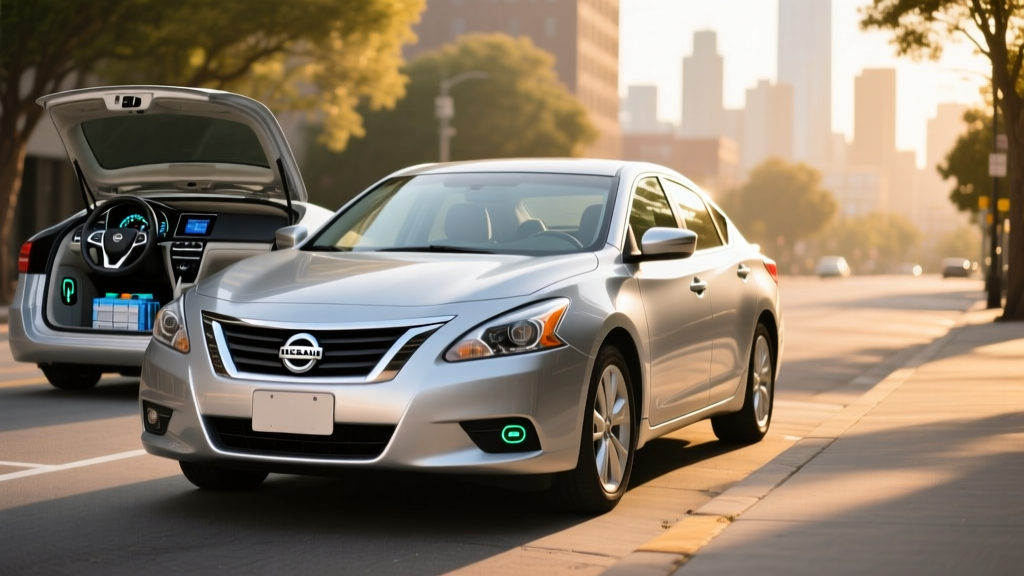
The 2011 Nissan Altima Hybrid sedan occupies a curious space in hybrid history. Built with a Toyota-licensed hybrid powertrain wrapped in Nissan's midsize sedan, it delivered competitive fuel economy for its era — 33 MPG combined EPA — before Nissan quietly discontinued the model after 2011 to focus on the all-electric Leaf. Today, as a used-car proposition, it represents one of the most affordable entry points into hybrid ownership, with examples regularly selling between $4,000 and $8,000 depending on mileage and condition.
But a 15-year-old hybrid raises immediate questions: What is the battery's state of health? What does replacement cost? And how does it stack up against modern hybrids and plug-in hybrids available in 2026? This guide breaks down the numbers, reliability data, and ownership economics so you can decide whether this early-generation hybrid still earns a spot in your driveway.
| Specification | Value |
|---|---|
| Powertrain Type | Conventional Hybrid (HEV) — no plug-in |
| Engine | 2.5L inline-4 (158 hp) |
| Electric Motor | 30 kW (40 hp) AC synchronous |
| Combined System Output | 198 hp |
| Transmission | eCVT (electronically controlled CVT) |
| Hybrid Battery | NiMH (nickel-metal hydride), ~1.5 kWh |
| EPA Fuel Economy | 35 city / 33 highway / 33 combined MPG |
| 0–60 mph | ~7.6 seconds (est.) |
| Drivetrain | Front-wheel drive |
| Cargo Volume | 10.5 cu ft (reduced from gas model due to battery) |
| Original MSRP (2011) | $27,950 (base) — discontinued after 2011 model year |
| Used Price Range (2026) | $4,000 – $8,000 |
Fuel Economy: EPA Ratings and Real-World MPG
The 2011 Altima Hybrid carries an EPA rating of 35 MPG city, 33 MPG highway, and 33 MPG combined, per fueleconomy.gov. These figures were competitive in 2011, trailing the Toyota Camry Hybrid (33 combined that year) only marginally and beating the Honda Accord Hybrid of the same era.
| Vehicle | City MPG | Highway MPG | Combined MPG |
|---|---|---|---|
| 2011 Nissan Altima Hybrid | 35 | 33 | 33 |
| 2011 Toyota Camry Hybrid | 31 | 35 | 33 |
| 2011 Ford Fusion Hybrid | 41 | 36 | 39 |
| 2011 Honda Civic Hybrid | 40 | 43 | 42 |
Real-World MPG: What Owners Actually Report
Like most conventional hybrids, the Altima Hybrid tends to deliver real-world results close to its EPA sticker in mixed driving. Owner-reported data on Fuelly and hybrid forums clusters around 30–34 MPG combined, with city driving occasionally pushing above 35 MPG thanks to the regenerative braking system recapturing energy during stop-and-go traffic.
Highway-heavy driving, however, can dip into the high 20s. The hybrid system's advantage is greatest at lower speeds where the electric motor can assist or briefly drive the vehicle solo. At sustained 70+ mph highway speeds, the 2.5L gasoline engine does most of the work, and the aerodynamic profile of a 2011 midsize sedan works against it.
Cold-weather note: Expect a 5–10% MPG reduction in winter months. The gasoline engine runs more frequently to maintain cabin heat and bring the catalytic converter up to operating temperature, reducing the electric motor's contribution. This is normal for all hybrids, not specific to the Altima.
Hybrid vs. PHEV vs. EV: Where the Altima Hybrid Fits
Understanding the distinction matters for buyers cross-shopping in 2026:
| Feature | HEV (e.g., 2011 Altima Hybrid) | PHEV (e.g., 2026 Toyota RAV4 Prime) | BEV (e.g., 2026 Hyundai Ioniq 5) |
|---|---|---|---|
| Plug-in Required? | No — refuels at gas station only | Yes — plugs in for electric range | Yes — plugs in exclusively |
| Electric-Only Range | ~1 mile at low speed | 25–45 miles typical | 250–350+ miles |
| Fuel Source | Gasoline + regenerative braking | Gasoline + grid electricity | Grid electricity only |
| Home Charging Needed? | No | Recommended (Level 2) | Essential (Level 2) |
| Tailpipe Emissions | Yes | Yes (when engine runs) | None |
| Federal Tax Credit (§30D) | Not eligible | Up to $7,500 (if eligible) | Up to $7,500 (if eligible) |
The 2011 Altima Hybrid is a conventional hybrid (HEV). It has no plug, no electric-only driving range beyond brief low-speed assist, and no ability to charge from the grid. The small NiMH battery recharges exclusively through regenerative braking and the gasoline engine. If you are looking for electric-only commuting or federal tax credit eligibility, this vehicle does not offer either.
Hybrid Powertrain: Toyota Technology Under a Nissan Badge
The most technically interesting aspect of the Altima Hybrid is its provenance. Nissan licensed Toyota's Hybrid Synergy Drive technology for this model, meaning the hybrid system shares fundamental architecture with the contemporary Camry Hybrid. The powertrain pairs a 2.5-liter inline-4 gasoline engine (158 hp) with a 30 kW electric motor for a combined system output of 198 horsepower.
The eCVT transmission is not a traditional belt-and-pulley CVT like Nissan's later Xtronic units (which gained a reputation for reliability issues). Instead, the eCVT uses a planetary gearset to seamlessly blend power from the engine and motor — a design Toyota has refined since the original 1997 Prius. This distinction matters: the eCVT in the Altima Hybrid is fundamentally more robust than the mechanical CVTs that plagued some Nissan models of the same era.
Driving Impressions
The hybrid system provides smooth, quiet acceleration from a stop, with the electric motor filling in torque before the gasoline engine builds RPM. At 198 combined horsepower, the Altima Hybrid is not slow — the 0–60 mph time of roughly 7.6 seconds was respectable for a 2011 midsize sedan. The transition between electric and gasoline power is seamless, though the engine can sound strained under hard acceleration as the eCVT holds RPMs high.
Regenerative braking feels natural, without the aggressive grabbiness some early hybrids exhibited. One-pedal driving is not available — this is a conventional brake-by-wire system that blends regen and friction braking transparently.
Battery Health, Warranty, and Replacement Cost
Hybrid Battery Warranty (Original): 8 years / 100,000 miles (10 years / 150,000 miles in CARB states including California, New York, Massachusetts, and others adopting California emissions standards).
Current Status (2026): The original factory warranty has expired for all 2011 examples. Any battery coverage would come from an aftermarket replacement warranty or an extended warranty purchased before expiration.
The 2011 Altima Hybrid uses a nickel-metal hydride (NiMH) battery pack with approximately 1.5 kWh of capacity. NiMH chemistry is well-understood and generally durable, but after 15 years of service, degradation is expected. Unlike the large lithium-ion packs in modern EVs and PHEVs, this small battery does not define the vehicle's range — it simply assists the gasoline engine and captures regenerative energy.
Signs of Hybrid Battery Degradation
When evaluating a used 2011 Altima Hybrid, watch for these indicators of battery decline:
- Reduced fuel economy: A failing battery forces the gasoline engine to work harder, dropping MPG by 3–8 points below the EPA rating.
- Frequent engine cycling: The engine starts and stops more aggressively as the system tries to keep a weakened battery charged.
- Dashboard warnings: A "Check Hybrid System" or battery-related diagnostic trouble code (DTC) is a clear red flag.
- Reduced regenerative braking: Less energy recapture means more reliance on friction brakes, which you may notice as increased brake wear.
Battery Replacement Cost
If the hybrid battery fails, replacement options include:
- OEM dealership replacement: $2,500 – $3,500 (new Toyota/Nissan-spec NiMH pack, including labor). Availability may be limited given the model's discontinuation.
- Aftermarket refurbished pack: $1,200 – $2,000 from hybrid battery specialists like Green Bean Battery or Dorman. These typically carry a 1–3 year warranty.
- Individual cell replacement: $300 – $800 at a hybrid-specialist shop. Only viable if one or two cells have failed rather than the entire pack.
- Junkyard/salvage pack: $500 – $1,000, but carries significant risk — the donor vehicle's battery age and health are unknown.
For a vehicle worth $4,000–$8,000, a full OEM battery replacement represents a substantial percentage of the car's value. This is the central economic risk of buying a 15-year-old hybrid. Have any prospective purchase evaluated with a hybrid battery health scan (a qualified shop can read the individual cell voltages and internal resistance) before committing.
Pricing, Tax Credits, and Ownership Economics
The 2011 Altima Hybrid originally carried an MSRP of approximately $27,950 — a premium of roughly $4,000 over the comparably equipped gasoline Altima 2.5 S. That premium has long since depreciated away, and used examples now trade between $4,000 and $8,000 depending on mileage, condition, and battery health.
Tax Credit Eligibility
The 2011 Altima Hybrid does not qualify for the federal §30D new clean vehicle credit, which applies only to new plug-in vehicles (PHEVs and BEVs) meeting current battery sourcing, MSRP, and buyer income requirements per IRS guidelines. Conventional hybrids (HEVs) have never been eligible for §30D.
Similarly, the used clean vehicle credit (up to $4,000 or 30% of sale price, whichever is less) applies only to used PHEVs and BEVs — not conventional hybrids. There is no federal tax incentive for purchasing a used 2011 Altima Hybrid in 2026.
Some states and local utilities offer rebates or HOV lane access for hybrids, but these programs typically target new purchases. Check your state's energy office or Alternative Fuels Data Center for any remaining incentives applicable to used hybrid purchases in your jurisdiction.
Annual Fuel Cost Estimate
At 33 MPG combined and an assumed $3.25/gallon national average (2026), driving 12,000 miles per year costs approximately $1,182 in annual fuel. For comparison, the non-hybrid 2011 Altima 2.5 (26 MPG combined) would cost roughly $1,500 annually — a savings of about $318 per year with the hybrid. Over five years, that is roughly $1,590 in fuel savings, which may or may not offset a potential battery replacement.
Reliability, Safety, and Long-Term Ownership
The gasoline-powered 2011 Altima earned mixed reliability marks, with the conventional CVT transmission being a known failure point on non-hybrid models. However, the hybrid's eCVT is a fundamentally different and more durable design — the planetary gearset has no belts or cones to wear, and Toyota's hybrid transaxles have demonstrated longevity well beyond 200,000 miles in the Camry and Prius.
Other reliability considerations for the 2011 Altima Hybrid include:
- Standard 12V battery: Like all hybrids, it has a conventional 12V lead-acid battery for accessories. This is separate from the hybrid traction battery and is a routine maintenance item.
- Brake wear: Regenerative braking reduces friction brake usage. Original brake pads often last 80,000+ miles on hybrids.
- Power steering: Electrically assisted — no fluid to change.
- Cooling system: The hybrid system has its own inverter cooling loop. Ensure the inverter coolant has been serviced per the maintenance schedule.
The 2011 Altima earned a Top Safety Pick designation from the IIHS with "Good" ratings in frontal offset, side, and roof strength tests. NHTSA ratings varied by test category. For a 2011 vehicle, these were competitive safety scores, though modern vehicles benefit from additional standard active safety features (automatic emergency braking, lane-keeping assist) that the Altima Hybrid does not offer.
Who Should Buy the 2011 Altima Hybrid (and Who Shouldn't)
Pros
- Low purchase price ($4K–$8K used)
- Toyota-derived hybrid system with proven eCVT durability
- 33 MPG combined without any plug-in requirement
- No range anxiety — refuels at any gas station
- Lower brake wear thanks to regenerative braking
- Spacious midsize sedan interior (minus some trunk space)
Cons
- 15-year-old hybrid battery is a $1,500–$3,500 liability
- No federal or state tax credit eligibility
- Discontinued model — OEM parts availability may narrow
- No modern driver-assistance features (AEB, lane-keep, adaptive cruise)
- Reduced trunk space vs. gas Altima (10.5 vs. 15.3 cu ft)
- Outdated infotainment — no Apple CarPlay, Android Auto, or Bluetooth audio streaming
Choose the 2011 Altima Hybrid if:
- You need the cheapest possible entry into hybrid ownership with no plug-in requirement
- You drive primarily in city/stop-and-go conditions where hybrid MPG gains are greatest
- You can verify battery health before purchase or budget for a potential replacement
- You want a spacious sedan without the cost of a newer Prius or Camry Hybrid
Choose a newer hybrid or PHEV instead if:
- You want current safety tech (AEB, blind-spot monitoring, lane-keeping)
- You want federal tax credit eligibility (look at new PHEVs or BEVs)
- You want electric-only commuting range (PHEV territory, 25–45 miles)
- You want modern infotainment with smartphone integration
- You cannot absorb a $2,000+ battery replacement risk
2011 Nissan Altima Hybrid — Frequently Asked Questions
How many MPG does the 2011 Nissan Altima Hybrid get?
The EPA rates the 2011 Altima Hybrid at 35 MPG city, 33 MPG highway, and 33 MPG combined. Real-world owners typically report 30–34 MPG combined, with city driving sometimes exceeding 35 MPG and sustained highway driving dipping into the high 20s.
Is the 2011 Altima Hybrid a plug-in hybrid?
No. The 2011 Altima Hybrid is a conventional hybrid (HEV). It has no plug, no electric-only driving range, and cannot be charged from the grid. The hybrid battery recharges solely through regenerative braking and the gasoline engine.
Does the 2011 Altima Hybrid qualify for any tax credit?
No. Federal §30D tax credits apply only to new plug-in vehicles (PHEVs and BEVs). The used clean vehicle credit also excludes conventional hybrids. No federal tax incentive exists for purchasing this vehicle in 2026. Check your state's energy office for any local programs.
How much does it cost to replace the hybrid battery?
OEM dealership replacement runs $2,500–$3,500. Aftermarket refurbished packs cost $1,200–$2,000, and individual cell repair can be as low as $300–$800. Given the vehicle's used value of $4,000–$8,000, a battery failure is a significant economic event — always verify battery health before purchasing.
Is the eCVT in the Altima Hybrid the same as Nissan's problematic CVT?
No. The eCVT in the Altima Hybrid is a planetary-gearset power-split device licensed from Toyota. It has no belts, cones, or push-belts — the failure-prone components in Nissan's later Xtronic CVTs. The eCVT design has proven extremely durable in Toyota applications (Prius, Camry Hybrid) and is one of the most reliable components in the vehicle.
Hybrid vs. PHEV vs. EV — which should I choose?
A conventional hybrid like the Altima Hybrid suits buyers who want better MPG without changing their fueling habits — no plug, no charging, just gas up and drive. A PHEV (e.g., Toyota RAV4 Prime, Chrysler Pacifica Hybrid) adds 25–45 miles of electric-only range for commuters who can charge at home, plus a gasoline engine for road trips. A full EV (BEV) eliminates gasoline entirely but requires reliable home or workplace charging. Your choice depends on charging access, daily commute distance, and budget.
How long do hybrid batteries last?
NiMH hybrid batteries like the one in the Altima Hybrid typically last 10–15 years or 150,000–200,000 miles before significant degradation. At 15 years old, a 2011 example is at or beyond the typical lifespan. Some packs last longer with moderate use and climate, but assume a replacement may be needed during your ownership.
What is the trunk space difference vs. the gas Altima?
The hybrid battery pack is mounted behind the rear seats, reducing trunk volume from 15.3 cubic feet (gas model) to 10.5 cubic feet. The rear seats do not fold down in the hybrid, further limiting cargo flexibility. If you regularly haul large items, this is a meaningful compromise.