The 2007 Lexus RX 400h Hybrid at a Glance
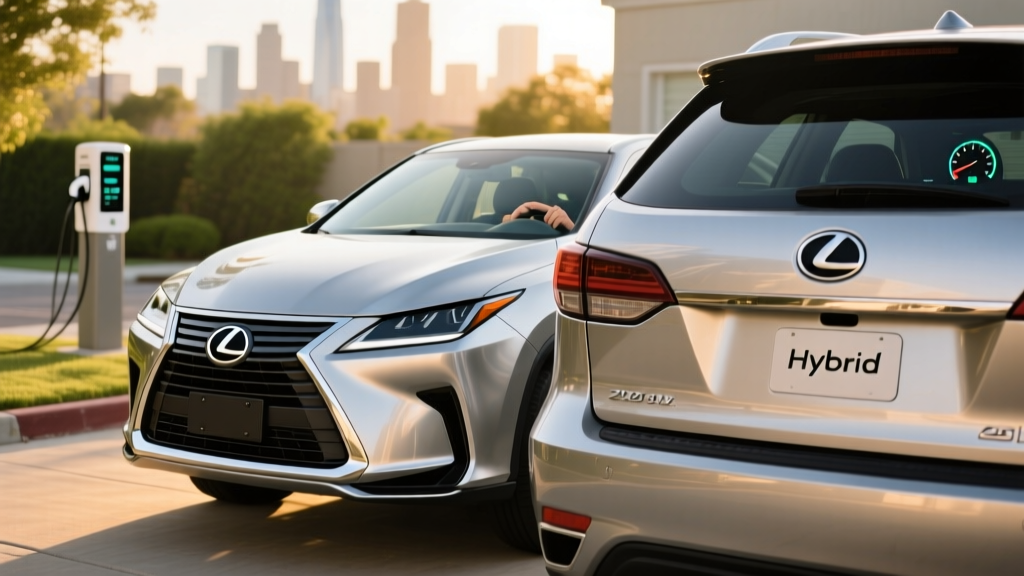
The 2007 Lexus RX 400h was one of the first luxury hybrid SUVs to reach the mass market, pairing a 3.3-liter V6 with Toyota's Hybrid Synergy Drive system. Nearly two decades later, it remains a fixture on the used-car market — prized for Lexus reliability and surprisingly competitive fuel economy for its era. If you're considering a 2007 Lexus RX 400h hybrid in 2026, the key questions are straightforward: what MPG will you actually see, how much does a hybrid battery replacement cost, and does this aging pioneer still make sense compared to modern hybrids, PHEVs, and full EVs?
This guide covers the exact numbers, real-world ownership data, and the decision framework you need before signing on a 19-year-old hybrid luxury SUV.
| Spec | Value |
|---|---|
| Powertrain | 3.3L V6 (3MZ-FE) + front/rear electric motors |
| Combined Horsepower | 272 hp (net system) |
| Transmission | eCVT (planetary gearset) |
| Drivetrain | AWD (electric rear axle, no mechanical driveshaft) |
| EPA City / Highway / Combined | 31 / 27 / 29 MPG |
| Hybrid Battery | ~1.9 kWh NiMH (240V nominal), sealed, non-pluggable |
| Fuel Tank | 17.2 gallons (premium recommended) |
| 0–60 mph | ~7.3 seconds |
| Curb Weight | ~4,475 lbs |
| Original MSRP (2007) | $46,425 (base) |
| Used Price Range (2026) | $4,500–$9,000 depending on mileage/condition |
| Hybrid Battery Warranty (original) | 8 years / 100,000 miles (10 yr/150k in CARB states) |
HEV vs PHEV vs EV: Where the RX 400h Fits
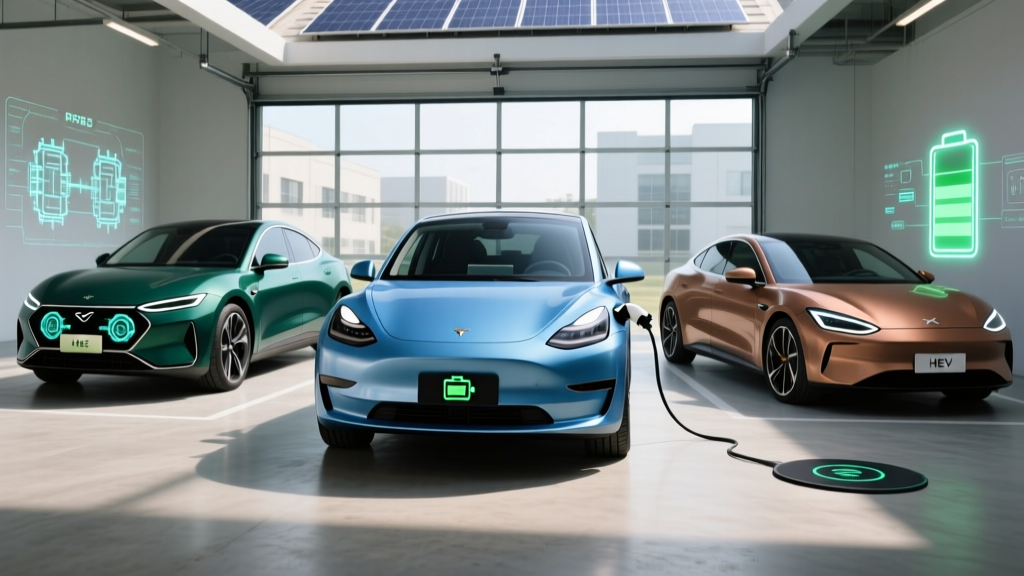
The 2007 Lexus RX 400h is a conventional hybrid (HEV). It has no plug, no electric-only driving range of any meaningful distance, and no external charging capability. The small 1.9 kWh nickel-metal hydride (NiMH) battery recharges exclusively through regenerative braking and the gasoline engine. You fuel it like any other car and never think about charging.
| Attribute | HEV (e.g., RX 400h) | PHEV (e.g., RAV4 Prime) | BEV (e.g., Tesla Model Y) |
|---|---|---|---|
| Plug-in Charging | No | Yes (Level 1/2) | Yes (Level 1/2/DC) |
| Electric-Only Range | ~1 mile at low speed | 25–42 miles typical | 250–350+ miles |
| Fuel/Energy Source | Gasoline only | Gasoline + grid electricity | Grid electricity only |
| Tailpipe Emissions | Yes (reduced vs ICE) | Yes (zero in EV mode) | None |
| Federal Tax Credit (new) | None | Up to $7,500 (§30D, if eligible) | Up to $7,500 (§30D, if eligible) |
| Home Charging Needed | No | Recommended for value | Essential |
The distinction matters because buyers sometimes confuse the "400h" badge with a plug-in vehicle. It is not. The RX 400h operates exactly like a modern Toyota Camry Hybrid or Honda CR-V Hybrid: the electric motors assist the engine, enable brief low-speed electric-only creeping, and recapture energy during braking — but gasoline is always the primary energy source.
Fuel Economy: EPA Numbers vs Real-World MPG
The EPA rates the 2007 Lexus RX 400h at 31 MPG city, 27 MPG highway, and 29 MPG combined. For a 4,475-pound luxury AWD SUV from 2007, those figures remain respectable — they're comparable to a 2026 base Toyota RAV4 (non-hybrid) and significantly better than the gas-only 2007 RX 350, which managed roughly 19 city / 24 highway.
| Driving Condition | EPA MPG | Real-World Expectation |
|---|---|---|
| City | 31 MPG | 29–33 MPG (hybrids often beat EPA in stop-and-go) |
| Highway | 27 MPG | 25–28 MPG (aero drag and weight hurt at 70+ mph) |
| Combined | 29 MPG | 27–31 MPG depending on driving mix |
| Cold Weather (below 30°F) | N/A | 23–26 MPG (engine runs more for cabin heat) |
Why city MPG exceeds highway: This is the hallmark of a conventional hybrid. In stop-and-go traffic, regenerative braking recovers energy that a gas car wastes as brake heat, and the electric motor handles low-speed acceleration where gasoline engines are least efficient. On the highway, the RX 400h operates primarily as a heavy V6 SUV with modest electric assist — the hybrid advantage shrinks.
Real-world caveat: Owner reports on Fuelly and forums cluster around 26–30 MPG combined, with city-heavy commuters occasionally touching 32 MPG. If the hybrid battery has degraded (more on this below), expect a 2–4 MPG drop because the engine compensates for reduced electric assist.
Powertrain Deep Dive: 272 HP Without a Traditional Driveshaft
The RX 400h's Hybrid Synergy Drive system pairs a 208-hp 3.3-liter V6 (the 3MZ-FE engine shared with the Toyota Highlander Hybrid) with a 167-hp front electric motor and a 67-hp rear electric motor. The combined system output is 272 net horsepower — more than the 230-hp gas-only RX 350 of the same year.
The AWD system is worth noting: there is no mechanical driveshaft connecting the front and rear axles. The rear wheels are driven entirely by the rear electric motor, which engages when the system detects front-wheel slip or during hard acceleration. This means the RX 400h operates as a front-wheel-drive vehicle under most cruising conditions, with the rear motor providing torque on demand. It's effective for rain and light snow but not a substitute for a dedicated mechanical AWD system in severe conditions.
The eCVT transmission uses a planetary gearset rather than belts or pulleys — there are no "gears" to shift and no traditional CVT rubber-band feel. This design is mechanically simple and has proven extremely durable, with very few reported transmission failures even at high mileage.
Hybrid Battery Health, Replacement Cost, and Warranty
The 2007 RX 400h uses a nickel-metal hydride (NiMH) battery pack rated at approximately 1.9 kWh and 240 volts nominal. It's mounted under the rear cargo area. This is a mature, well-understood chemistry — NiMH batteries degrade more gracefully than early lithium-ion packs, typically losing capacity slowly over time rather than failing catastrophically.
Original Hybrid Battery Warranty: 8 years / 100,000 miles nationwide; 10 years / 150,000 miles in CARB states (CA, CT, ME, MA, NJ, NY, OR, RI, VT, WA, and others adopting California emissions standards).
2026 Reality: Every 2007 RX 400h is now well outside its original warranty window. Battery replacement is an expected ownership cost on any surviving example.
Battery replacement cost (2026 estimates):
- OEM new battery (Lexus dealer): $3,000–$4,500 installed
- Refurbished/remanufactured pack: $1,500–$2,500 installed (from specialists like Green Bean Battery or similar shops)
- DIY refurbished module replacement: $600–$1,200 in parts (individual NiMH modules can be swapped, but requires technical skill and high-voltage safety awareness)
Signs of hybrid battery degradation: Noticeable MPG drop (3+ MPG below baseline), reduced electric-only assist at low speeds, the engine running more frequently at stops, or a check engine light with codes P0A80 (replace hybrid battery) or individual module voltage imbalance codes. Many 2007 RX 400h examples on the road today have already had at least one battery replacement or refurbishment.
Tax Credits, Pricing, and Ownership Economics
Federal tax credit: The 2007 Lexus RX 400h does not qualify for the current IRS §30D Clean Vehicle Credit. That credit applies only to new plug-in vehicles (PHEVs and BEVs) meeting battery sourcing, MSRP, and buyer income requirements. Conventional hybrids like the RX 400h have never qualified for the federal plug-in credit, and the original hybrid tax credit that existed in 2006–2007 (up to $2,200) phased out for Toyota/Lexus vehicles in 2007.
Used price in 2026: Expect to pay $4,500–$9,000 depending on mileage, condition, and whether the hybrid battery has been recently replaced or tested. Examples with documented battery replacement within the last 2–3 years command a $1,500–$2,000 premium and are generally worth it.
Annual fuel cost estimate: At 29 MPG combined, 12,000 miles/year, and $3.50/gallon premium fuel, annual fuel cost is approximately $1,450. Compare this to a 2026 Toyota RAV4 Hybrid (~39 MPG combined, regular fuel): roughly $1,080/year at the same mileage. The RX 400h's fuel economy advantage over its gas contemporaries has been eclipsed by modern hybrids.
Reliability and What to Inspect Before Buying
The 2007 RX 400h inherits Toyota/Lexus's strong reliability reputation, and the Hybrid Synergy Drive system is among the most proven in the industry. The eCVT, in particular, is nearly bulletproof. However, at 19 years old, age-related issues matter more than design flaws.
Key inspection items:
- Hybrid battery state of health (SoH): Request a hybrid battery diagnostic report from a Lexus dealer or qualified hybrid specialist. Look for module voltage variance under 0.2V and no history of P0A80 codes.
- Inverter coolant pump: A known failure point on this generation. If the inverter coolant pump fails, the hybrid system can overheat and shut down. Check for service history or proactively replace ($200–$400).
- Brake actuator: The electrohydraulic brake system is expensive to replace ($1,500–$2,500). Listen for unusual pump cycling or a firm, unresponsive pedal.
- Standard aging items: Suspension bushings, struts, timing belt (the 3MZ-FE is an interference engine — belt replacement at 90,000–100,000 miles is critical), water pump, and spark plugs.
The 2007 RX 400h earned a Top Safety Pick designation from IIHS with Good ratings in frontal offset and side impact tests — competitive for its era, though it lacks modern active safety features like automatic emergency braking or lane-keeping assist.
Who Should Buy the 2007 Lexus RX 400h in 2026?
Pros
- Lexus luxury and ride quality at a budget used price
- 272 hp with smooth, proven eCVT powertrain
- 29 MPG combined is solid for a 4,475-lb AWD SUV
- No plug-in charging required — fuel and go
- Strong parts availability via Toyota/Lexus network
Cons
- Hybrid battery replacement is likely needed ($1,500–$4,500)
- No modern ADAS features (AEB, lane keep, blind-spot)
- Premium fuel requirement raises operating cost
- Outdated infotainment (no Apple CarPlay, Android Auto, or Bluetooth audio)
- MPG advantage has been surpassed by modern hybrids
Choose the 2007 RX 400h if: You want a cheap, comfortable, reliable luxury SUV with better-than-average fuel economy, you drive mostly in the city, and you're prepared to budget $2,000–$3,000 for a hybrid battery refresh if one hasn't been done.
Choose a modern hybrid (2024–2026 RAV4 Hybrid, Highlander Hybrid) if: You want a warranty, modern safety tech, 35–40 MPG, and can spend $32,000–$42,000.
Choose a PHEV (RAV4 Prime, Tucson PHEV) if: You have home charging, a short commute, and want 30–40 miles of electric-only driving with a gas backup for road trips.
Choose a full EV (Model Y, Ioniq 5) if: You have reliable home Level 2 charging, want zero tailpipe emissions, and are ready for the lowest per-mile energy cost.
Frequently Asked Questions
How many MPG does the 2007 Lexus RX 400h hybrid get?
The EPA rates it at 31 city / 27 highway / 29 combined. Real-world owners typically see 27–31 MPG combined, with city driving yielding the best results thanks to regenerative braking. Cold weather can drop combined MPG to 23–26.
Does the 2007 RX 400h need to be plugged in?
No. The RX 400h is a conventional hybrid (HEV), not a plug-in hybrid. The battery charges through regenerative braking and the gasoline engine. You never plug it in — you just fill it with gas.
How far can the RX 400h drive on electric power alone?
Less than one mile, and only at very low speeds (under ~25 mph) under light load. The 1.9 kWh NiMH battery is far too small for meaningful electric-only range. This is not a plug-in hybrid.
Is the 2007 Lexus RX 400h reliable?
Yes, with caveats. The powertrain (V6 + eCVT + hybrid system) is among the most reliable ever built by Toyota/Lexus. The main risk at this age is hybrid battery degradation and costly electronics like the brake actuator. Budget for age-related maintenance and a battery refresh.
How much does a hybrid battery replacement cost for the RX 400h?
An OEM replacement at a Lexus dealer runs $3,000–$4,500 installed. Refurbished packs from aftermarket specialists cost $1,500–$2,500 installed. Individual module replacement (DIY or independent shop) can be as low as $600–$1,200.
Does the 2007 RX 400h qualify for any tax credit?
No. The original federal hybrid tax credit (up to $2,200) phased out for Toyota/Lexus in 2007, and the current §30D Clean Vehicle Credit applies only to new plug-in vehicles. No federal tax incentive is available for purchasing a used 2007 RX 400h.
Is the 2007 RX 400h a good buy compared to a modern hybrid or EV?
As a budget used luxury SUV, yes — it's comfortable, reasonably efficient, and mechanically robust. But a 2026 RAV4 Hybrid delivers 39 MPG with a full warranty and modern safety tech for ~$33,000, and a PHEV or EV offers dramatically lower operating costs if you can charge at home. The RX 400h makes sense at $5,000–$7,000 with a healthy battery; beyond that, newer alternatives offer more value.