The Pioneer That Started It All
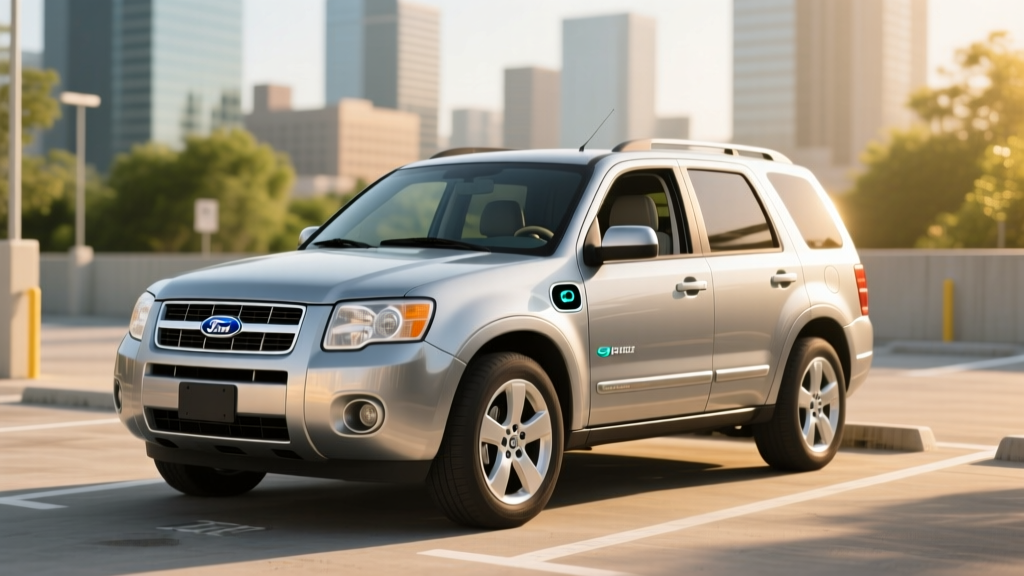
When the 2005 Ford Escape Hybrid SUV launched, it was the first hybrid electric vehicle from an American automaker and the first hybrid SUV on the market. Two decades later, this compact crossover remains a case study in hybrid longevity — and a surprisingly practical budget commuter for drivers who understand what they're buying. With EPA ratings of 33 MPG combined and a drivetrain that has proven remarkably durable, the Escape Hybrid carved out a niche that modern hybrids like the Toyota RAV4 Hybrid and Honda CR-V Hybrid now dominate. But at used prices typically between $3,500 and $6,500, this early hybrid warrants a closer look for budget-conscious buyers.
This guide breaks down everything you need to know about the 2005 Escape Hybrid: real-world fuel economy, battery health expectations, powertrain specs, and how it stacks up against modern alternatives.
Hybrid vs. Plug-In Hybrid: What the 2005 Escape Actually Is
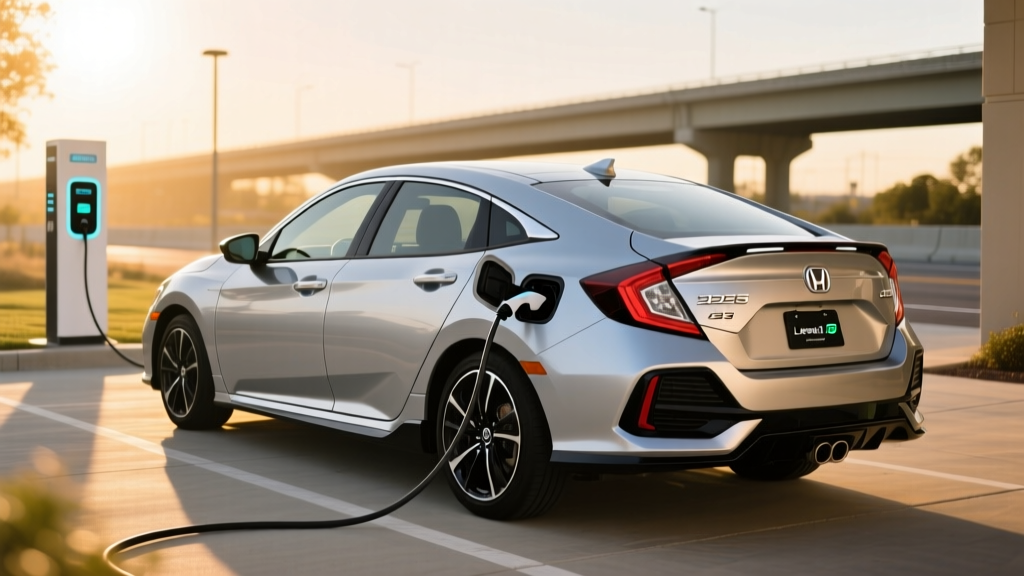
The 2005 Ford Escape Hybrid is a conventional hybrid (HEV) — not a plug-in hybrid (PHEV). This distinction matters because it defines how the vehicle operates, fuels, and ages.
| Feature | HEV (2005 Escape Hybrid) | PHEV (e.g., Modern Ford Escape PHEV) |
|---|---|---|
| Plug-in charging | No — charges via engine & regen braking | Yes — plugs into Level 1 or Level 2 |
| Electric-only range | ~0.5–1 mile at low speed | 30–40 miles typical |
| Battery size | 1.3 kWh NiMH (gross) | 14–18 kWh lithium-ion |
| DC fast charging | No | Rarely (most PHEVs are AC-only) |
| Gasoline required | Yes, always | Yes, for trips beyond EV range |
| Federal tax credit (new) | Expired (was $2,600 max in 2006) | Up to $7,500 under §30D if eligible |
The Escape Hybrid's nickel-metal hydride (NiMH) battery pack stores just 1.3 kWh of energy gross (roughly 0.9 kWh usable). It cannot propel the vehicle on electricity alone for meaningful distances. Instead, the electric motor assists the gasoline engine during acceleration, captures energy during braking, and enables idle stop-start — all without ever plugging in.
Fuel Economy: EPA Ratings and Real-World MPG
According to fueleconomy.gov, the 2005 Ford Escape Hybrid FWD carries these EPA ratings:
| Drivetrain | City MPG | Highway MPG | Combined MPG |
|---|---|---|---|
| FWD | 36 | 31 | 33 |
| AWD (e-4WD) | 33 | 29 | 31 |
Like most hybrids of this era, the Escape Hybrid achieves better fuel economy in city driving than on the highway. The electric motor does its heaviest lifting during stop-and-go traffic, where regenerative braking recaptures kinetic energy and the engine shuts off at stops. On sustained highway cruising, the 2.3-liter four-cylinder engine carries most of the load, reducing the hybrid system's advantage.
Real-World MPG Expectations
Owner-reported data from fuel-tracking communities consistently shows the 2005 Escape Hybrid averaging 28–32 MPG combined in real-world driving — slightly below the EPA's 33 MPG combined figure. Several factors explain this gap:
- Battery age: A 20-year-old NiMH pack has degraded, reducing electric-assist contribution and regen efficiency.
- Driving style: Aggressive acceleration defeats the hybrid system's optimization, which favors gentle throttle inputs.
- Cold weather: NiMH batteries lose efficiency in freezing temperatures, and the engine runs more frequently to maintain cabin heat.
- Tire and maintenance condition: Underinflated tires, dirty air filters, and old spark plugs erode MPG on any used vehicle.
Drivers who adopt a hypermiling-style approach — gentle starts, coasting to stops, using cruise control on flat highways — can still achieve the EPA's 33–36 MPG city figure. But expect 28–30 MPG as a realistic baseline for a well-maintained example with its original or refurbished battery.
Powertrain Specs: Engine, Motor, and Combined Output
| Specification | Detail |
|---|---|
| Engine | 2.3L Atkinson-cycle inline-4 |
| Engine power | 133 hp @ 6,000 rpm |
| Engine torque | 129 lb-ft @ 4,500 rpm |
| Electric motor | Permanent-magnet AC synchronous |
| Motor power | 94 hp (70 kW) |
| Combined system output | 155 hp (net) |
| Transmission | Planetary eCVT (no traditional gears) |
| Battery pack | 1.3 kWh NiMH (250V nominal) |
| 0–60 mph | ~10.5 seconds |
| Curb weight | ~3,685 lbs (FWD) |
| Drivetrain options | FWD or electronic AWD (e-4WD) |
The Escape Hybrid uses a power-split eCVT — the same architecture Toyota pioneered with the Prius. A planetary gearset blends power from the gasoline engine and electric motor, allowing seamless transitions between electric assist, engine-only, and combined operation. This transmission has no belts, no clutch packs, and no traditional gear shifts, which contributes to its durability.
The AWD version (marketed as "e-4WD") uses a separate rear-mounted electric motor to drive the rear wheels when slip is detected. Unlike mechanical AWD systems, there is no driveshaft connecting the front and rear axles. This system engages automatically but is designed for light traction enhancement, not off-road use.
Battery Health, Lifespan, and Replacement Cost
Original warranty: Ford covered the 2005 Escape Hybrid battery for 8 years / 100,000 miles (10 years / 150,000 miles in CARB states like California and New York). That warranty has long expired on every 2005 model.
Expected battery lifespan: NiMH packs in this generation typically last 150,000–200,000 miles before significant degradation, though many have exceeded 200,000 miles with reduced but functional hybrid assist.
Signs of Battery Degradation
If you're evaluating a used 2005 Escape Hybrid, watch for these indicators of a failing NiMH pack:
- Reduced MPG: A drop below 25 MPG combined often signals diminished battery capacity, as the engine compensates for weaker electric assist.
- Frequent engine running at stops: The engine should shut off at red lights and stop signs. If it stays running, the battery may not hold sufficient charge.
- Dashboard warnings: A "Check Hybrid System" or wrench icon indicates the vehicle's diagnostic system has detected a battery or inverter fault.
- Weak acceleration: The electric motor contributes meaningfully to low-speed acceleration. A degraded battery reduces this assist, making the vehicle feel sluggish off the line.
Battery Replacement Options and Costs
If the hybrid battery fails, you have several paths:
| Option | Cost Range | Notes |
|---|---|---|
| New OEM Ford battery | $2,500–$3,500 | Limited availability for 2005 models; check dealer parts departments |
| Remanufactured battery | $1,500–$2,500 | Companies like Green Bean Battery offer refurbished NiMH packs with 1–3 year warranties |
| Used/salvage battery | $500–$1,000 | From junkyard or eBay; high risk — unknown remaining lifespan |
| Individual cell replacement | $200–$600 | DIY-friendly for experienced hobbyists; requires voltage matching and safety precautions |
For most buyers, a remanufactured battery from a reputable supplier represents the best value. At $1,800–$2,200 installed, it restores hybrid functionality and can extend the vehicle's useful life by another 5–8 years. Given that the vehicle itself typically costs $3,500–$6,500, a battery replacement can still make economic sense if the rest of the vehicle is in good condition.
Tax Credits and Ownership Economics
The 2005 Ford Escape Hybrid originally qualified for a federal tax credit of up to $2,600 under the Energy Policy Act of 2005, but this credit phased out for Ford in 2006 after the automaker hit the 60,000-vehicle cap. There is no remaining federal tax credit for purchasing a used 2005 Escape Hybrid today.
The IRS §30D Clean Vehicle Credit applies only to new qualifying EVs and PHEVs, and the separate used-EV credit (§25E) covers only used battery electric vehicles and plug-in hybrids — not conventional hybrids like the Escape Hybrid.
Operating Cost Reality
At 30 MPG combined and $3.40/gallon gasoline (2026 national average), the Escape Hybrid costs approximately $0.113 per mile in fuel. Compare this to a 2005 Escape with the conventional 3.0L V6 (rated 19 MPG combined), which costs $0.179 per mile. Over 12,000 miles per year, the hybrid saves roughly $790 annually in fuel — meaningful for a budget vehicle.
Insurance for the 2005 Escape Hybrid is inexpensive by modern standards, typically $800–$1,200 per year depending on your profile and state. Maintenance follows standard Ford Escape intervals, with the exception of the hybrid-specific components (inverter coolant, battery cooling fan filter).
Reliability: What Two Decades of Data Show
The 2005 Escape Hybrid has built a reputation for above-average reliability, largely due to the simplicity and robustness of its power-split eCVT and NiMH battery system. Key reliability observations from long-term ownership data:
- eCVT transmission: Extremely durable. The planetary gearset has no wear items like clutch packs or bands. Failures before 250,000 miles are rare.
- NiMH battery: The primary wear item. Expect degradation to become noticeable between 150,000–200,000 miles, though the pack rarely fails catastrophically — it simply provides less assist over time.
- Inverter and power electronics: Generally reliable, but the inverter coolant pump should be inspected. Some owners report pump failures at high mileage.
- Brakes: Regenerative braking reduces wear on the friction brakes significantly. Front brake pads lasting 80,000–100,000 miles are common.
- Engine: The 2.3L Duratec is a proven engine. Watch for the known issue of spark plug ejection if plugs are not torqued correctly during service.
The NHTSA lists several recalls for the 2005 Escape Hybrid, including a notable one for the brake master cylinder. Verify that all recall work has been completed before purchasing.
Who Should Buy the 2005 Escape Hybrid vs. Alternatives
Choose the 2005 Ford Escape Hybrid if:
- You need a cheap, fuel-efficient compact SUV under $6,000
- You drive primarily in city traffic where hybrid MPG advantages are greatest
- You want AWD capability without the fuel penalty of a conventional AWD SUV
- You're comfortable budgeting $1,500–$2,500 for a potential battery replacement
- You don't have access to home or workplace charging (no plug required)
Look at a modern alternative if:
- You want current safety tech (blind-spot monitoring, automatic emergency braking, lane-keeping)
- You want Apple CarPlay/Android Auto and modern infotainment
- You want a warranty — any 2005 model is sold as-is from private sellers or used lots
- You want to access HOV lanes (no longer eligible in most states)
How It Compares to Modern Hybrids and EVs
| Vehicle | Type | EPA Combined | Typical Used/New Price | Battery Warranty |
|---|---|---|---|---|
| 2005 Ford Escape Hybrid | HEV | 33 MPG | $3,500–$6,500 | Expired |
| 2025 Toyota RAV4 Hybrid | HEV | 39 MPG | $33,000–$42,000 | 10 yr / 150,000 mi |
| 2025 Ford Escape PHEV | PHEV | 37 mi EV + 40 MPG | $38,000–$45,000 | 8 yr / 100,000 mi |
| 2025 Hyundai Ioniq 5 | BEV | 114 MPGe | $42,000–$58,000 | 10 yr / 100,000 mi |
A modern RAV4 Hybrid delivers 6 more MPG combined, far more power (219 hp vs. 155 hp), and full warranty coverage — but costs five to seven times more. The 2005 Escape Hybrid occupies a specific niche: maximum utility per dollar for drivers who can't or won't spend $30,000+ on a new vehicle.
Pros
- Very low purchase price ($3,500–$6,500)
- Proven hybrid system with strong reliability record
- 33 MPG combined — still competitive with many non-hybrid compact SUVs
- Simple to maintain; shares many parts with gas Escape
- Regenerative braking extends brake life significantly
- No plug-in charging required
Cons
- No federal tax credit available (new or used)
- Battery warranty expired; replacement costs $1,500–$3,500
- Outdated safety features (no ESC standard, no curtain airbags on all trims)
- Slow acceleration (10.5 sec 0–60)
- Limited cargo space vs. modern compact SUVs (27.6 cu ft behind rear seats)
- No modern infotainment or smartphone integration
Frequently Asked Questions
How many MPG does the 2005 Ford Escape Hybrid get?
The EPA rates the FWD model at 36 city / 31 highway / 33 combined MPG. The AWD version is rated 33 city / 29 highway / 31 combined. Real-world owners typically report 28–32 MPG combined, depending on battery health and driving habits.
Is the 2005 Escape Hybrid a plug-in hybrid?
No. The 2005 Escape Hybrid is a conventional hybrid (HEV). It charges its small 1.3 kWh NiMH battery through regenerative braking and the gasoline engine. There is no plug and no meaningful electric-only driving range.
How long does the hybrid battery last?
The NiMH battery pack typically lasts 150,000–200,000 miles before noticeable degradation. Some packs have exceeded 200,000 miles but with reduced hybrid assist. The original 8-year/100,000-mile warranty has expired on all 2005 models.
What does a replacement hybrid battery cost?
A remanufactured NiMH battery costs $1,500–$2,500 installed. A new OEM battery (if available) runs $2,500–$3,500. Used salvage batteries are $500–$1,000 but carry significant risk.
Does the 2005 Ford Escape Hybrid qualify for any tax credit?
No. The original federal hybrid tax credit (up to $2,600) phased out for Ford in 2006. Current federal credits under IRS §30D apply only to new qualifying EVs and PHEVs, and the used-EV credit (§25E) does not cover conventional hybrids.
Is the eCVT transmission reliable?
Yes. The power-split eCVT is one of the most durable components in the Escape Hybrid. It uses a planetary gearset with no clutch packs or belts, and failures before 250,000 miles are uncommon.
Can I still get parts for the 2005 Escape Hybrid?
Mechanical and body parts are widely available since the Escape Hybrid shares most components with the conventional Escape. Hybrid-specific parts (battery, inverter, electric A/C compressor) are available through aftermarket suppliers and some Ford dealers, though availability may require sourcing from specialty hybrid parts vendors.