The Ultimate Hybrid Crossover Showdown
The compact crossover segment is the most fiercely contested battleground in the automotive industry, and the introduction of electrification has only raised the stakes. For buyers seeking the perfect blend of daily fuel efficiency, weekend cargo-hauling capability, and all-weather confidence, the hybrid crossover is the undisputed sweet spot. But with so many options on the market, which model truly deserves your hard-earned money?
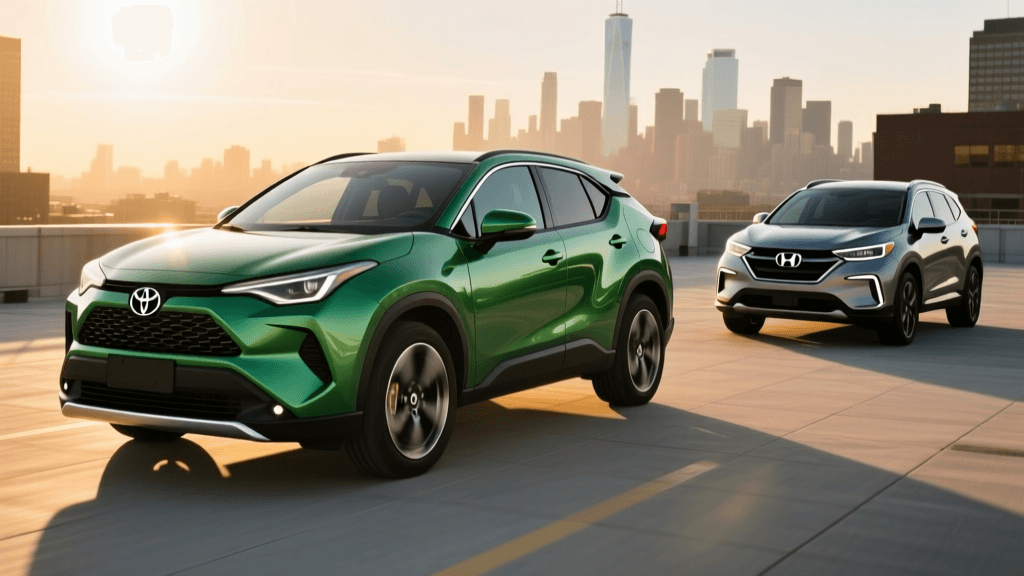
In this head-to-head product showdown, we are pitting the three heavyweights of the segment against one another: the Toyota RAV4 Hybrid, the Honda CR-V Hybrid, and the Hyundai Tucson Hybrid. We will evaluate these vehicles based on two critical metrics that define the modern crossover buyer's needs: overall versatility and real-world MPG. By examining powertrain dynamics, interior packaging, and all-wheel-drive competence, we aim to crown the ultimate champion of the hybrid crossover segment.
Contender 1: Toyota RAV4 Hybrid (The MPG King)
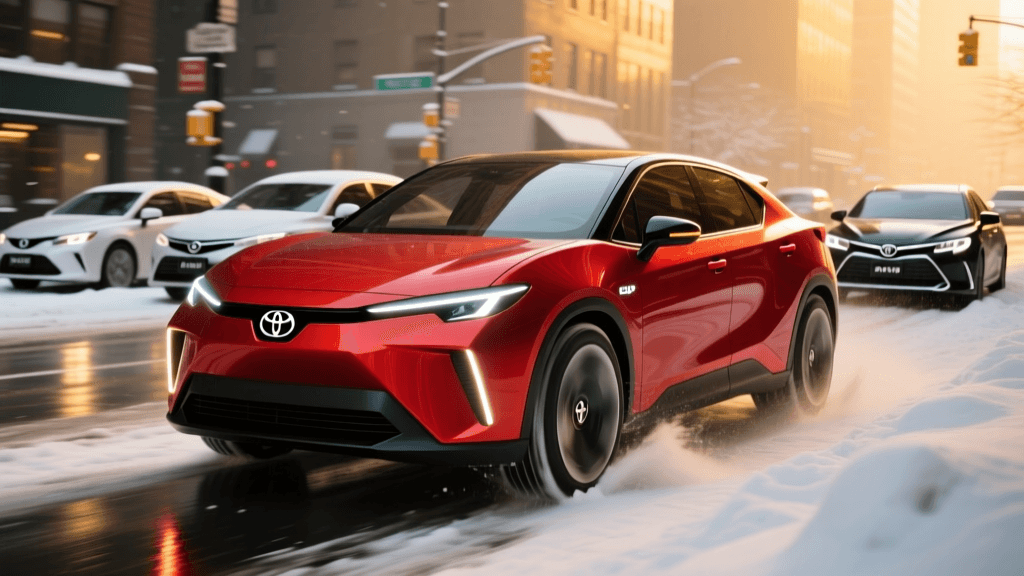
The Toyota RAV4 Hybrid has held the sales crown in this segment for years, and for good reason. Built on Toyota's New Global Architecture (TNGA) platform, the RAV4 Hybrid pairs a 2.5-liter four-cylinder engine with a robust electric motor system to produce a combined 219 horsepower. Its standout feature is the standard Electronic On-Demand All-Wheel Drive, which utilizes a dedicated rear electric motor to provide instant torque to the rear wheels without the weight and mechanical drag of a traditional driveshaft.
- Pros: Class-leading fuel economy, rugged Woodland Edition trim option, highly reliable hybrid synergy drive system.
- Cons: Infotainment interface feels slightly dated compared to rivals, engine drone under heavy acceleration.
Contender 2: Honda CR-V Hybrid (The Versatility Champion)
Honda completely redesigned the CR-V for its latest generation, pushing it slightly upmarket and significantly increasing its physical footprint. The CR-V Hybrid utilizes a two-motor hybrid system paired with a 2.0-liter direct-injected turbocharged engine, yielding 204 horsepower and a massive 247 lb-ft of torque. Honda's Real-Time AWD system is mechanical, providing excellent traction in deep snow and off-pavement scenarios where electronic e-AWD systems might overheat or struggle.
- Pros: Best-in-class rear legroom, premium interior materials, smooth and linear power delivery.
- Cons: Slightly lower highway MPG than the Toyota, higher starting MSRP for hybrid trims.
Contender 3: Hyundai Tucson Hybrid (The Tech & Value Underdog)
Hyundai continues to disrupt the status quo with the Tucson Hybrid, offering striking parametric design cues and a tech-forward cabin that punches well above its weight class. Under the hood, a 1.6-liter turbocharged engine and a 44.2 kW electric motor combine to generate an impressive 226 horsepower and 258 lb-ft of torque. It is the only vehicle in this comparison to utilize a traditional six-speed automatic transmission rather than an e-CVT, resulting in a more natural, engaging driving feel.
- Pros: Longest standard warranty (10-year/100,000-mile powertrain), highest towing capacity, engaging transmission.
- Cons: Polarizing exterior styling, touch-capacitive climate controls can be distracting while driving.
Head-to-Head Comparison Chart
| Model | Combined MPG (AWD) | Horsepower | Cargo Space (Behind Rear Seats) | Max Towing Capacity |
|---|---|---|---|---|
| Toyota RAV4 Hybrid | 39 MPG | 219 hp | 37.6 cu-ft | 1,750 lbs |
| Honda CR-V Hybrid | 37 MPG | 204 hp | 36.3 cu-ft | 1,000 lbs |
| Hyundai Tucson Hybrid | 38 MPG | 226 hp | 38.7 cu-ft | 2,000 lbs |
Real-World MPG and Drivetrain Versatility
Fuel economy is only half the battle when evaluating a crossover; the drivetrain must also provide genuine versatility across varying weather conditions. According to data compiled by the EPA Fuel Economy database, the Toyota RAV4 Hybrid maintains a slight edge in combined city and highway driving, achieving an estimated 39 MPG combined when equipped with AWD. Its e-CVT transmission is ruthlessly efficient in stop-and-go city traffic, where the electric motor handles low-speed propulsion entirely.
However, versatility means more than just pavement efficiency. The Honda CR-V Hybrid's mechanical Real-Time AWD system provides superior traction management when navigating steep, muddy inclines or unplowed snow. While the Tucson Hybrid boasts the highest horsepower and a traditional geared transmission that makes highway passing maneuvers feel exceptionally confident, its HTRAC AWD system is heavily biased toward on-road performance and light-duty trailering. If your definition of versatility includes towing a small pop-up camper or a pair of jet skis, the Tucson's 2,000-pound towing capacity easily outmuscles the RAV4 and CR-V.
Cargo Space and Interior Practicality
Versatility extends beyond the drivetrain and into the cabin. The Hyundai Tucson Hybrid leads this trio in raw cargo volume, offering 38.7 cubic feet behind the second row. Its boxy rear roofline and wide load floor make it exceptionally easy to load bulky items like dog crates or large furniture boxes. Furthermore, Hyundai's packaging of the hybrid battery beneath the rear seats preserves the under-floor storage area, a clever engineering feat that maximizes utility.
The Toyota RAV4 Hybrid follows closely behind with 37.6 cubic feet. Toyota's interior is highly utilitarian, featuring large physical knobs for climate control and volume, which translates to excellent usability when wearing winter gloves. The Honda CR-V Hybrid offers 36.3 cubic feet of cargo space, which is slightly less than its rivals, but it completely dominates the segment in rear-seat passenger comfort. The CR-V offers an astonishing 41 inches of rear legroom, making it the undisputed champion for families with rear-facing child seats or tall teenagers.
Safety and Technology Integration
Modern families demand top-tier safety, and all three crossovers excel in crashworthiness. The Insurance Institute for Highway Safety (IIHS) rigorously tests these vehicles, and both the RAV4 and CR-V have historically secured Top Safety Pick designations when equipped with specific headlight trims. Toyota's Safety Sense 3.0 suite provides highly calibrated adaptive cruise control and lane-centering assistance that feels natural and non-intrusive on long highway road trips.
On the technology front, Hyundai takes the lead with massive dual 10.25-inch panoramic displays on higher trims, wireless Apple CarPlay and Android Auto across the board, and advanced digital key features. Honda and Toyota have recently updated their infotainment systems to include wireless smartphone integration on premium trims, but their base screens still feel a generation behind Hyundai's vibrant, high-resolution user interface.
The Verdict: Which Hybrid Crossover Wins?
Declaring a single winner in this head-to-head showdown depends entirely on your specific lifestyle requirements. If your absolute top priority is maximizing fuel efficiency and minimizing your carbon footprint without sacrificing AWD capability, the Toyota RAV4 Hybrid remains the undisputed MPG King. It is the most pragmatic, efficient choice for high-mileage commuters.
If passenger comfort, premium interior aesthetics, and mechanical AWD traction are paramount, the Honda CR-V Hybrid is the Versatility Champion. It feels like a vehicle from a class above, offering unparalleled rear-seat space and a refined driving experience. Finally, if you need maximum cargo volume, towing capability, and industry-leading warranty peace of mind, the Hyundai Tucson Hybrid is the ultimate underdog that punches hardest in the utility department. Ultimately, the best hybrid crossover is the one that perfectly aligns with your unique daily demands.