The Intersection of Electric Efficiency and Combustion Endurance
When evaluating the modern automotive landscape, Plug-in Hybrid Electric Vehicles (PHEVs) represent a fascinating engineering compromise. They bridge the gap between pure battery electric vehicles (BEVs) and traditional internal combustion engines (ICE). However, not all PHEVs are created equal. The true measure of a PHEV's utility lies in two critical metrics: its electric-only range for daily commuting, and its total combined range for extended road trips. According to the Alternative Fuels Data Center, the most advanced PHEVs utilize sophisticated power-split devices and high-density battery packs to seamlessly transition between energy sources.
In this technology deep dive, we rank the best PHEV SUVs on the market based strictly on their electric mode distance and total system range. We will also explore the underlying battery chemistry, thermal management systems, and powertrain architectures that make these impressive numbers possible.
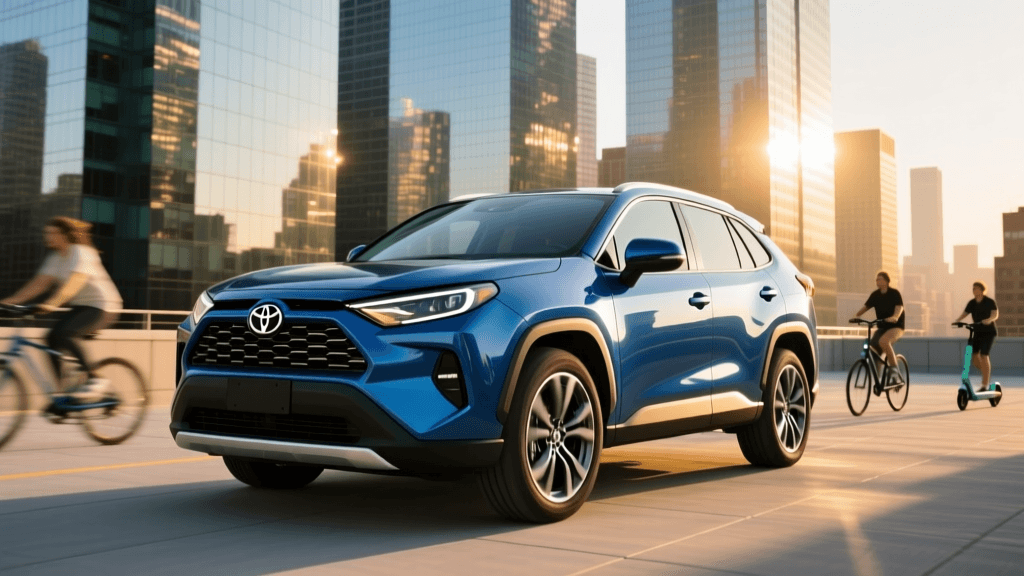
1. Toyota RAV4 Prime: The Undisputed Range King
The Toyota RAV4 Prime remains the benchmark for PHEV SUVs, offering an EPA-estimated 42 miles of electric-only range and a staggering 600 miles of total range. The secret to its success lies in Toyota's fourth-generation Hybrid Synergy Drive. Unlike simpler PHEV architectures that merely bolt an electric motor onto a traditional transmission, the RAV4 Prime utilizes a planetary gearset e-CVT that seamlessly blends power from its 2.5-liter Atkinson-cycle engine and dual electric motors.
Technically, the RAV4 Prime is equipped with an 18.1 kWh lithium-ion battery pack. Toyota utilizes a highly efficient liquid cooling system for this pack, which is critical for maintaining battery health during repeated charge and discharge cycles. Furthermore, the RAV4 Prime features a unique heat pump system dedicated to cabin heating, which drastically reduces the parasitic draw on the battery during cold weather, preserving that vital 42-mile EV range.
2. Lexus NX 450h+: Premium Efficiency and Refinement
Sharing much of its underlying architecture with the RAV4 Prime, the Lexus NX 450h+ delivers 37 miles of electric-only range and a total range of approximately 550 miles. The slight decrease in EV range compared to the Toyota is attributed to the Lexus's heavier curb weight, increased sound deadening, and more aggressive aerodynamic profile.
From a technology standpoint, the NX 450h+ employs an advanced predictive efficient drive system. This software utilizes GPS and navigation data to anticipate changes in elevation and traffic patterns, automatically adjusting the battery's state of charge to maximize regenerative braking opportunities on descents. The 18.1 kWh battery pack is mounted low in the chassis, improving the vehicle's center of gravity and reducing body roll, a vital engineering consideration for luxury crossover dynamics.
3. BMW X5 xDrive50e: Luxury Meets Massive Battery Tech
The latest generation BMW X5 xDrive50e represents a massive leap forward in European PHEV technology. It offers an EPA-estimated 38 miles of electric-only range (with real-world European WLTP tests pushing even higher) and a total range exceeding 400 miles. The engineering marvel here is the sheer size of its battery: a massive 25.7 kWh (gross) / 19.2 kWh (net) lithium-ion pack.
BMW has integrated a highly compact, liquid-cooled electric motor directly into the housing of the eight-speed Steptronic transmission. This allows for instant torque delivery and seamless handoffs between electric and gas power that are virtually imperceptible to the driver. The X5 also utilizes a silicon carbide (SiC) inverter, which significantly reduces switching losses and improves overall powertrain efficiency, a crucial technology for managing the high energy throughput of such a large battery pack.
4. Hyundai Tucson PHEV: Value and Thermal Excellence
Offering 33 miles of electric-only range and a total range of roughly 420 miles, the Hyundai Tucson PHEV is a masterclass in accessible efficiency. Its 13.8 kWh battery pack is smaller than its competitors, but Hyundai's advanced thermal management system ensures that a higher percentage of the battery's gross capacity is usable.
The Tucson PHEV utilizes a 1.6-liter turbocharged engine paired with a 66 kW electric motor and a traditional six-speed automatic transmission, rather than a CVT. This setup provides a more natural, stepped driving feel favored by many consumers. Hyundai also employs an active air flap system in the front grille, which closes at highway speeds to reduce aerodynamic drag, thereby extending the total range when operating in hybrid mode.
Data Table: PHEV SUV Range and Battery Specifications
| Vehicle Model | EV Range (Miles) | Total Range (Miles) | Battery Capacity (kWh) | Powertrain Architecture |
|---|---|---|---|---|
| Toyota RAV4 Prime | 42 | 600 | 18.1 | e-CVT Power Split |
| Lexus NX 450h+ | 37 | 550 | 18.1 | e-CVT Power Split |
| BMW X5 xDrive50e | 38 | 410 | 25.7 (Gross) | 8-Speed Auto w/ Integrated Motor |
| Hyundai Tucson PHEV | 33 | 420 | 13.8 | 6-Speed Auto w/ Inline Motor |
Deep Dive: The Engineering Behind the Numbers
To truly understand why these specific SUVs dominate the range rankings, we must look at the EPA's breakdown of PHEV technologies. The disparity in electric range is rarely just about battery size; it is heavily influenced by vehicle mass, rolling resistance, and software calibration.
Battery Chemistry and Energy Density
Most top-tier PHEVs utilize Nickel Manganese Cobalt (NMC) lithium-ion cells. NMC chemistry offers an excellent balance of high energy density and thermal stability. Because PHEVs have limited physical space for battery placement (usually under the rear seats or in the center tunnel), maximizing energy density is paramount. The shift toward NMC 811 cells (80% nickel, 10% manganese, 10% cobalt) in newer models allows manufacturers to pack more kilowatt-hours into the same physical footprint.
The Role of the Heat Pump
Electric range is notoriously volatile in cold weather. Traditional EVs and early PHEVs used resistive PTC heaters for cabin warmth, which draw massive amounts of current from the battery. The RAV4 Prime and NX 450h+ utilize advanced heat pump systems. By scavenging ambient heat from the outside air and waste heat from the power electronics, the heat pump can warm the cabin using a fraction of the electricity. This technological inclusion is a primary reason why Toyota and Lexus maintain such high real-world EV ranges during winter months.
Regenerative Braking Algorithms
Total range is heavily dependent on how well a vehicle recaptures kinetic energy. Modern PHEVs use blended braking systems. When you press the brake pedal, the software first applies reverse torque through the electric motor to slow the car and charge the battery. Only when the deceleration demand exceeds the motor's capacity do the mechanical friction brakes engage. The sophistication of this blending algorithm dictates how efficiently the vehicle can stretch its fuel supply in stop-and-go traffic.
Actionable Advice: Maximizing Your PHEV's Range
Owning a top-ranked PHEV SUV is only the first step. To extract the maximum electric and total range from your vehicle, apply these technology-focused strategies:
- Leverage Predictive Routing: Always input your destination into the native navigation system, even if you know the way. The vehicle's energy management computer uses this route data to optimize battery deployment, saving EV power for city driving and relying on the gas engine for steady highway cruising.
- Precondition While Plugged In: Use your vehicle's smartphone app to precondition the cabin temperature while the car is still connected to your Level 2 charger. This draws power from the grid rather than the battery, ensuring you leave with a full 100% state of charge and a warm cabin, preserving your maximum EV range.
- Master the Regeneration Settings: Most of these SUVs offer adjustable regenerative braking levels via steering wheel paddles. In heavy city traffic, crank the regen to its maximum setting to enable near one-pedal driving, drastically reducing energy wasted to friction brakes.
- Optimize Tire Pressures: PHEVs are inherently heavy due to the dual powertrains. Under-inflated tires drastically increase rolling resistance. Check your tire pressure monthly and inflate to the exact PSI listed on the driver's door jamb placard, which is calibrated specifically for the vehicle's heavy curb weight.
By understanding the deep technology powering these vehicles and applying smart driving habits, owners can fully exploit the dual-nature of PHEVs, enjoying emission-free daily commutes and anxiety-free cross-country adventures.