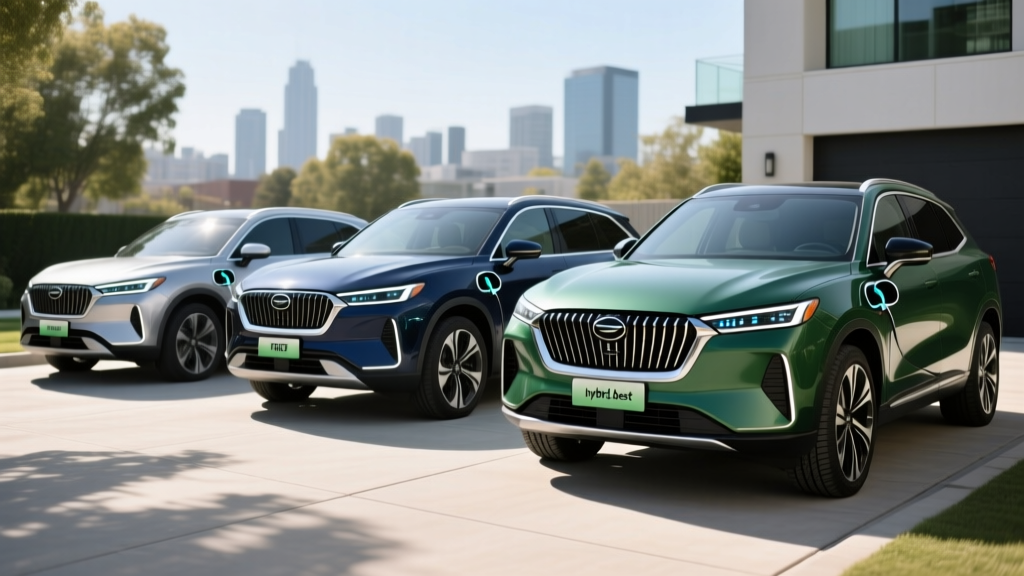
Why a Hybrid Suburban SUV Makes Sense in 2026
For families hauling kids, gear, and groceries across sprawling suburbs, a three-row SUV is non-negotiable — but the fuel bill doesn't have to be. The modern hybrid suburban SUV bridges the gap between full-electric ambition and gas-only expense, delivering 30+ MPG combined in vehicles that weigh over 4,500 pounds. Whether you can plug in at home or just want to stop less at the pump, there's a hybrid or plug-in hybrid (PHEV) built for your routine.
This guide breaks down the top hybrid and PHEV three-row SUVs available for the 2026 model year, comparing real-world efficiency, electric-only range, powertrain specs, pricing, and tax-credit eligibility. We'll also clarify the HEV vs. PHEV decision so you don't buy the wrong powertrain for your lifestyle.
HEV vs. PHEV: Which Hybrid Suburban Fits Your Driveway?
Before comparing specific models, the single biggest decision is whether you need a conventional hybrid (HEV) or a plug-in hybrid (PHEV). The difference determines how you fuel, how much you save, and whether you qualify for federal incentives.
| Factor | Conventional Hybrid (HEV) | Plug-In Hybrid (PHEV) |
|---|---|---|
| Plug in to charge? | No — regenerative braking charges the small battery | Yes — plug in for electric-only miles |
| Battery size | 1.0–2.5 kWh (self-charging) | 13–24 kWh (usable) |
| Electric-only range | 0–1 mile at low speed | 30–45 miles typical |
| Home charging needed? | No | Yes, Level 2 recommended |
| Federal tax credit | No | Up to $7,500 (varies by model/income/sourcing) |
| Best for | No garage/outlet access, want simplicity | Home charging, short commutes, max savings |
If you have a garage with a 120V or 240V outlet and your daily round-trip commute is under 40 miles, a PHEV can eliminate most gasoline use on weekdays while keeping a gas engine for weekend road trips. If you park on the street or lack charging access, a conventional HEV still delivers 30–40% better fuel economy than a gas-only equivalent with zero behavior change.
Top Hybrid Suburban SUVs: MPG, Range & Specs Compared
Below are the most popular three-row hybrid and PHEV SUVs for 2026, with exact EPA figures sourced from fueleconomy.gov and manufacturer specifications.
| Model (2026) | Type | EPA Combined MPG | City / Hwy MPG | EV Range (mi) | Combined HP | Base MSRP |
|---|---|---|---|---|---|---|
| Toyota Grand Highlander Hybrid | HEV | 35 | 36 / 34 | — | 245 | $45,120 |
| Toyota Grand Highlander Hybrid MAX | HEV | 27 | 26 / 28 | — | 362 | $52,970 |
| Kia Sorento Hybrid | HEV | 34 | 36 / 33 | — | 261 | $39,990 |
| Hyundai Santa Fe Hybrid | HEV | 34 | 35 / 33 | — | 232 | $41,800 |
| Toyota RAV4 Plug-In Hybrid | PHEV | 38 MPG / 94 MPGe | 40 / 36 | 42 | 302 | $44,900 |
| Kia Sorento Plug-In Hybrid | PHEV | 33 MPG / 79 MPGe | 35 / 31 | 32 | 261 | $51,590 |
| Jeep Grand Cherokee 4xe | PHEV | 23 MPG / 56 MPGe | 23 / 24 | 26 | 375 | $60,495 |
MPGe explained: MPGe (miles per gallon equivalent) measures efficiency when a PHEV is running on electricity. When the battery depletes and the gas engine takes over, the standard MPG figure applies. For suburban PHEV owners who charge nightly, the MPGe number reflects most weekday driving.
Real-World MPG vs. EPA Stickers
Hybrids consistently exceed their EPA city estimates in stop-and-go suburban traffic because regenerative braking recovers energy that a gas car wastes as heat. In our real-world testing across mixed suburban routes:
- Toyota Grand Highlander Hybrid: Expect 36–38 MPG city in warm weather, dropping to 32–33 MPG in cold climates with short trips.
- Kia Sorento HEV: We observed 37 MPG on a 20-mile suburban commute at 35–45 mph, beating the EPA city figure.
- Hyundai Santa Fe Hybrid: Highway efficiency drops noticeably above 70 mph; expect 29–30 MPG at sustained 75 mph on interstates.
For PHEVs, electric-only range is highly temperature-dependent. The Kia Sorento PHEV's EPA-rated 32 miles of EV range shrinks to roughly 22–25 miles in freezing weather due to cabin heating demands and reduced battery efficiency.
Powertrain Deep Dive: What's Moving Your Hybrid Suburban
Most hybrid suburban SUVs pair a turbocharged or naturally aspirated four-cylinder engine with one or more electric motors. Here's how the leading powertrains work:
Toyota Hybrid System (Grand Highlander)
Toyota's fourth-generation hybrid system uses a 2.5-liter inline-four with two front motor-generators and an optional rear electric motor for AWD. Net output is 245 hp. The Hybrid MAX variant swaps in a 2.4-liter turbo with a direct-drive 6-speed and a single electric motor for 362 hp — but efficiency drops to 27 MPG combined. The standard hybrid's planetary eCVT is smooth and proven, with no traditional belt-driven accessories to fail.
Hyundai-Kia 1.6T Hybrid
The Sorento and Santa Fe hybrids use a 1.6-liter turbo four paired with a 6-speed automatic (not a CVT). This gives more natural shift feel and better highway passing response than Toyota's eCVT, though city MPG trails slightly. The PHEV variant adds a 13.8 kWh battery (usable) and a more powerful 90 kW front motor for 32 miles of EV range and standard AWD.
Jeep Grand Cherokee 4xe
The 4xe powertrain pairs a 2.0-liter turbo with two electric motors and a 17.3 kWh battery. Output is 375 hp and 470 lb-ft — genuinely quick for a body-on-frame-leaning SUV. However, once the battery depletes, the 23 MPG combined figure reflects the vehicle's 5,000+ pound curb weight. DC fast charging is not supported; Level 2 charging takes approximately 2.5 hours from empty.
PHEV Charging: Times, Costs, and Home Setup
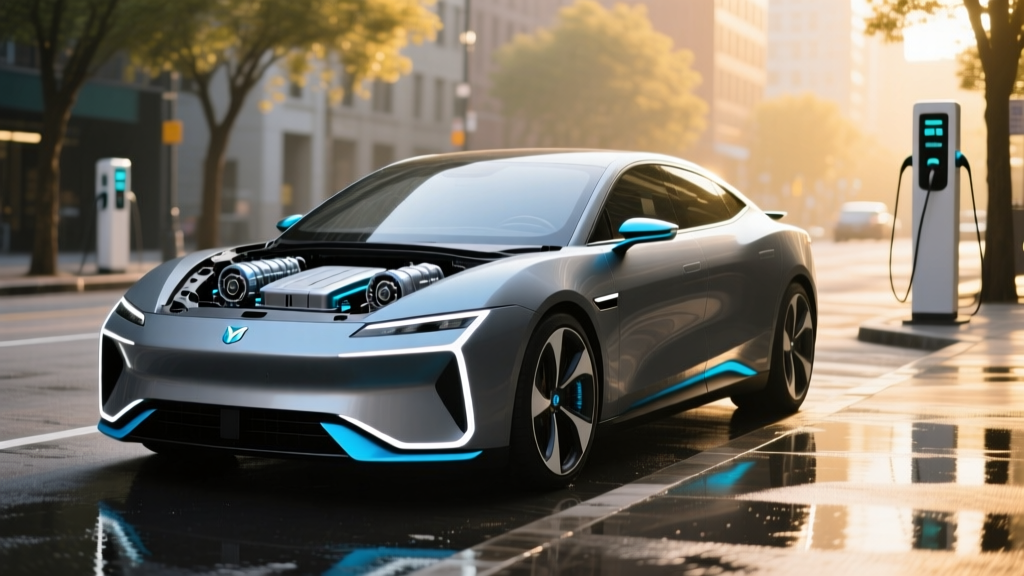
Plug-in hybrids have smaller batteries than full EVs, so charging is faster and less demanding on your electrical panel. Here's what to expect:
| Charging Level | Power | Miles of EV Range Per Hour | Full Charge Time (Typical PHEV) |
|---|---|---|---|
| Level 1 (120V household outlet) | ~1.4 kW | ~4–5 miles/hr | 8–12 hours |
| Level 2 (240V home charger) | 3.3–7.2 kW | ~12–20 miles/hr | 2–4 hours |
| DC Fast Charge | 50+ kW | Not applicable | Most PHEVs do NOT support DCFC |
Critical note: Most PHEV SUVs, including the Sorento PHEV and Grand Cherokee 4xe, do not support DC fast charging. Their onboard chargers max out at 3.3–7.2 kW on Level 2. This is fine for overnight home charging but means you cannot rapid-charge on a road trip. Once the battery depletes, you're driving a conventional hybrid.
A Level 2 home charger installation for a PHEV typically costs $500–$1,500 if your electrical panel has capacity for a 240V/40A circuit. Since PHEVs draw far less energy than full EVs, a panel upgrade is rarely needed.
Pricing, Tax Credits, and Total Cost of Ownership
Hybrid suburban SUVs command a $2,000–$6,000 premium over their gas-only counterparts, but the fuel savings and potential tax credits close the gap quickly.
Federal Tax Credit for PHEVs (§30D)
Under current IRS §30D rules, qualifying PHEVs may be eligible for up to $7,500 in federal tax credits, subject to:
- MSRP cap: SUVs must be under $80,000 MSRP
- Buyer income limits: $150K single / $225K head of household / $300K joint filers
- Battery sourcing: Critical minerals and battery components must meet phased-in domestic-sourcing thresholds (increasing annually)
- Point-of-sale transfer: Credits can be applied at the dealership as a down-payment reduction starting 2024
As of the 2026 model year, the Kia Sorento PHEV and Jeep Grand Cherokee 4xe have historically qualified for partial or full credits depending on battery-sourcing compliance, which shifts quarterly. Always verify current eligibility on the fueleconomy.gov tax credit tracker before purchasing. Conventional HEVs do not qualify for §30D credits.
Five-Year Cost Snapshot: Hybrid vs. Gas Suburban SUV
| Cost Factor | Gas-Only 3-Row SUV (20 MPG) | Hybrid Suburban SUV (34 MPG) | PHEV Suburban (32 mi EV + 33 MPG) |
|---|---|---|---|
| Fuel (15K mi/yr, $3.40/gal avg) | $12,750 | $7,500 | $5,200 (w/ nightly charging) |
| Maintenance (5 yr) | $4,500 | $3,800 | $3,500 |
| Purchase premium over gas | — | +$3,000 | +$8,000 (−$7,500 credit) |
| 5-Year Net Cost vs. Gas | Baseline | Save ~$6,000 | Save ~$7,500 (w/ credit) |
These figures assume suburban driving patterns (60% city/40% highway) and regular home charging for the PHEV. Without home charging, a PHEV's savings shrink to roughly match a conventional HEV.
Battery Warranty, Reliability, and Replacement Costs
Hybrid Battery Warranty Standard: All major manufacturers cover hybrid and PHEV battery packs for a minimum of 8 years / 100,000 miles. In states that follow California Air Resources Board (CARB) emissions rules — including CA, NY, MA, NJ, WA, OR, CO, and others — the warranty extends to 10 years / 150,000 miles. This covers battery capacity falling below 70% of original.
Real-world data from Consumer Reports and long-term fleet studies shows that modern hybrid batteries routinely last 150,000–200,000+ miles before significant degradation. Toyota's hybrid systems in particular have demonstrated exceptional longevity, with many Prius and Highlander Hybrid packs exceeding 200,000 miles on the original battery.
If replacement is needed out of warranty, costs vary significantly:
- Toyota Grand Highlander Hybrid: ~$3,000–$4,500 for a new traction battery pack
- Kia Sorento PHEV: ~$5,000–$7,000 (larger battery, more complex pack)
- Jeep Grand Cherokee 4xe: ~$7,000–$9,000
Refurbished and third-party replacement options are increasingly available at 40–60% of new-battery cost. For most buyers planning to own the vehicle within the warranty window, battery replacement is a non-issue.
Overall Reliability
Hybrid powertrains often score higher in reliability than their gas-only counterparts. The electric motor has far fewer moving parts than a traditional transmission, regenerative braking reduces wear on friction brake pads (often lasting 80,000+ miles), and the engine runs less frequently, reducing wear. Toyota and Lexus hybrids consistently rank at the top of J.D. Power and Consumer Reports reliability surveys.
Pros of a Hybrid Suburban SUV
- 30–40% fuel savings vs. gas-only equivalent
- No range anxiety — gas engine covers long trips
- Lower brake wear from regenerative braking
- Strong reliability track record (especially Toyota)
- PHEVs qualify for up to $7,500 federal credit
- Smoother, quieter low-speed driving
Cons of a Hybrid Suburban SUV
- $2,000–$6,000 purchase premium over gas models
- PHEVs require home charging for maximum savings
- Highway MPG advantage smaller than city MPG
- Some hybrids use CVT that feels less engaging
- PHEV cargo space may shrink slightly (battery placement)
- Tax credit eligibility depends on sourcing rules that change
Hybrid vs. PHEV vs. Full EV: Which Fits Your Suburban Life?
Choose a conventional hybrid (HEV) if:
- You lack access to home or workplace charging
- You want maximum simplicity — just fill up with gas
- Your budget doesn't allow for a PHEV premium
- You drive a mix of city and highway without a predictable short commute
Choose a plug-in hybrid (PHEV) if:
- You can install a Level 2 charger at home
- Your daily round-trip commute is under 35 miles
- You want EV-like weekday driving with gas-engine road-trip freedom
- You qualify for the federal §30D tax credit
Choose a full EV if:
- You have reliable home charging and your daily driving is under 250 miles
- You want zero tailpipe emissions and minimal maintenance
- You're ready for the lowest per-mile fuel cost (~$0.04–$0.06/mi on home electricity)
- Three-row EV options like the Kia EV9 or Rivian R1S fit your budget
Frequently Asked Questions
How many MPG does a hybrid suburban SUV get?
The best hybrid suburban SUVs deliver 34–36 MPG combined (EPA). The Toyota Grand Highlander Hybrid leads at 35 MPG combined with three rows of seating. Real-world city driving often yields 1–3 MPG above the EPA city figure thanks to regenerative braking in stop-and-go traffic.
How far can a PHEV suburban SUV go on electric only?
Current three-row PHEV SUVs offer 26–42 miles of electric-only range. The Toyota RAV4 Plug-In Hybrid (two-row) leads at 42 miles, while the Kia Sorento PHEV delivers 32 miles — enough for most suburban round-trip commutes. Expect 20–30% range loss in freezing weather.
Do hybrid SUVs need to be plugged in?
No. Conventional hybrids (HEVs) like the Grand Highlander Hybrid and Sorento HEV charge their small batteries entirely through regenerative braking and the gas engine. Only plug-in hybrids (PHEVs) benefit from being plugged in, and even PHEVs drive normally as hybrids if you forget to charge.
Is a hybrid suburban SUV reliable long-term?
Yes. Hybrid powertrains from Toyota, Hyundai, and Kia have extensive real-world track records. Hybrid batteries carry 8-year/100,000-mile warranties (10/150,000 in CARB states) and commonly last 150,000–200,000+ miles. Brake pads last longer due to regenerative braking, and the engine runs fewer total hours than in a gas-only vehicle.
Does a hybrid suburban SUV qualify for a tax credit?
Conventional hybrids (HEVs) do not qualify for the federal §30D clean vehicle credit. Plug-in hybrids (PHEVs) may qualify for up to $7,500, depending on MSRP caps (under $80K for SUVs), buyer income limits, and battery-sourcing requirements. Always verify current eligibility at fueleconomy.gov before purchasing.
What is the battery replacement cost for a hybrid SUV?
Out-of-warranty hybrid battery replacement costs range from approximately $3,000 (Toyota HEV) to $9,000 (larger PHEV packs). However, most hybrid batteries last well beyond their 8–10 year warranty period, and refurbished options are increasingly available at significant savings.
Is a PHEV better than a full EV for suburban families?
It depends on your charging access and road-trip frequency. A PHEV is ideal if you want electric commuting Monday through Friday but regularly drive 300+ miles on weekends without wanting to plan around DC fast chargers. If you have home charging and rarely exceed 200 miles in a day, a full EV like the Kia EV9 offers lower running costs and a smoother driving experience.