The Winter MPG Drop: Why Hybrids Struggle in the Cold
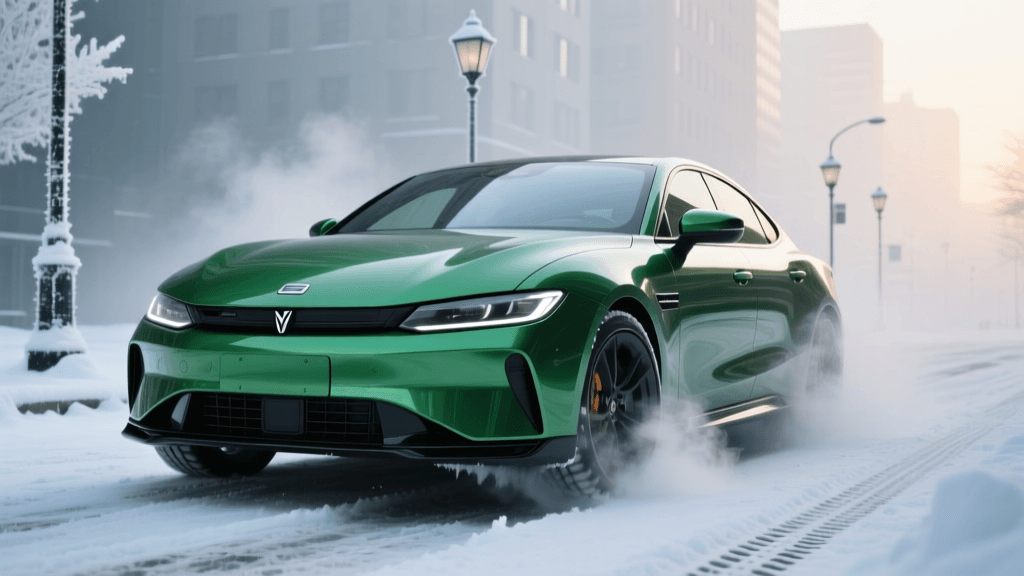
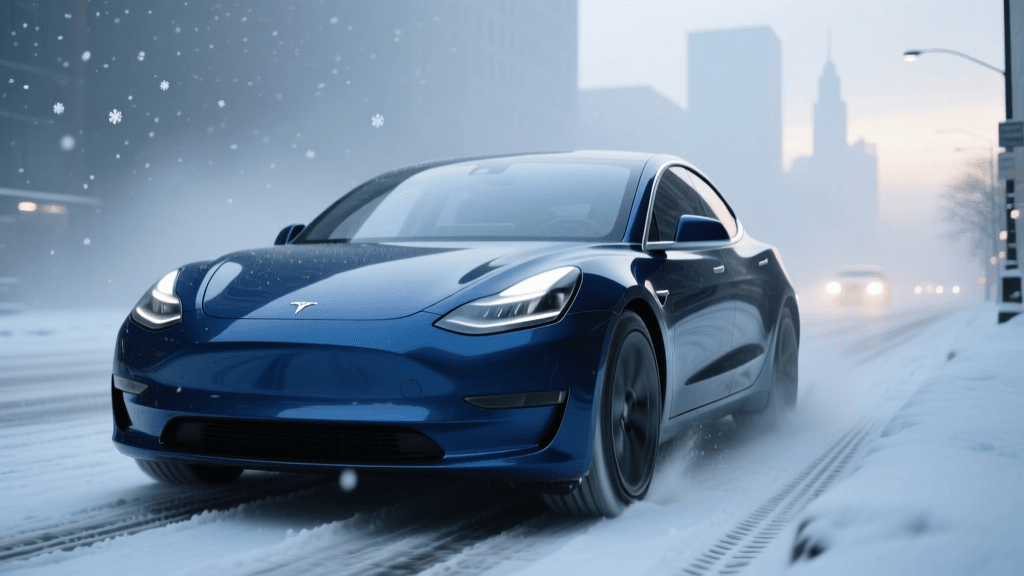
As temperatures plummet, hybrid and plug-in hybrid electric vehicle (PHEV) owners often notice a frustrating phenomenon: a sudden drop in fuel economy and electric range. This is not a defect, but a consequence of thermodynamics, battery chemistry, and aerodynamics. Cold air is significantly denser than warm air, increasing aerodynamic drag at highway speeds. Furthermore, winter blends of gasoline contain slightly less energy per gallon, and freezing temperatures increase the rolling resistance of tires.
However, the most significant factor for hybrids and PHEVs is thermal management. Lithium-ion batteries suffer from increased internal resistance in sub-zero temperatures, which limits regenerative braking capture and reduces overall efficiency. Additionally, heating the cabin in a PHEV traditionally relies on energy-hungry resistive heaters, which rapidly deplete the high-voltage battery and force the internal combustion engine (ICE) to turn on prematurely. According to the U.S. Department of Energy's Fuel Economy Guide, conventional gas vehicles can see a 10% to 20% drop in fuel economy during short-trip winter driving, while PHEVs can experience even steeper EV-range losses if advanced thermal management systems are absent.
Future Trends: How Next-Gen Hybrids Will Conquer the Cold
The automotive industry is actively engineering solutions to eliminate the winter MPG penalty. Looking toward the 2026-2030 horizon, several key technologies are shifting from premium EVs into mainstream hybrid architectures:
- Advanced Heat Pump Integration: Modern heat pumps operate with a Coefficient of Performance (COP) of 3.0 to 4.0, meaning they produce up to four units of heat for every one unit of electricity consumed. Future systems will scavenge waste heat from the electric motors, inverters, and even the ambient outside air down to -10°F.
- AI-Driven Predictive Thermal Routing: Next-generation hybrids will use GPS and cloud-based weather APIs to predict your route. If the car knows you are driving to a fast charger or tackling a steep mountain pass in freezing weather, it will precondition the battery using grid power while still parked, ensuring optimal chemical efficiency before you even turn the steering wheel.
- Solid-State and Semi-Solid Batteries: Research highlighted by institutions like the Argonne National Laboratory points to advanced battery chemistries that inherently resist freezing. Solid-state electrolytes promise drastically lower internal resistance in cold climates, which will virtually eliminate the winter regenerative braking penalty that currently plagues liquid-electrolyte lithium-ion cells.
2024-2025 Best Hybrids for Cold Weather Ranked by MPG Retention
To determine the best hybrids for winter driving, we evaluate vehicles based on their estimated winter MPG/MPGe retention compared to their EPA-rated summer combined figures, the presence of heat pump technology, and battery conditioning capabilities.
| Rank | Vehicle | Summer MPG / MPGe | Winter Retention (Est.) | Key Cold Weather Tech |
|---|---|---|---|---|
| 1 | Toyota RAV4 Prime (PHEV) | 94 MPGe / 38 MPG | 88% | Refrigerant Heat Pump, Battery Warming |
| 2 | Hyundai Tucson PHEV | 80 MPGe / 35 MPG | 84% | Standard Heat Pump, Battery Conditioning |
| 3 | Honda CR-V Hybrid (HEV) | 40 MPG (Combined) | 81% | Efficient ICE Waste-Heat Cabin Routing |
| 4 | Ford Escape PHEV | 105 MPGe / 40 MPG | 78% | Smart PTC Heating, Heated Seat Priority |
| 5 | Subaru Crosstrek Hybrid | 90 MPGe / 35 MPG | 75% | Symmetrical AWD, Block Heater Integration |
1. Toyota RAV4 Prime (PHEV) - The Winter Champion
The Toyota RAV4 Prime remains the undisputed king of cold-weather PHEVs. Toyota integrated a highly efficient refrigerant-based heat pump that allows the vehicle to heat the cabin using electricity without immediately triggering the gas engine, even in temperatures as low as 15°F. Furthermore, the RAV4 Prime features an active battery warming system that keeps the lithium-ion cells in their optimal thermal window, ensuring you still capture regenerative braking energy on snowy downhill stretches.
2. Hyundai Tucson PHEV - The Tech-Forward Contender
Hyundai has been aggressive in standardizing heat pumps across its electrified lineup. The Tucson PHEV utilizes a multi-way heat exchanger that captures waste heat from the engine and electric motors to warm both the cabin and the battery coolant loop. Its 'battery conditioning' mode is a standout feature; when enabled, the vehicle pre-warms the cells to ensure maximum EV range retention and fast-charge acceptance during winter road trips.
3. Honda CR-V Hybrid (HEV) - The ICE Synergy Master
Unlike PHEVs that fight to stay in EV mode, the standard Honda CR-V Hybrid leverages the thermodynamic reality that internal combustion engines generate massive amounts of waste heat. Honda's thermal management system rapidly routes engine coolant heat into the cabin during freezing starts, minimizing the need for electric PTC heaters. Once the engine reaches operating temperature, the CR-V Hybrid maintains an impressive 81% MPG retention by seamlessly blending electric low-speed torque with highly efficient Atkinson-cycle highway cruising.
4. Ford Escape PHEV - The Commuter's Choice
The Ford Escape PHEV boasts one of the highest EPA-rated EV ranges in its class (37 miles). While it relies more heavily on PTC (Positive Temperature Coefficient) resistive heating than a heat pump in older model years, Ford's software prioritizes heated seats and the heated steering wheel over cabin air heating. By utilizing conductive heating for the driver's body rather than convective air heating, the Escape PHEV preserves valuable battery electrons for the powertrain.
5. Subaru Crosstrek Hybrid - The Traction Specialist
While the Crosstrek Hybrid ranks lowest on this specific list for pure MPG retention due to the lack of an advanced heat pump in its current generation, it makes up for it in winter utility. Subaru's Symmetrical All-Wheel Drive, combined with the instant torque of the electric motor, provides unparalleled traction in deep snow. For buyers in regions with severe blizzards where forward momentum is more critical than saving a few gallons of gas, the Crosstrek remains a top-tier choice.
Actionable Advice for Maximizing Winter Hybrid MPG
Owning a cold-weather-capable hybrid is only half the battle. How you interact with the vehicle's thermal systems dictates your real-world fuel economy. Implement these strategies to minimize winter MPG loss:
- Precondition While Plugged In: If you own a PHEV, always precondition the cabin and battery while the vehicle is still connected to your Level 1 or Level 2 home charger. A 20-minute preconditioning cycle draws roughly 1.5 kWh from the grid (costing approximately $0.20 to $0.25 depending on local rates) rather than draining your high-voltage battery or forcing the gas engine to idle inefficiently in the driveway.
- Use Conductive Heating: Turn the cabin air temperature down to 65°F and rely on heated seats and the heated steering wheel. Conductive heating transfers warmth directly to your body and requires a fraction of the wattage needed to heat 100 cubic feet of cabin air.
- Invest in Low Rolling Resistance Winter Tires: Winter tires are mandatory for safety, but they traditionally hurt fuel economy. Look for specialized winter tires like the Michelin X-Ice Snow or Bridgestone Blizzak WS90, which are engineered with specific silica compounds and tread patterns designed to minimize rolling resistance without sacrificing ice grip.
- Utilize Engine Block Heaters (HEVs): For standard hybrids (HEVs) in sub-zero climates, installing an aftermarket engine block heater (costing around $150-$250) ensures the engine oil is warm before startup. This reduces cold-start friction, allows the engine to reach peak thermal efficiency faster, and drastically cuts down on the rich fuel mixtures required to warm up a freezing engine.
The Industry Outlook: Beyond 2025
As we look toward the latter half of the decade, the line between EV thermal management and hybrid thermal management will blur entirely. Automakers are developing unified thermal architectures where the battery, electric motors, and ICE coolant loops are all managed by a single, AI-controlled octovalve system. When combined with the impending arrival of solid-state batteries, the historical 15% to 20% winter MPG penalty for hybrids will likely be reduced to under 5%. Until then, choosing a PHEV equipped with a dedicated heat pump and active battery conditioning remains the smartest strategy for dominating the winter commute.