The True Value of Electric-Only Range in Plug-In Hybrids
Plug-in hybrid electric vehicles (PHEVs) occupy a unique sweet spot in the modern automotive landscape. They offer the zero-emission, low-cost daily commuting of a battery electric vehicle (BEV) while retaining the gas-powered range for weekend road trips. However, not all PHEVs are created equal. The defining metric that separates a transformative PHEV from a mildly efficient hybrid is its electric-only range. According to the U.S. Department of Energy, maximizing your electric-only miles is the single most effective way to reduce your long-term fuel costs and carbon footprint.
In this comprehensive cost and value breakdown, we rank the best plug-in hybrid vehicles currently on the market specifically by their EPA-estimated electric-only range. Beyond just range, we analyze the true cost of ownership, including MSRP, home charging costs, cost-per-mile on electricity, and overall value proposition. If you are looking to minimize your visits to the gas station while maximizing your automotive investment, this guide will help you find the perfect PHEV for your budget and commute.
How We Calculate PHEV Cost & Value
To provide a genuine cost and value breakdown, we look beyond the sticker price. Our evaluation criteria include:
- Electric-Only Range: The EPA-estimated miles the vehicle can travel on a full battery before the gas engine engages.
- Estimated Home Charging Cost: Calculated using the national average residential electricity rate of $0.16 per kWh and the vehicle's usable battery capacity.
- Cost-Per-Mile (Electric): The estimated home charging cost divided by the EV range, giving you a clear picture of your daily commuting pennies-per-mile.
- Federal Tax Credit Eligibility: Factoring in potential savings via the EPA Clean Vehicle Tax Credits, which can reduce the effective MSRP by up to $7,500 for qualifying PHEVs.
- Value Score: A qualitative assessment balancing MSRP, interior quality, cargo space, and electric range.
Top 5 PHEVs Ranked by Electric-Only Range
1. Toyota Prius Prime (Best Overall Value & Efficiency)
Electric-Only Range: 44 miles (SE Trim)
Battery Capacity: 13.6 kWh
Starting MSRP: ~$33,445
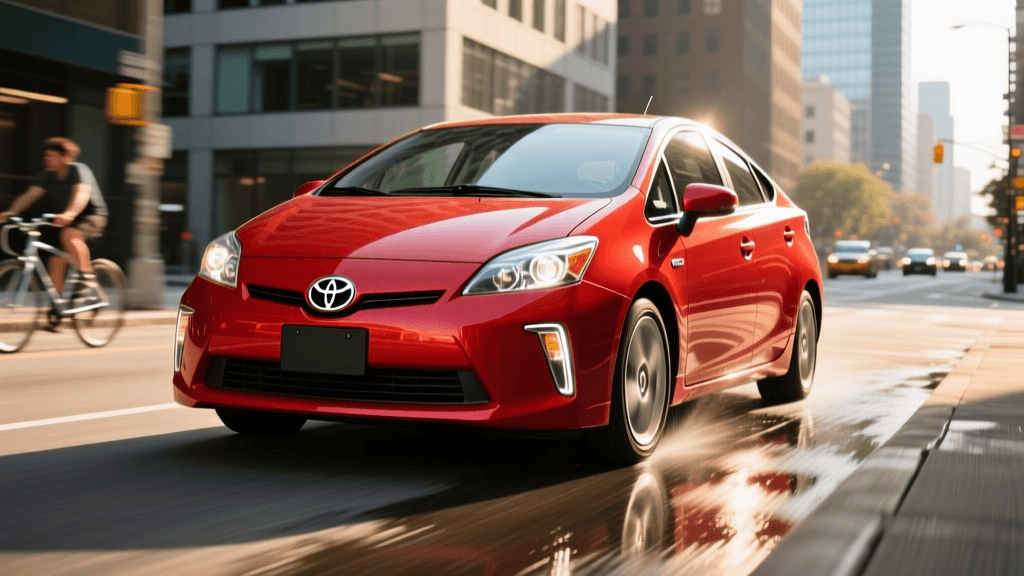
The Toyota Prius Prime completely dominates the PHEV market when it comes to pure electric range and affordability. In its base SE trim, it delivers an astonishing 44 miles of electric-only driving. Because the Prius Prime is incredibly aerodynamic and lightweight, it achieves a combined 127 MPGe. From a cost perspective, fully charging the 13.6 kWh battery at home costs roughly $2.17. This translates to an astoundingly low $0.049 per mile on electricity. When you factor in the available federal tax credits and Toyota's legendary reliability, the Prius Prime offers an unmatched return on investment for daily commuters looking to virtually eliminate their gas budget.
2. Toyota RAV4 Prime (Best SUV Value & Utility)
Electric-Only Range: 42 miles
Battery Capacity: 18.1 kWh
Starting MSRP: ~$43,690
For buyers who need the cargo space and ride height of an SUV, the RAV4 Prime is the undisputed king of electric range in the mainstream compact crossover segment. Offering 42 miles of zero-emission driving, it easily covers the average American's daily round-trip commute. The larger 18.1 kWh battery costs about $2.89 to charge from empty, yielding a cost-per-mile of roughly $0.068. While its MSRP is higher than the Prius, the RAV4 Prime holds its resale value exceptionally well and offers standard all-wheel-drive (AWD), making it a highly practical, year-round value proposition for families.
3. BMW X5 xDrive50e (Best Premium Midsize Value)
Electric-Only Range: 38 miles
Battery Capacity: 25.7 kWh (approx. 22 kWh usable)
Starting MSRP: ~$73,000
Luxury PHEVs often sacrifice electric range for sheer power, but the updated BMW X5 xDrive50e breaks the mold with a massive battery pack that yields 38 miles of electric range. This is one of the highest EV ranges in the luxury midsize SUV class. Charging this larger battery at home will cost around $3.52, resulting in a cost-per-mile of $0.092. While the initial MSRP is steep, the X5's ability to function as a pure EV for daily school runs and grocery trips, while offering a buttery-smooth inline-six gas engine for highway cruising, provides immense lifestyle value for premium buyers.
4. Lexus NX 450h+ (Best Luxury Compact Value)
Electric-Only Range: 37 miles
Battery Capacity: 18.1 kWh
Starting MSRP: ~$58,505
Sharing its underlying powertrain architecture with the RAV4 Prime, the Lexus NX 450h+ elevates the experience with a premium cabin, superior sound insulation, and advanced driver-assistance features. It achieves 37 miles of electric range. Because it is slightly heavier and less aerodynamic than its Toyota sibling, the cost-per-mile edges up slightly to $0.078. However, the value here is found in the luxury experience, high-end materials, and Lexus's industry-leading customer service and warranty support, making it a smart buy for those wanting premium electric commuting without the six-figure price tag of European rivals.
5. Hyundai Tucson Plug-In Hybrid (Best Mainstream Compact Crossover Alternative)
Electric-Only Range: 33 miles
Battery Capacity: 13.8 kWh
Starting MSRP: ~$38,725
Rounding out our top five is the Hyundai Tucson PHEV. While its 33 miles of electric range is the lowest on this specific list, it remains vastly superior to many older or competing PHEVs that only offer 15 to 20 miles. The Tucson PHEV features a small but efficient battery that costs just $2.20 to charge, equating to a highly competitive $0.066 per mile. Hyundai also includes generous standard features and an industry-leading 10-year/100,000-mile powertrain warranty, drastically reducing long-term ownership anxiety and cementing its status as a top-tier value pick.
Comparative Data Table: Range, Price, and Cost-Per-Mile
| Vehicle Model | EV Range | Battery (Usable) | Est. Home Charge | Cost / EV Mile | Approx. MSRP |
|---|---|---|---|---|---|
| Toyota Prius Prime (SE) | 44 miles | 13.6 kWh | $2.17 | $0.049 | $33,445 |
| Toyota RAV4 Prime | 42 miles | 18.1 kWh | $2.89 | $0.068 | $43,690 |
| BMW X5 xDrive50e | 38 miles | ~22.0 kWh | $3.52 | $0.092 | $73,000 |
| Lexus NX 450h+ | 37 miles | 18.1 kWh | $2.89 | $0.078 | $58,505 |
| Hyundai Tucson PHEV | 33 miles | 13.8 kWh | $2.20 | $0.066 | $38,725 |
Note: Charging costs are estimates based on a $0.16/kWh national average. Actual costs will vary based on local utility rates and charging efficiency.
Maximizing Your PHEV Investment: Actionable Cost-Saving Strategies
Buying a PHEV with a high electric range is only the first step in realizing its financial value. To truly maximize your return on investment and drive your cost-per-mile down to the lowest possible number, you must optimize how and when you charge.
1. Leverage Time-of-Use (TOU) Electricity Rates
Most utility companies offer Time-of-Use plans that drastically reduce the cost of electricity during off-peak hours (typically between 10:00 PM and 6:00 AM). By setting your PHEV's built-in charge timer or using your smart home charger to only draw power during these windows, you can often cut your home charging costs by 30% to 50%. This can drop the Prius Prime's cost-per-mile to well under four cents.
2. Install a Dedicated Level 2 Home Charger
While all PHEVs can charge on a standard 120V household outlet (Level 1), it is often too slow to replenish larger batteries like the one in the BMW X5 overnight. Investing in a Level 2 home charger (240V) ensures your vehicle is always at 100% battery by morning, forcing you to rely less on the gas engine. Furthermore, many local utilities offer rebates covering up to 50% of the hardware and installation costs for Level 2 chargers.
3. Navigate the Federal Clean Vehicle Credit
The financial value of a PHEV is heavily influenced by tax incentives. Under the current Inflation Reduction Act (IRA) guidelines, qualifying PHEVs can receive a federal tax credit of up to $7,500. However, strict rules regarding battery component sourcing, MSRP caps (e.g., $80,000 for SUVs, $55,000 for sedans), and buyer income limits apply. Always verify a vehicle's current eligibility on the official EPA Fuel Economy and Tax Credit database before signing the purchase agreement, as eligible models can change based on supply chain shifts.
Final Verdict: Which PHEV Offers the Best Value?
When strictly analyzing the intersection of electric-only range and out-of-pocket cost, the Toyota Prius Prime is the undisputed champion. Its 44-mile range covers almost all daily driving needs, and its sub-$35,000 price tag makes it accessible to a wide demographic. For families requiring more space, the Toyota RAV4 Prime offers the best SUV value, blending 42 miles of EV range with practicality and strong resale value. Luxury buyers seeking to minimize their gas station visits without sacrificing performance will find the BMW X5 xDrive50e to be a premium revelation.
Ultimately, the best PHEV for your wallet is the one that allows you to complete your daily commute without a single drop of gasoline. By choosing a model with 30+ miles of range and utilizing off-peak home charging, you can effectively future-proof your commute against volatile gas prices while enjoying the ultimate flexibility of a hybrid powertrain.