The Beginner's Complete Guide to Family Hybrid SUVs
Choosing the right vehicle for a growing family is one of the most significant automotive decisions you will make. You need a vehicle that can handle the chaotic reality of daily life: bulky strollers, weekly grocery hauls, hockey gear, and the occasional cross-country road trip. At the same time, rising fuel costs make the gas-guzzling traditional SUVs of the past a tough pill to swallow. This is where the hybrid SUV shines. By combining an internal combustion engine with an electric motor, these vehicles offer the spaciousness of a family hauler with the fuel efficiency of a compact sedan.
In this beginner's complete guide, we rank the best family hybrid SUVs specifically by their passenger comfort and cargo capacity. Whether you need a third row for carpool duty or a massive two-row trunk for the dog crate and luggage, we have broken down the exact measurements, practical family features, and fuel economy data you need to make an informed choice.
How We Rank: The Family Space Criteria
When evaluating SUVs for family duty, horsepower and 0-60 times take a backseat to practicality. Our rankings are based on the following metrics:
- Maximum Cargo Volume: The total cubic feet available when all rear seats are folded flat.
- Behind-Seat Cargo Space: The crucial space available behind the third row (for groceries) or second row (for strollers) while passengers are seated.
- Passenger Volume and Legroom: Ensuring adults and rear-facing car seats can coexist peacefully.
- Fuel Economy (MPG): The combined city/highway rating to keep family road trips affordable.
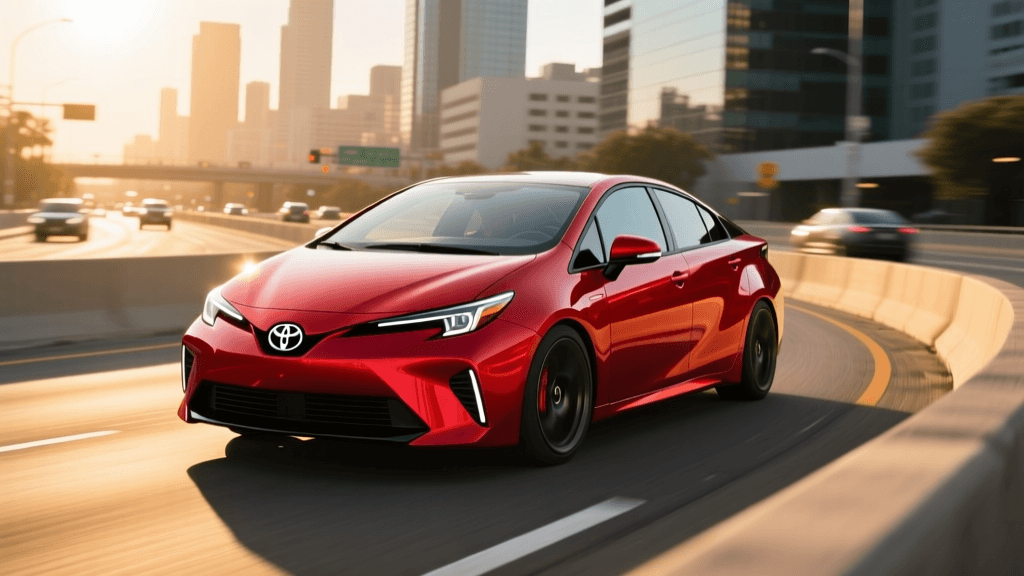
1. Toyota Grand Highlander Hybrid: The Ultimate 3-Row Hauler
If your definition of a family vehicle involves three rows of seats and actual usable space behind all of them, the Toyota Grand Highlander Hybrid is the undisputed king of the hill. Toyota introduced this model to address the primary complaint of the standard Highlander: a cramped third row and minimal trunk space when all seats are in use.
Cargo & Passenger Specs: The Grand Highlander offers a massive 97.5 cubic feet of maximum cargo space. More importantly for daily family use, it provides 35.8 cubic feet behind the third row—enough to fit several large suitcases or a massive Costco run without needing to fold down a single seat. The third row can comfortably accommodate adults on long trips, and the second-row captain's chairs offer excellent LATCH accessibility for child safety seats.
Efficiency: Despite its massive footprint, the Grand Highlander Hybrid achieves an EPA-estimated 36 MPG combined. It is the gold standard for large families who refuse to compromise on space or fuel economy.
2. Hyundai Santa Fe Hybrid: The Boxy Space Maximizer
For the 2024 model year, Hyundai completely redesigned the Santa Fe, adopting a rugged, boxy aesthetic that is not just for show—it drastically improves interior headroom and cargo volume. While it is technically a two-row SUV (with an optional, albeit tight, third row), its footprint and interior packaging rival larger vehicles.
Cargo & Passenger Specs: The boxy tailgate design yields an impressive 76.5 cubic feet of maximum cargo space. Behind the second row, you get 40.5 cubic feet. The wide, square opening of the trunk makes loading square items like cribs or large dog crates incredibly easy. Rear legroom is generous, meaning front passengers do not need to sacrifice their comfort to accommodate rear-facing car seats.
Efficiency: The 1.6-liter turbocharged hybrid powertrain delivers a respectable 34 MPG combined, making it a highly efficient choice for suburban family life.
3. Kia Sorento Plug-In Hybrid: The Electrified Commuter
The Kia Sorento PHEV is a unique entry on this list because it offers the benefits of a Plug-In Hybrid Electric Vehicle (PHEV) alongside a third row of seats. According to the Alternative Fuels Data Center, PHEVs offer families the ability to complete daily school drop-offs and grocery runs on pure electricity, while retaining a gas engine for weekend road trips.
Cargo & Passenger Specs: Here is the trade-off: the Sorento's battery packaging eats into some interior space. Maximum cargo is 70.3 cubic feet. With the third row up, cargo space drops to a mere 12.6 cubic feet. It is best suited for families with younger children who only need the third row occasionally for short carpools, rather than full-time passenger hauling.
Efficiency: It offers 32 miles of pure electric range before the hybrid system takes over, achieving 34 MPG combined in hybrid mode. If you can charge at home, your daily family fuel costs could drop to zero.
4. Honda CR-V Hybrid: The Two-Row Cargo Champion
If you do not need a third row, the Honda CR-V Hybrid is arguably the most practical compact SUV on the market. Honda's "man maximum, machine minimum" packaging philosophy results in an interior that feels a full class size larger than its exterior dimensions suggest.
Cargo & Passenger Specs: The CR-V Hybrid boasts 76.5 cubic feet of max cargo space and a very usable 39.3 cubic feet behind the second row. The cargo floor is low and flat, making it easy for kids to load their own backpacks or for you to slide in heavy strollers without lifting them too high. Rear legroom is an expansive 41.3 inches, virtually guaranteeing that front seats will never be kicked by rear-facing passengers.
Efficiency: The two-motor hybrid system is incredibly smooth and efficient, returning an EPA-estimated 40 MPG combined in the front-wheel-drive configuration.
5. Toyota RAV4 Hybrid: The Value and Reliability Pick
The Toyota RAV4 Hybrid remains a staple of the family driveway for good reason. It is not the newest design, nor is it the most luxurious, but it offers bulletproof reliability, standard all-wheel drive, and excellent cargo utility at a highly accessible price point.
Cargo & Passenger Specs: It offers 69.8 cubic feet of maximum cargo space and 37.5 cubic feet behind the second row. While slightly smaller than the CR-V, the RAV4's cargo area is highly configurable with a reversible cargo cover and ample under-floor storage for hiding valuables or storing messy sports equipment.
Efficiency: With an EPA-estimated 40 MPG combined and standard electronic On-Demand All-Wheel Drive, it is the ultimate all-weather family companion.
Family Hybrid SUV Comparison Chart
| Vehicle Model | Max Cargo (cu. ft.) | Cargo Behind 2nd/3rd Row | Combined MPG | Best For |
|---|---|---|---|---|
| Toyota Grand Highlander Hybrid | 97.5 | 35.8 (Behind 3rd Row) | 36 MPG | Large families needing 3 rows |
| Hyundai Santa Fe Hybrid | 76.5 | 40.5 (Behind 2nd Row) | 34 MPG | Boxy cargo loading & headroom |
| Honda CR-V Hybrid | 76.5 | 39.3 (Behind 2nd Row) | 40 MPG | Maximum 2-row legroom & space |
| Kia Sorento PHEV | 70.3 | 12.6 (Behind 3rd Row) | 34 MPG / 32mi EV | Electric school runs & carpools |
| Toyota RAV4 Hybrid | 69.8 | 37.5 (Behind 2nd Row) | 40 MPG | Reliability & all-weather value |
Beginner’s Guide: Standard Hybrid vs. Plug-In Hybrid (PHEV)
When shopping for a family SUV, you will encounter two main types of electrified powertrains. Understanding the difference is crucial for matching the vehicle to your family's lifestyle.
Standard Hybrids (HEV): Vehicles like the Grand Highlander and CR-V Hybrid use regenerative braking and the gas engine to charge a small battery. You never plug them in. They are perfect for families who live in apartments without charging access or who take frequent, long road trips where charging infrastructure might be unreliable.
Plug-In Hybrids (PHEV): Vehicles like the Sorento PHEV feature a much larger battery that can be plugged into a wall outlet or Level 2 charger. They offer 25-40 miles of pure electric driving. If your family's daily driving consists of a 10-mile round trip to school and the grocery store, a PHEV can operate as a full EV all week, saving you significant money on fuel. However, PHEVs often sacrifice a small amount of cargo space to accommodate the larger battery pack.
Practical Tips for Maximizing SUV Cargo Space
Even the most spacious SUV can feel cramped if not organized properly. Here are a few beginner tips for family cargo management:
- Utilize Under-Floor Storage: Many modern hybrids (like the RAV4 and Santa Fe) feature deep compartments beneath the cargo floor. Use these to store tire inflators, first-aid kits, and reusable grocery bags so they don't roll around the main trunk area.
- Invest in a Cargo Net: Hybrid SUVs often lack a spare tire, using the space for hybrid batteries or storage instead. A tension cargo net is essential for keeping loose items like sports balls or small grocery bags pinned safely to the back of the trunk.
- Roof Cargo Boxes for Road Trips: If you choose a 2-row SUV like the CR-V but need to take a family ski trip, invest in a low-profile roof cargo box. This frees up the entire interior cabin for passenger comfort while keeping bulky winter gear secure and out of the elements.
Safety First: Checking Crash Test Ratings
Space and efficiency mean nothing if your family is not protected. When evaluating any family vehicle, it is imperative to check crash test ratings from authoritative government bodies. The National Highway Traffic Safety Administration (NHTSA) provides comprehensive 5-Star Safety Ratings based on rigorous frontal, side, and rollover crash testing. Furthermore, look for vehicles equipped with modern Advanced Driver Assistance Systems (ADAS), such as automatic emergency braking with pedestrian detection, blind-spot monitoring, and rear cross-traffic alert—features that are especially vital when navigating crowded school drop-off zones and tight grocery store parking lots.
Final Thoughts on Choosing Your Family Hybrid
The transition to a hybrid SUV is one of the smartest moves a growing family can make. You no longer have to choose between the passenger space you need and the fuel efficiency your budget demands. If your priority is maximum passenger capacity and deep cargo space for luggage, the Toyota Grand Highlander Hybrid is the clear winner. If you only need two rows but demand a massive, easily loadable trunk and incredible rear legroom, the Honda CR-V Hybrid is practically unbeatable. Evaluate your daily routes, measure your garage, and test-fit your stroller in the trunk before signing the paperwork. Your future self—and your wallet—will thank you on the next family road trip.
For more detailed data on hybrid efficiency and emissions, families can also consult the EPA's Fuel Economy Guide to compare specific trim levels and drivetrain configurations before heading to the dealership.