Navigating the 2025 Hybrid and PHEV Landscape
As the automotive industry continues to pivot toward electrification, traditional hybrids (HEVs) and plug-in hybrid electric vehicles (PHEVs) have emerged as the ultimate bridge for consumers not quite ready to commit to a fully electric vehicle. The 2025 model year brings a fresh wave of highly anticipated hybrid launches, featuring next-generation battery chemistry, improved thermal management, and vastly superior electric-only ranges. However, parsing through pre-launch press releases and preliminary spec sheets can be overwhelming. As experts in the EV and hybrid space, we have analyzed the data to rank the most exciting upcoming hybrid models while providing actionable best practices for evaluating their specifications and preparing for your purchase.
Ranking the Most Anticipated 2025 Hybrid Launches
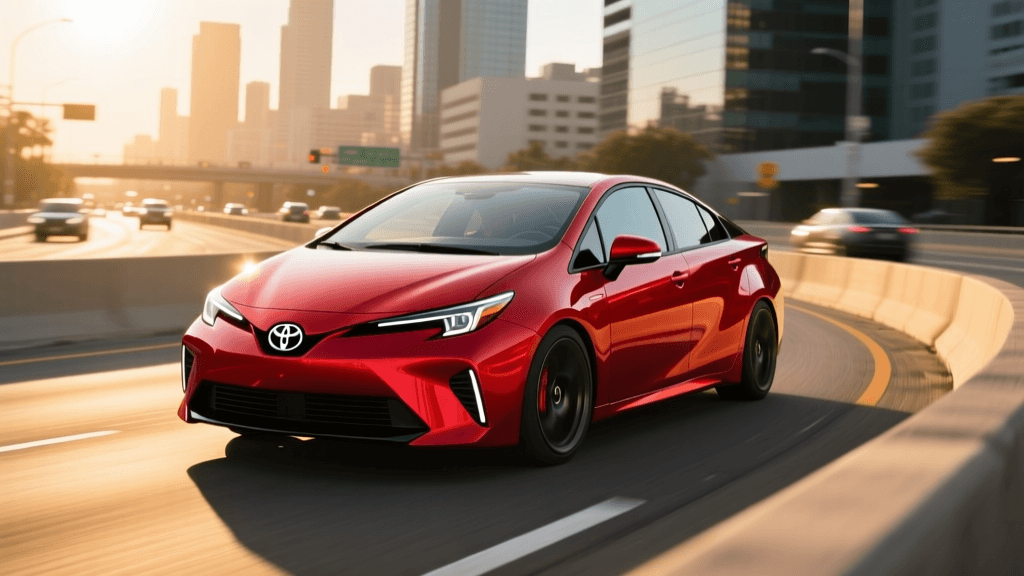
1. 2025 Toyota Camry Hybrid (The Efficiency King)
Toyota is doubling down on its hybrid dominance with the fully redesigned 2025 Camry, which is now offered exclusively as a hybrid. Utilizing the fifth-generation Toyota Hybrid System (THS), the new Camry pairs a 2.5-liter four-cylinder engine with up to three electric motors in its all-wheel-drive configurations. Expected to deliver a combined 225 horsepower and an astounding EPA-estimated 51 MPG in the FWD LE trim, the Camry sets the benchmark for midsize sedan efficiency. For buyers prioritizing low cost of ownership and bulletproof reliability, this remains the undisputed segment leader.
2. 2025 Hyundai Tucson PHEV (The Commuter's Choice)
The refreshed 2025 Hyundai Tucson Plug-In Hybrid addresses one of the biggest complaints of previous PHEV iterations: charging speed and electric range. Hyundai has upgraded the battery pack and onboard charging capabilities, targeting an estimated 35 miles of pure electric range and a 7.2 kW onboard charger. This means commuters can handle daily round-trips without using a drop of gasoline, while the 1.6-liter turbocharged engine ensures ample power (261 hp combined) for weekend road trips. Its updated infotainment and advanced driver assistance systems (ADAS) make it a top-tier family hauler.
3. 2025 Honda Accord Hybrid (The Tech-Forward Cruiser)
Honda’s fourth-generation two-motor hybrid system continues to refine the driving experience in the 2025 Accord Hybrid. Unlike traditional planetary gearset hybrids, Honda’s system operates primarily as a series hybrid, where the gasoline engine acts as a generator to power the electric drive motor for a smoother, EV-like feel at city speeds. Generating 204 horsepower and an estimated 48 MPG combined, the Accord Hybrid appeals to driving enthusiasts who refuse to sacrifice steering feel and chassis dynamics for fuel economy.
4. 2025 Kia Sportage Hybrid (The Value All-Rounder)
Kia continues to offer immense value with the 2025 Sportage Hybrid and PHEV variants. Built on the same N3 platform as the Tucson, the Sportage distinguishes itself with a more polarizing, futuristic interior design and a slightly more aggressive starting MSRP. The standard HEV model targets 43 MPG combined, while the PHEV variant offers roughly 34 miles of electric range. It is an excellent choice for budget-conscious buyers who still demand premium interior materials and class-leading cargo space.
2025 Hybrid Launch Specifications Comparison
| Model | Powertrain Type | Combined Horsepower | Expected MPG / EV Range | Est. Battery Capacity |
|---|---|---|---|---|
| 2025 Toyota Camry | HEV (Series-Parallel) | 225 hp (AWD) | 51 MPG (Combined) | ~1.1 kWh (Lithium-ion) |
| 2025 Hyundai Tucson | PHEV | 261 hp | 35 miles (EV) / 35 MPG | ~13.8 kWh (Net) |
| 2025 Honda Accord | HEV (Series-Dominant) | 204 hp | 48 MPG (Combined) | ~1.3 kWh (Lithium-ion) |
| 2025 Kia Sportage | PHEV | 261 hp | 34 miles (EV) / 35 MPG | ~13.8 kWh (Net) |
Expert Tips for Evaluating Pre-Launch Hybrid Specs
When automakers release preliminary spec sheets, they often highlight peak numbers that may not translate to daily driving realities. Here is how to read between the lines like an industry expert.
Tip 1: Differentiate Between Gross and Net Battery Capacity
For PHEVs, manufacturers will often advertise the 'Gross' battery capacity (the total physical energy stored in the cells) rather than the 'Net' or usable capacity. A PHEV might boast an 18.0 kWh gross battery, but the vehicle's battery management system (BMS) will lock away top and bottom buffers to prevent degradation, leaving you with only 13.5 kWh of usable energy. Always base your electric range calculations and home charging expectations on the Net (usable) capacity, which dictates your actual daily EV mileage.
Tip 2: The Onboard Charger Bottleneck
A critical but frequently overlooked specification is the onboard charger (OBC) rating. If a new PHEV features a massive 20 kWh battery but is limited to a 3.3 kW onboard charger, it will take over six hours to recharge from empty. Conversely, models equipped with a 7.2 kW OBC can cut that charging time in half, allowing you to recharge during a quick stop at a public Level 2 charger or easily top off overnight on a standard 240V home circuit. Prioritize PHEVs with at least a 6.6 kW or 7.2 kW OBC for maximum daily utility.
Tip 3: Active Thermal Management vs. Passive Cooling
As hybrid batteries are tasked with higher discharge rates for quicker acceleration and faster regenerative braking, heat generation becomes a major factor. When researching upcoming models, check if the battery pack utilizes active liquid cooling or passive air cooling. According to the Alternative Fuels Data Center, advanced thermal management systems are crucial for maintaining battery health, ensuring consistent electric range in extreme weather, and supporting longevity over a 10-year ownership cycle.
Best Practices for Securing and Preparing for Your New Hybrid
Strategizing Your Dealership Reservation
Highly anticipated hybrids, particularly efficient SUVs and PHEVs with generous tax credit eligibility, often face immediate allocation shortages. To secure a 2025 model at MSRP, contact multiple dealerships within a 50-mile radius and ask to be placed on their official allocation waitlist. Never pay a non-refundable deposit. Reputable dealerships will allow you to place a fully refundable $500 to $1,000 hold. Furthermore, get the dealer's markup policy in writing before the vehicle arrives on the lot to avoid surprise 'market adjustment' fees.
Pre-Wiring Your Garage for PHEV Ownership
If you are purchasing a Plug-In Hybrid, relying on a standard 120V Level 1 wall outlet (which delivers roughly 1.2 kW) means a full charge could take 12 to 14 hours. Best practice dictates preparing your home infrastructure before the car is delivered. The U.S. Department of Energy recommends installing a dedicated 240V NEMA 14-50 receptacle or a hardwired Level 2 charging station. This requires a 50-amp circuit and typically costs between $500 and $1,200 depending on your electrical panel's proximity to the garage. Having this installed early ensures you can fully leverage your PHEV's electric range every single morning.
Maximizing Federal and State Incentives
Before signing the final paperwork, verify the vehicle's eligibility for the Clean Vehicle Credit. The IRS has strict battery component and critical mineral sourcing requirements that change annually. Ensure the specific trim and build date of your reserved 2025 PHEV qualifies for the up-to-$7,500 federal tax credit, and check your local utility provider for additional rebates on home charging equipment installations.
Conclusion
The 2025 hybrid lineup represents a massive leap forward in efficiency, packaging, and electric-only capability. Whether you opt for the unmatched fuel economy of the Toyota Camry Hybrid or the daily EV versatility of the Hyundai Tucson PHEV, understanding the nuances of battery specs, charging hardware, and reservation strategies will ensure you make a smart, future-proof investment. By focusing on usable battery capacity and preparing your home electrical infrastructure, you can seamlessly integrate these advanced vehicles into your daily routine.