The Minds Behind the Machine: Who Designed the Tesla Car?
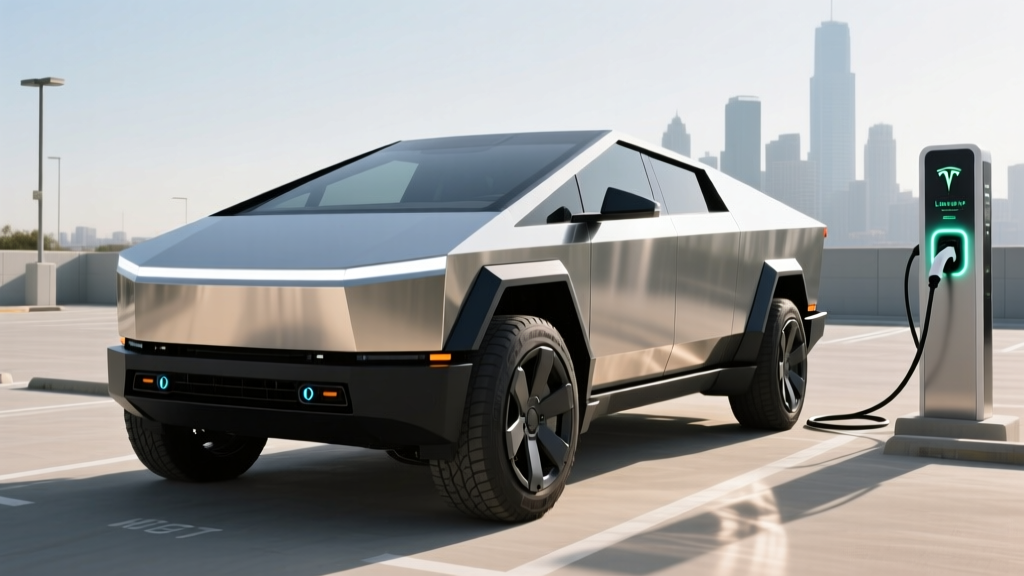
The question who designed the Tesla car doesn't have a single answer — it has a timeline of engineers, stylists, and executives who shaped Tesla's lineup from the original Roadster through the current Model Y, Model 3, Model S, Model X, and Cybertruck. Franz von Holzhausen, Tesla's Chief Designer since 2008, penned the design language that defines every Tesla on the road today. JB Straubel co-founded the company and architected its early battery and powertrain strategy. And Elon Musk, as CEO and Product Architect, has directed the overarching vision for vehicle packaging, software integration, and manufacturing innovation.
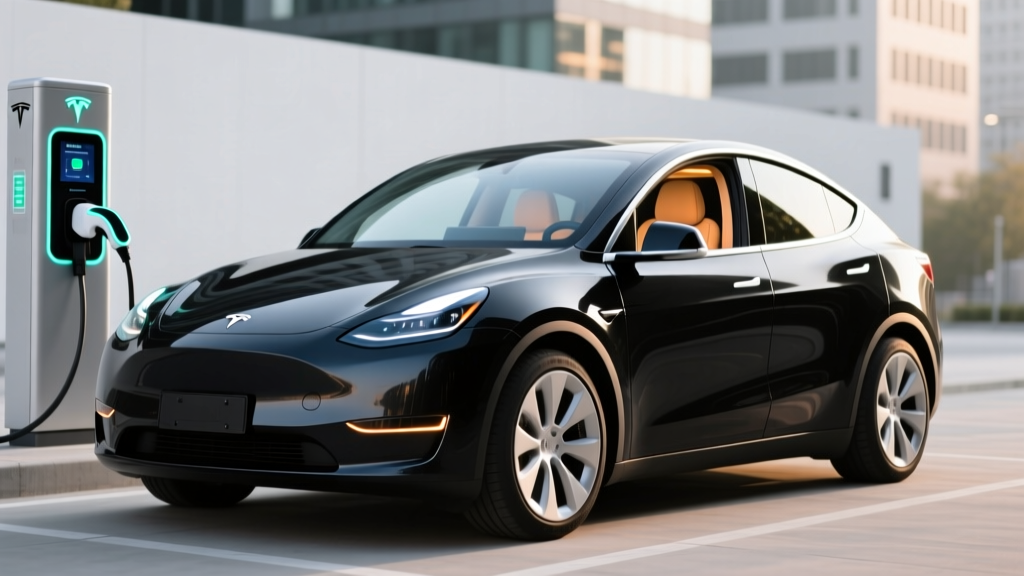
But design is only the beginning. For EV buyers in 2026, the real question is whether Tesla's engineering execution — range efficiency, charging speed, software, and build quality — still leads the pack. To answer that, we're putting the most popular Tesla, the 2026 Model Y Long Range AWD, under the microscope with exact specs, real-world data, and ownership economics.
2026 Tesla Model Y: Core Specifications at a Glance
| Spec | Value |
|---|---|
| EPA Est. Range | 320 miles |
| Battery (Usable) | ~75 kWh, NMC (Nickel Manganese Cobalt) |
| Drivetrain | Dual-Motor AWD |
| Horsepower | 384 hp (combined) |
| 0–60 mph | 4.8 seconds |
| Peak DC Fast Charge | 250 kW (Supercharger V3/V4) |
| 10–80% DC Time | ~25 minutes |
| Level 2 Home Charge | 11.5 kW (~44 mi/hr) |
| Efficiency | 122 MPGe combined / 28 kWh/100 mi |
| Cargo Volume | 72.1 cu ft (rear seats folded) |
| Rear Legroom | 38.4 inches |
| Base MSRP | $44,990 |
| Battery Warranty | 8 years / 120,000 miles |
Range and Efficiency: Sticker vs. Reality
The 2026 Model Y Long Range AWD carries an EPA-estimated 320 miles of range. That figure represents a mixed city/highway driving cycle under moderate temperatures. In real-world ownership, your mileage will shift based on speed, climate, and terrain.
EPA Sticker: 320 miles
Highway (70–75 mph, 65°F): ~270–290 miles
Cold Weather (30°F, highway): ~220–250 miles
City / Stop-and-Go (regen-heavy): ~310–330 miles
Note: Tesla's heat pump helps mitigate cold-weather losses compared to older EVs, but expect 15–25% range reduction below freezing, especially at sustained highway speeds.
Efficiency is where Tesla's design team earns its reputation. At 28 kWh per 100 miles (combined), the Model Y extracts more miles per kilowatt-hour than most competing electric crossovers. That efficiency comes from a combination of low drag coefficient (0.23 Cd), SiC (silicon carbide) inverter technology in the drive units, and aggressive regenerative braking calibration.
Charging Speed: Supercharger Network and Home Setup
Tesla's charging ecosystem remains a primary competitive advantage. The Model Y supports up to 250 kW peak on V3 and V4 Superchargers, though sustained rates taper significantly above 60% State of Charge (SoC). Here's what that looks like across charging levels:
| Charging Level | Power (kW) | Miles Added per Hour | Notes |
|---|---|---|---|
| Level 1 (120V outlet) | ~1.4 kW | ~5 mi/hr | Emergency/trickle only |
| Level 2 (240V, 48A) | 11.5 kW | ~44 mi/hr | Home Wall Connector or public L2 |
| DC Fast (Supercharger V3) | 250 kW peak | ~162 mi in 15 min | 10–80% in ~25 min; tapers above 60% |
| DC Fast (CCS adapter) | ~150–200 kW | Varies by station | Requires Tesla CCS adapter; Electrify America, EVgo, etc. |
Charging curve reality check: The 250 kW peak only holds between roughly 10–30% SoC. From 30–60%, expect 150–180 kW. Above 80%, speeds drop below 50 kW to protect the NMC battery chemistry. This is why Tesla's navigation system preconditions the battery when you route to a Supercharger — arriving with a warm battery lets you hit peak rates immediately rather than ramping up slowly.
For home charging, a Tesla Wall Connector on a 60A circuit delivers 48A continuous (11.5 kW), adding roughly 44 miles of range per hour. A full overnight charge from 20% to 80% takes about 4 hours. Installation typically runs $800–$2,000 depending on panel proximity and whether your home needs a service upgrade. Always consult a licensed electrician for final specifications.
Performance, Handling, and Daily Drivability
The dual-motor AWD powertrain delivers 384 combined horsepower and a 4.8-second 0–60 mph time. That's brisk enough to merge confidently onto any highway and overtake without drama. The instant torque delivery — no transmission downshift lag — makes the Model Y feel quicker in city driving than the numbers suggest.
Handling is competent rather than sporty. The Model Y rides on a relatively firm suspension tuned for efficiency (low rolling-resistance tires) and stability at speed. Body roll is well-controlled for a crossover, but the ride quality over broken pavement draws criticism from owners accustomed to softer luxury suspensions.
Standout tech features:
- 15.4" touchscreen with Tesla's vertically integrated infotainment (no Apple CarPlay/Android Auto — Tesla's native system handles navigation, media, and vehicle controls)
- Autopilot (SAE Level 2) — adaptive cruise + lane centering included standard
- Full Self-Driving (Supervised) — $8,000 option; still Level 2 requiring active driver supervision despite the name
- Sentry Mode / Dashcam — always-on camera recording for security
- Over-the-air updates — feature additions and performance tweaks delivered wirelessly
- Phone-as-key with Bluetooth proximity unlock
Both Autopilot and FSD (Supervised) are SAE Level 2 driver-assistance systems. They do not make the vehicle self-driving. The driver must remain attentive, keep hands on the wheel (or demonstrate engagement via torque/camera monitoring), and be prepared to take over immediately. Only Level 4 services like Waymo operate without a human driver in defined geofenced areas.
Pricing, Trim Levels, and Federal Tax Credit Eligibility
The 2026 Tesla Model Y is offered in three primary configurations:
| Trim | MSRP | Drivetrain | EPA Range |
|---|---|---|---|
| Long Range RWD | $42,990 | Rear-Wheel Drive | 330 mi |
| Long Range AWD | $44,990 | Dual-Motor AWD | 320 mi |
| Performance AWD | $48,990 | Dual-Motor AWD | 293 mi |
Federal Tax Credit (§30D) — 2026 Rules:
The Model Y qualifies for up to $7,500 in federal EV tax credits under current IRS §30D guidelines, but eligibility is not automatic. Here are the requirements:
- MSRP Cap: Vehicle must be under $80,000 (SUVs/vans/pickups). All Model Y trims qualify.
- Buyer Income Cap: Modified AGI ≤ $150,000 (single), $225,000 (head of household), $300,000 (joint). Exceed these and you lose the credit entirely.
- Battery Sourcing: The $7,500 splits into $3,750 for critical-minerals sourcing + $3,750 for battery-component manufacturing (North America). Sourcing requirements tighten annually — verify current-year compliance on fueleconomy.gov before purchasing.
- Point-of-Sale Transfer: As of 2024+, you can transfer the credit to the dealer at purchase, reducing your out-of-pocket cost directly rather than waiting for a tax refund.
Effective price after credit (Long Range AWD): $44,990 − $7,500 = $37,490 (if you meet all income and sourcing requirements). Consult a tax professional to confirm your personal eligibility.
Pros, Cons, and Who Should Buy the Model Y
- Best-in-class efficiency (28 kWh/100 mi)
- Supercharger network reliability (20,000+ stalls in North America)
- Over-the-air updates add features post-purchase
- Strong cargo capacity (72.1 cu ft) with flat load floor
- Competitive pricing after $7,500 tax credit
- Low maintenance costs (no oil, minimal brake wear from regen)
- No Apple CarPlay or Android Auto
- Firm ride quality on rough roads
- FSD (Supervised) is expensive ($8,000) and still Level 2
- Minimalist interior lacks physical buttons (climate, mirrors via screen)
- Insurance premiums run 15–30% higher than comparable ICE crossovers
- Build-quality variability (panel gaps, paint) has improved but still draws complaints
Best for: Tech-forward commuters and small families who want maximum efficiency, reliable DC fast charging for road trips, and the lowest per-mile energy cost in the electric crossover segment. The Model Y's 320-mile range and Supercharger access make it one of the most practical EVs for drivers who regularly travel 200+ miles between home and destinations.
Consider alternatives if: You prioritize ride comfort over efficiency, need Apple CarPlay, or want a more traditionally styled interior with physical controls. The Hyundai Ioniq 5 and Ford Mustang Mach-E offer softer rides and more conventional interfaces, though with slightly lower efficiency and (in some regions) less reliable public charging.
Frequently Asked Questions
What is the real-world range of the 2026 Tesla Model Y?
The EPA rates the Long Range AWD at 320 miles. In real-world highway driving at 70–75 mph in moderate temperatures, expect 270–290 miles. In freezing conditions, that drops to 220–250 miles. City driving with heavy regenerative braking can exceed the EPA estimate, reaching 310–330 miles.
How fast does the Model Y charge at home and on the road?
On a Level 2 home charger (11.5 kW), the Model Y gains approximately 44 miles of range per hour, fully charging from 20–80% overnight in about 4 hours. On a V3 Supercharger (250 kW peak), it charges from 10–80% in roughly 25 minutes, though the charge curve tapers significantly above 60% SoC.
Does the 2026 Model Y qualify for the $7,500 federal EV tax credit?
Yes — if you meet IRS requirements. The Model Y's MSRP is under the $80,000 SUV cap. You must have a modified AGI below $150K (single), $225K (head of household), or $300K (joint). Battery sourcing requirements also apply and tighten annually. Verify on fueleconomy.gov and consult a tax professional before relying on the credit.
Is the Model Y worth buying over competitors like the Ioniq 5 or Mach-E?
The Model Y wins on efficiency, Supercharger network access, and cargo space. The Ioniq 5 offers faster peak charging (up to 350 kW on 800V architecture), a more comfortable ride, and Apple CarPlay. The Mach-E provides a more traditional driving experience. If charging infrastructure reliability is your top priority, the Tesla ecosystem still leads in most US regions.
Who designed the Tesla car originally?
Franz von Holzhausen has been Tesla's Chief Designer since 2008, responsible for the design language of the Model S, 3, X, Y, and Cybertruck. JB Straubel co-founded Tesla and led early battery and powertrain engineering. Elon Musk, as CEO and Product Architect, directs overall vehicle strategy and manufacturing decisions.
How long will the Model Y battery last?
Tesla warranties the Model Y's battery for 8 years or 120,000 miles, whichever comes first, with a minimum 70% capacity retention guarantee. Real-world data from high-mileage Tesla owners suggests NMC batteries in the Model Y typically retain 85–90% capacity at 100,000 miles when charged primarily to 80% daily and DC fast-charged moderately. Full battery replacement, if ever needed, currently costs approximately $12,000–$16,000 depending on labor and pack availability.