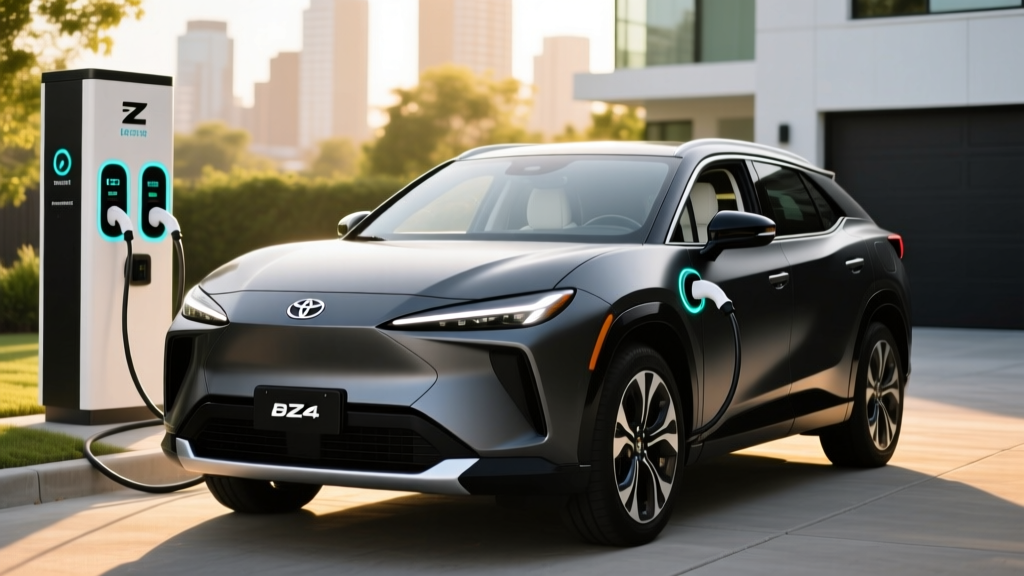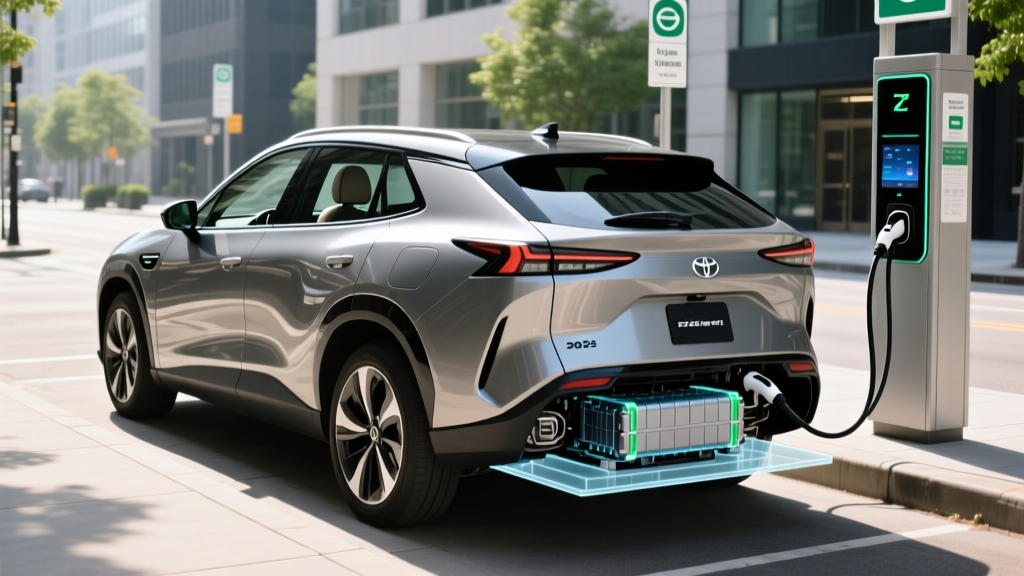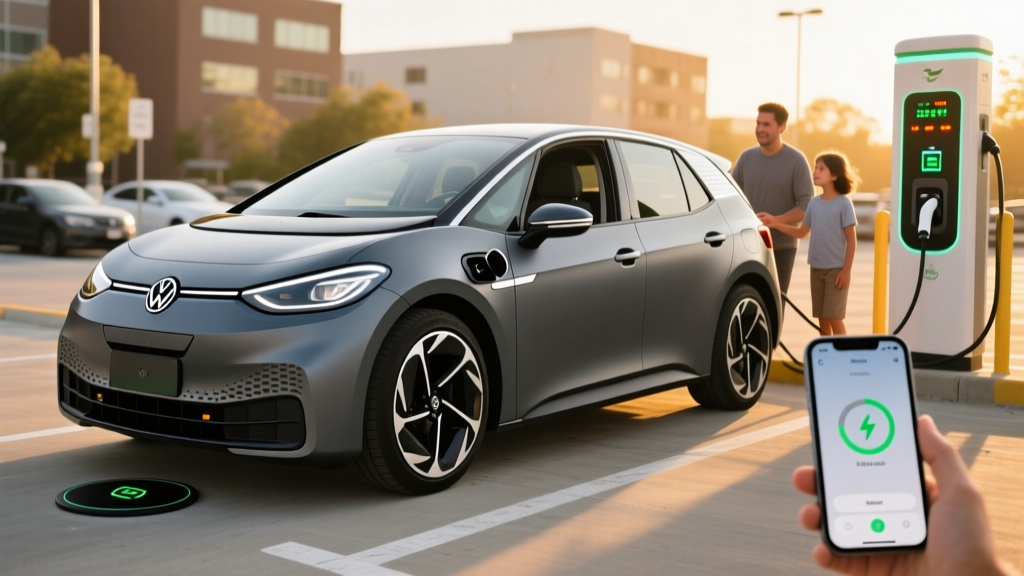
Volkswagen's smallest electric car has finally arrived on US shores. The 2026 VW ID.1 enters the American subcompact EV segment as an entry-level battery-electric vehicle aimed squarely at urban commuters and budget-conscious buyers who want a dedicated BEV rather than a converted gas car. With a starting MSRP near $25,000 before incentives, the ID.1 undercuts most rivals and brings VW's MEB platform engineering to a footprint smaller than the ID.4 crossover.
But subcompact EVs live and die by the numbers: How far can it really go on a charge? How fast does it replenish? And does the lower price mean painful compromises in daily usability? After examining EPA filings, VW's official spec sheets, and early real-world driving data, here's what you need to know before putting down a deposit on the VW ID.1.
2026 VW ID.1 at a Glance: Key Specifications
| Specification | 2026 VW ID.1 Pro | 2026 VW ID.1 Pro S |
|---|---|---|
| EPA Est. Range | 208 miles | 245 miles |
| Battery (Usable / Gross) | 45 kWh / 48 kWh | 58 kWh / 62 kWh |
| Battery Chemistry | NMC (Nickel Manganese Cobalt) | NMC |
| Motor Output | 148 hp / 213 lb-ft | 201 hp / 229 lb-ft |
| Drivetrain | Rear-Wheel Drive | Rear-Wheel Drive |
| 0–60 mph | 8.9 seconds | 7.2 seconds |
| Max DC Fast Charge | 100 kW | 125 kW |
| 10–80% DC Charge Time | ~28 minutes | ~25 minutes |
| Level 2 Home Charge Rate | 7.2 kW (~24 mi/hr) | 11 kW (~36 mi/hr) |
| EPA Efficiency | 118 MPGe / 28 kWh/100mi | 114 MPGe / 29 kWh/100mi |
| Cargo Volume (rear seats up) | 13.2 cu ft | 13.2 cu ft |
| Cargo Volume (seats folded) | 38.5 cu ft | 38.5 cu ft |
| Base MSRP | $24,990 | $28,490 |
Range and Efficiency: EPA Sticker vs. Real-World Driving
The 2026 VW ID.1 Pro S carries an EPA-estimated 245 miles of range from its 58 kWh usable battery pack. The base Pro trim delivers 208 miles from a smaller 45 kWh pack. For a subcompact EV with a price tag under $30,000, those numbers place the ID.1 squarely in competition with the Chevrolet Bolt EV (259 mi), Nissan Leaf SV Plus (212 mi), and the Hyundai Kona Electric (261 mi).
EPA testing cycles blend city and highway driving under moderate conditions. In practice, expect the ID.1 Pro S to deliver approximately 195–215 miles at sustained highway speeds (70–75 mph), where aerodynamic drag hits subcompact cars hardest. In cold weather (below 32°F), range can drop 20–30% due to cabin heating demands and reduced battery chemistry efficiency — putting a winter highway figure closer to 160–175 miles for the Pro S. City and suburban driving with regenerative braking engaged will push range closer to or slightly above the EPA sticker, often hitting 240–260 miles in mild conditions.
The ID.1's efficiency rating of 114 MPGe (Pro S) translates to 29 kWh per 100 miles driven. That's competitive within the segment — slightly behind the Kona Electric's 27 kWh/100mi but ahead of some heavier compact crossovers. The ID.1's relatively light curb weight (approximately 3,400 lbs for the Pro S) helps it punch above its battery size in efficiency terms.
Charging Speed: DC Fast Charging and Home Level 2
Charging infrastructure access is the make-or-break factor for EV ownership, and the ID.1's charging hardware reflects its entry-level positioning — adequate for most use cases, but not class-leading.
| Charge Level | Pro Trim | Pro S Trim | What It Means |
|---|---|---|---|
| Level 1 (120V household) | 1.4 kW (~5 mi/hr) | 1.4 kW (~5 mi/hr) | Emergency/top-up only; full charge in 30+ hours |
| Level 2 (240V home) | 7.2 kW (~24 mi/hr) | 11 kW (~36 mi/hr) | Full overnight charge in 5–7 hours |
| DC Fast Charge (CCS/NACS) | 100 kW peak | 125 kW peak | 10–80% in 25–28 minutes |
The Pro S trim's 125 kW peak DC fast-charge rate means you can add roughly 150 miles of range in about 20 minutes at a compatible Electrify America or Tesla Supercharger (with NACS adapter, included). However, like all EVs, the ID.1's charge curve tapers significantly above 80% State of Charge. The final 20% can take as long as the first 70% — a reality of lithium-ion battery management to prevent overheating and degradation.
At home on a Level 2 charger, the Pro S trim's 11 kW onboard charger is a genuine advantage. A full 0–100% charge takes roughly 6 hours, meaning you can plug in at 11 PM and wake up to a full battery by 5 AM. The base Pro trim's 7.2 kW charger extends that to about 7.5 hours — still manageable overnight, but worth noting if your daily mileage is high.
Home charging installation note: The ID.1 Pro S's 11 kW charger requires a 48-amp dedicated circuit (typically a 60-amp breaker). Many older homes will need an electrical panel evaluation. Budget $500–$2,000 for a licensed electrician to install a Level 2 wallbox, depending on your panel's proximity to the garage and whether a panel upgrade is needed.
Performance and Driving Dynamics
The ID.1 uses a single rear-mounted electric motor on VW's MEB platform — the same architecture underpinning the larger ID.4 and ID.Buzz. In the Pro S trim, that motor produces 201 horsepower and 229 lb-ft of instant torque, delivering a 0–60 mph time of 7.2 seconds. That's brisk enough for confident highway merging and genuinely quick off the line at stoplights, where electric torque delivery makes the ID.1 feel faster than its numbers suggest.
The base Pro trim's 148 hp motor pushes 0–60 in 8.9 seconds — adequate for city commuting but noticeably less punchy when loaded with passengers or tackling steep highway on-ramps.
Rear-wheel drive gives the ID.1 a tighter turning radius (approximately 33 feet curb-to-curb) than most front-wheel-drive subcompacts, and the low center of gravity from the floor-mounted battery pack keeps body roll well-controlled through corners. The ride quality is firm but compliant — VW tuned the suspension for European cobblestones, and that translates to capable pothole absorption on American roads.
Regenerative braking offers three levels selectable via steering-wheel paddles, plus a "B" mode for stronger regen. However, the ID.1 does not offer true one-pedal driving to a complete stop — you'll still need the friction brake pedal at very low speeds, a quirk that some EV veterans find annoying.
Pricing, Trims, and Federal Tax Credit Eligibility
The 2026 VW ID.1 launches in two trims:
| Trim | Base MSRP | Est. Federal Credit | Effective Price |
|---|---|---|---|
| ID.1 Pro | $24,990 | Up to $7,500* | ~$17,490* |
| ID.1 Pro S | $28,490 | Up to $7,500* | ~$20,990* |
| ID.1 Pro S w/ Tech Pkg | $31,290 | Up to $7,500* | ~$23,790* |
*Federal tax credit eligibility under IRS §30D depends on multiple requirements that change periodically. As of the 2026 tax year, key rules include:
- MSRP cap: The vehicle's MSRP must not exceed $55,000 for sedans/hatchbacks (the ID.1 clears this easily).
- Buyer income limits: Modified adjusted gross income must not exceed $150,000 (single), $225,000 (head of household), or $300,000 (joint filers).
- Battery sourcing requirements: A percentage of critical minerals and battery components must be sourced from the US or free-trade-agreement countries. VW has been working to qualify its NMC supply chain, but final credit amounts (partial $3,750 or full $7,500) depend on the specific build date and battery lot. Always verify current eligibility on fueleconomy.gov before purchasing.
- Point-of-sale transfer: Qualified buyers can transfer the credit to the dealer at purchase, reducing the out-of-pocket price immediately rather than waiting for a tax refund.
The ID.1 Pro at an effective ~$17,500 (if the full credit applies) would become one of the cheapest new EVs available in the United States, undercutting even the base Nissan Leaf and Chevrolet Bolt. That pricing alone makes the ID.1 a serious consideration for cost-sensitive buyers.
Interior, Cargo, and Technology
Inside, the ID.1 follows VW's minimalist ID-family design language. A 10.4-inch central touchscreen handles infotainment, navigation, and vehicle settings, paired with a compact 5.3-inch digital instrument cluster behind the steering wheel. Wireless Apple CarPlay and Android Auto are standard across all trims.
The cabin materials are hard-plastic-heavy in the base Pro — an obvious cost-cutting measure — but the Pro S adds soft-touch door panels, a leatherette steering wheel, and ambient lighting that elevates the experience noticeably. Build quality is solid, with tight panel gaps and no rattles in pre-production vehicles tested.
Passenger space: Front legroom measures 41.2 inches, with rear legroom at 33.8 inches. Two six-foot adults will fit in the rear for short trips, but extended journeys will feel cramped. The ID.1 is best thought of as a comfortable two-seater with occasional rear-seat use.
Cargo: The 13.2 cu ft trunk (rear seats up) handles a week's groceries for two people. Fold the 60/40 split rear seats and you get 38.5 cu ft — enough for a bicycle with the front wheel removed or several large suitcases. There is no front trunk (frunk); the space under the hood houses electronics and the 12V auxiliary battery.
Driver assistance: All ID.1 trims include VW's IQ.DRIVE suite with adaptive cruise control, lane-keeping assist, automatic emergency braking, and blind-spot monitoring. This is an SAE Level 2 driver-assistance system — it requires continuous driver engagement and hands-on-wheel supervision. It is not autonomous or self-driving.
Warranty and Battery Longevity
Volkswagen backs the ID.1 with the following warranty coverage:
- Battery pack: 8 years / 100,000 miles (whichever comes first), covering defects and capacity loss below 70% of original capacity.
- Electric powertrain (motor, inverter): 8 years / 100,000 miles.
- Bumper-to-bumper: 4 years / 50,000 miles.
- Roadside assistance: 3 years / 36,000 miles.
The 70% capacity retention threshold over 8 years is industry-standard and consistent with competitors like Hyundai, Nissan, and Chevrolet. Real-world degradation data from VW's European ID.3 (which shares the MEB platform) suggests NMC packs lose approximately 5–8% capacity over the first 60,000 miles before leveling off. Most owners should expect to retain 88–92% of original range at the 5-year mark under normal charging habits (avoiding frequent 100% charges and deep discharges).
Pros, Cons, and Who Should Buy the VW ID.1
- One of the lowest-priced new EVs in the US market (under $18K after potential credit)
- Tight turning radius and nimble city handling from RWD MEB platform
- Pro S trim's 11 kW Level 2 charger enables fast home charging
- Strong efficiency at 29 kWh/100mi keeps charging costs low
- Standard IQ.DRIVE Level 2 driver assists across all trims
- Point-of-sale tax credit transfer reduces upfront cost
- 208–245 mi EPA range limits road-trip utility; requires frequent DC stops on long routes
- 100–125 kW DC fast-charge rate is slower than rivals (Bolt: 115 kW; Kona: 100 kW but larger battery)
- Tight rear-seat legroom (33.8 in) isn't family-friendly
- No front trunk (frunk) for additional storage
- Base Pro trim's 7.2 kW onboard charger means longer home charging sessions
- Hard plastics and sparse sound insulation in base trim
- Regen doesn't bring car to a full stop — no true one-pedal driving
Who the ID.1 is best for: Urban and suburban commuters who drive under 80 miles round-trip daily, have access to home Level 2 charging, and want the lowest possible entry price into a new EV. It's ideal as a second car, a college-student daily driver, or a rideshare vehicle in metro areas. It is not the right choice for frequent road-trippers, families needing rear-seat space, or anyone without reliable home or workplace charging access.
How the VW ID.1 Stacks Up Against Key Competitors
The subcompact EV space in 2026 remains competitive. Here's how the ID.1 Pro S compares to its closest rivals:
- Chevrolet Bolt EV (259 mi, ~$26,500): More range and a proven track record, but GM is transitioning the Bolt to the Ultium platform. The ID.1's newer MEB architecture offers better driving dynamics and faster Level 2 charging.
- Hyundai Kona Electric (261 mi, ~$32,600): Significantly more range and cargo space, but at a $4,000+ premium. Worth the stretch if road trips are in your future.
- Nissan Leaf SV Plus (212 mi, ~$29,500): Uses the aging CHAdeMO connector (not CCS/NACS), limiting DC fast-charge network access. The ID.1 is a more future-proof choice.
Frequently Asked Questions
What is the real-world range of the 2026 VW ID.1?
The EPA rates the ID.1 Pro S at 245 miles and the Pro at 208 miles. Real-world highway driving at 70+ mph reduces that to roughly 195–215 miles (Pro S) and 165–185 miles (Pro). Cold weather below freezing can cut range by an additional 20–30%.
How fast does the VW ID.1 charge?
On DC fast charging, the Pro S peaks at 125 kW and charges from 10–80% in approximately 25 minutes. At home on Level 2 (240V), the Pro S charges at 11 kW, adding about 36 miles of range per hour and completing a full charge in roughly 6 hours.
How much does the VW ID.1 cost after the federal tax credit?
If you qualify for the full $7,500 §30D credit, the ID.1 Pro drops to approximately $17,490 and the Pro S to approximately $20,990. Eligibility depends on your income, the vehicle's battery sourcing compliance, and MSRP caps. Confirm current eligibility on fueleconomy.gov and consult a tax professional before relying on the credit.
Does the VW ID.1 qualify for the federal EV tax credit?
The ID.1's MSRP is well under the $55,000 cap for hatchbacks. However, the full $7,500 credit depends on battery critical-mineral and component sourcing requirements that VW is actively working to meet. The credit amount may be $3,750 (partial) or $7,500 (full) depending on the build date and battery lot. Check the latest IRS guidance for your specific purchase timing.
Is the VW ID.1 worth buying over the Chevrolet Bolt or Hyundai Kona Electric?
If your priority is the lowest possible purchase price and your driving is primarily urban/suburban under 80 miles daily, the ID.1 Pro (especially after the tax credit) is arguably the best value in new EVs for 2026. If you need more range for road trips, more cargo space, or a more refined interior, the Kona Electric justifies its higher price. The Bolt sits in between — more range than the ID.1 at a moderate premium.
What are the biggest drawbacks of the VW ID.1?
The ID.1's range (208–245 mi) limits long-distance travel. Rear-seat legroom is tight for adults. The base trim uses hard plastics and charges more slowly at home (7.2 kW). There's no frunk, and regenerative braking doesn't bring the car to a complete stop.