The VW ID Polo: Europe's Compact EV That Won't Cross the Atlantic
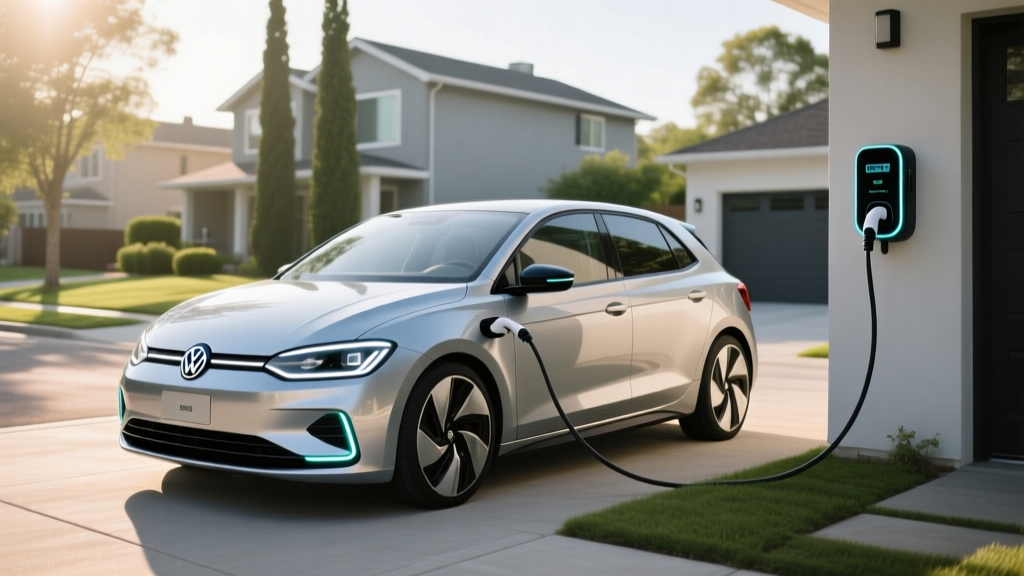
If you've been searching for the VW ID Polo USA release date, here's the honest answer: Volkswagen has not announced plans to sell the ID Polo in the United States, and as of 2026, it remains a Europe-only model. The ID Polo — built on VW's MEB Entry (MEB21) platform — debuted as a production vehicle for European markets in 2025, targeting the affordable compact EV segment that European buyers love but that American automakers have largely abandoned.
That doesn't mean the ID Polo isn't worth studying. For US-based EV shoppers, it reveals where the sub-$30,000 electric hatchback market is heading, what battery technology VW is deploying in its smallest vehicles, and which competitors you can actually buy stateside. This profile breaks down every confirmed spec, explains why VW is keeping the ID Polo across the pond, and maps out the realistic alternatives for American buyers.
Confirmed Specs: Battery, Range, and Efficiency
The ID Polo launched in Europe with a choice of battery packs and motor outputs. Here's what Volkswagen has confirmed for the production model:
| Specification | ID Polo (Base) | ID Polo (Long Range) |
|---|---|---|
| Battery (gross / usable) | 37 kWh / ~34 kWh | 52 kWh / ~48 kWh |
| Battery chemistry | LFP (lithium iron phosphate) | NMC (nickel manganese cobalt) |
| WLTP range | ~171 mi (275 km) | ~263 mi (423 km) |
| Estimated EPA range | ~145 mi | ~220 mi |
| Motor output | 114 hp (85 kW) | 208 hp (155 kW) |
| Drivetrain | Front-wheel drive | Front-wheel drive |
| 0-62 mph (0-100 km/h) | ~10.0 sec | ~7.0 sec |
| Estimated MPGe (combined) | ~110 MPGe | ~115 MPGe |
The WLTP testing cycle used in Europe produces more optimistic range figures than the US EPA cycle. For the Long Range ID Polo, expect a realistic EPA-equivalent range of roughly 220 miles. In real-world highway driving at 70+ mph, plan for approximately 180-195 miles before needing to charge. In cold weather (below 32°F / 0°C), range can drop an additional 20-30%, putting winter highway range closer to 140-160 miles. LFP chemistry in the base model also means slightly more sensitivity to cold-weather range loss compared to NMC.
The decision to use LFP cells in the base trim is significant. LFP batteries sacrifice some energy density for lower cost, longer cycle life, and no cobalt or nickel — making them more affordable and ethically straightforward to source. VW can recommend charging LFP packs to 100% daily without the same degradation concerns that NMC packs carry. However, LFP's lower energy density is why the base model's range is substantially shorter despite a not-dramatically-smaller battery.
Charging Speed: DC Fast and Home Level 2
Charging speed is where the ID Polo's compact platform shows its limitations compared to VW's larger MEB vehicles like the ID.4 and ID.7.
| Charging Level | Rate | Estimated Time | Miles Added |
|---|---|---|---|
| Level 1 (120V household) | ~1.4 kW | ~34 hrs (0-100%, LR) | ~3-4 mi/hr |
| Level 2 (240V, 7.2 kW onboard) | 7.2 kW | ~7 hrs (0-100%, LR) | ~22-25 mi/hr |
| DC Fast Charge (peak) | ~80 kW (LR) / ~50 kW (Base) | ~28 min (10-80%, LR) | ~130 mi in 20 min |
The Long Range model's peak DC fast-charge rate of approximately 80 kW is modest by 2026 standards. For comparison, the Hyundai Kona Electric peaks around 100 kW, and the Chevrolet Bolt EV (now discontinued but widely available used) was limited to 55 kW. The ID Polo's 80 kW peak means a 10-80% charge in roughly 28 minutes under ideal conditions — adequate for urban errands but frustrating for road trips.
The charge curve matters here. VW's smaller MEB platform lacks the advanced thermal management systems found in the ID.4 or the 800V architectures in vehicles like the Hyundai Ioniq 5. Expect the ID Polo to sustain peak charge rates only between roughly 10-50% state of charge, tapering significantly above 70%. This is standard behavior for vehicles in this class, but it means your actual charging stop will likely take 35-40 minutes to reach a comfortable 80-85% SoC.
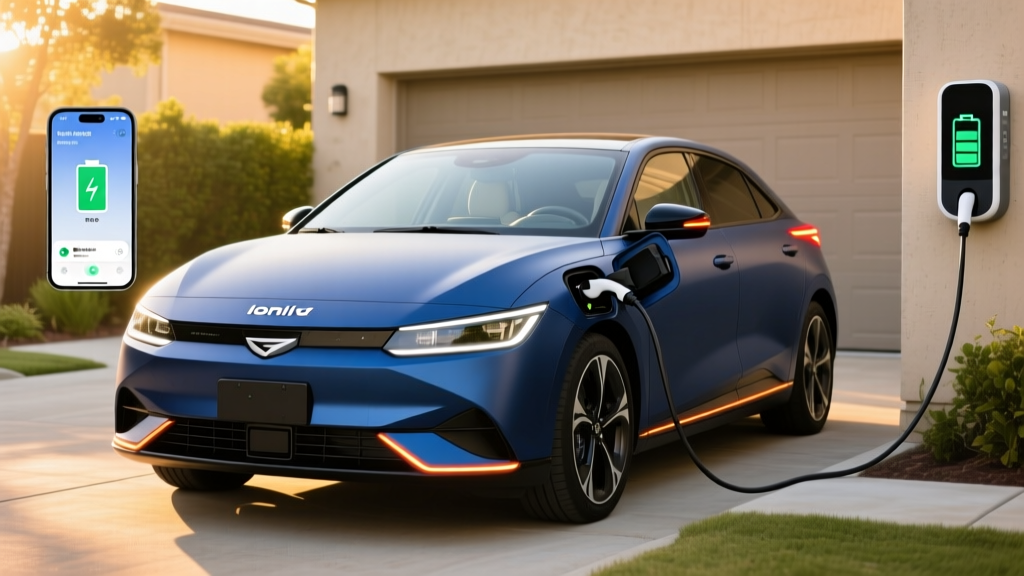
Home charging on a Level 2 circuit at 7.2 kW is perfectly adequate for overnight replenishment. A full charge takes about 7 hours for the Long Range model — plug in when you get home, wake up to a full battery every morning. If you're installing a home Level 2 charger, a standard 40-amp circuit with a NEMA 14-50 outlet or hardwired wallbox will handle the ID Polo's onboard charger without requiring a panel upgrade in most homes.
Pricing: European MSRP and the US Tax Credit Question
The ID Polo launched in Europe with pricing starting around €25,000 (~$27,500 USD at early 2026 exchange rates) for the base LFP model and approximately €30,000 (~$33,000) for the Long Range variant. VW has positioned it as one of the most affordable EVs in its European lineup, undercutting the ID.3 and competing directly with the Renault 5 E-Tech and the upcoming Citroën ë-C3.
Since the ID Polo is not sold in the United States, federal tax credit eligibility under IRS §30D is a moot point. However, if VW were to import it, the following rules would apply:
- MSRP cap: Hatchbacks must be priced at or below $55,000 to qualify — the ID Polo would clear this easily.
- Buyer income cap: Adjusted gross income must not exceed $150,000 (single) / $300,000 (joint) — varies by buyer.
- Battery sourcing: Critical minerals and battery components must meet escalating domestic-content thresholds that tighten annually through 2029. VW's European supply chain would need significant restructuring to comply.
- Point-of-sale transfer: Eligible buyers can transfer up to $7,500 to the dealer at purchase, reducing the upfront price.
The battery-sourcing requirement is the most likely barrier. Even if VW decided to sell the ID Polo in the US, the current supply chain for its LFP cells (largely sourced from Chinese manufacturers like CATL) would likely disqualify it from the full credit under 2026 critical-mineral rules. This is a challenge that affects nearly every affordable EV using LFP chemistry.
Interior, Cargo, and Practicality
The ID Polo is dimensionally similar to the gas-powered Polo — a B-segment hatchback that sits below the Golf in VW's lineup. It's designed for European cities with narrow streets and tight parking, which means it's smaller than what most American buyers expect.
| Dimension | ID Polo (Estimated) | US Comparison: Chevy Bolt EV |
|---|---|---|
| Length | ~160 in (4,065 mm) | 163.2 in |
| Wheelbase | ~102 in (2,600 mm) | 102.4 in |
| Rear legroom | ~34 in | 35.6 in |
| Cargo (behind rear seats) | ~13 cu ft | 16.6 cu ft |
| Cargo (seats folded) | ~38 cu ft | 56.6 cu ft |
For US buyers accustomed to crossover SUVs, the ID Polo's cargo volume and rear-seat space will feel tight. It's a solid two-person daily driver with occasional rear-seat use, but it's not a family hauler. There's no front trunk (frunk) — the MEB Entry platform uses the front space for power electronics and the HVAC system.
Interior tech includes a 10.4-inch central touchscreen running VW's latest ID.Software interface, wireless Apple CarPlay and Android Auto, a digital instrument cluster, and VW's IQ.DRIVE suite of Level 2 driver-assist features (adaptive cruise control, lane centering, automatic emergency braking). VW has moved away from the capacitive-touch steering wheel controls that drew widespread criticism in earlier ID models, returning to physical buttons — a welcome improvement.
Why VW Isn't Selling the ID Polo in the USA
Three structural factors explain the ID Polo's absence from the American market:
1. Size mismatch. The B-segment hatchback is a European staple but has historically struggled in the US. The last VW Polo-generation vehicle sold in America was effectively the original Rabbit decades ago. US buyers have overwhelmingly shifted to crossovers and SUVs — VW's own ID.4 is its best-selling EV in the States for exactly this reason.
2. Compliance and homologation cost. Bringing a new model to the US requires meeting NHTSA crash standards, EPA emissions (yes, even for EVs — certification is required), 50-state compliance, and building a dealer service network. For a low-margin compact car, the investment is hard to justify when VW's US EV strategy is focused on higher-margin SUVs like the ID.4 and the upcoming ID.7-based crossover.
3. Tax credit ineligibility. As noted above, the ID Polo's LFP battery supply chain would likely fail the §30D critical-mineral requirements, meaning it couldn't compete on price against US-built or credit-eligible rivals. A $27,500 car that doesn't qualify for the $7,500 credit effectively costs $35,000 — putting it in direct competition with far more practical options.
Best US Alternatives to the VW ID Polo
If the ID Polo's mission — an affordable, efficient, compact electric commuter — appeals to you, here are the closest vehicles you can actually buy in the United States:
- Federal tax credit eligibility (up to $7,500)
- Full dealer/service network
- EPA-certified range and safety ratings
- Larger size suits US roads and families
- Access to US charging networks
- Most US alternatives are larger and pricier
- True sub-$30K EV options are limited
- Compact hatchbacks have poor US resale values
- Some alternatives use older platforms
- Fewer LFP battery options in the US market
| Model | EPA Range | Base MSRP | Battery | DC Fast Charge |
|---|---|---|---|---|
| Nissan LEAF (2025) | 212 mi | ~$28,140 | 60 kWh NMC | 100 kW peak |
| Hyundai Kona Electric (2025) | 261 mi | ~$32,675 | 65 kWh NMC | 100 kW peak |
| VW ID.4 (2025, RWD) | 275 mi | ~$39,735 | 82 kWh NMC | 170 kW peak |
| Chevrolet Equinox EV (2025) | 319 mi | ~$33,600 | 85 kWh NMC | 150 kW peak |
The Hyundai Kona Electric is the closest spiritual equivalent to the ID Polo in the US market: a compact hatchback/crossover with competitive range, reasonable pricing, and decent charging speed. After the $7,500 federal credit (if eligible), the Kona Electric can drop below $26,000 — undercutting the ID Polo's European price in real terms while offering more range, more cargo space, and full US support.
Warranty and Ownership Considerations
For the European-market ID Polo, VW offers a battery warranty of 8 years / 160,000 km (~100,000 miles), guaranteeing a minimum of 70% state of health (SoH) over that period. This aligns with industry standards and matches the warranty VW offers on its US-market EVs like the ID.4.
The vehicle warranty in Europe is 3 years / 60,000 km, which is typical for the European market but shorter than what US buyers expect. If VW ever brought the ID Polo stateside, it would likely adopt the 4-year/50,000-mile bumper-to-bumper and 8-year/100,000-mile battery warranty that it currently offers on US-market ID models to remain competitive.
Long-term battery degradation data for the MEB Entry platform is still limited since the ID Polo only entered production in 2025. However, LFP chemistry in the base model generally shows slower degradation than NMC over thousands of cycles — real-world data from other LFP-equipped vehicles (Tesla Model 3 Standard Range, BYD models) suggests 10-15% capacity loss over 100,000 miles is typical.
Who Should Consider the ID Polo (and Who Shouldn't)
- European urban commuters who need a compact, easy-to-park EV
- Buyers prioritizing low purchase price over long range
- Second-car households needing an efficient city runabout
- Drivers who can charge at home and rarely take long trips
- Live in the United States (it's not sold here)
- Need 300+ miles of range for road trips
- Want fast DC charging for highway travel
- Need cargo space for family duties
- Live in a region with extreme cold (LFP range loss is significant)
Frequently Asked Questions
Will the VW ID Polo ever be sold in the USA?
As of 2026, Volkswagen has made no official announcement about bringing the ID Polo to the US market. VW's American EV strategy focuses on SUVs and crossovers (ID.4, ID.7-based models) that align with US buyer preferences. A US launch is unlikely before 2028 at the earliest, and would require significant supply chain changes to qualify for federal tax credits.
What is the real-world range of the VW ID Polo?
The Long Range model's WLTP rating is approximately 263 miles, but the more realistic EPA-equivalent figure is around 220 miles. In real-world highway driving, expect 180-195 miles. Cold weather reduces this further to roughly 140-160 miles. The base LFP model offers significantly less — approximately 145 miles EPA-equivalent, with real-world highway range around 120 miles.
How fast does the ID Polo charge?
The Long Range model peaks at approximately 80 kW on a DC fast charger, achieving a 10-80% charge in about 28 minutes. The base model is limited to roughly 50 kW. Home Level 2 charging at 7.2 kW fully replenishes the Long Range battery in about 7 hours.
Does the VW ID Polo qualify for the US federal EV tax credit?
No — because the ID Polo is not sold in the United States, it cannot qualify for the IRS §30D federal tax credit. Even if VW imported it, the LFP battery's critical-mineral supply chain (largely Chinese-sourced) would likely fail the 2026 domestic-content requirements, disqualifying it from the full $7,500 credit.
What's the best US alternative to the VW ID Polo?
The Hyundai Kona Electric is the closest US-market equivalent — a compact electric hatchback/crossover with 261 miles of EPA range, 100 kW DC fast charging, and a base price around $32,675 before incentives. The Nissan LEAF (212 miles, ~$28,140) is also worth considering for budget-focused buyers, though its CHAdeMO connector limits public charging options.
Is the ID Polo's LFP battery better or worse than NMC?
It depends on your priorities. LFP offers longer cycle life, lower cost, better thermal stability, and the ability to charge to 100% regularly without accelerated degradation. The trade-off is lower energy density (meaning less range for a given battery size) and worse cold-weather performance. For a city commuter who charges at home nightly, LFP is arguably the better choice. For road-trip range, NMC wins.
Sources: Volkswagen AG official specifications, fueleconomy.gov (EPA), IRS §30D clean vehicle credit guidelines.