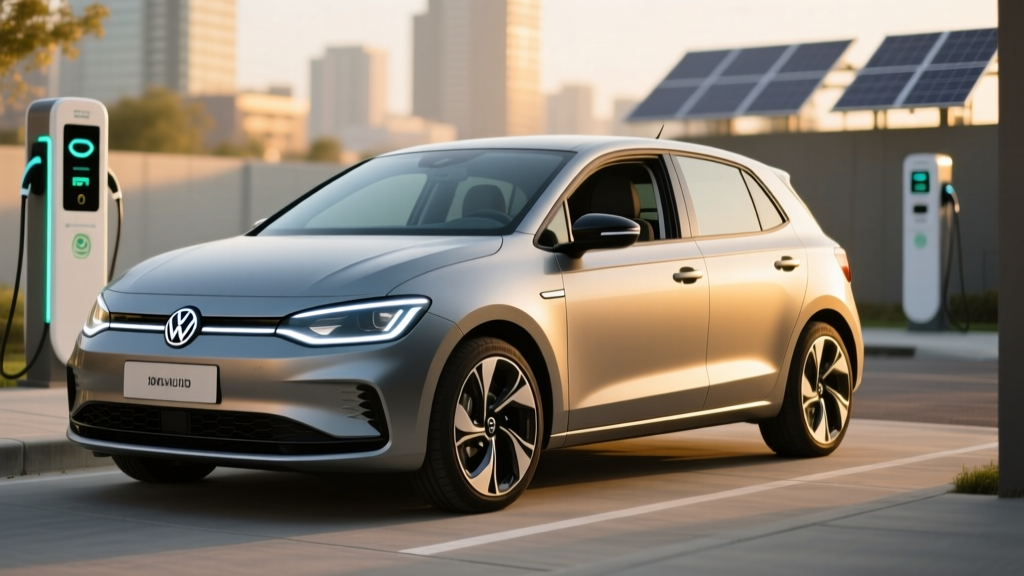
The Volkswagen ID.Polo enters the U.S. subcompact EV market as a city-friendly hatchback built on VW's MEB-entry platform. With a 52 kWh usable battery, a starting MSRP under $29,000, and DC fast charging up to 125 kW, it targets urban commuters who want a practical, affordable electric vehicle without stepping up to a crossover. Below is a data-driven breakdown of what the ID.Polo delivers—and where it falls short—based on EPA estimates, manufacturer specifications, and real-world ownership variables.
2026 VW ID.Polo Quick Specs
| Specification | 2026 VW ID.Polo (Standard) | 2026 VW ID.Polo (Pro) |
|---|---|---|
| EPA Estimated Range | 215 miles | 248 miles |
| Battery (Usable Capacity) | 39 kWh (NMC) | 52 kWh (NMC) |
| Max DC Fast Charge | 95 kW | 125 kW |
| 10–80% DC Charge Time | ~26 min | ~23 min |
| Level 2 Home Charge Rate | 7.2 kW (~24 mi/hr) | 11 kW (~36 mi/hr) |
| Horsepower | 134 hp | 201 hp |
| 0–60 mph | 8.8 sec | 6.9 sec |
| Drivetrain | RWD | RWD |
| MPGe (Combined) | 114 MPGe | 118 MPGe |
| Base MSRP | $28,495 | $32,995 |
| Battery/Powertrain Warranty | 8 years / 100,000 miles | |
Range and Efficiency: EPA Sticker vs. Real-World Driving
Real-World Expectation: ~180–200 mi highway at 70 mph; ~150–170 mi in sub-freezing winter conditions. City driving with regenerative braking can match or slightly exceed EPA estimates.
The ID.Polo Pro's 248-mile EPA rating is competitive for the subcompact segment, but the real-world picture requires nuance. Highway driving at sustained speeds above 65 mph reduces range by roughly 12–18% compared to the combined EPA cycle, based on typical EV efficiency loss patterns documented by fueleconomy.gov. Cold weather compounds this: lithium-ion NMC chemistry sees increased internal resistance below 32°F, and cabin heating draws significant energy without a heat pump on the Standard trim (the Pro includes one as standard equipment).
Efficiency-wise, the Pro trim returns 118 MPGe combined (roughly 28 kWh/100 miles), which is strong for its class. The regenerative braking system offers three levels of recuperation plus a B-mode for one-pedal-style driving in city traffic, though it doesn't bring the car to a complete hold without brake application.
Charging Speed: DC Fast Charge and Home Level 2
| Charging Level | Power / Rate | Miles Added per Hour | Notes |
|---|---|---|---|
| Level 1 (120V outlet) | 1.2 kW | ~4 mi/hr | Emergency/trickle only; ~60 hours for full charge (Pro) |
| Level 2 (240V home) | 7.2 kW (Std) / 11 kW (Pro) | 24 mi/hr / 36 mi/hr | Full charge overnight: ~6 hrs (Std), ~5.5 hrs (Pro) |
| DC Fast Charge | 95 kW (Std) / 125 kW (Pro) | N/A (10–80% in 26/23 min) | Peak rate tapers above 80% SoC; CCS1 connector |
The ID.Polo uses the CCS1 connector standard across most non-Tesla EVs in the U.S. The Pro trim's 125 kW peak DC fast-charge rate is respectable for a subcompact, but buyers should understand the charge curve reality: that peak rate applies between roughly 10–40% state of charge. Between 40–80%, the rate tapers progressively, averaging closer to 85–95 kW sustained. That's why the 10–80% time is 23 minutes rather than the theoretical ~18 minutes a sustained 125 kW would yield.
For home charging, the Pro's 11 kW onboard charger is a meaningful advantage over the Standard's 7.2 kW unit. If your home Level 2 station is wired to a 48-amp circuit (delivering ~11.5 kW), the Pro can absorb nearly all of it. The Standard trim caps at 7.2 kW regardless of your charger's output. A typical Level 2 home installation runs $600–$1,800 depending on panel capacity and run length—budget accordingly.
Performance and Driving Dynamics
The ID.Polo is rear-wheel drive across all trims, which gives it a tighter turning radius (approximately 33.5 feet curb-to-curb) and more engaging handling than front-wheel-drive subcompact competitors. The Standard trim's 134 hp is adequate for city merging and suburban commuting, while the Pro's 201 hp makes highway passing confident and even entertaining—the 6.9-second 0–60 time is quick for a car in this price bracket.
Ride quality benefits from a relatively long wheelbase for its class (approximately 102.4 inches), which smooths out potholes and expansion joints. Cabin noise levels are low at city speeds, though wind noise around the A-pillars becomes noticeable above 70 mph. The turning circle and compact dimensions (161.2 inches overall length) make it genuinely easy to park in tight urban spaces—a core reason buyers choose subcompacts.
Pricing, Trims, and Federal Tax Credit Eligibility
| Trim | Base MSRP | Destination | Est. Federal Credit (§30D) | Effective Price (if eligible) |
|---|---|---|---|---|
| ID.Polo Standard | $28,495 | $1,295 | Up to $7,500* | ~$22,290 |
| ID.Polo Pro | $32,995 | $1,295 | Up to $7,500* | ~$26,790 |
*Federal EV tax credit eligibility under IRS §30D is subject to multiple requirements:
- MSRP Cap: The ID.Polo qualifies (cap for cars is $55,000; both trims are well under).
- Buyer Income Cap: Modified AGI must not exceed $150,000 (single), $225,000 (head of household), or $300,000 (joint).
- Battery Sourcing: The full $7,500 requires meeting both critical-mineral and battery-component sourcing thresholds per current-year IRS guidance. Partial credit ($3,750) may apply if only one requirement is met. VW has not published full sourcing compliance for the ID.Polo's NMC cells as of this review—verify with your dealer before purchase.
- Point-of-Sale Transfer: Eligible buyers can transfer the credit to the dealer at purchase, reducing the upfront price rather than waiting for a tax refund.
The Standard trim at ~$22,290 after a full credit is one of the most affordable new EVs available in the U.S. market. However, the 215-mile range and slower DC charging make it best suited as a dedicated city car. The Pro trim, at ~$26,790 after credit, offers meaningfully more range, faster charging, a heat pump, and the 11 kW onboard charger—features worth the $4,500 price gap for most buyers.
Interior, Cargo, and Technology
The ID.Polo seats five, though the rear middle seat is best reserved for short trips. Front legroom measures 41.1 inches; rear legroom is 34.6 inches—tight for adults over six feet but acceptable for children and average-height passengers on moderate-length drives.
Cargo space behind the rear seats is 14.1 cubic feet, expanding to approximately 40.2 cubic feet with the 60/40 rear seats folded. There is no front trunk (frunk); the space under the hood houses the power electronics. This is a missed opportunity for stowing charging cables, which competitors like the Chevrolet Bolt EV manage with a small frunk.
The infotainment system runs on VW's latest ID.Software 4.0 on a 10.4-inch touchscreen (Standard) or 12.9-inch screen (Pro). Wireless Apple CarPlay and Android Auto are standard. The Pro trim adds a head-up display with augmented-reality navigation overlays and a 360-degree camera system. Driver assistance includes Travel Assist (adaptive cruise + lane centering), which is an SAE Level 2 system—meaning the driver must remain fully attentive with hands on or near the wheel at all times. It is not autonomous driving.
Pros and Cons
Pros
- Affordable entry price, especially after §30D credit
- Tight turning radius and compact footprint for urban parking
- Pro trim's 11 kW onboard charger and heat pump are class-leading
- RWD layout delivers engaging handling
- 8-year/100,000-mile battery warranty
- Latest ID.Software 4.0 with wireless phone integration
Cons
- No frunk for charging cable storage
- Standard trim lacks heat pump (reduces winter range further)
- Rear seat legroom is tight for taller adults
- 125 kW peak DC charge rate is mid-pack; some rivals hit 150+ kW
- Cargo volume trails some subcompact crossovers
- Battery sourcing compliance for full $7,500 credit unconfirmed at launch
Who Should Buy the VW ID.Polo?
Choose the ID.Polo Standard if: You're a single commuter or couple driving mostly under 40 miles per day in a city or suburb, you have reliable home Level 2 charging, and you want the lowest possible EV purchase price after tax credits.
Choose the ID.Polo Pro if: You want a primary vehicle capable of occasional 150+ mile highway trips, you live in a cold-weather state where the heat pump matters, or you value the faster 11 kW home charging and 125 kW DC charging for public fast-charger stops.
Look elsewhere if: You regularly carry four adults, need more than 14 cu ft of cargo space, or plan frequent road trips exceeding 250 miles between charging stops. A compact SUV EV like the Hyundai Ioniq 5 or the Chevrolet Equinox EV offers more room and longer range at a higher price point.
Frequently Asked Questions
What is the real-world range of the VW ID.Polo?
The EPA rates the Pro at 248 miles combined, but real-world highway driving at 70 mph typically yields 180–200 miles. In winter conditions below freezing, expect 150–170 miles due to battery resistance and cabin heating load. The Pro's standard heat pump mitigates some of this loss compared to the Standard trim, which lacks one.
How fast does the ID.Polo charge at home and on DC fast chargers?
On a Level 2 home charger, the Pro charges at up to 11 kW (adding roughly 36 miles of range per hour), while the Standard caps at 7.2 kW (~24 mi/hr). On DC fast chargers, the Pro peaks at 125 kW and charges from 10–80% in approximately 23 minutes. The Standard peaks at 95 kW with a 10–80% time of about 26 minutes. Both use the CCS1 connector.
Does the VW ID.Polo qualify for the $7,500 federal EV tax credit?
The ID.Polo's MSRP is well under the $55,000 car cap, and buyer income limits apply per IRS §30D rules. However, the full $7,500 depends on battery critical-mineral and component sourcing requirements that VW had not fully confirmed at the time of this review. A partial $3,750 credit may apply. Verify with your dealer and a tax professional before purchasing.
Is the VW ID.Polo worth buying vs. competitors?
Against the Chevrolet Bolt EV (259 mi EPA, ~$28,000) and the Nissan Leaf (up to 212 mi, CHAdeMO-only DC charging), the ID.Polo Pro offers a compelling mix of modern platform architecture, faster Level 2 charging, RWD dynamics, and up-to-date driver assists. The Bolt has a slight range edge and a frunk, but its platform is older and DC charging is slower (55 kW peak). The Leaf's CHAdeMO connector limits public fast-charging access as CCS and NACS networks dominate. If you can access the full tax credit, the ID.Polo Pro at ~$26,790 effective price is one of the best-value EVs in the subcompact segment.
What is the battery warranty on the ID.Polo?
Volkswagen covers the ID.Polo's battery pack and electric powertrain for 8 years or 100,000 miles, whichever comes first. The warranty guarantees a minimum of 70% state of health (capacity retention) over that period. If the battery degrades below that threshold within the warranty window, VW will repair or replace modules to restore it above 70%.
Does the ID.Polo have a heat pump?
The Pro trim includes a heat pump as standard equipment, which significantly improves cold-weather efficiency by using ambient heat rather than resistive heating for the cabin. The Standard trim does not include a heat pump; it relies on a PTC (positive temperature coefficient) heater, which draws more energy from the battery in cold weather.