Quick Verdict: A Plug-In Hybrid Sports Sedan With Real Electric Commute Capability
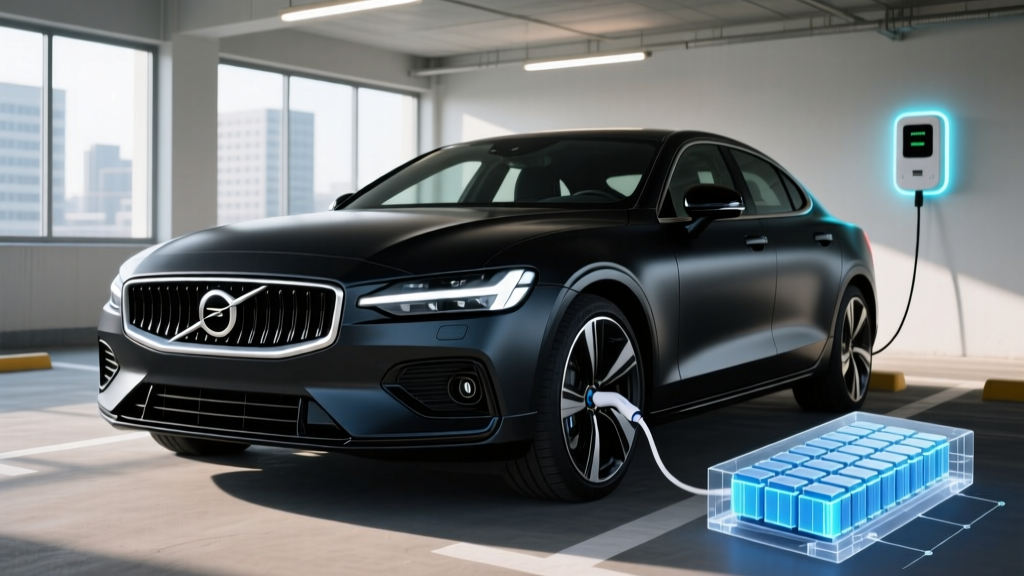
The 2026 Volvo S60 Polestar Engineered occupies a narrow but compelling lane: a performance-tuned plug-in hybrid sedan that covers most daily commutes on electricity alone while retaining a turbocharged-supercharged gasoline engine for road trips. With an EPA-estimated 41 miles of electric-only range, 415 combined horsepower, and Öhlins-tuned suspension, it targets driving enthusiasts who aren't ready to commit to a full BEV but want meaningful electrification.
Is it the most efficient PHEV on the market? No. Is it the quickest? Also no. But few rivals blend Scandinavian interior quality, genuine chassis dynamics, and usable electric range into a single $60,000 package. Here's everything you need to know before you buy.
Range, Efficiency, and Real-World Expectations
The S60 Polestar Engineered uses an 18.8 kWh (total) / approximately 14.9 kWh usable lithium-ion battery pack paired with a 2.0-liter turbocharged and supercharged four-cylinder engine plus a rear-axle electric motor (P8 AWD powertrain). The EPA rates it at 41 miles of electric-only range and 30 mpg combined once the battery is depleted, operating as a hybrid.
EPA Electric Range: 41 miles
Real-World Expectation: 33–38 miles in mixed city/highway driving at 65–75 mph. In cold weather (below 35°F), expect 25–30 miles of usable electric range due to cabin heating demand and reduced battery efficiency. City driving with regenerative braking recovers more energy, pushing range closer to the EPA figure.
EPA Combined (hybrid mode): 30 mpg
Real-World Highway: 27–29 mpg at sustained 70–80 mph
Efficiency in electric mode is rated at 63 MPGe combined. That's respectable for a 4,500-pound all-wheel-drive sedan, though it trails lighter PHEV competitors. In pure hybrid operation, the 30 mpg combined figure falls short of non-performance PHEV sedans like the Toyota Prius Prime (52 mpg combined) but aligns with performance-oriented rivals.
| Metric | EPA Figure | Real-World Estimate |
|---|---|---|
| Electric-Only Range | 41 miles | 33–38 mi (25–30 mi cold) |
| MPGe (EV mode) | 63 MPGe | 55–60 MPGe highway |
| Hybrid Combined MPG | 30 mpg | 27–29 mpg highway |
| Battery (total / usable) | 18.8 kWh / ~14.9 kWh | N/A |
| Fuel Tank | 15.9 gallons | N/A |
| Total Range (EV + gas) | ~520 miles | ~460–490 miles |
Charging Speed: DC Fast Charge and Home Level 2
Charging capability is where PHEV buyers often encounter surprises, and the S60 Polestar Engineered is typical of the segment: it prioritizes home and destination charging over rapid DC fast charging.
| Level | Power | 0–100% Time | Miles of EV Range / Hour |
|---|---|---|---|
| Level 1 (120V household) | ~1.4 kW | ~10–12 hours | ~4 mi/hr |
| Level 2 (240V, 3.7 kW onboard) | 3.7 kW (max) | ~5 hours | ~14 mi/hr |
| DC Fast Charge | Not supported | N/A | N/A |
Critical note: The S60 Polestar Engineered does not support DC fast charging. The onboard charger maxes out at 3.7 kW on Level 2 (240V). This means a full charge from empty takes roughly 5 hours on a home Level 2 station — perfectly adequate for overnight replenishment, but you cannot top up quickly on a road trip.
For most PHEV owners, this is acceptable. The strategy is simple: plug in at home every night, wake up to 41 miles of electric range, and use the gas engine for longer trips. If your commute is under 35 miles round-trip and you have home charging, you may go weeks without visiting a gas station.
Home Level 2 installation for a 240V / 20-amp circuit typically costs $500–$1,500 depending on panel proximity, according to industry estimates. The S60's 3.7 kW draw is modest enough that most existing 200-amp electrical panels can accommodate it without an upgrade. Always consult a licensed electrician for a site-specific assessment.
Performance: 415 HP and a Chassis Built for Corners
The Polestar Engineered treatment transforms the S60 from a comfortable luxury sedan into a genuinely engaging driver's car. The powertrain combines a 2.0-liter turbocharged and supercharged inline-four with an 87-kW (117-hp) electric motor on the rear axle, producing a combined 415 horsepower and 472 lb-ft of torque.
| Metric | Value |
|---|---|
| Combined Output | 415 hp / 472 lb-ft |
| 0–60 mph | 4.4 seconds |
| Drivetrain | eAWD (gas FWD + electric rear axle) |
| Transmission | 8-speed automatic |
| Top Speed | 112 mph (electronically limited) |
| Curb Weight | ~4,526 lbs |
| Suspension | Öhlins dual-flow valve dampers (manually adjustable) |
| Brakes | Brembo 4-piston front calipers, 14.6" rotors |
The 4.4-second 0–60 time places it in quick territory, though not the quickest in its price bracket — a Tesla Model 3 Performance (3.1 seconds) or BMW M340i xDrive (4.1 seconds) will outrun it to 60. But straight-line acceleration tells only part of the story.
The Öhlins dampers, standard on the Polestar Engineered trim, are manually adjustable with 22 click settings. Most owners will leave them at the factory mid-setting, which delivers a firm-but-compliant ride that handles broken pavement without crashing through and body control that keeps the sedan flat through sweeping highway curves. The Brembo front brakes provide confident stopping power with good pedal feel — a rarity in PHEVs where regenerative blending often creates a numb, inconsistent brake pedal.
The eAWD system operates differently from a traditional mechanical AWD setup. The gas engine drives the front wheels through the 8-speed automatic, while the electric motor independently powers the rear axle. Under light loads and at low speeds, the car can operate as rear-drive electric only. Under hard acceleration, both powertrains engage simultaneously for maximum traction. The transitions are generally seamless, though you can feel a brief hesitation when the gas engine fires up from electric-only mode.
Interior, Cargo, and Daily Practicality
The S60's cabin is one of its strongest selling points. Volvo's interior design language — minimalist, material-forward, and ergonomically sound — ages well compared to competitors who chase screen size over substance.
| Dimension | Measurement |
|---|---|
| Trunk Volume | 11.6 cu ft |
| Front Legroom | 42.3 inches |
| Rear Legroom | 35.2 inches |
| Front Headroom | 38.0 inches |
| Rear Headroom | 37.1 inches |
| Seating Capacity | 5 passengers |
The 11.6 cubic-foot trunk is compact for the segment — a BMW 3 Series offers 13 cu ft, and the Tesla Model 3 provides 23 cu ft (including the frunk). The PHEV battery placement does not intrude into the trunk floor, but the S60 sedan's proportions were always on the tighter side. If you regularly haul bulky cargo, this is a genuine limitation.
Front seats are excellent — Volvo's sport-contour seats on the Polestar Engineered trim include power-adjustable side bolsters, Nappa leather with textile inlays, and gold seatbelts (a Polestar signature). Rear seat space is adequate for adults on shorter trips but tight for anyone over 6 feet on longer journeys.
Technology and Driver Assistance
The S60 runs Volvo's Google Built-in infotainment system on a 9-inch portrait touchscreen. Google Maps handles navigation (with EV-aware routing that considers charge status), Google Assistant manages voice commands, and the Google Play Store provides access to apps like Spotify and iHeartRadio natively. Wireless Apple CarPlay is also supported.
The system is responsive and the Google Maps integration is genuinely useful for PHEV owners — it can route you to maximize electric-only operation on shorter trips or pre-condition the battery when navigating to a destination. However, the 9-inch screen feels dated in size compared to competitors running 12-to-15-inch displays, and Volvo's decision to bury climate controls within the touchscreen remains a frustration for some drivers.
Driver Assistance (SAE Level 2): Volvo's Pilot Assist system combines adaptive cruise control with lane-centering steering, operating as an SAE Level 2 driver-assist feature. This means the system can manage speed, following distance, and steering on well-marked highways — but the driver must remain fully engaged, hands on the wheel, eyes on the road at all times. It is not self-driving.
Volvo Pilot Assist is an SAE Level 2 system. It requires continuous driver supervision. It does not handle construction zones, unmapped detours, severe weather, or complex urban intersections autonomously. The driver is legally and operationally responsible at all times. Hands-off detection uses torque sensing on the steering wheel.
The S60 also earns top marks from the Insurance Institute for Highway Safety (IIHS), typically receiving a Top Safety Pick+ designation with its standard automatic emergency braking, run-off-road protection, and oncoming lane mitigation systems.
Pricing, Trims, and Federal Tax Credit Eligibility
The 2026 Volvo S60 Polestar Engineered is offered as a single, well-equipped trim. Volvo has simplified its PHEV lineup, making the Polestar Engineered the flagship of the S60 range.
| Item | Amount |
|---|---|
| Base MSRP (Polestar Engineered) | $59,950 |
| Destination Charge | $1,195 |
| As-Tested (with Premium + Bowers & Wilkins packages) | ~$65,400 |
| Federal Tax Credit (IRS §30D, max) | Up to $7,500* |
| Effective Price After Max Credit | ~$53,645 |
*Federal tax credit eligibility is subject to IRS §30D rules and varies by buyer. See checklist below.
IRS §30D Tax Credit Eligibility Checklist:
- Vehicle MSRP cap: Sedans must be at or below $55,000 MSRP. The S60 Polestar Engineered at $59,950 exceeds this cap, making it ineligible for the new-vehicle §30D credit.
- Buyer income cap: AGI must not exceed $150,000 (single), $225,000 (head of household), or $300,000 (married filing jointly).
- Battery sourcing: Critical minerals and battery component requirements must be met (phased in annually through 2030).
- Point-of-sale transfer: Eligible buyers can transfer the credit to the dealer at purchase for an immediate price reduction — but only if the vehicle itself qualifies.
Bottom line on the tax credit: Because the S60 Polestar Engineered's MSRP exceeds the $55,000 sedan cap, it does not qualify for the federal §30D new-vehicle tax credit as of current IRS rules. This is a significant financial consideration. Always verify current eligibility on IRS.gov before purchasing, as rules and manufacturer pricing can shift.
Some state and local incentives may still apply regardless of federal eligibility — check your state's energy office or fueleconomy.gov for a state-by-state incentive database.
Warranty Coverage and Battery Longevity
Volvo provides solid warranty coverage for the S60 Polestar Engineered, with particular strength in the hybrid powertrain department:
- Basic Vehicle Warranty: 4 years / 50,000 miles
- Powertrain Warranty: 4 years / 50,000 miles
- Hybrid/EV Battery & Components: 8 years / 100,000 miles (covers battery capacity retention below 70% of original)
- Corrosion Warranty: 12 years / unlimited miles
- Roadside Assistance: 4 years / unlimited miles
The 8-year / 100,000-mile hybrid battery warranty is the most important coverage item. Volvo guarantees the 18.8 kWh battery pack will retain at least 70% of its original capacity during that period. In practice, PHEV batteries experience less stress than BEV packs because they operate in a narrower state-of-charge window and undergo fewer full cycles — degradation is typically modest. Owners reporting 5–8% capacity loss after 4–5 years of normal use is common in the Volvo PHEV fleet.
Who Should Buy the S60 Polestar Engineered?
- Commute: Under 35 miles round-trip with home Level 2 charging access
- Driving style: Values chassis dynamics, steering feel, and braking performance over straight-line EV acceleration records
- Use case: Daily electric commuting with occasional 300+ mile road trips where BEV charging logistics are inconvenient
- Household: 1–2 adults, minimal large-cargo needs
- Priority: Interior quality, safety, and understated performance over badge prestige or tech-forward minimalism
- You need DC fast charging for road-trip flexibility → consider a full BEV like the BMW i4 or Tesla Model 3
- You want maximum electric range → the Toyota Prius Prime (44 mi) or Lexus NX 450h+ (37 mi but SUV) offer similar or better range at lower cost
- Cargo space is a priority → the S60's 11.6 cu ft trunk is limiting
- You need the federal tax credit → the MSRP cap disqualifies this sedan
Pros and Cons
- 41 miles EPA electric range covers most commutes
- Öhlins dampers and Brembo brakes deliver genuine sports-sedan dynamics
- 415 hp / 4.4-sec 0–60 with AWD traction
- Excellent interior materials and seat comfort
- Top safety ratings and comprehensive driver assists
- 8-year / 100,000-mi hybrid battery warranty
- No range anxiety — gas engine for long trips
- No DC fast charging — 3.7 kW Level 2 max
- $59,950 MSRP exceeds federal tax credit sedan cap ($55K)
- Small trunk (11.6 cu ft) for the segment
- 9-inch infotainment screen feels dated
- 30 mpg hybrid mode trails non-performance PHEVs
- Rear seat legroom tight for tall passengers
- Cold-weather EV range drops to ~25–30 miles
How It Compares to Key Competitors
The S60 Polestar Engineered doesn't have a direct one-to-one rival. Here's how it stacks against the closest alternatives:
| Model | EV Range | 0–60 | Base MSRP | DC Fast Charge |
|---|---|---|---|---|
| Volvo S60 Polestar Engineered | 41 mi (PHEV) | 4.4s | $59,950 | No |
| BMW M340i xDrive (gas) | N/A | 4.1s | $58,550 | N/A |
| BMW i4 M50 (BEV) | 227 mi | 3.7s | $68,700 | Yes (205 kW) |
| Tesla Model 3 Perf. (BEV) | 315 mi | 3.1s | $52,990 | Yes (250 kW) |
| Audi S6 (mild hybrid) | N/A | 4.4s | $76,500 | N/A |
The BMW i4 M50 is the closest cross-shop: it's a BEV with real performance and DC fast charging, but costs nearly $9,000 more and requires full electric commitment. The Tesla Model 3 Performance is faster, cheaper, and has vastly more range and cargo space, but its interior quality and ride refinement don't match the Volvo. The gas-only M340i is a driver's benchmark but offers zero electric operation.
Frequently Asked Questions
What is the real-world range of the S60 Polestar Engineered?
In electric-only mode, expect 33–38 miles in mixed driving conditions, dropping to 25–30 miles in sustained cold weather (below 35°F). Once the battery depletes, the hybrid system delivers approximately 27–29 mpg on the highway and 30 mpg combined, giving a total range of roughly 460–490 miles between fill-ups and charges.
How fast does it charge at home and on the road?
The S60 Polestar Engineered charges at a maximum of 3.7 kW on Level 2 (240V), taking about 5 hours for a full 0–100% charge. It adds roughly 14 miles of EV range per hour of Level 2 charging. It does not support DC fast charging — there is no CCS or NACS port for rapid top-ups. Overnight home charging is the intended workflow.
Does the S60 Polestar Engineered qualify for the federal EV tax credit?
No. Under current IRS §30D rules, new sedans must have an MSRP at or below $55,000 to qualify for the federal clean vehicle credit. The S60 Polestar Engineered starts at $59,950, which exceeds this cap. State and local incentives may still apply — check fueleconomy.gov and your state energy office for details. Always consult a tax professional for advice specific to your situation.
Is the S60 Polestar Engineered worth buying over a full EV?
It depends on your use case. If you have reliable home charging, a commute under 35 miles, and regularly take trips of 300+ miles where DC fast charging infrastructure is sparse or unreliable, the PHEV format offers genuine advantages — zero range anxiety with daily electric operation. However, if you have good charging access and mostly drive under 250 miles, a full BEV like the Tesla Model 3 or BMW i4 will deliver lower operating costs, faster acceleration, more cargo space, and potential tax credit eligibility.
What are the biggest pros and cons?
The biggest strengths are the 41-mile electric range, the Öhlins/Brembo chassis hardware that delivers real sports-sedan dynamics, and the high-quality interior. The biggest weaknesses are the lack of DC fast charging, ineligibility for the federal tax credit due to the MSRP cap, and the compact 11.6 cu ft trunk.
How long will the hybrid battery last?
Volvo warranties the 18.8 kWh hybrid battery for 8 years or 100,000 miles, guaranteeing at least 70% capacity retention. PHEV batteries generally experience less degradation than BEV packs because they cycle through a narrower state-of-charge range. Real-world reports from Volvo PHEV owners suggest 5–8% capacity loss over 4–5 years of normal use, which translates to losing roughly 2–3 miles of electric range over that period.
Sources: EPA / fueleconomy.gov for range and efficiency data; IRS.gov for §30D tax credit rules; Volvo Cars USA press room for manufacturer specifications. All pricing and specs reflect 2026 model year at time of publication. Verify current figures with your dealer and tax advisor.