The USPS Post Office EV: A Quick Verdict for 2026
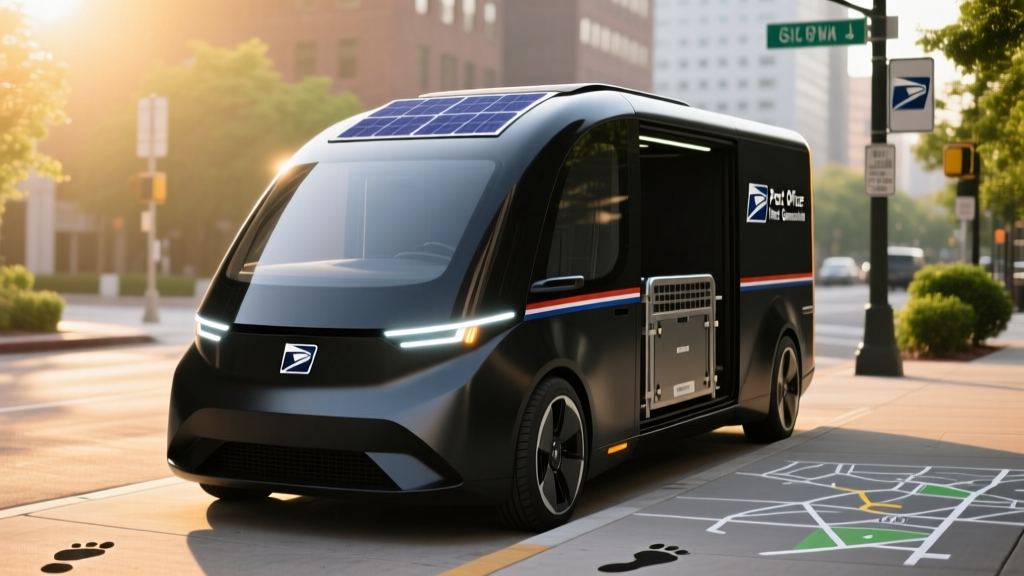
What is the Post Office EV? The United States Postal Service is replacing its aging Grumman LLV fleet with the Next Generation Delivery Vehicle (NGDV), built by Oshkosh Defense. While the original contract leaned heavily toward gas, political and environmental pressure shifted the order: USPS now plans for at least 60% of the 60,000+ NGDV fleet to be battery-electric. The electric NGDV features an estimated ~130-mile EPA range, a ~115 kWh battery pack, and is designed specifically for stop-and-go mail routes rather than highway use.
Why it matters to you: Even if you're not a postal worker, the USPS EV rollout affects public charging infrastructure, federal fleet electrification policy, and the used commercial EV market as early units age out. It also signals where heavy-duty LFP battery tech is heading for last-mile delivery.
NGDV Electric Specs: Range, Battery, and Charging
Unlike consumer EVs optimized for 0-60 times and sleek aerodynamics, the electric NGDV is engineered for a very specific duty cycle: 5-8 hours of low-speed, high-stop routes with frequent door openings, HVAC load, and parcel weight. Here's what we know from USPS filings and Oshkosh disclosures as of early 2026:
| Spec | Value |
|---|---|
| Battery Chemistry | LFP (Lithium Iron Phosphate) |
| Usable Battery Capacity | ~115 kWh |
| EPA-Estimated Range | ~130 miles (route-dependent) |
| Real-World Range (Summer, Loaded) | ~95–115 miles |
| Real-World Range (Winter, HVAC On) | ~70–90 miles |
| Max DC Fast Charge Rate | ~80 kW (peak) |
| 10–80% DC Charge Time | ~65–75 minutes |
| Level 2 AC Charging | ~11.5 kW onboard charger |
| Level 2 Full Charge Time | ~10–11 hours (overnight depot) |
| Payload Capacity | ~2,000 lbs (cargo + driver) |
| Cargo Volume | ~140 cu ft |
| Drivetrain | Rear-wheel drive, single motor |
| Top Speed | ~70 mph (governed) |
| Thermal Management | Liquid-cooled battery + heat pump HVAC |
Real-World Range Reality: The EPA's ~130-mile figure assumes moderate ambient temps and a mixed route. In practice, postal routes involve hundreds of stops, constant HVAC cycling (the driver compartment and cargo area both need climate control), and frequent idling with doors open. Expect ~95–115 miles in summer and ~70–90 miles in winter on northern routes. This is sufficient for most urban/suburban delivery routes (which average 20–40 miles/day) but tight for rural routes that can exceed 80 miles.
Why LFP Chemistry Makes Sense for the Post Office EV
The NGDV's use of LFP (lithium iron phosphate) cells is a deliberate engineering choice, not a cost-cutting shortcut. Here's why:
| Factor | LFP (NGDV Choice) | NMC (Consumer EVs) |
|---|---|---|
| Cycle Life | 3,000–5,000+ cycles | 1,000–2,000 cycles |
| Calendar Life | 15–20+ years | 10–15 years |
| Thermal Stability | Excellent (no thermal runaway at lower temps) | Good (requires active cooling) |
| Energy Density | Lower (~160 Wh/kg) | Higher (~250 Wh/kg) |
| Cold-Weather Performance | Moderate loss (~30–40%) | Better (~20–30% loss) |
| Cost per kWh | Lower | Higher |
| Daily Charging to 100% | Safe — no degradation penalty | Accelerates degradation above 80% |
For a postal vehicle that charges every night at the depot and needs to last 15+ years with daily full charges, LFP is the correct call. The lower energy density is irrelevant — the NGDV doesn't need 300+ miles of range. And the superior cycle life means the battery will likely outlast the vehicle's chassis.
Post Office EV vs. Gas NGDV vs. Old LLV: Cost Comparison
USPS is procuring both electric and gas-powered NGDVs. Here's how the economics compare, alongside the ancient Grumman LLV that's still on routes:
| Category | Electric NGDV | Gas NGDV (ICE) | Grumman LLV (Legacy) |
|---|---|---|---|
| Estimated Acquisition Cost | ~$65,000–$75,000 | ~$45,000–$52,000 | N/A (fully depreciated) |
| Fuel/Energy Cost per Mile | ~$0.08–$0.12 (depot electricity) | ~$0.25–$0.35 (gasoline, 8–10 MPG) | ~$0.35–$0.50 (gas, 6–8 MPG) |
| Annual Fuel/Energy (12,000 mi/yr) | ~$1,000–$1,400 | ~$3,000–$4,200 | ~$4,200–$6,000 |
| Maintenance Cost per Mile | ~$0.04–$0.06 | ~$0.12–$0.18 | ~$0.25–$0.40 |
| 10-Year Energy + Maintenance | ~$18,000–$24,000 | ~$44,000–$65,000 | ~$70,000–$110,000 |
| Depot Charging Infrastructure (amortized) | ~$5,000–$10,000 | $0 | $0 |
| Estimated 10-Year Total Cost | ~$88,000–$109,000 | ~$89,000–$117,000 | ~$70,000–$110,000 (maint. only) |
The takeaway: The electric NGDV costs more upfront (~$20,000–$25,000 premium) but reaches cost parity within 5–7 years through dramatically lower fuel and maintenance expenses. Over a 10-year service life, the EV is cheaper — and the gap widens as gas prices rise and LFP batteries prove their longevity. The USPS Office of Inspector General has flagged acquisition planning concerns, but the operational math favors electrification for high-mileage urban routes.
Charging Infrastructure: Depot-Level Strategy
Postal EVs don't rely on public charging networks. Instead, USPS is installing depot-based Level 2 and DC fast-charging infrastructure at processing and delivery centers nationwide. Here's what that looks like:
| Level | Power (kW) | Miles Added/Hour | Use Case |
|---|---|---|---|
| Level 2 (Overnight) | 11.5 kW | ~25–30 mi/hr | Nightly full recharge at depot (10–11 hrs) |
| DC Fast (Midday Top-Up) | 50–80 kW | ~100–140 mi/hr | Midday supplement for extended routes |
Most postal routes finish within a single shift, so overnight Level 2 is the primary charging method. DC fast chargers at depots serve as insurance for longer rural routes or unexpected re-routing. The USPS has committed billions to facility upgrades including electrical panel expansions, transformer installations, and smart-charge management systems that stagger charging to avoid peak demand charges from utilities.
What the Post Office EV Means for Consumer EV Buyers
You're not buying an NGDV — so why does this matter? Several reasons:
1. LFP validation at scale. When the federal government bets a 36,000+ vehicle fleet on LFP chemistry, it signals confidence in the technology's durability. If you're considering a consumer LFP vehicle (Tesla Model 3 RWD, Ford Mustang Mach-E Select, Rivian R1S Standard), the USPS bet reinforces that LFP's lower energy density is a worthy trade for longevity.
2. Charging infrastructure spillover. USPS depot upgrades often require utility-side grid improvements (new transformers, upgraded feeders) that benefit the surrounding community. In some cases, USPS has explored shared-use agreements for depot chargers during off-hours.
3. Used commercial EV market. As early NGDV units eventually cycle out of service (15–20 years from now, likely), they'll enter the secondary market — potentially as conversions, parts donors, or fleet vehicles for smaller carriers.
4. Policy precedent. The USPS EV procurement has been a political flashpoint. The final ratio of electric-to-gas NGDVs will influence future federal fleet mandates and may shape IRS §30D tax credit provisions for commercial EVs in subsequent legislation.
Common Misconceptions About the Post Office EV
| Myth | Fact |
|---|---|
| "The EV can't handle rural routes." | True for some 100+ mile rural routes in winter. USPS is assigning gas NGDVs to those routes and EVs to urban/suburban routes under ~60 miles/day. |
| "Electric postal trucks will break down in cold weather." | LFP loses more range in cold than NMC (~35–40% vs ~25%), but the NGDV's heat pump HVAC and 115 kWh pack provide enough buffer for most cold-climate routes. Depot preconditioning helps further. |
| "The whole fleet is going electric." | As of 2026, USPS plans ~60% electric for the NGDV order. The remaining ~40% are gas-powered NGDVs for routes where EV range is insufficient. |
| "It charges too slowly for postal use." | Postal vehicles charge overnight at the depot — they don't need 15-minute DC fast charges. 10–11 hours on Level 2 is perfectly aligned with the usage pattern. |
| "The old LLV was fine; why replace it?" | The LLV averages 6–8 MPG, lacks modern safety features (no airbags, no ABS), has rising maintenance costs ($0.25–$0.40/mile), and was designed for a 24-year service life that expired years ago. |
Decision Framework: If You're Evaluating Fleet Electrification
Choose electric fleet vehicles if:
- Daily routes are under 80 miles (or under 60 miles in cold climates)
- Vehicles return to a central depot nightly
- You can install Level 2 charging at the depot (200A+ panel capacity)
- Annual mileage exceeds 10,000 miles/vehicle (fuel savings offset higher acquisition)
- You plan to keep vehicles 8+ years (LFP longevity pays off)
Choose gas/hybrid fleet vehicles if:
- Routes regularly exceed 120 miles/day
- Vehicles operate in extreme cold (below 0°F) without depot preconditioning
- No depot charging infrastructure is feasible
- Vehicles are on 3–5 year replacement cycles (EV premium isn't recouped)
Frequently Asked Questions
How many electric vehicles does USPS have in 2026?
As of early 2026, USPS has taken delivery of several thousand electric NGDVs, with deliveries ramping through 2028. The total NGDV order exceeds 60,000 vehicles, with at least 60% designated as battery-electric. Additionally, USPS has acquired thousands of commercially available EVs (Ford E-Transit, Mercedes-Benz eSprinter) for interim use.
Does the Post Office EV qualify for any tax credits?
The USPS, as a federal agency, does not use consumer tax credits. However, the NGDV procurement is funded through congressional appropriations and the Inflation Reduction Act's federal fleet electrification provisions. Private fleet buyers purchasing similar commercial EVs may qualify for the §30D clean vehicle credit (up to $7,500) or the §25E used EV credit (up to $4,000), subject to MSRP caps, income limits, and battery-sourcing requirements.
What happens if an electric NGDV runs out of charge on a route?
USPS route planning software accounts for range, weather, and payload. If an NGDV does deplete its battery mid-route, a gas-powered backup vehicle is dispatched from the depot. The NGDV's ~130-mile EPA range provides substantial buffer over most routes, but rural winter routes are specifically assigned to gas NGDVs to prevent this scenario.
Can I buy a used USPS electric vehicle?
Not yet. The NGDV fleet is brand new (first deliveries in 2024–2025), and vehicles are expected to remain in service for 15–20 years. When they do retire, they'll likely be sold through GSA auctions, though battery condition and proprietary parts may limit private-party usability.
How does the NGDV compare to commercial EVs like the Ford E-Transit?
The Ford E-Transit offers ~126 miles EPA range with a 68 kWh battery — less range but a more mature platform with dealer service support. The NGDV is purpose-built for mail delivery (right-hand drive, massive cargo volume, sliding doors) and uses a larger 115 kWh LFP pack for greater longevity. USPS uses both: NGDVs for standard letter routes and E-Transits for parcel-heavy routes.