The Short Answer on the Electric Honda Clarity
The Honda Clarity Plug-In Hybrid was discontinued after the 2021 model year, but it remains one of the most compelling used electrified vehicles on the market in 2026. With an EPA-rated 47 miles of electric-only range, a 17.0 kWh lithium-ion battery, and a combined 212 horsepower from its two-motor hybrid system, the Clarity PHEV covers most daily commutes on electricity alone while eliminating range anxiety with its gasoline backup. Used examples typically sell for $18,000–$26,000 depending on mileage and condition. If you can charge at home and want EV-like daily driving without committing to a full battery-electric vehicle, the Clarity PHEV is a smart, data-backed choice — but you need to understand its limitations before buying.
What Is the Honda Clarity Plug-In Hybrid?
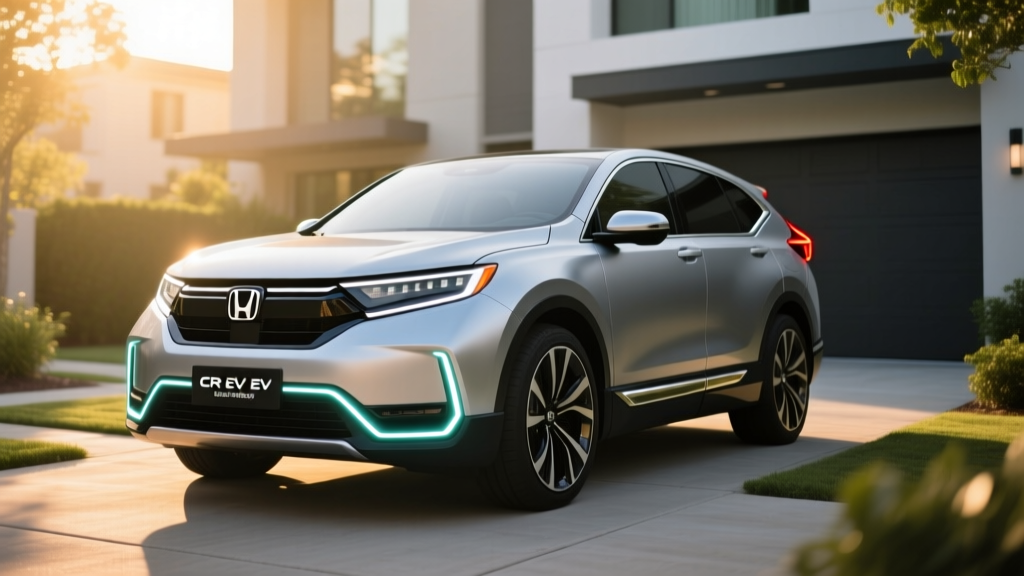
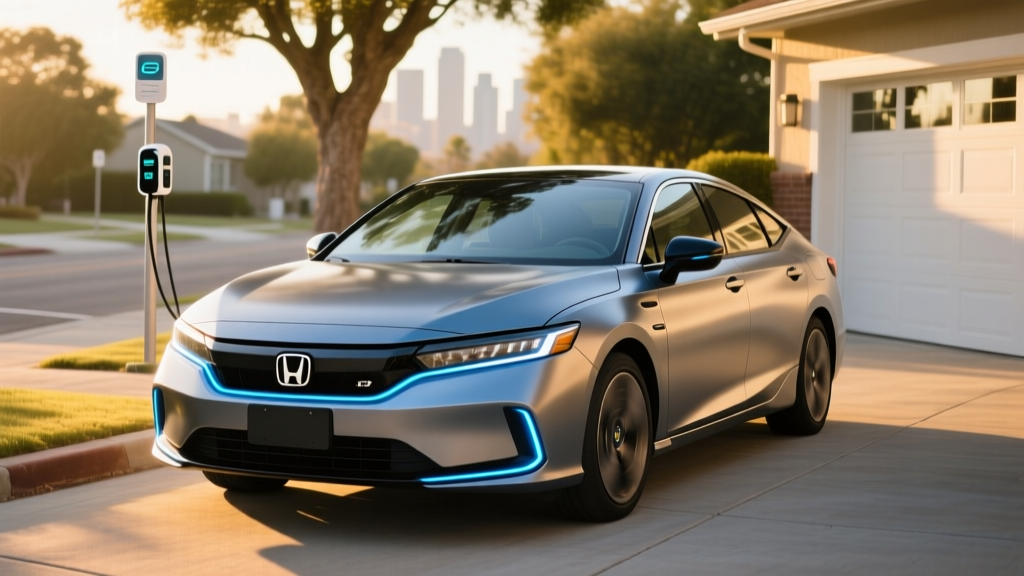
The Honda Clarity was offered in three powertrains: a battery-electric version (Clarity EV, 89-mile range, discontinued after 2019), a hydrogen fuel-cell version (Clarity Fuel Cell, lease-only in California), and the Clarity Plug-In Hybrid — by far the most common and practical variant. When buyers search for an "electric Honda Clarity," they're almost always looking at the PHEV, which pairs a 1.5-liter Atkinson-cycle four-cylinder engine with Honda's two-motor hybrid system and a 17.0 kWh battery pack.
The Clarity PHEV operates as a series-parallel hybrid: at lower speeds and under moderate load, it drives primarily on electric power. When the battery depletes or you demand hard acceleration, the gasoline engine engages — either generating electricity for the drive motor or directly driving the wheels at highway speeds. The result is seamless transitions that most drivers barely notice.
Key Specifications at a Glance
| Specification | Value |
|---|---|
| EPA Electric-Only Range | 47 miles |
| Battery Capacity | 17.0 kWh (lithium-ion, NMC chemistry) |
| EPA Combined (gas mode) | 42 MPG |
| MPGe (electric mode) | 110 MPGe |
| Total System Horsepower | 212 hp |
| 0–60 mph | ~7.5 seconds |
| Level 1 Charging (120V) | ~12 hours (full charge) |
| Level 2 Charging (240V, 3.3 kW) | ~2.5 hours (full charge) |
| DC Fast Charging | Not supported |
| Cargo Volume | 15.5 cu ft |
| Original MSRP (2021 base) | $33,400 |
| Battery Warranty (original) | 8 years / 100,000 miles (transferable) |
Real-World Range: What 47 Electric Miles Actually Means
The EPA's 47-mile electric range figure is one of the highest among PHEVs from its era — and it holds up reasonably well in real-world driving, with caveats. In moderate temperatures (55–80°F) with mixed city/suburban driving, owners consistently report 40–48 miles of usable electric range before the gasoline engine kicks in. That's enough to cover the average American's daily round-trip commute of roughly 35 miles entirely on electricity.
However, real-world conditions matter:
- Highway driving at 70+ mph: Expect 35–40 miles of electric range. Higher speeds increase energy consumption significantly.
- Cold weather (below 32°F): Range drops to roughly 30–38 miles. The Clarity PHEV does not have a dedicated heat pump — it uses a combination of engine waste heat and resistive heating, which draws from the battery in EV mode.
- Hot weather with A/C: Expect 38–44 miles. Less impactful than cold, but still noticeable.
Once the battery is depleted, the Clarity operates as a conventional hybrid, achieving its EPA-rated 42 MPG combined — a figure that's still competitive with modern hybrids like the Toyota Camry Hybrid (44–52 MPG depending on trim) and far better than the average gasoline sedan.
Real-World Range Reality Check: EPA says 47 miles electric. Plan on 40–45 in mild weather, 30–38 in freezing cold. Gas mode delivers 42 MPG combined year-round. Total practical range on a full tank + full charge: approximately 340–380 miles.
Charging the Clarity PHEV: What You Need to Know
The Clarity PHEV uses a standard J1772 connector for AC charging. It has an onboard charger rated at 3.3 kW, which is relatively modest by today's standards but adequate for a 17.0 kWh battery. Here's what that means in practice:
| Charging Level | Power | Time (0–100%) | Cost to Install |
|---|---|---|---|
| Level 1 (120V household outlet) | ~1.4 kW | ~12 hours | $0 (use included cable) |
| Level 2 (240V, 16A) | 3.3 kW (car-limited) | ~2.5 hours | $500–$1,800 (outlet + circuit) |
| DC Fast Charging | N/A | N/A | Not supported |
Level 1 is viable for many Clarity owners. If you drive 30–40 miles per day and plug in overnight (10–12 hours), a standard 120V outlet can replenish enough energy to cover most of your daily electric range. This eliminates the need for a Level 2 home installation if your electrical panel is older or an upgrade would cost $2,000+.
Level 2 is the ideal setup. A 240V outlet (NEMA 14-50 or hardwired Level 2 EVSE) fully recharges the battery in about 2.5 hours. Even a basic 240V outlet installation typically costs $500–$1,200 if your panel has spare capacity. Note: because the Clarity's onboard charger maxes out at 3.3 kW, there's no benefit to installing a 48-amp or higher EVSE — a 16-amp or 20-amp circuit is sufficient and cheaper.
The lack of DC fast charging is a deliberate tradeoff. For a PHEV with a 17 kWh battery, DCFC would add cost and weight for minimal practical benefit — you're almost always charging at home or at work, where Level 2 is plenty.
Clarity PHEV vs. Gas Cars and Modern EVs: The Cost Breakdown
The real question for buyers in 2026: does a used Clarity PHEV save you money compared to a new gas car, a new hybrid, or a modern full EV? Let's run the numbers over a 5-year ownership period assuming 15,000 miles per year.
| Cost Factor (5 Years) | Used Clarity PHEV | New Gas Sedan (30 MPG) | New BEV (300 mi range) |
|---|---|---|---|
| Purchase Price | $22,000 (avg used) | $28,000 | $38,000 (after ~$7,500 credit) |
| Fuel / Electricity | $2,800 (mixed EV + gas) | $9,400 (gas @ $3.15/gal) | $3,200 (home charging @ $0.14/kWh) |
| Maintenance | $2,200 | $3,500 | $1,500 |
| Insurance (avg) | $6,500 | $6,000 | $7,200 |
| Estimated Depreciation | $5,500 | $10,000 | $12,000 |
| 5-Year Total | $39,000 | $56,900 | $61,900 |
Assumptions: 70% of Clarity miles driven on electricity at $0.14/kWh, 30% on gasoline at $3.15/gal. Gas car at 30 MPG combined. BEV at 3.5 miles/kWh. Insurance varies by model and driver; figures are estimates based on industry averages. Depreciation on used Clarity reflects slower second-depreciation curve. Sources: fueleconomy.gov, AAA Your Driving Costs 2025.
The Clarity PHEV's biggest financial advantage is its low entry price combined with low operating costs. You're paying used-car prices for near-EV daily driving. Over five years, the Clarity can save roughly $17,000–$23,000 compared to buying a new gas sedan or a new long-range EV, largely because you avoid the steep upfront cost and first-owner depreciation of a new vehicle.
Tax Credit Considerations
The original Honda Clarity PHEV qualified for a $7,500 federal tax credit under the pre-2023 rules when it was new. Under the current IRS §30D rules, the Clarity PHEV is not eligible for the new clean vehicle credit because it is no longer manufactured. However, if you purchase from a dealer, you may be able to explore the used clean vehicle credit (up to $4,000 or 30% of sale price, whichever is less) — though eligibility depends on the vehicle's original MSRP being under $25,000 when new, which the Clarity exceeds. Consult a tax professional to confirm your specific situation.
Common Misconceptions About the Clarity PHEV
| Myth | Fact |
|---|---|
| "The battery will need expensive replacement soon." | Honda's 8-year/100,000-mile battery warranty is transferable to second owners. PHEV batteries experience less stress than full EV batteries due to smaller charge cycles. Replacement cost, if needed out of warranty, is estimated at $3,000–$5,000 — but most units show minimal degradation at 60,000–80,000 miles. |
| "It's basically a slow, boring hybrid." | 212 combined horsepower and instant electric torque give the Clarity respectable acceleration (~7.5 seconds to 60 mph). The electric-only driving experience is smooth and quiet — more EV-like than most PHEVs of its era. |
| "I need a Level 2 charger at home to own it." | Level 1 (120V) charging overnight replenishes 35–45 miles of range — sufficient for most commuters. Level 2 is faster and more convenient, but not mandatory. |
| "Discontinued means no parts or support." | Honda continues to service the Clarity through its dealer network. The hybrid powertrain shares components with the Accord Hybrid and Insight. Body parts and interior trim are widely available through Honda and aftermarket suppliers. |
| "47 miles of range isn't enough." | The average US commute is ~35 miles round trip. 47 miles covers roughly 80% of all daily driving trips entirely on electricity, according to NHTS data. |
Ownership Realities: What a First-Time PHEV Buyer Should Know
If you're considering a used Clarity PHEV as your first electrified vehicle, here's what the ownership experience actually looks like day-to-day:
Plug In Every Night
The single biggest behavioral shift: you plug in when you get home, just like charging a phone. This takes about 10 seconds. If you have a garage or covered parking with an outlet, the habit forms within a week. The Clarity's charge port is on the left front fender — easy to reach in most garage configurations.
Maintenance Is Simpler Than You'd Think
Because the Clarity runs on electricity for most daily miles, the gasoline engine sees far less use than in a conventional car. Many owners report going 8,000–10,000 miles between oil changes (Honda recommends following the maintenance minder, which accounts for actual engine run time). Brake wear is also reduced thanks to regenerative braking — many Clarity owners are still on original brake pads at 60,000+ miles.
Cold Climate Considerations
If you live in a region with harsh winters (Minnesota, Maine, Colorado), plan for the electric range drop to 30–38 miles. The Clarity's gasoline engine will activate more frequently in cold weather to provide cabin heat, which reduces electric-only driving. This is a PHEV advantage over a full EV — you won't be stranded, and the engine's waste heat warms the cabin faster than a resistive heater alone. Consider a block heater or garage parking if temperatures regularly drop below 0°F.
The Honda Sensing Suite
All Clarity PHEVs came equipped with Honda Sensing, which includes adaptive cruise control, lane-keeping assist, forward collision warning, and automatic emergency braking. This is a SAE Level 1 driver-assistance system — it supports you but requires full driver attention at all times. It's competent for highway cruising but not comparable to more advanced systems like GM's Super Cruise or Ford's BlueCruise in terms of hands-free capability.
Decision Framework: Is the Clarity PHEV Right for You?
Choose the Honda Clarity PHEV If:
- Your daily round-trip commute is under 45 miles and you can charge at home (even on a 120V outlet).
- You want EV-like daily driving but regularly take road trips of 200+ miles where charging infrastructure may be sparse.
- Your budget is $18,000–$26,000 and you want to minimize total cost of ownership.
- You live in a cold climate where full EV range loss is a genuine concern.
- You don't want to deal with public charging networks or DC fast-charging logistics.
Look at a Modern Full EV Instead If:
- You have reliable home Level 2 charging and rarely drive more than 250 miles in a single day.
- You want zero gasoline purchases and zero oil changes — ever.
- You qualify for the full $7,500 federal tax credit on a new EV (check IRS §30D eligibility for income caps, MSRP limits, and battery sourcing requirements).
- You want the latest tech — modern EVs like the Hyundai Ioniq 5, Tesla Model 3, or Chevrolet Equinox EV offer faster charging, more advanced driver-assist features, and longer warranties on new vehicles.
Consider a Newer PHEV Instead If:
- You want a new-vehicle warranty and the latest safety tech.
- The Toyota RAV4 Prime (42 miles EV, $43,690 MSRP) or Hyundai Tucson PHEV (33 miles EV, $38,775 MSRP) better fits your need for an SUV body style.
- You want faster Level 2 charging rates — newer PHEVs often support 6.6 kW or 7.2 kW onboard chargers, cutting recharge time in half.
Frequently Asked Questions
How long will the Honda Clarity PHEV battery last?
Honda designed the Clarity's 17.0 kWh battery for long-term durability, and the 8-year/100,000-mile warranty (transferable to second owners) reflects that confidence. Real-world data from owners at 80,000–100,000 miles shows typical capacity retention of 85–92%. The battery management system maintains a buffer at the top and bottom of the charge range to reduce degradation stress. If replacement is ever needed, expect to pay $3,000–$5,000 at a Honda dealer, though independent hybrid shops may offer lower pricing.
Can I charge the Clarity PHEV at a public charging station?
Yes, but only at Level 2 (J1772) public stations — not at DC fast chargers. At a public Level 2 station delivering 6.6 kW or more, the Clarity will still only draw its maximum of 3.3 kW, so a full charge takes about 2.5 hours regardless of the station's rated power. Public Level 2 charging typically costs $0.25–$0.49/kWh, making it more expensive than home charging but still cheaper than gasoline on a per-mile basis.
Is the Honda Clarity PHEV all-wheel drive?
No. The Clarity PHEV is front-wheel drive only. If AWD is a priority, look at the Toyota RAV4 Prime (electronic AWD via a rear motor) or the Hyundai Tucson PHEV (HTRAC AWD).
What's the difference between the Clarity PHEV and the Clarity EV?
The Clarity EV (2017–2019 only) was a fully battery-electric vehicle with an EPA range of just 89 miles and a 25.5 kWh battery. It was discontinued due to its limited range and was only sold in select markets. The Clarity PHEV is far more common, more practical, and the variant most buyers should target on the used market.
Does the Clarity PHEV qualify for any tax credits in 2026?
As a used vehicle, the Clarity PHEV does not qualify for the new clean vehicle credit under IRS §30D. The used clean vehicle credit (up to $4,000) has an original MSRP cap of $25,000, which the Clarity exceeds. However, some states offer their own incentives for used EV/PHEV purchases — check your state's energy office or DMV for current programs. Always consult a tax professional before making purchase decisions based on credit eligibility.
How does the Clarity compare to the Toyota Prius Prime?
The 2021 Toyota Prius Prime offers 25 miles of electric range (vs. the Clarity's 47), but achieves 54 MPG combined in hybrid mode (vs. 42 MPG). The Clarity is larger, more powerful (212 hp vs. 121 hp), and more comfortable as a midsize sedan, while the Prius Prime is more fuel-efficient once the battery depletes and offers a hatchback cargo area. If electric-only range is your priority, the Clarity wins decisively. If hybrid-mode fuel economy matters more, the Prius Prime has the edge.
Sources: fueleconomy.gov — 2021 Honda Clarity PHEV, IRS.gov — Clean Vehicle Credits, Honda Newsroom archives.