Why Used EV Offers Are Surging in 2026
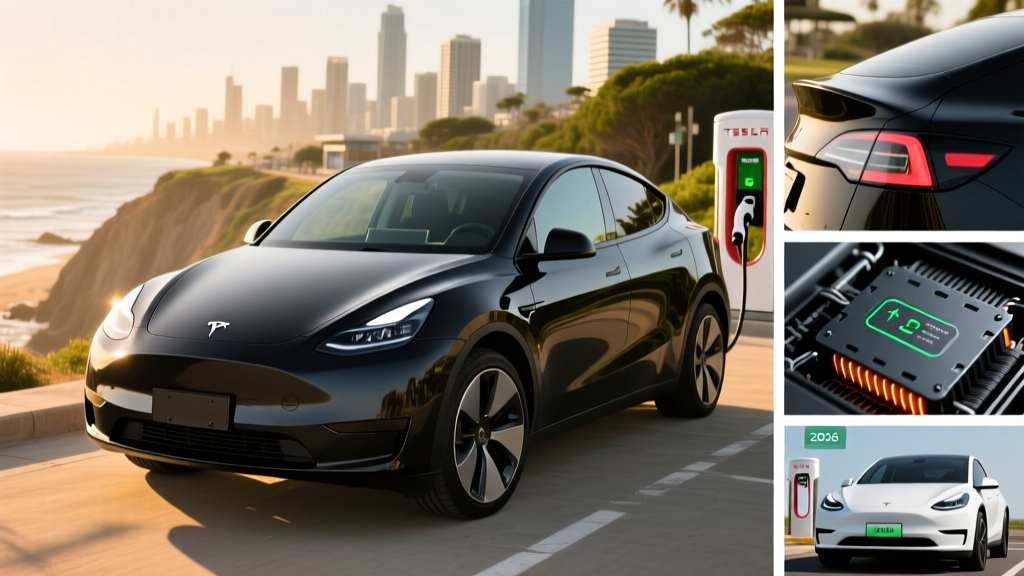
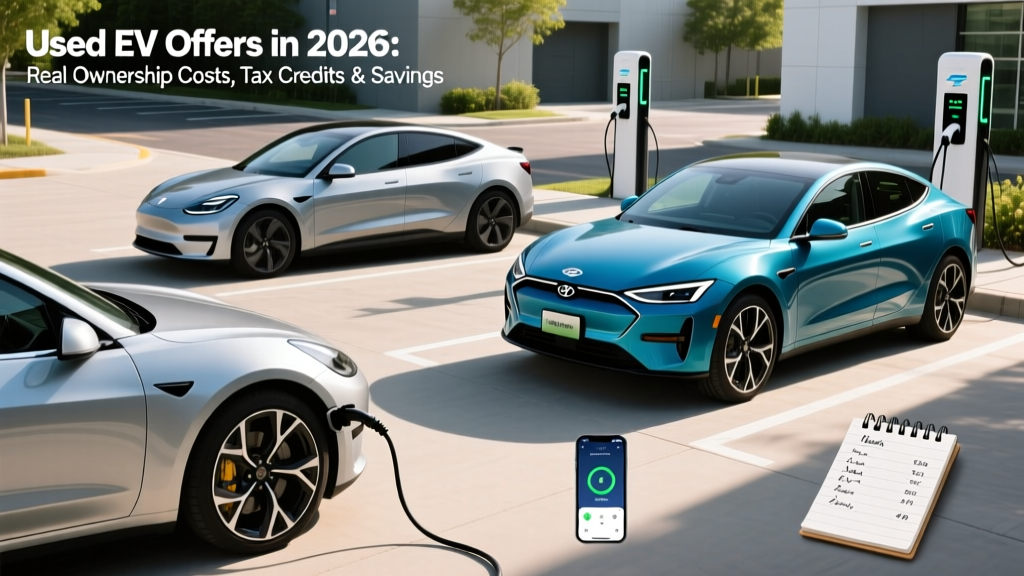
The secondary EV market has matured dramatically. Three-year-old models like the 2023 Hyundai Ioniq 5, 2023 Tesla Model Y, and 2023 Ford Mustang Mach-E are coming off leases in volume, pushing used EV inventory to record levels. For buyers, this means genuine bargains — but only if you look past the sticker price and model the full ownership equation.
A used EV can deliver massive fuel and maintenance savings, but insurance premiums, depreciation curves, and tax-credit eligibility shift the math in ways most listing sites ignore. This guide breaks down the real 5-year total cost of ownership (TCO) for a typical used EV purchase in 2026, so you can separate a genuine deal from a money pit.
The 5-Year Total Cost of Ownership Breakdown
Let's model a realistic scenario: a buyer purchasing a 2023 Hyundai Ioniq 5 SEL (AWD, 77.4 kWh NMC battery, EPA 256 miles) from a dealer for $28,500, driving 12,000 miles per year, charging primarily at home on a Level 2 circuit. We compare against a similarly priced 2023 gasoline crossover (EPA 28 MPG combined).
| Cost Category | Used Ioniq 5 (5 yr) | Gas Crossover (5 yr) |
|---|---|---|
| Purchase Price | $28,500 | $28,500 |
| Federal Tax Credit (§25E used) | −$4,000 | $0 |
| Net Purchase | $24,500 | $28,500 |
| Energy/Fuel (60,000 mi) | $3,960 | $7,500 |
| Maintenance | $1,200 | $3,250 |
| Insurance (5 yr total) | $9,750 | $7,500 |
| Depreciation (est. resale) | −$9,500 | −$12,000 |
| Net 5-Year Cost | $29,910 | $34,750 |
The used EV saves roughly $4,840 over five years in this scenario. But the margin is narrower than headline savings suggest, primarily because insurance runs $450 more per year and the used-EV credit is capped at $4,000 (not $7,500). Let's dissect each line item.
Federal Tax Credits: §30D for New, §25E for Used
This is where most used-EV buyers get confused. The well-known $7,500 federal credit applies only to new EVs under IRS §30D. For used EVs, the relevant provision is §25E — the Previously-Owned Clean Vehicle Credit, worth up to $4,000 (30% of the sale price, capped at $4,000).
§25E Used EV Credit Eligibility Checklist (2026)
- Credit amount: 30% of sale price, max $4,000
- Vehicle price cap: Sale price must be $25,000 or less
- Vehicle age: Model year must be at least 2 years older than the calendar year of purchase (so 2024 or older in 2026)
- Buyer income cap: AGI ≤ $75,000 (single) / $112,500 (head of household) / $150,000 (joint)
- Dealer requirement: Must purchase from a licensed dealer (private-party sales excluded)
- Transfer option: Credit can be transferred to the dealer at point of sale as an immediate price reduction
- Battery capacity: Vehicle must have a battery ≥ 7 kWh (excludes most mild hybrids)
- One-time use: The specific VIN can only claim the §25E credit once every 3 years
Note the $25,000 price cap — this is the biggest hurdle. A 2023 Ioniq 5 SEL listing at $28,500 would not qualify unless the dealer discounts it to $25,000 or below. Many dealers now price used EVs strategically at $24,995 to unlock the credit, effectively making the out-of-pocket cost $20,995. Always verify eligibility on the IRS §25E page before signing, as rules can shift with new Treasury guidance.
If you're considering a new EV instead, the §30D credit of up to $7,500 has its own gauntlet: MSRP caps ($55,000 for sedans, $80,000 for SUVs/trucks), buyer income limits ($150K single / $300K joint), and strict battery-critical-mineral and component sourcing requirements that change annually. A tax professional should confirm your eligibility before you count on it.
Charging vs Gas: The Per-Mile Math
The fuel savings are the strongest argument for a used EV, but the exact number depends on your electricity rate and driving mix.
| Metric | Used Ioniq 5 | Gas Crossover (28 MPG) |
|---|---|---|
| Efficiency | 3.4 mi/kWh (29 kWh/100 mi) | 28 MPG combined |
| Energy Cost | $0.13/kWh (home avg) / $0.38/kWh (DC fast) | $3.50/gal |
| Cost Per Mile (home) | $0.038 | $0.125 |
| Cost Per Mile (70% home / 30% DCFC) | $0.055 | $0.125 |
| Annual Cost (12,000 mi) | $660 (home) / $960 (mixed) | $1,500 |
| 5-Year Fuel/Energy Cost | $3,300 – $4,800 | $7,500 |
Home-charging dominance is the key variable. If you can install a Level 2 home charger and do 85%+ of your charging there, your per-mile cost stays near $0.04. Rely heavily on DC fast-charging networks (Electrify America, EVgo, Tesla Superchargers) and the gap narrows to roughly $0.06/mile — still half the cost of gas, but not the 70% savings some marketers claim.
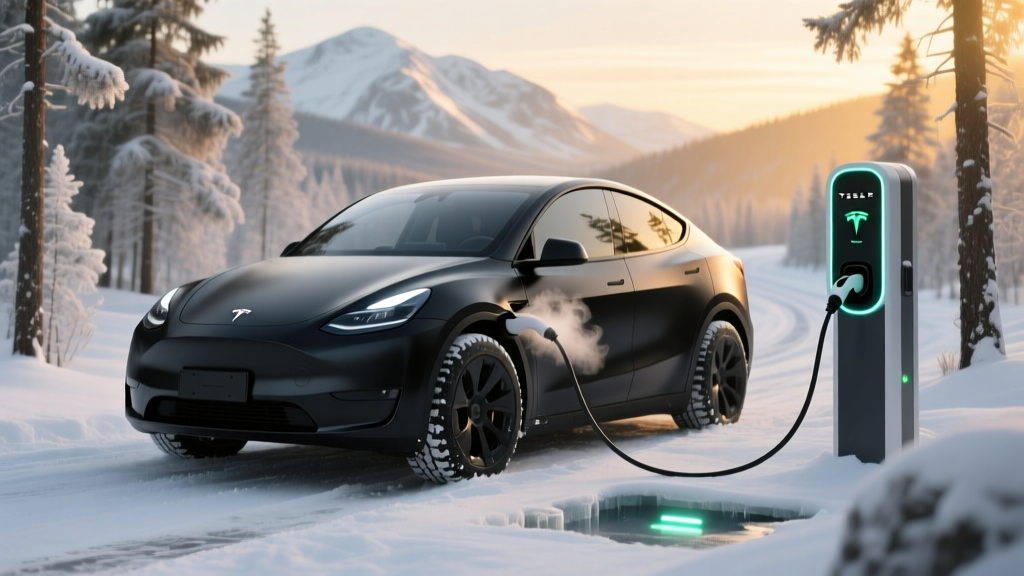
Real-world caveat: The Ioniq 5's EPA efficiency of 3.4 mi/kWh assumes moderate temperatures and mixed driving. In sustained highway driving at 75 mph, expect closer to 2.8–3.0 mi/kWh. In sub-freezing winter conditions, that drops to 2.4–2.7 mi/kWh due to cabin heating and battery thermal losses. Plan your energy budget around the worst-case season, not the EPA sticker.
Maintenance Savings: Where EVs Genuinely Win
EVs eliminate the most routine service items of internal-combustion vehicles. No oil changes, no spark plugs, no transmission fluid, no timing belts. The electric motor has essentially one moving part. Regenerative braking dramatically extends pad and rotor life — many EV owners report original brake pads at 60,000+ miles.
| Service Item | EV (5 yr / 60K mi) | Gas Vehicle (5 yr / 60K mi) |
|---|---|---|
| Oil Changes | $0 | $600 (10 changes) |
| Brake Pads/Rotors | $0–$200 | $800–$1,200 |
| Transmission Fluid | $0 | $150–$300 |
| Air Filters / Spark Plugs | $60 (cabin filter) | $300 |
| Coolant / Misc. | $100 | $400 |
| Tires (heavier vehicle wear) | $800–$1,000 | $600–$800 |
| Total Estimated | $960–$1,360 | $2,850–$3,600 |
The one cost where EVs can run higher is tires. EVs are 300–700 lbs heavier than gas equivalents and deliver instant torque, accelerating tread wear. Budget for a tire rotation every 6,000 miles and expect to replace tires at 30,000–40,000 miles rather than the 50,000+ typical for a gas crossover. EV-specific tire compounds (like Michelin e·Primacy or Hankook iON) last longer but cost 15–25% more per set.
The Insurance Reality: Expect to Pay More
This is the line item that catches most first-time EV buyers off guard. According to industry data, EV insurance premiums run 15–25% higher than comparable gas vehicles. For our Ioniq 5 example, expect roughly $1,950/year versus $1,500/year for a gas equivalent — a $2,250 gap over five years.
The reasons are structural, not arbitrary:
- Higher repair costs: EV battery packs, power electronics, and specialized aluminum structures are expensive to repair after collision damage. Many body shops still lack EV-certified technicians.
- Total-loss thresholds: Even minor battery-enclosure damage can trigger a total-loss declaration because insurers cannot safely certify a repaired pack.
- Higher vehicle values: Even used EVs command higher residual values, raising comprehensive/collision premiums.
- Limited claims data: Insurers have decades of loss history on gas models; EV actuarial data is still maturing, so companies price in a risk margin.
Shop aggressively. Tesla's own insurance product (available in most states) often undercuts third-party carriers by 10–20% on Tesla models. For non-Tesla EVs, get quotes from at least three carriers — the spread between the cheapest and most expensive can exceed $800/year.
Depreciation and Resale Value: The Trend Is Improving
EV depreciation was brutal in 2023–2024, with some models losing 50%+ of their value in two years. That was driven by aggressive Tesla price cuts, new-model proliferation, and consumer anxiety about battery longevity. By 2026, the curve has stabilized considerably.
Current 3-year retention rates for popular used EVs:
- Tesla Model Y (2023): ~52–56% of original MSRP retained
- Hyundai Ioniq 5 (2023): ~48–53%
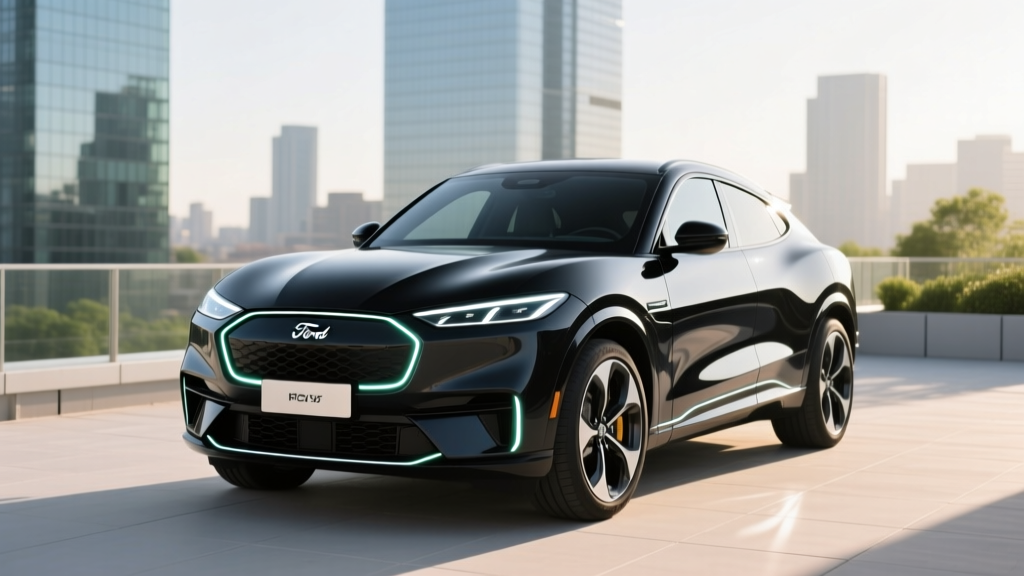
- Ford Mustang Mach-E (2023): ~45–50%
- Chevrolet Bolt EUV (2023): ~55–60% (strong due to affordability and discontinuation demand)
- Gas crossover average (2023): ~55–62%
The gap between EV and gas depreciation has narrowed to roughly 5–8 percentage points at the 3-year mark. Several factors support further improvement: battery-health reporting is becoming standardized (giving buyers confidence in used packs), the 8-year/100,000-mile federal battery warranty mandate still covers most 2023–2024 models, and growing consumer familiarity reduces the "fear premium" that once crushed used EV values.
Buying tip: When evaluating a used EV, request a battery State of Health (SoH) report. Most OEM diagnostic tools can pull this — a 2023 model showing 92–95% SoH at 30,000 miles is normal and indicates minimal degradation. Anything below 88% at that mileage warrants investigation. Hyundai, Tesla, and Ford service centers can generate this report; third-party tools like OBDeleven (for VW-group vehicles) or Tessie (for Tesla) also work.
State, Local, and Utility Incentives
Important: State and local incentives vary enormously by jurisdiction and change frequently. Always verify current programs through your state energy office, utility provider, or the Alternative Fuels Data Center before relying on them in your budget.
Beyond the federal §25E credit, many buyers can stack additional savings:
- State purchase rebates: States like Colorado (up to $5,000 for income-qualified buyers), California (CVRP, up to $7,000 for low-income buyers scrapping an older vehicle), and Massachusetts (MOR-EV, up to $3,500) offer point-of-sale or post-purchase rebates for used EVs.
- Utility charging rebates: Many utilities offer $250–$1,000 toward Level 2 home charger purchase and installation. Pacific Gas & Electric, ConEdison, Xcel Energy, and others run these programs — check with your provider.
- HOV lane access: Several states (California, Colorado, Maryland, Virginia) grant solo-carpool-lane access to EVs, including some used models. This can be worth thousands in time savings for commuters.
- Registration fee offsets: A few states charge EVs higher annual registration fees (Ohio: $200, Washington: $225) to compensate for lost gas-tax revenue. Factor this into your state-specific math.
Frequently Asked Questions
How much does it really cost to own a used EV over 5 years?
For a typical used EV purchased around $25,000 and driven 12,000 miles per year, expect a net 5-year cost of roughly $28,000–$32,000 including purchase, energy, insurance, maintenance, and depreciation (minus any tax credits and resale value). That's typically $3,000–$6,000 less than a comparable gas vehicle, assuming you can charge at home most of the time.
Do I qualify for a federal tax credit on a used EV?
You may qualify for the §25E Previously-Owned Clean Vehicle Credit (up to $4,000) if: your AGI is ≤ $75K single / $150K joint, the vehicle's sale price is ≤ $25,000, the model year is at least 2 years old, you buy from a licensed dealer, and the battery is ≥ 7 kWh. The credit can be transferred to the dealer at point of sale for an immediate price reduction. Confirm details at irs.gov.
How much do I actually save on fuel and maintenance?
Fuel savings typically run $700–$1,000 per year if you charge mostly at home ($0.12–$0.15/kWh). Maintenance savings add another $300–$500 per year from eliminated oil changes, extended brake life, and fewer fluid services. Combined, expect $1,000–$1,500 in annual savings versus a gas vehicle — but offset that against ~$400–$500/year in higher insurance premiums.
Are used EVs more expensive to insure?
Yes, typically 15–25% more than comparable gas vehicles. The main drivers are higher repair costs (battery and power-electronics damage), limited body-shop expertise, and newer actuarial data. Shop multiple carriers — the spread between quotes can be $800+ per year, and some insurers (including Tesla Insurance and several regional carriers) now offer EV-specific policies at competitive rates.
How well do used EVs hold their value?
As of 2026, 3-year-old EVs retain roughly 45–60% of original MSRP, depending on the model. That's 5–8 percentage points below gas equivalents, but the gap has narrowed significantly since 2023–2024. Battery health data transparency, the transferable 8-year/100,000-mile federal battery warranty, and growing buyer confidence are all supporting used EV residuals. Models with strong demand (Tesla Model Y, Chevrolet Bolt) hold value best.
Should I worry about the battery in a used EV?
Federal law mandates that EV batteries carry a warranty of at least 8 years or 100,000 miles (10 years/150,000 miles in CARB states like California, New York, and Massachusetts) against defects and excessive capacity loss (typically below 70% SoH). A 2023 model with 30,000 miles still has 5+ years and 70,000+ miles of federal battery warranty remaining. Request a State of Health report before purchase — 92–95% SoH at this age is normal and healthy.