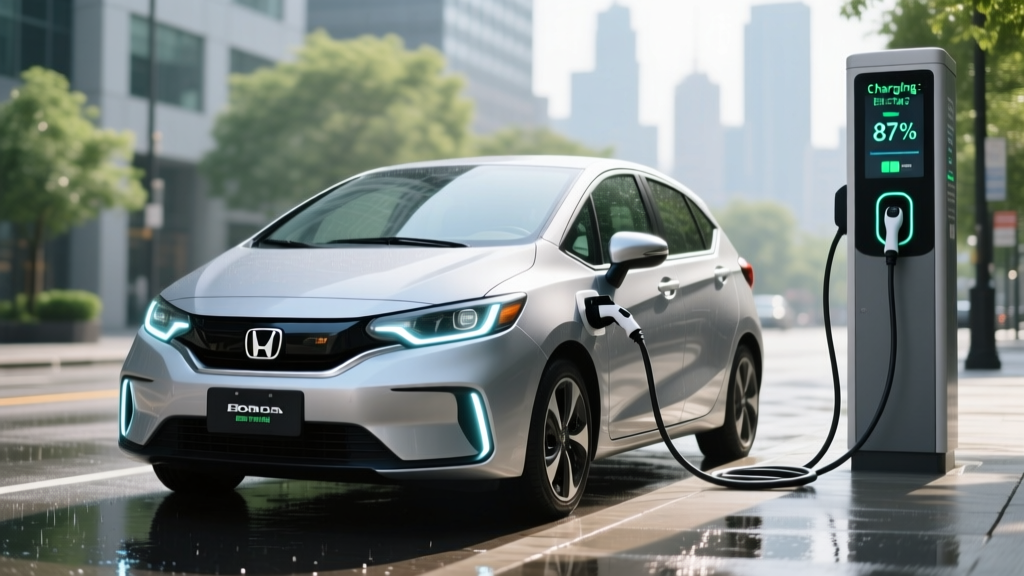
The used EV market has matured significantly, offering buyers access to capable electric vehicles at a fraction of their original MSRP. However, navigating the financial incentives remains complex. For 2026, the used EV federal tax credit (officially the Previously-Owned Clean Vehicles Credit under IRS §25E) offers up to $4,000 for eligible buyers. This guide breaks down the exact eligibility requirements, income caps, and the total cost of ownership compared to gas vehicles.
The Used EV Federal Tax Credit: IRS §25E Rules
Unlike the new vehicle credit (§30D), which can reach $7,500, the used EV credit is capped at $4,000 or 30% of the sale price, whichever is lower. To qualify, the vehicle must be at least two model years old and purchased from a licensed dealer for $25,000 or less.
2026 Eligibility Checklist
- Income Caps (MAGI): $75,000 (Single), $112,500 (Head of Household), $150,000 (Joint).
- Vehicle Price Cap: Sale price must be $25,000 or less.
- Vehicle Age: Must be at least two model years old (e.g., a 2024 model purchased in 2026).
- Battery Capacity: Minimum 7 kWh battery.
- Dealer Requirement: Must be purchased from a licensed dealer, not a private party.
- One-Time Use: You can only claim this credit once every three years per taxpayer.
5-Year Total Cost of Ownership Breakdown
Is a used EV actually cheaper to own? We compared a 2022 Tesla Model 3 RWD (approx. $22,000 used) against a comparable 2022 gas sedan (approx. $22,000). While the used EV credit provides an immediate $4,000 reduction in net cost, the long-term savings in fuel and maintenance are where the EV pulls ahead.
| Cost Category | Used EV (Model 3) | Gas Sedan (30 MPG) |
|---|---|---|
| Purchase Price (Net) | $18,000 (after $4k credit) | $22,000 |
| Energy/Fuel (5 yrs) | $3,200 ($0.14/kWh) | $7,500 ($3.50/gal) |
| Maintenance (5 yrs) | $1,800 | $3,500 |
| Insurance (5 yrs) | $9,500 | $7,200 |
| Depreciation | $6,500 | $8,000 |
| Total 5-Year Cost | $39,000 | $48,200 |
Fuel vs Charging: Cost Per Mile Math
The cost-per-mile advantage of an EV is substantial, provided you have access to Level 2 home charging. At the national average of $0.14 per kWh and an efficiency of 25 kWh/100 miles, the EV costs roughly $0.035 per mile. A gas vehicle at 30 MPG with fuel at $3.50 per gallon costs $0.116 per mile.
Annual Savings: For a driver covering 12,000 miles per year, the EV saves approximately $972 annually in energy costs. Over five years, this totals nearly $4,860 in savings, effectively paying for the battery's "premium" in the used market.
Maintenance and Insurance Realities
Maintenance for a used EV is generally 40-50% lower than gas vehicles. You eliminate oil changes, spark plugs, and transmission fluid. Furthermore, regenerative braking significantly extends brake pad life, often pushing replacement intervals past 100,000 miles.
However, insurance remains a hurdle. EVs typically cost 20-30% more to insure due to higher repair costs for battery packs and specialized bodywork. Always get an insurance quote before purchasing a used EV, as premiums vary by model and driver profile.
Depreciation and Resale Value
While EVs historically suffered steep depreciation, the market has stabilized. High-demand models like the Tesla Model 3 and Chevrolet Bolt now hold value comparable to gas counterparts, especially as battery health reports (SoH) become more standardized. A used EV purchased at $22,000 in 2026 is projected to retain approximately 70% of its value by 2031, assuming no major battery degradation.
State and Local Incentives
Beyond the federal credit, many states offer additional rebates. California’s CVRP, Colorado’s innovative tax credits, and various utility company rebates for home charger installation can further reduce the net cost. Because these vary by zip code, check the Alternative Fuels Data Center for your specific location.
Frequently Asked Questions
Can I transfer the used EV credit to the dealer?
Yes. As of 2024, the IRS allows the transfer of the used EV credit to the dealer at the point of sale, effectively reducing your down payment by up to $4,000 instantly.
Does a used Tesla qualify for the credit?
Yes, provided it meets the $25,000 price cap and age requirements. Many 2021-2022 Model 3s now qualify as they drop below the $25k threshold in the used market.
What happens if my income exceeds the cap?
If your Modified Adjusted Gross Income (MAGI) exceeds the limits in the tax year you take delivery, you are ineligible and must repay the credit if it was transferred at the point of sale.