The Quick Answer
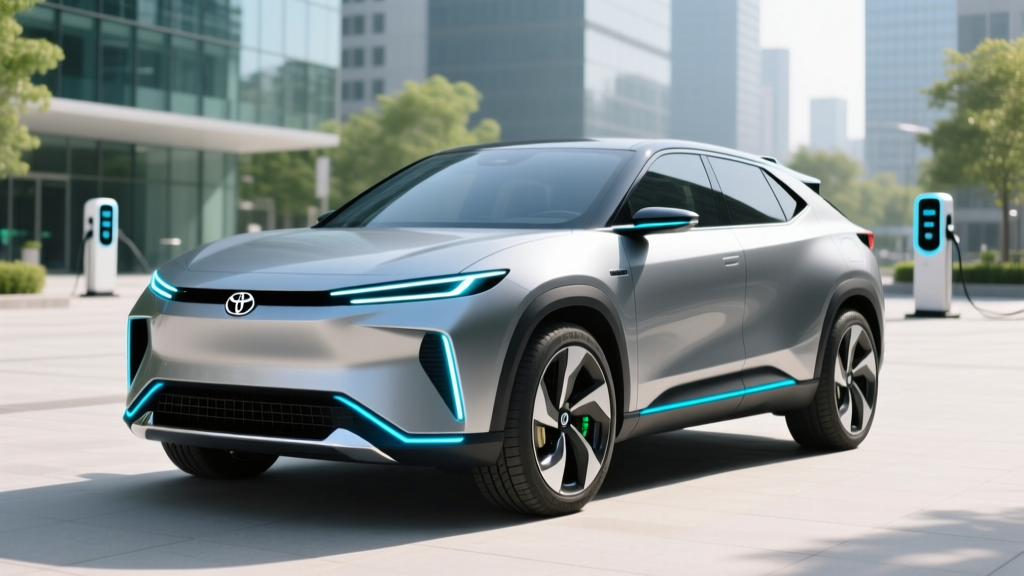
As of early 2026, Toyota sells one battery-electric SUV in the U.S.: the bZ4X, starting at roughly $37,070 with an EPA-estimated 252 miles of range (FWD, XLE trim). A larger three-row electric SUV, the bZ5X, has been announced and is expected to arrive for the 2027 model year. If you need a Toyota electrified SUV today and want more range or three rows, the RAV4 Plug-In Hybrid (Prime) offers 42 miles of electric-only driving and 38 MPG combined afterward — a practical bridge for buyers not yet ready to go fully electric.
Toyota's Electric SUV Lineup Right Now
Toyota has moved more cautiously into full electrification than competitors like Hyundai, Tesla, and Ford. The bZ4X — co-developed with Subaru (sold as the Solterra) — remains Toyota's sole battery-electric vehicle (BEV) available to U.S. buyers as of 2026. The larger, three-row bZ5X was previewed as a concept and confirmed for production, but it is not yet on dealer lots. Here is the current electrified-SUV picture at Toyota:
| Model | Type | EPA Electric Range | Starting MSRP (2026) | Status |
|---|---|---|---|---|
| bZ4X (XLE FWD) | BEV | 252 mi | $37,070 | On sale |
| bZ4X (Limited AWD) | BEV | 228 mi | $43,970 | On sale |
| bZ5X (3-row) | BEV | ~300 mi (est.) | TBA | Announced / upcoming |
| RAV4 Prime | PHEV | 42 mi electric + 38 MPG | $44,560 | On sale |
| Highlander Hybrid | HEV | 36 MPG combined | $41,670 | On sale |
The bZ4X rides on Toyota's e-TNGA platform and packs a 71.4 kWh (usable) lithium-ion battery with NMC (nickel-manganese-cobalt) chemistry. Front-wheel-drive models produce 201 hp and reach 60 mph in about 7.1 seconds; all-wheel-drive versions add a rear motor for 214 hp and a 6.5-second 0–60 time, at the cost of roughly 24 miles of EPA range.
Real-World Range: What the EPA Sticker Doesn't Tell You
bZ4X Range Reality Check
EPA estimate: 252 miles (XLE FWD) / 228 miles (Limited AWD)
Expect in mixed real-world driving: ~220–240 miles
Highway-only at 75 mph: ~195–215 miles
Cold weather (below 30°F): ~165–195 miles (25–35% reduction)
These figures matter for trip planning. The bZ4X's efficiency sits around 119 MPGe combined (FWD), which translates to roughly 28–30 kWh/100 miles — adequate but not class-leading. The Hyundai Ioniq 5, by comparison, achieves up to 318 EPA miles on a larger 84 kWh battery and more efficient 800V architecture. If your commute is under 60 miles round-trip and you charge at home, the bZ4X's real-world range is plenty. If you regularly drive 200+ miles between charging stops, plan carefully — especially in winter.
The bZ4X does include a heat pump on most trims, which helps mitigate cold-weather range loss compared to EVs without one. Still, any lithium-ion battery loses efficiency in freezing temperatures. Toyota's battery warranty covers 8 years/100,000 miles with a capacity retention threshold of 70%.
Charging Speed and Infrastructure
Charging is where the bZ4X faces its most pointed criticism. The SUV supports a peak DC fast-charge rate of approximately 150 kW (FWD) to 150 kW (AWD), but sustained rates taper significantly past 60% state of charge. Here is the breakdown:
| Charging Level | Power (kW) | Time / Rate | Connector |
|---|---|---|---|
| Level 1 (120V household) | ~1.2 kW | ~3–4 mi/hr added | J1772 (included cable) |
| Level 2 (240V home/public) | 7.2 kW (onboard charger) | ~23 mi/hr; full charge in ~10.5 hrs | J1772 / NACS (with adapter) |
| DC Fast Charging | Peak ~150 kW | 10–80% in ~32 minutes | CCS1 / NACS (with adapter) |
The 10–80% DC fast-charge time of roughly 32 minutes is slower than the Ioniq 5's ~18 minutes (thanks to its 800V architecture peaking at 240 kW). On a road trip, that means slightly longer stops. The bZ4X's charge curve is relatively flat between 20–60% SoC, then tapers steeply above 70% — a common pattern for 400V NMC packs, but worth knowing so you don't sit at a charger watching trickling speeds past 80%.
Tesla Supercharger access: Toyota has adopted the NACS (North American Charging Standard) connector for the bZ4X in the U.S. market, giving owners access to Tesla's Supercharger network via the included adapter or native NACS port on newer model years. This is a significant practical advantage, as Tesla's network remains the most reliable and widespread DC fast-charging infrastructure in North America, with over 25,000 stalls as of 2026 (source: tesla.com/supercharger).
Cost Breakdown: bZ4X vs. Gas and Hybrid Alternatives
The buying decision for Toyota new electric SUVs comes down to total cost of ownership (TCO), not just the sticker price. Below is a 5-year/75,000-mile comparison between the bZ4X, the RAV4 Hybrid, and a conventional gas RAV4, assuming 15,000 miles/year, $0.14/kWh home electricity, $3.50/gallon gas, and mostly home charging for the EV.
| Cost Category | bZ4X (BEV) | RAV4 Hybrid (HEV) | RAV4 Gas (AWD) |
|---|---|---|---|
| Base MSRP | $37,070 | $33,975 | $30,675 |
| Est. Federal Tax Credit (§30D) | Up to $7,500* | $0 | $0 |
| Effective Purchase Price | ~$29,570* | $33,975 | $30,675 |
| 5-Year Fuel/Energy Cost | ~$3,940 | ~$6,750 | ~$9,375 |
| 5-Year Maintenance | ~$1,500 | ~$3,200 | ~$3,800 |
| 5-Year Insurance (est. avg) | ~$9,500 | ~$7,800 | ~$7,500 |
| 5-Year Total (purchase + fuel + maint + ins) | ~$44,510 | ~$51,725 | ~$51,350 |
*Federal §30D tax credit eligibility depends on MSRP caps (SUVs: $80,000), buyer income limits ($300K MFJ / $150K single), and battery critical-mineral/sourcing requirements. The credit can now be transferred to the dealer at point of sale as a purchase-price reduction. Verify current eligibility at irs.gov and consult a tax professional.
The numbers show that the bZ4X can undercut both the hybrid and gas RAV4 over five years — primarily because of the federal tax credit and dramatically lower fuel and maintenance costs. However, insurance for the bZ4X runs 15–25% higher than its gas counterpart, a common EV pattern driven by higher repair costs and parts pricing. Get quotes before buying.
Who Should Buy the bZ4X — and Who Should Wait
Decision Framework: Is the bZ4X Right for You?
Choose the bZ4X if:
- You have reliable home Level 2 charging (or can install a 240V outlet)
- Your daily driving is under 80 miles round-trip
- You want access to the Tesla Supercharger network via NACS
- You qualify for the §30D tax credit, bringing the effective price below $32,000
- You value Toyota's reliability reputation and dealership network
Consider the RAV4 Prime (PHEV) instead if:
- You lack home charging access or live in an apartment without EV infrastructure
- You take frequent 300+ mile road trips and don't want to plan charging stops
- You need a proven, widely available vehicle with 42 miles of electric commuting and 38 MPG after that
Wait for the bZ5X if:
- You need three rows of seating
- You want 300+ miles of range and faster 800V-class charging
- Your purchase isn't urgent — expect late 2026 or 2027 availability
Common Misconceptions About Toyota's Electric SUVs
| Myth | Fact |
|---|---|
| "The bZ4X can't handle road trips." | It can, with planning. At 150 kW peak DC charging and NACS/Supercharger access, a 400-mile trip requires one ~35-minute stop. It's slower than an Ioniq 5 but functional. |
| "Toyota doesn't make real EVs." | The bZ4X is a dedicated BEV on the e-TNGA platform, not a converted gas car. Toyota has been slower to market than Hyundai or Tesla, but the vehicle is a legitimate, if conservative, EV. |
| "EV batteries need replacing after a few years." | Modern NMC and LFP batteries are engineered for 200,000+ mile lifespans. Toyota warranties the bZ4X battery for 8 years/100,000 miles at 70% capacity. Real-world degradation data from similar platforms shows ~10–12% loss at 100,000 miles. |
| "The $7,500 tax credit applies to everyone." | Federal §30D credit has income caps, MSRP caps, and battery-sourcing requirements that change annually. Not all buyers qualify. The point-of-sale transfer option simplifies things, but verify eligibility on irs.gov. |
| "I can charge on a standard outlet and be fine." | Level 1 (120V) adds only ~3–4 miles per hour. A full charge from empty would take over 60 hours. For daily use with a short commute it can work, but Level 2 (240V) home charging is strongly recommended — budget $500–$2,000 for installation. |
Real-World Ownership Considerations
Beyond the spec sheet, several practical factors shape daily life with the bZ4X:
Home charging access is critical. If you own a home with a 200-amp electrical panel, a Level 2 charger installation typically costs $800–$1,500 (equipment + electrician + permit). If your panel needs an upgrade to 200A, add $1,500–$3,000. Apartment dwellers should check whether their building has or plans EV charging — relying solely on public charging erodes the cost advantage and convenience of EV ownership.
Public charging reliability varies. While Tesla Superchargers consistently deliver 95%+ uptime, third-party networks like Electrify America and EVgo have improved but still experience occasional downtime. The bZ4X's NACS compatibility helps here significantly. Use apps like PlugShare and A Better Routeplanner to check station status before trips.
Cold-weather buyers should precondition. The bZ4X supports battery preconditioning when you set a navigation route to a DC fast charger. This warms the battery for faster charging — essential in sub-40°F weather, where an unconditioned battery might accept only 40–60 kW instead of the rated 150 kW peak.
Depreciation is a wildcard. EV resale values have been volatile. The bZ4X launched with steep initial depreciation, partly due to early recalls and range criticism. Toyota's brand strength may help stabilize long-term values, but don't expect to match RAV4 Hybrid resale performance. Lease buyers are insulated from this risk.
Frequently Asked Questions
Does the Toyota bZ4X qualify for the $7,500 federal tax credit in 2026?
It may, but eligibility depends on several factors under IRS §30D: your modified adjusted gross income must not exceed $300,000 (married filing jointly) or $150,000 (single), the vehicle MSRP must be under $80,000 (SUV classification), and the battery must meet critical-mineral and component-sourcing thresholds that tighten each year. As of 2026, the credit can be transferred to the dealer at point of sale as an immediate price reduction. Always verify current rules at irs.gov and consult a tax professional before committing.
How does the bZ4X compare to the Hyundai Ioniq 5?
The Ioniq 5 offers more EPA range (up to 318 miles), faster DC charging (10–80% in ~18 min via 800V architecture at 240 kW peak), and slightly more cargo space. The bZ4X counters with standard AWD availability, Toyota's dealer network, NACS Supercharger access, and a lower starting price. If charging speed and range are top priorities, the Ioniq 5 wins on specs. If you value Toyota's brand and the Supercharger network, the bZ4X is competitive.
Should I buy the bZ4X or the RAV4 Prime?
If you can charge at home and your daily driving stays under 80 miles, the bZ4X will cost less to operate over five years (especially with the tax credit). If you lack home charging, frequently take long road trips, or want the flexibility of gas with electric commuting, the RAV4 Prime's 42 miles of EV range plus 38 MPG hybrid operation is an excellent compromise — and it doesn't depend on charging infrastructure.
What is the bZ4X's towing capacity?
The bZ4X is rated to tow up to 2,200 lbs (AWD) — enough for a small utility trailer or a pair of dirt bikes, but not a camper. If you need serious towing, the upcoming bZ5X or a RAV4 Hybrid (1,500 lbs) / Highlander Hybrid (5,000 lbs) may suit you better. Note that towing significantly reduces EV range — expect a 30–40% reduction at highway speeds with a loaded trailer.
When will the Toyota bZ5X be available?
The bZ5X, a three-row electric SUV, has been confirmed by Toyota as a production model but as of early 2026 has not yet gone on sale. Preliminary estimates suggest ~300 miles of range and a starting price in the low-to-mid $50,000s, but final specs and pricing have not been published. Expect availability in late 2026 or as a 2027 model year vehicle. We'll update this guide when official details are released.
How much does it cost to charge the bZ4X at home?
At the U.S. average residential electricity rate of ~$0.16/kWh (per EIA data via fueleconomy.gov), fully recharging the bZ4X's 71.4 kWh battery from empty costs roughly $11.42. In practice, most owners charge from 20–80% daily, costing about $6.85 — far less than the ~$45–$55 a gas RAV4 would need for an equivalent fill-up at $3.50/gallon. Over 15,000 miles/year, home charging costs roughly $790 versus $1,875 for gas.
Bottom Line
Toyota new electric SUVs in 2026 means the bZ4X — a competent, if conservative, electric crossover that benefits from NACS Supercharger access, a reasonable price after tax credits, and Toyota's service network. It isn't the fastest-charging or longest-range EV in its class, but for buyers who want an electric Toyota and whose driving patterns fit within ~220 real-world miles, it's a practical choice. For those who need more range, three rows, or faster charging, the RAV4 Prime is a strong hybrid bridge, and the bZ5X is worth waiting for if your timeline allows.