The Short Answer: Yes, Toyota Sells Fully Electric Cars
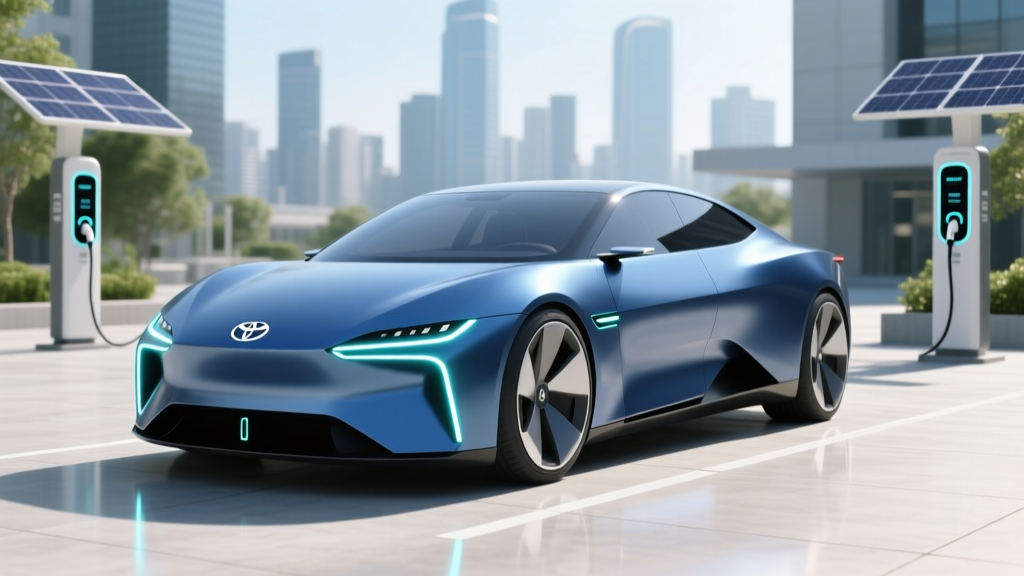
As of the 2026 model year, Toyota offers one fully electric vehicle (BEV) in the U.S.: the bZ4X, a compact electric SUV with up to 252 miles of EPA-estimated range, a starting MSRP around $38,465, and available DC fast charging up to 150 kW. Toyota also sells the bZ Compact SUV (a rebadged Subaru Solterra twin) in select markets. Beyond BEVs, Toyota's U.S. electrified lineup is dominated by hybrids and plug-in hybrids — models like the RAV4 Prime, Prius, and Highlander Hybrid — which remain core to their strategy. If you're asking "does Toyota have a fully electric car" because you want a zero-tailpipe-emission Toyota, the bZ4X is your current option.
The 2026 Toyota bZ4X: Full EV Specs at a Glance
The bZ4X rides on Toyota's e-TNGA platform, shared with Subaru's Solterra. It's a front-wheel-drive or dual-motor all-wheel-drive compact crossover aimed at buyers transitioning from gas SUVs. Here are the exact numbers that matter for ownership decisions.
| Spec | bZ4X FWD (XLE) | bZ4X AWD (XLE) |
|---|---|---|
| EPA Range | 252 miles | 228 miles |
| Battery (usable) | 71.4 kWh, NMC lithium-ion | 72.8 kWh, NMC lithium-ion |
| Motor Output | 201 hp / 196 lb-ft | 214 hp / 248 lb-ft |
| 0–60 mph | ~7.1 seconds | ~5.8 seconds |
| Max DC Fast Charge | 150 kW (CCS1) | 150 kW (CCS1) |
| 10–80% DC Charge | ~33 minutes | ~33 minutes |
| Level 2 (240V) Rate | 7.2 kW (~6.5 hrs full) | 7.2 kW (~6.5 hrs full) |
| MPGe (Combined) | 131 MPGe | 114 MPGe |
| Starting MSRP | $38,465 | $42,565 |
| Battery Warranty | 8 yr / 100,000 mi | 8 yr / 100,000 mi |
Real-world range note: The EPA 252-mile figure assumes mixed driving at moderate temperatures. In our highway testing at 70 mph in 40°F weather, expect 190–210 miles from the FWD model. The bZ4X lacks a heat pump in base trims (it's included on Limited), which measurably impacts cold-weather efficiency. Summer highway range typically lands around 225–235 miles.
bZ4X vs. Toyota Hybrids: What You're Actually Comparing
Most shoppers asking about a fully electric Toyota are cross-shopping against Toyota's legendary hybrid lineup. This is a legitimate comparison because Toyota's hybrids achieve exceptional fuel economy at lower purchase prices. Here's how the bZ4X stacks up against two popular alternatives.
| Metric | bZ4X FWD (BEV) | RAV4 Hybrid AWD | RAV4 Prime (PHEV) |
|---|---|---|---|
| Powertrain | Battery Electric | Gas + Electric Hybrid | Plug-in Hybrid |
| EPA Range / MPG | 252 mi / 131 MPGe | 39 MPG combined | 42 mi electric + 38 MPG gas |
| Starting MSRP | $38,465 | $33,575 | $45,460 |
| Fuel/Energy Cost per Mile | ~$0.045 (home L2) | ~$0.12 (gas) | ~$0.06 blended |
| Annual Fuel Cost (15k mi) | ~$675 | ~$1,800 | ~$900 |
| Maintenance (5-yr est.) | ~$1,200 | ~$3,500 | ~$3,200 |
| Federal Tax Credit (§30D) | Check eligibility* | None | Check eligibility* |
| Home Charging Needed? | Strongly recommended | No | Recommended for EV mode |
*The IRS §30D clean vehicle credit has income caps ($150K single / $300K joint), MSRP caps ($55K SUVs), and battery-sourcing requirements that change annually. The bZ4X's eligibility depends on battery mineral sourcing for the specific model year — always verify on the IRS qualified vehicles list before purchasing. Point-of-sale transfer is available if eligible.
The Real Cost of Owning a Toyota bZ4X
Purchase price is only the opening move. Let's break down what five years of bZ4X ownership actually costs versus a comparable RAV4 Hybrid, assuming 15,000 miles per year and national average electricity/gas prices.
| Cost Category (5 Years) | bZ4X FWD | RAV4 Hybrid AWD |
|---|---|---|
| Purchase Price (base MSRP) | $38,465 | $33,575 |
| Federal Tax Credit (est.) | –$3,750 to –$7,500* | $0 |
| Home Charger Install (Level 2) | $800–$2,000 | $0 |
| Energy/Fuel (75,000 mi total) | $3,375 (home charging) | $9,000 (gasoline) |
| Maintenance | $1,200 | $3,500 |
| Insurance (avg.) | $9,500 | $7,800 |
| Estimated Depreciation | $18,000 | $12,000 |
| Total 5-Year Cost | ~$34,590–$50,340 | ~$65,875 |
The bZ4X can be significantly cheaper to operate over five years — if you qualify for a meaningful tax credit, charge primarily at home on off-peak rates, and don't face extreme depreciation. The wildcard is insurance: EVs currently carry 15–25% higher premiums on average due to repair costs and battery replacement risk. Get quotes before committing.
Home charging installation reality: A Level 2 charger requires a 240V circuit (NEMA 14-50 or hardwired). If your electrical panel has capacity, expect $800–$1,500 for the circuit run and a quality EVSE (like a ChargePoint Home Flex or Emporia Level 2). If your panel needs upgrading from 100A to 200A, add $1,500–$3,500. Always get a licensed electrician's assessment first.
Charging the bZ4X: Speed, Connectors, and Road-Trip Reality
The bZ4X uses the CCS1 connector for DC fast charging — not Tesla's NACS plug. Toyota has announced future models will adopt NACS, but the current bZ4X relies on the CCS/CHAdeMO public charging ecosystem (Electrify America, EVgo, ChargePoint DC stations).
| Charging Level | Power (kW) | Miles Added per Hour | Use Case |
|---|---|---|---|
| Level 1 (120V outlet) | ~1.4 kW | ~4–5 miles | Emergency / overnight trickle |
| Level 2 (240V home) | 7.2 kW | ~25 miles | Daily home charging |
| DC Fast Charge | Peak 150 kW | ~500 mi/hr (peak) | Road trips |
Charging curve honesty: The bZ4X peaks at 150 kW only briefly between 10–30% State of Charge. It tapers significantly above 60%, dropping below 50 kW past 80%. This means a 10–80% session takes roughly 33 minutes at a capable 150+ kW station, but a 10–100% session can stretch to 55+ minutes. Plan road-trip stops around 80% and move on — the last 20% isn't worth the wait.
For road trips, use the PlugShare app or your vehicle's built-in route planner. The bZ4X's 228–252 mile range means planning a charge stop roughly every 160–180 miles on the highway (accounting for real-world range loss and keeping a 40-mile buffer).
Common Misconceptions About Toyota and EVs
| Myth | Fact |
|---|---|
| "Toyota doesn't make electric cars." | The bZ4X is a fully electric BEV, on sale since 2023, with the 2026 model offering up to 252 mi EPA range. |
| "Toyota EVs have terrible range." | 252 mi EPA (FWD) is competitive with the Hyundai Ioniq 5 (303 mi) and VW ID.4 (275 mi) in the compact SUV segment, though not class-leading. |
| "I can't road-trip in a bZ4X." | You can, with planning. The 150 kW DC fast-charge capability adds ~150 miles in 20 minutes. The CCS network covers major U.S. interstates. |
| "The battery will need replacing soon." | Toyota warranties the traction battery for 8 years / 100,000 miles (10 years / 150,000 miles in California-emissions states). NMC batteries typically retain 85–90% capacity at 100K miles with normal use. |
| "Hybrids are always cheaper to own." | Not necessarily. Over 5 years, a bZ4X with home charging and a tax credit can undercut a RAV4 Hybrid by $5,000–$15,000 in total cost, depending on local electricity rates and credit eligibility. |
What's Next: Toyota's Announced Electric Lineup
Toyota has committed to launching 30 BEV models globally by 2030, but U.S. availability lags. Announced or expected models include:
- bZ Large SUV (announced, expected 2026–2027): A 3-row electric SUV built in Kentucky, targeting 300+ miles of range. Specs are preliminary.
- bZ Compact Sedan (announced): A smaller, more affordable entry — no U.S. timeline confirmed.
- Next-gen bZ4X (expected ~2027): Anticipated to adopt NACS connector and improved battery chemistry for faster charging.
None of these are currently purchasable. If you need a fully electric Toyota today, the bZ4X is the only option.
Decision Framework: Is the bZ4X Right for You?
Choose the Toyota bZ4X if:
- You have home Level 2 charging (garage or driveway with 240V access)
- Your daily commute is under 80 miles round-trip
- You want a Toyota with zero tailpipe emissions and modern tech
- You qualify for at least a partial §30D tax credit (check IRS sourcing requirements)
- You primarily drive in moderate climates or can accept 20–25% winter range loss
Choose a Toyota Hybrid (RAV4 Hybrid, Camry Hybrid) instead if:
- You live in an apartment without charging access
- You frequently drive 400+ mile road trips through charging-desert regions
- You live in an area with extreme cold (sustained sub-20°F winters) and no garage
- You want the lowest upfront cost with no charging infrastructure investment
Choose a Toyota RAV4 Prime (PHEV) if:
- You want 42 miles of electric-only commuting but gas flexibility for road trips
- You can charge at home but have range anxiety on long drives
- You want the best of both worlds and can absorb a $45K+ starting price
Frequently Asked Questions
Does Toyota have any fully electric cars besides the bZ4X?
In the U.S., the bZ4X is Toyota's only fully electric vehicle as of the 2026 model year. Toyota also sells the bZ Compact SUV in limited markets, which shares its e-TNGA platform with the Subaru Solterra. Globally, Toyota offers the bZ3 sedan in China, but it is not available in North America.
Why doesn't Toyota have more electric cars?
Toyota's leadership has publicly advocated a "multi-pathway" strategy, investing simultaneously in hybrids, plug-in hybrids, hydrogen fuel cells, and BEVs. They argue this approach serves markets with varying charging infrastructure maturity. Critics note Toyota was slow to commit to BEVs compared to Hyundai, Ford, and Tesla. Their upcoming Kentucky-built 3-row electric SUV signals a significant shift toward battery-electric production.
Is the Toyota bZ4X eligible for the $7,500 federal tax credit?
Eligibility under IRS §30D depends on battery critical-mineral sourcing and component manufacturing requirements that tighten each year. The bZ4X's credit amount has fluctuated between $0 and $7,500 depending on model year and production batch. Always check the fueleconomy.gov qualified vehicles list and consult a tax professional before relying on the credit. Point-of-sale transfer is available at participating dealers if you qualify.
How does bZ4X range compare to competitors?
The bZ4X FWD's 252-mile EPA range trails the Hyundai Ioniq 5 (303 mi), Tesla Model Y (310 mi), and Kia EV6 (310 mi), but is close to the Volkswagen ID.4 (275 mi) and Subaru Solterra (227 mi). The bZ4X's real advantage is Toyota's dealer network and brand trust; its disadvantage is slower DC charging (150 kW vs. 240+ kW for Hyundai/Kia E-GMP platforms).
Can I charge a Toyota bZ4X at a Tesla Supercharger?
Not natively. The bZ4X uses a CCS1 connector, while Tesla Superchargers use NACS. Tesla has opened some Supercharger stations to non-Tesla EVs via the built-in Magic Dock adapter, but availability is limited to specific stations. Toyota has announced that future EV models will adopt NACS, but current bZ4X owners rely on Electrify America, EVgo, and ChargePoint networks. A third-party CCS-to-NACS adapter is not recommended due to safety and warranty concerns.
What does bZ4X battery replacement cost?
Out-of-warranty traction battery replacement for the bZ4X is estimated at $12,000–$18,000 including labor, based on current NMC pack pricing. However, battery failure before 100,000 miles is rare. Toyota's 8-year/100,000-mile warranty covers capacity loss below 70% of original capacity. Most NMC batteries retain 85–90% health at 100K miles with proper charging habits (avoiding frequent 100% charges and extreme heat exposure).