Quick Answer: Is the Toyota C-HR EV Worth It in 2026?
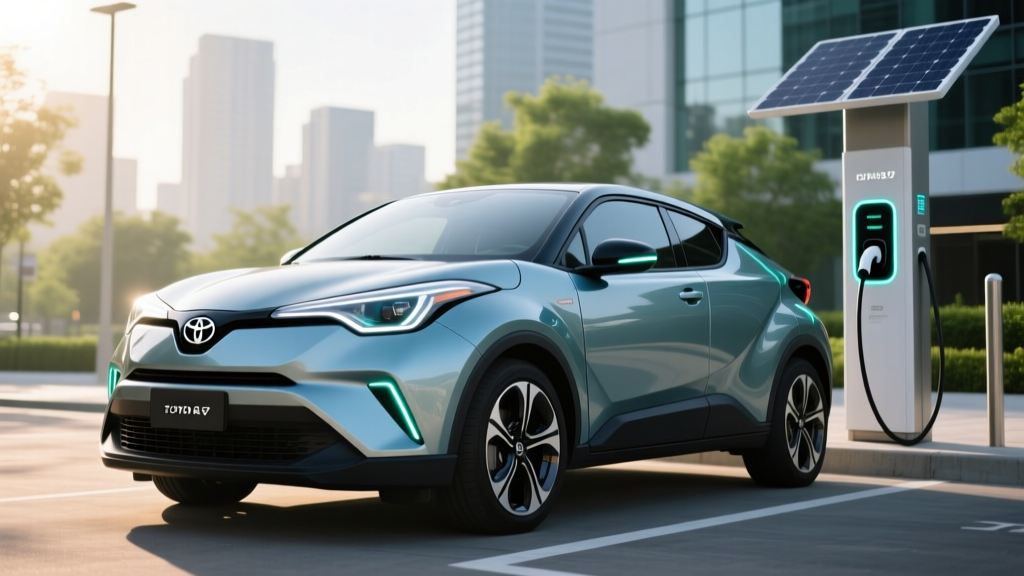
The Toyota C-HR EV is a compact crossover targeting buyers who want Toyota reliability in an affordable, city-friendly electric package. Expect an EPA-estimated range around 250 miles from a ~58 kWh LFP battery, peak DC fast charging near 150 kW (10–80% in roughly 30 minutes), and a starting MSRP in the low-to-mid $30,000s. It competes directly with the Hyundai Kona Electric, Kia Niro EV, and Nissan Ariana. Federal tax credit eligibility under IRS §30D depends on battery sourcing, your income, and the vehicle's final MSRP — check the latest rules at irs.gov before counting on the full $7,500.
Range, Battery, and Real-World Efficiency
The C-HR EV is expected to use a lithium iron phosphate (LFP) battery pack in the 58–60 kWh usable range. LFP chemistry trades some energy density for longer cycle life, better thermal stability, and lower cost — a smart fit for a mainstream compact crossover. Toyota has increasingly adopted LFP for volume models to keep MSRPs down and durability up.
| Spec | Value |
|---|---|
| Battery (usable) | ~58 kWh (LFP) |
| EPA Range (est.) | ~250 mi |
| Real-World Highway | ~210–225 mi |
| Real-World Cold (20°F) | ~180–200 mi |
| Efficiency | ~25–27 kWh/100 mi (~120–130 MPGe) |
| Peak DC Charge Rate | ~150 kW |
| 10–80% DC Time | ~30 min |
| Level 2 (240V, 48A) | ~11.5 kW, ~7 hrs 0–100% |
| Motor Output | ~201 hp (FWD) |
| 0–60 mph | ~7.0 sec |
EPA vs. Real-World Range: What to Actually Expect
EPA range tests blend city and highway driving at moderate temperatures. In real-world highway use at 70–75 mph, expect the C-HR EV to deliver roughly 210–225 miles before you need to plug in. In freezing weather (20°F or below), battery chemistry and cabin heating demands can reduce range by 20–30%, bringing usable miles down to 180–200. If your daily commute is under 40 miles round-trip, this range is more than adequate even in winter. For frequent 200+ mile road trips, plan one DC fast-charge stop.
Charging Speed and Infrastructure Reality
The C-HR EV's ~150 kW peak DC fast-charge rate is competitive for its class, though not segment-leading. The Hyundai Kona Electric and Kia Niro EV charge at similar or slightly higher rates. Here's the nuance most spec sheets hide: peak kW is not sustained kW. You'll see ~150 kW only between roughly 10–40% State of Charge (SoC). After 60%, the charge curve tapers significantly to protect the battery, dropping to 50–70 kW. That's why the 10–80% time is ~30 minutes rather than the ~18 minutes you'd get if peak rate were sustained.
| Level | Power (kW) | Miles Added per Hour | Best For |
|---|---|---|---|
| Level 1 (120V) | ~1.4 kW | ~4–5 mi/hr | Overnight top-up, emergencies |
| Level 2 (240V, 48A) | ~11.5 kW | ~35–40 mi/hr | Home/workplace daily charging |
| DC Fast Charge | ~150 kW peak | ~300+ mi/hr (at peak) | Road trips, rapid top-ups |
Connector note: Toyota has committed to adopting the NACS (North American Charging Standard) connector for its EVs. If the C-HR EV ships with NACS, you'll gain native access to Tesla Superchargers — a significant range-extending advantage over CCS-only vehicles. If it ships with CCS1, a NACS adapter will be needed for Supercharger access. Confirm the connector with your dealer before purchase.
EV vs. Gas vs. Hybrid: Cost Comparison
Toyota sells the C-HR as a hybrid in many markets, and the gas-only C-HR was discontinued in the U.S. after 2022. Here's how the EV variant stacks up against a comparable compact gas crossover and Toyota's own Corolla Cross Hybrid on operating costs.
| Cost Factor | C-HR EV (est.) | Compact Gas Crossover (28 MPG) | Corolla Cross Hybrid (42 MPG) |
|---|---|---|---|
| Fuel/Energy | $3,750 (home charging @ $0.15/kWh) | $9,375 ($3.50/gal) | $6,250 ($3.50/gal) |
| Maintenance | $1,500 | $3,500 | $3,200 |
| Insurance (avg.) | $7,500 | $6,000 | $6,500 |
| 5-Year Total Operating | ~$12,750 | ~$18,875 | ~$15,950 |
Source: fueleconomy.gov efficiency data; electricity and gas costs are national averages and vary by region.
The EV saves roughly $6,100 in operating costs over 5 years vs. a gas crossover, and about $3,200 vs. the hybrid. However, insurance premiums on EVs tend to run 15–25% higher due to repair costs and battery replacement risk. Your actual savings depend heavily on local electricity rates — if you pay $0.30+/kWh (common in California and the Northeast), the fuel-cost advantage shrinks.
Real-World Ownership: What First-Time EV Buyers Must Know
Buying a C-HR EV (or any EV) involves considerations that don't exist with gas cars. Here's the practical breakdown:
Home Charging Access Is Non-Negotiable for Most Owners
Over 80% of EV charging happens at home. If you have a garage or dedicated parking spot with access to a 240V outlet (or can install one), a Level 2 home charger will refill the C-HR EV overnight — roughly 35–40 miles of range per hour of charging. A full Level 2 home charger installation typically costs $800–$2,500 including the charger unit ($400–$700), electrician labor ($400–$1,500), and permits ($50–$300). If your electrical panel needs an upgrade to 200A, add $1,500–$3,000.
If you live in an apartment or lack home charging access, you'll rely on public DC fast charging and workplace chargers. This is viable but less convenient and more expensive per mile (public DC rates average $0.30–$0.50/kWh vs. $0.12–$0.18/kWh at home).
Climate Matters More Than You Think
LFP batteries handle cold better than older chemistries but still lose range in freezing weather. The C-HR EV's heat pump (if equipped — confirm with Toyota) will help reduce cabin-heating energy draw in winter. If you live in northern states where temperatures regularly drop below 20°F, budget for 20–30% range loss and consider whether 250 miles of EPA range leaves enough buffer for your worst-case driving day.
Tax Credit Eligibility Is Not Guaranteed
Under current IRS §30D rules, the federal clean vehicle credit offers up to $7,500, but eligibility hinges on multiple requirements:
- MSRP cap: SUVs/crossovers must be under $80,000 (the C-HR EV easily clears this)
- Buyer income cap: AGI must not exceed $150,000 (single), $225,000 (head of household), or $300,000 (joint)
- Battery sourcing: Critical minerals and battery components must meet phased-in percentages from U.S. or FTA-partner countries — this requirement tightens annually
- Point-of-sale transfer: You can apply the credit at the dealer to reduce your purchase price directly
Always verify current eligibility at irs.gov and consult a tax professional. Sourcing rules have disqualified several popular EVs in prior years.
Common C-HR EV Misconceptions — Myth vs. Fact
| Myth | Fact |
|---|---|
| "250 miles of range isn't enough for road trips" | With 150 kW DC fast charging, a 10–80% stop takes ~30 minutes. Most road-trip stops for food/restroom align with this timing. Plan one stop per 180–200 miles. |
| "The battery will need replacing in a few years" | LFP batteries typically retain 90%+ capacity after 1,000 full charge cycles (~250,000 miles). Toyota's hybrid/EV battery warranty covers 8 years/100,000 miles (10 years/150,000 mi in CARB states) for capacity below 70%. |
| "EVs cost more to insure" | Generally true — EV insurance premiums run 15–25% higher on average. Shop quotes from multiple carriers before purchase; some insurers now offer EV-specific discounts. |
| "I can charge on any public charger" | Connector compatibility matters. NACS-equipped vehicles access Tesla Superchargers natively; CCS vehicles need an adapter. Confirm the C-HR EV's connector before relying on a specific network. |
| "Home charging installation is always expensive" | If you already have a 240V outlet (dryer, welder), a portable Level 2 EVSE ($300–$500) plugs right in. Full hardwired installs average $1,200–$2,000 — and may qualify for a 30% federal tax credit (up to $1,000) under §30C. |
Decision Framework: Is the C-HR EV Right for You?
Choose the C-HR EV If:
- Your daily round-trip commute is under 80 miles (covers ~90% of U.S. drivers)
- You have access to home Level 2 charging or can install it
- You want a compact crossover with low running costs and Toyota's reliability reputation
- You primarily drive in urban/suburban environments where regenerative braking maximizes efficiency
- You value LFP battery longevity and plan to keep the vehicle 8+ years
Consider a Hybrid Instead If:
- You lack reliable home or workplace charging access
- You regularly drive 300+ miles in a single day through charging-desert regions
- You live in an extremely cold climate and need maximum winter range flexibility
- Your budget can't absorb the higher upfront EV price even with tax credits
Consider a Longer-Range EV If:
- You take frequent 400+ mile road trips and want fewer charge stops
- You tow or carry heavy loads regularly (which reduces EV range significantly)
- You want 300+ miles of EPA range as a buffer for winter and highway driving
Pros, Cons, and the Bottom Line
Pros
- Affordable entry price in the $30K range
- LFP battery chemistry: long cycle life, safer thermal profile
- Low operating costs: ~$0.05/mile on home electricity vs. ~$0.13/mile on gas
- Compact size ideal for city parking and tight garages
- Toyota brand reliability and strong dealer network
- Likely NACS connector for Supercharger access (confirm at purchase)
Cons
- ~250-mile EPA range is adequate, not class-leading
- 150 kW peak DC charge rate trails 200+ kW competitors
- LFP batteries are heavier per kWh than NMC, impacting efficiency slightly
- Cargo space may be tighter than Kona Electric or Niro EV (confirm cu ft with Toyota)
- Insurance premiums likely 15–25% higher than gas equivalent
- Tax credit eligibility depends on evolving battery-sourcing rules
Frequently Asked Questions
What is the Toyota C-HR EV's real-world range?
Expect approximately 210–225 miles on the highway at 70–75 mph in mild weather, and 180–200 miles in freezing conditions. The EPA estimate of ~250 miles reflects a mixed city/highway cycle. For daily commuting under 50 miles round-trip, range is a non-issue in any season.
How long does it take to charge the C-HR EV at home?
On a Level 2 home charger (240V, 48A, ~11.5 kW), a full 0–100% charge takes roughly 7 hours. Most owners plug in overnight and wake up fully charged. On a standard 120V outlet (Level 1), expect ~4–5 miles of range per hour — suitable only for light daily top-ups.
Does the C-HR EV qualify for the $7,500 federal tax credit?
It may, but eligibility depends on your income (AGI caps apply), the vehicle's MSRP (under $80,000 for crossovers), and battery-component/critical-mineral sourcing requirements that tighten each year. Check the latest qualified vehicle list at fueleconomy.gov and the IRS rules at irs.gov before purchase. The credit can be transferred at the point of sale to reduce your purchase price.
How does the C-HR EV compare to the Hyundai Kona Electric?
The Kona Electric offers a longer EPA range (~261 miles), slightly faster DC charging (~175 kW peak on newer models), and more cargo space. The C-HR EV counters with Toyota's brand reputation, LFP battery longevity, and potentially lower pricing. If range is your top priority, the Kona edges ahead. If long-term battery durability and Toyota's dealer network matter more, the C-HR EV is compelling.
What's the battery warranty on the Toyota C-HR EV?
Toyota typically covers hybrid and EV batteries for 8 years/100,000 miles (10 years/150,000 miles in CARB states including California, New York, and others) against capacity loss below 70%. Confirm exact warranty terms with your dealer, as they can vary by model year and state.
Can I take the C-HR EV on road trips?
Yes. With ~150 kW DC fast charging, a 10–80% stop takes about 30 minutes — roughly the time you'd spend on a rest stop anyway. Plan one charging stop per 180–200 miles of driving. Use apps like PlugShare or the vehicle's built-in navigation to locate DC fast chargers along your route. If the C-HR EV has NACS, you'll also have access to Tesla's Supercharger network, which is the most reliable DC fast-charging infrastructure in the U.S.