Quick Answer: Is the Toyota bZ Electric Worth It in 2026?
The 2026 Toyota bZ4X (and its newly expanded bZ lineup) delivers a practical, if unspectacular, entry into the electric SUV segment. With an EPA-estimated range up to 252 miles on FWD trims, a 71.4 kWh usable battery (NMC chemistry), and DC fast charging that peaks around 150 kW (10–80% in roughly 30 minutes), the bZ4X is best suited for buyers who prioritize Toyota's reliability reputation and dealer network over class-leading range or charging speed. Starting around $37,070 before destination, and potentially eligible for a portion of the federal §30D tax credit depending on battery sourcing, it undercuts rivals like the Hyundai Ioniq 5 and Tesla Model Y on price — but trails them on efficiency and charging performance. If you have Level 2 home charging and a commute under 80 miles round-trip, the bZ4X is a competent daily driver. If you road-trip frequently or live in a charging desert, look elsewhere.
What Is the Toyota bZ Electric Lineup?
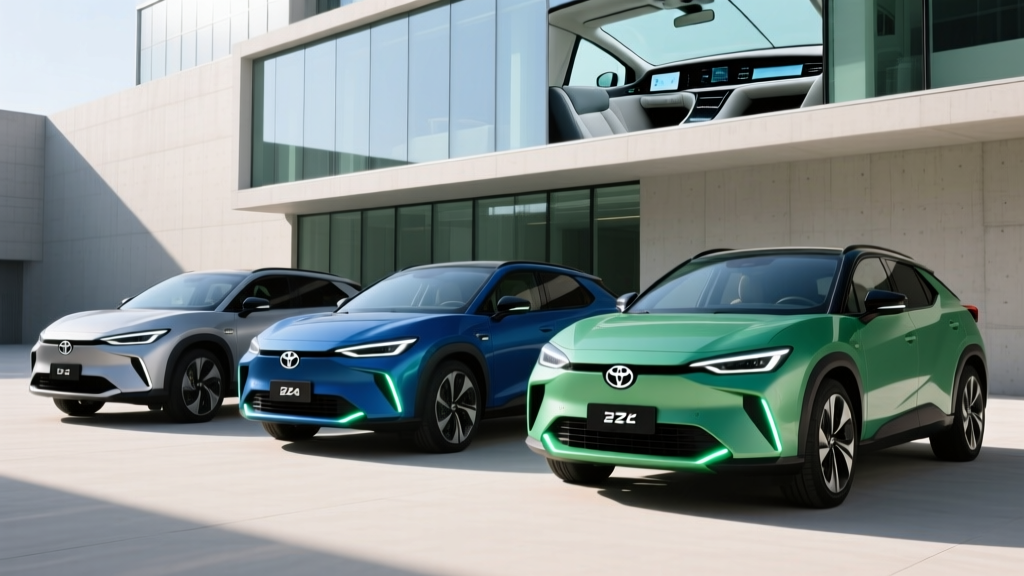
Toyota's "bZ" (Beyond Zero) sub-brand represents its battery-electric vehicle strategy. As of the 2026 model year, the lineup available in the U.S. includes:
- bZ4X — A compact electric crossover (the core volume seller), available in XLE and Limited trims with FWD or AWD.
- bZ4X Touring / bZ5X — A larger three-row variant announced for late 2026 availability with preliminary specs suggesting a larger battery and up to ~300 miles of range (specs are preliminary and subject to change).
The bZ4X shares its e-TNGA platform with the Subaru Solterra, though Toyota tunes its powertrain and thermal management differently. For 2026, Toyota has improved the DC fast-charge curve on the bZ4X compared to the disappointing 2023–2024 models, though it still lags behind Hyundai/Kia's E-GMP platform and Tesla's Supercharger-optimized architecture.
Range, Battery & Charging: The Numbers That Matter
| Spec | bZ4X FWD (XLE) | bZ4X AWD (Limited) |
|---|---|---|
| EPA Range | 252 miles | 228 miles |
| Battery (usable) | 71.4 kWh, NMC | 71.4 kWh, NMC |
| Efficiency (MPGe) | 119 MPGe combined | 104 MPGe combined |
| Efficiency (kWh/100 mi) | 28 kWh/100 mi | 32 kWh/100 mi |
| Peak DC Fast Charge | ~150 kW | ~150 kW |
| 10–80% DCFC Time | ~30 minutes | ~30 minutes |
| Level 2 Charge Rate | 6.6 kW (J1772/NACS adapter) | 6.6 kW |
| Level 2 Full Charge | ~11 hours | ~11 hours |
| Horsepower | 201 hp | 214 hp |
| 0–60 mph | 7.1 seconds | 5.8 seconds |
| Battery Warranty | 8 years / 100,000 miles | 8 years / 100,000 miles |
Real-World Range vs. EPA Sticker
EPA: 252 miles (FWD) / 228 miles (AWD)
In mixed driving at 70 mph highway speeds, expect approximately 210–230 miles from the FWD trim and 190–210 miles from AWD. In cold weather (below 32°F), range drops 15–25%, meaning a realistic winter highway range of 160–195 miles for FWD. The bZ4X's heat pump (standard on 2026 models) helps mitigate cold-weather cabin heating losses compared to the 2023 model, which lacked one on some trims.
On a 300-mile road trip, plan for at least two DC fast-charging stops. At 150 kW peak, the bZ4X charges slower than the Ioniq 5 (which peaks above 230 kW and does 10–80% in ~18 minutes). Toyota's charge curve is relatively flat, meaning it doesn't taper as aggressively above 80% as some competitors, but the peak rate itself is the bottleneck.
Cost Breakdown: Purchase, Charging, and 5-Year Ownership
Purchase Price & Tax Credit Eligibility
| Trim | MSRP (2026) | Est. Fed. Credit (§30D) | Effective Price |
|---|---|---|---|
| bZ4X XLE FWD | $37,070 | Up to $3,750* | ~$33,320 |
| bZ4X XLE AWD | $39,120 | Up to $3,750* | ~$35,370 |
| bZ4X Limited FWD | $43,070 | Up to $3,750* | ~$39,320 |
| bZ4X Limited AWD | $45,120 | Up to $3,750* | ~$41,370 |
*Federal §30D credit eligibility for the bZ4X depends on battery component and critical-mineral sourcing requirements under current IRS rules. The bZ4X has historically qualified for $3,750 (half-credit) due to partial critical-mineral compliance. Full $7,500 eligibility has not been confirmed for 2026 model-year vehicles. Buyer income caps ($150K single / $300K joint), MSRP caps ($55,000 for SUVs), and point-of-sale transfer options apply. Verify with a tax professional before purchase.
Charging vs. Fueling: Annual Energy Cost
Assuming 12,000 miles/year and $0.16/kWh national average for home charging (per fueleconomy.gov methodology):
| Cost Factor | bZ4X FWD (Electric) | Toyota RAV4 AWD (Gas) | Toyota RAV4 Hybrid |
|---|---|---|---|
| Efficiency | 28 kWh/100 mi | 28 MPG combined | 39 MPG combined |
| Annual energy cost (home charging / gas at $3.40/gal) | $538 | $1,457 | $1,046 |
| 5-year energy cost | $2,690 | $7,285 | $5,230 |
| Maintenance (5-yr est.) | ~$1,200 | ~$3,100 | ~$2,800 |
| 5-yr total (energy + maintenance) | ~$3,890 | ~$10,385 | ~$8,030 |
5-year savings vs. gas RAV4: ~$6,495. Even against the RAV4 Hybrid, the bZ4X saves roughly $4,140 over five years in fuel and maintenance — provided you charge primarily at home. Public DC fast charging at $0.35–$0.50/kWh erodes savings significantly; exclusive public charging could push annual energy costs to $1,176–$1,680.
Insurance Considerations
EV insurance premiums run 15–25% higher than comparable gas vehicles due to battery replacement costs and specialized repair requirements. Expect annual premiums of approximately $1,800–$2,400 for the bZ4X depending on your state, driving record, and coverage level. Toyota's inclusion in mainstream insurance carrier programs helps keep this lower than premium EV brands.
Home Charging: What First-Time Buyers Must Know
Home Level 2 charging is the backbone of practical EV ownership. The bZ4X's 6.6 kW onboard charger means:
- Level 1 (120V outlet): ~1.3 kW, adding roughly 4–5 miles of range per hour. A full charge takes 50+ hours — impractical as a primary strategy.
- Level 2 (240V, 32A circuit): 6.6 kW, adding ~22 miles per hour. A full 0–100% charge takes approximately 11 hours — easily done overnight.
Home installation cost breakdown:
| Item | Typical Cost Range |
|---|---|
| Level 2 EVSE (ChargePoint Home Flex, Emporia, etc.) | $350–$700 |
| Electrician labor (240V/50A circuit run) | $800–$2,500 |
| Permit & inspection | $50–$250 |
| Electrical panel upgrade (if needed, 200A service) | $1,500–$4,000 |
| Total (no panel upgrade) | $1,200–$3,450 |
| Total (with panel upgrade) | $2,700–$7,450 |
Critical caveat: Not all homes can support a Level 2 charger without a panel upgrade. Older homes with 100A service may require an upgrade to 200A. Always get a load calculation from a licensed electrician before committing. Some utilities offer rebates of $250–$1,000 for EVSE installation — check with your local provider.
If you live in an apartment or lack dedicated parking, the bZ4X becomes significantly less practical. Public charging infrastructure varies wildly by region; check the AFDC station locator for your area before purchasing.
Toyota bZ4X vs. the Competition
| Spec | 2026 Toyota bZ4X FWD | 2026 Hyundai Ioniq 5 RWD | 2026 Tesla Model Y LR |
|---|---|---|---|
| EPA Range | 252 mi | 303 mi | 320 mi |
| Battery | 71.4 kWh NMC | 77.4 kWh NMC | ~75 kWh (NMC/LFP) |
| Peak DC Charge | 150 kW | 240 kW | 250 kW |
| 10–80% DCFC | ~30 min | ~18 min | ~20 min |
| Efficiency | 119 MPGe | 117 MPGe | 123 MPGe |
| 0–60 mph | 7.1 sec | 7.2 sec | 5.0 sec |
| Base MSRP | $37,070 | $42,600 | $44,990 |
| Tax Credit (est.) | Up to $3,750 | $7,500 | $7,500 |
| Effective Base Price | ~$33,320 | ~$35,100 | ~$37,490 |
| Cargo Volume | 27.7 cu ft | 27.2 cu ft | 30.2 cu ft |
| NACS Native | Adapter required | Yes (2025+) | Yes |
Common Misconceptions About the bZ Electric
| Myth | Fact |
|---|---|
| "The bZ4X can't handle winter." | The 2026 model includes a standard heat pump, improving cold-weather efficiency. Expect 15–25% range loss (to ~160–195 mi FWD), which is typical for NMC batteries — not worse than competitors. |
| "It charges too slowly for road trips." | At 150 kW peak, 30-minute stops are longer than the Ioniq 5's 18 minutes, but perfectly workable with route planning. The issue is sustained highway range (210 mi) requiring more frequent stops, not just charge speed. |
| "The battery will need expensive replacement." | Toyota warranties the battery for 8 years/100,000 miles with a 70% capacity retention guarantee. Industry data from NHTSA and real-world fleet studies show NMC batteries typically retain 85–90% capacity at 100K miles with normal use. |
| "EVs cost more overall." | After tax credits and 5-year fuel/maintenance savings, the bZ4X's total cost of ownership can beat a RAV4 gas model — but only with consistent home charging. Public-only charging erases most savings. |
| "Toyota is behind on EVs." | The bZ4X is not class-leading in range or charge speed, but its pricing, dealer network, and reliability record make it a rational choice for conservative buyers transitioning from gas. |
Decision Framework: Should You Buy the Toyota bZ Electric?
Choose the Toyota bZ4X if:
- You have reliable Level 2 home charging (garage or driveway with 240V access).
- Your daily commute is under 80 miles round-trip.
- You road-trip fewer than 4–5 times per year and can plan charging stops.
- You value Toyota's dealer network, warranty support, and long-term reliability track record.
- You want the lowest effective purchase price in the compact electric SUV segment.
- You don't need cutting-edge charge speed or 300+ mile range.
Look at competitors if:
- You road-trip frequently and need 300+ mile range with sub-20-minute charging (consider Ioniq 5, Model Y).
- You lack home charging and rely entirely on public DCFC — the 150 kW peak means longer waits at chargers.
- You need three rows of seating (wait for the bZ5X or consider the Kia EV9).
- You want native NACS access to Tesla Superchargers without an adapter (Ioniq 5, Model Y).
- You live in a region with extreme cold and need maximum range buffer — the 252-mile EPA rating leaves limited margin in winter.
Frequently Asked Questions
Does the Toyota bZ4X qualify for the full $7,500 federal tax credit?
As of the 2026 model year, the bZ4X has typically qualified for up to $3,750 of the §30D credit, reflecting partial compliance with critical-mineral and battery-component sourcing requirements. Full $7,500 eligibility requires meeting both sourcing thresholds. Toyota's supply chain is evolving, so check the latest IRS qualifying vehicle list before purchasing. Buyer income must be below $150K (single) or $300K (joint), and the vehicle MSRP must be under $55,000 for SUVs.
What is the real-world highway range of the bZ4X?
At sustained 70 mph in moderate temperatures (60–80°F), expect approximately 210–230 miles from the FWD XLE and 190–210 miles from AWD trims. At 80 mph or in headwinds, subtract another 10–15 miles. In freezing temperatures, highway range can drop to 160–195 miles for FWD. Always plan road trips with a 20% range buffer.
How does the bZ4X compare to the Subaru Solterra?
The Solterra shares the same e-TNGA platform and 71.4 kWh battery but comes only in AWD with standard ground clearance for light off-road use. Its EPA range is slightly lower (222–227 miles). The bZ4X FWD offers more range; the Solterra offers better rough-road capability. Charging speeds and battery chemistry are essentially identical.
Can I charge the bZ4X at Tesla Superchargers?
The 2026 bZ4X uses a J1772/CCS1 charge port. Toyota offers a NACS adapter for Supercharger access on the growing open network, but charging speeds may be limited compared to native NACS vehicles. Confirm adapter availability and compatibility with your specific model year at purchase.
What does battery replacement cost if it fails out of warranty?
Out-of-warranty battery replacement for the bZ4X is estimated at $12,000–$16,000 including labor, based on current NMC pack pricing. However, catastrophic battery failure is rare; more commonly, gradual degradation to 80–85% capacity over 100K+ miles is the typical pattern, which does not require replacement for most owners.
Is the bZ4X a good first EV?
Yes, if you have home charging and moderate daily mileage. Its lower price, familiar Toyota driving dynamics, and dealer support make it approachable for EV newcomers. However, first-time buyers who road-trip often may find the 252-mile range and 150 kW charging limiting compared to the Ioniq 5 or Model Y. Consider your driving patterns honestly before deciding.