When enthusiasts ask about the top speed on a Tesla, they're usually chasing one number: the Model S Plaid's 200 mph limiter. But top speed is only one axis of performance. For real buyers, the more relevant questions involve how quickly a Tesla accelerates from a stop, how efficiently it sustains highway speeds, and whether that performance comes at the expense of range or charging speed. This guide covers every Tesla currently on sale in the U.S. for the 2026 model year — Model S, Model 3, Model X, and Model Y — with exact performance data, EPA range figures, charging specs, and pricing to help you decide which one actually fits your driving life.
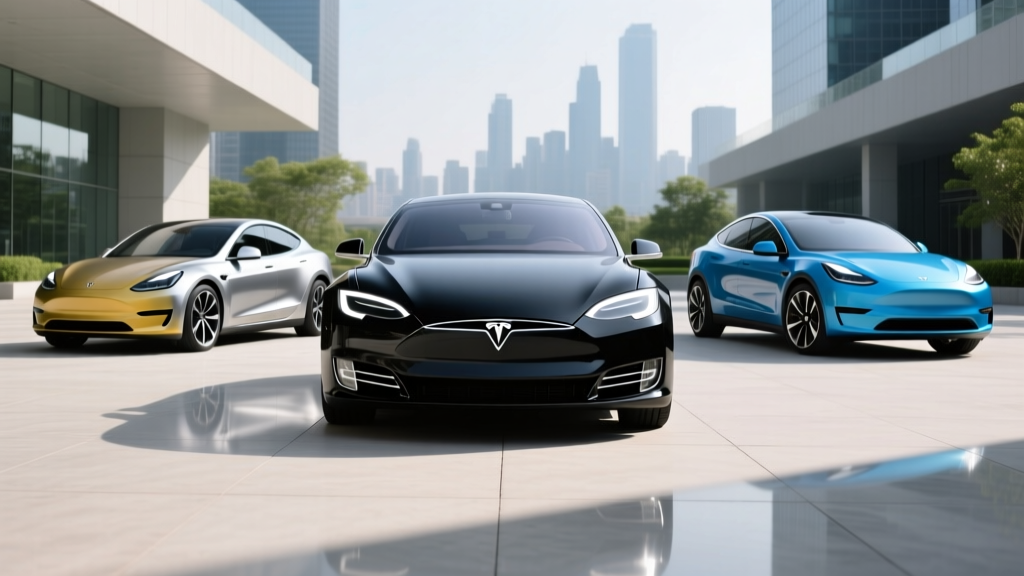
2026 Tesla Performance Specs at a Glance
Before we get into individual model deep-dives, here's the full lineup compared side-by-side. Note that Tesla frequently adjusts pricing and trims mid-year; these figures reflect early 2026 configurations as listed on Tesla's configurator and fueleconomy.gov.
| Spec | Model 3 RWD | Model 3 Performance | Model Y Long Range | Model Y Performance | Model S Long Range | Model S Plaid | Model X Long Range | Model X Plaid |
|---|---|---|---|---|---|---|---|---|
| Top Speed | 125 mph | 163 mph | 125 mph | 155 mph | 130 mph | 200 mph | 130 mph | 163 mph |
| 0-60 mph | 5.8 sec | 2.9 sec | 4.8 sec | 3.5 sec | 3.1 sec | 1.99 sec | 3.8 sec | 2.5 sec |
| Horsepower | 271 hp | 510 hp | 384 hp | 455 hp | 670 hp | 1,020 hp | 670 hp | 1,020 hp |
| Drivetrain | RWD | AWD (Dual Motor) | AWD (Dual Motor) | AWD (Dual Motor) | AWD (Dual Motor) | AWD (Tri-Motor) | AWD (Dual Motor) | AWD (Tri-Motor) |
| EPA Range | 272 mi | 315 mi | 320 mi | 277 mi | 402 mi | 359 mi | 335 mi | 326 mi |
| Battery (usable) | 57.5 kWh (LFP) | 75 kWh (NMC) | 75 kWh (NMC) | 75 kWh (NMC) | 95 kWh (NMC) | 95 kWh (NMC) | 95 kWh (NMC) | 95 kWh (NMC) |
| MPGe (combined) | 132 MPGe | 121 MPGe | 122 MPGe | 115 MPGe | 120 MPGe | 116 MPGe | 109 MPGe | 104 MPGe |
| Base MSRP | $38,990 | $52,990 | $44,990 | $51,490 | $79,990 | $94,990 | $84,990 | $99,990 |
The Top Speed King: Model S Plaid Explained
If you're here specifically for the top speed on a Tesla, the Model S Plaid is the answer. Its tri-motor powertrain produces 1,020 horsepower and delivers a manufacturer-claimed 0-60 mph time of 1.99 seconds (with rollout subtracted, as Tesla measures it). The electronic top-speed limiter is set at 200 mph, making it one of the fastest production sedans in the world — gas or electric.
But that headline number deserves context. Reaching 200 mph requires ideal conditions: a long, flat, straight road (like a drag strip or closed course), warm tires, and a high state of charge. Tesla's Plaid mode also requires a brief thermal preconditioning cycle before full power is unlocked. In real-world highway driving, the more relevant performance metric is the Plaid's ability to surge from 65 to 90 mph in roughly 2 seconds — useful for passing, and genuinely effortless.
EPA Range: 359 miles (Model S Plaid) | Real-World Expectation: Expect ~280-310 miles at sustained 75-80 mph highway speeds in mild weather. In cold conditions (below 35°F), plan for 240-270 miles. The Plaid's tri-motor setup and stickier tires increase rolling resistance and drag compared to the Long Range variant.
Real-World Range vs. EPA Stickers Across the Lineup
EPA range estimates are useful for comparison shopping, but they blend city and highway driving cycles. Most Tesla buyers commute on highways, where aerodynamic drag dominates and efficiency drops. Here's what to actually expect from each model:
| Model | EPA Range | Highway (75 mph, mild) | Cold Weather (30°F, mixed) | kWh/100mi |
|---|---|---|---|---|
| Model 3 RWD | 272 mi | ~230 mi | ~200 mi | 26 |
| Model 3 Performance | 315 mi | ~265 mi | ~230 mi | 29 |
| Model Y Long Range | 320 mi | ~270 mi | ~235 mi | 28 |
| Model Y Performance | 277 mi | ~235 mi | ~205 mi | 31 |
| Model S Long Range | 402 mi | ~340 mi | ~295 mi | 28 |
| Model S Plaid | 359 mi | ~295 mi | ~260 mi | 30 |
| Model X Long Range | 335 mi | ~275 mi | ~240 mi | 33 |
| Model X Plaid | 326 mi | ~270 mi | ~235 mi | 34 |
The Model 3 and Model Y use Tesla's more aerodynamic, lighter platforms, which translates to better efficiency per kWh. The Model X, with its taller SUV profile and falcon-wing door mechanisms adding weight, is the least efficient of the lineup — something to consider if your priority is road-trip range rather than top speed.
Charging Speed: DC Fast Charging and Home Level 2
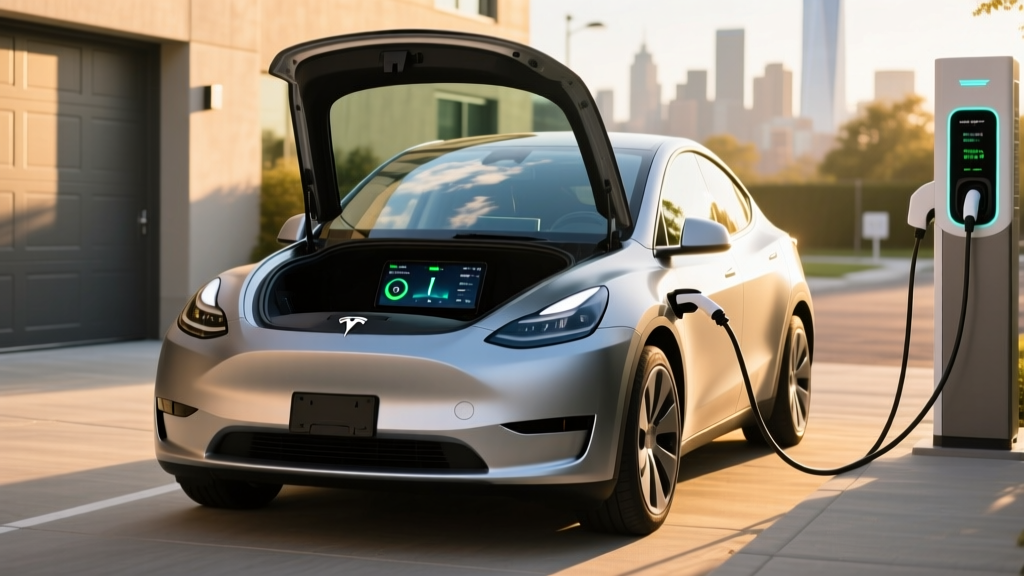
Performance isn't just about how fast a Tesla goes — it's about how fast it refuels. Tesla's Supercharger network remains the most reliable public DC fast-charging ecosystem in the U.S., and all current Tesla models use the NACS (North American Charging Standard) connector natively.
| Model | Max DC Fast Charge | 10-80% DC Time | Level 2 Home Rate | Miles Added per Hour (L2) |
|---|---|---|---|---|
| Model 3 RWD (LFP) | 170 kW | ~30 min | 11.5 kW (48A) | ~36 mi/hr |
| Model 3 Performance | 250 kW | ~25 min | 11.5 kW (48A) | ~44 mi/hr |
| Model Y Long Range | 250 kW | ~27 min | 11.5 kW (48A) | ~44 mi/hr |
| Model Y Performance | 250 kW | ~25 min | 11.5 kW (48A) | ~40 mi/hr |
| Model S Long Range | 250 kW | ~30 min | 11.5 kW (48A) | ~41 mi/hr |
| Model S Plaid | 250 kW | ~28 min | 11.5 kW (48A) | ~38 mi/hr |
| Model X Long Range | 250 kW | ~32 min | 11.5 kW (48A) | ~36 mi/hr |
| Model X Plaid | 250 kW | ~30 min | 11.5 kW (48A) | ~35 mi/hr |
A critical nuance: kW is the charge rate (power), kWh is the battery capacity (energy). A 250 kW peak rate doesn't mean you'll receive 250 kWh in an hour — it means the car can accept up to 250 kW at the most favorable point in the charge curve. Tesla's charge curve is aggressive early (10-40% SoC) but tapers significantly above 60%, and especially above 80%. That's why the 10-80% metric matters more than peak kW alone.
The Model 3 RWD's LFP (lithium iron phosphate) battery charges slower at DC but has an advantage: Tesla recommends charging LFP batteries to 100% regularly for optimal cell balancing, effectively giving you the full 272 miles daily. NMC-equipped models are best kept at 80% for daily use, reserving 100% for road trips.
Pricing, Trims, and Federal Tax Credit Eligibility
Tesla's pricing has shifted frequently over the past two years. Below is the current MSRP by model, alongside federal tax credit eligibility under IRS §30D rules. The credit is now available as a point-of-sale transfer, meaning the dealer reduces your purchase price by the credit amount at signing.
| Model | Base MSRP | §30D Credit Eligible? | Effective Price (with credit) |
|---|---|---|---|
| Model 3 RWD | $38,990 | Up to $7,500* | ~$31,490 |
| Model 3 Performance | $52,990 | Up to $7,500* | ~$45,490 |
| Model Y Long Range | $44,990 | Up to $7,500* | ~$37,490 |
| Model Y Performance | $51,490 | Up to $7,500* | ~$43,990 |
| Model S Long Range | $79,990 | No (exceeds $55K sedan cap) | $79,990 |
| Model S Plaid | $94,990 | No (exceeds $55K sedan cap) | $94,990 |
| Model X Long Range | $84,990 | No (exceeds $80K SUV cap) | $84,990 |
| Model X Plaid | $99,990 | No (exceeds $80K SUV cap) | $99,990 |
*Full $7,500 credit eligibility requires: buyer AGI under $150K single / $300K joint, vehicle MSRP within cap, and battery components + critical minerals meeting domestic-sourcing thresholds that tighten annually. Verify current sourcing compliance on Tesla's website and IRS.gov before purchasing. Tax advice should come from a qualified professional.
The key takeaway: if you want the top speed on a Tesla that also qualifies for the federal credit, the Model 3 Performance at ~$45,490 effective is the clear value leader. The Model S Plaid's 200 mph capability pushes it well above the $55,000 sedan MSRP cap, disqualifying it entirely from §30D.
Interior Space, Cargo, and Daily Practicality
Performance buyers often overlook cargo and passenger space until they're loading luggage for a road trip or installing a child seat. Here's how the lineup stacks up:
| Model | Front Legroom | Rear Legroom | Cargo (rear seats up) | Cargo (seats folded) | Frunk |
|---|---|---|---|---|---|
| Model 3 | 42.7 in | 35.2 in | 23 cu ft | ~56 cu ft | 3.1 cu ft |
| Model Y | 41.8 in | 41.6 in | 30 cu ft | ~76 cu ft | 4.1 cu ft |
| Model S | 42.4 in | 35.4 in | 28 cu ft (liftback) | ~63 cu ft | 5.3 cu ft |
| Model X | 41.2 in | 38.4 in | ~37 cu ft (5-seat) | ~82 cu ft | 6.5 cu ft |
The Model Y is the practicality champion. Its taller roofline and available third row (small, best for children) make it the default family EV. The Model S offers a surprisingly spacious liftback that swallows long items more easily than a traditional sedan trunk. The Model 3's rear legroom is tighter — taller passengers on long trips will notice.
Tech, Driver Assistance, and Drawbacks
All 2026 Teslas ship with the same core tech stack: a 15.4-inch central touchscreen (17-inch on Model S/X), over-the-air updates, Tesla's app ecosystem, and the company's Basic Autopilot suite (adaptive cruise + lane centering). Full Self-Driving (Supervised) remains a $8,000 option or $99/month subscription.
SAE Automation Level: Tesla Autopilot and FSD (Supervised) are Level 2 driver-assistance systems. The driver must remain attentive, keep hands available for steering input, and is fully responsible for the vehicle at all times. These are not self-driving systems. Only Level 4 services like Waymo operate without a human driver in defined geofenced areas.
Standout tech: Tesla's navigation with real-time Supercharger routing and battery preconditioning remains the best in the EV industry. When you navigate to a Supercharger, the car preheats the battery to optimize charge speed — a feature competitors are only beginning to match. The Sentry Mode dashcam system, phone-as-key, and integrated trip planner create an ecosystem that's hard to leave once you're inside it.
Notable drawbacks: Tesla's build quality, while improved, still shows panel-gap inconsistencies that luxury competitors like BMW and Mercedes-Benz don't have. The Model S/X, despite their prices, have interior materials that feel closer to the Model 3 than to a Porsche Taycan or Mercedes EQS. The yoke steering wheel (optional on S/X) is polarizing and arguably less practical for low-speed maneuvers. And Tesla's service center network, while growing, still has coverage gaps in rural regions.
Pros
- Class-leading performance per dollar (Model 3 Perf especially)
- Supercharger network — most reliable DC fast-charging in the U.S.
- OTA updates continuously add features post-purchase
- Excellent energy efficiency (kWh/100mi) across the lineup
- Strong resale value relative to non-Tesla EVs
- Battery preconditioning for faster public charging
Cons
- Model S/X exceed federal tax credit MSRP caps entirely
- Build quality inconsistencies persist at higher price points
- FSD (Supervised) still requires constant driver attention — not autonomous
- No Apple CarPlay or Android Auto integration
- Limited service center density outside major metros
- Model 3 RWD's LFP battery loses more range in cold weather
Warranty Coverage
Tesla's warranty structure is straightforward but not class-leading. The basic vehicle limited warranty is 4 years / 50,000 miles across all models. The battery and drive unit warranty varies:
- Model 3 RWD (LFP): 8 years / 100,000 miles, minimum 70% capacity retention
- Model 3/Y Long Range & Performance (NMC): 8 years / 120,000 miles, minimum 70% retention
- Model S/X (all trims): 8 years / 150,000 miles, minimum 70% retention
The 70% retention threshold is standard for the industry. Real-world data from Tesla's fleet suggests most NMC packs retain 85-90% capacity at 100,000 miles, with the most significant degradation occurring in the first 20,000 miles before leveling off. LFP batteries tend to show slower initial degradation but may lose more capacity in sustained cold climates.
Who Should Buy Which Tesla?
Choose the Model 3 RWD if: You want the lowest entry price, commute under 50 miles daily, have reliable home charging, and don't need AWD. The LFP battery's 100% daily charge recommendation means you get all 272 miles every day.
Choose the Model 3 Performance if: You want the best performance-to-price ratio in the entire EV market. A ~$45,490 effective price (with credit) for a 2.9-second 0-60 car with 315 miles of range is unmatched. This is the top-speed Tesla that actually makes financial sense.
Choose the Model Y Long Range if: You need family space, cargo versatility, and strong range. It's the best-selling vehicle in the world for a reason — 320 miles EPA, 30 cu ft of cargo, and available towing (up to 3,500 lbs).
Choose the Model S Plaid if: You want the absolute top speed on a Tesla (200 mph), don't need the tax credit, and value having one of the quickest production cars ever made with a usable back seat and 359 miles of range. Just know you're paying $95K+ for a sedan with a Model 3-adjacent interior.
Choose the Model X if: You need three rows, falcon-wing doors for tight parking access, and don't mind paying a premium. The Model X Plaid's 2.5-second 0-60 in a 5,000+ lb SUV is absurd — but so is the $99,990 price tag without any federal credit help.
Frequently Asked Questions
What is the top speed on a Tesla in 2026?
The Model S Plaid has the highest top speed of any Tesla at 200 mph (electronically limited). The Model 3 Performance tops out at 163 mph, the Model Y Performance at 155 mph, and the base Model 3 RWD and Model Y Long Range at 125 mph. For context, no U.S. public road allows speeds above 85 mph (a stretch of Texas SH 130), so top speed is largely a performance benchmark rather than a practical figure.
What is the real-world range of a Tesla on the highway?
Expect to lose roughly 15-20% from the EPA sticker at sustained 75-80 mph in mild weather. The Model S Long Range, rated at 402 miles EPA, typically delivers 330-350 miles on the highway. The Model 3 RWD, rated at 272, delivers about 225-240 miles. Cold weather (below 35°F) can reduce range an additional 10-15% due to battery heating demands and cabin climate load.
How fast does a Tesla charge at a Supercharger?
Most Tesla models (except the Model 3 RWD) can peak at 250 kW on V3 Superchargers, adding roughly 200 miles of range in 15 minutes under optimal conditions. The 10-80% charge typically takes 25-32 minutes depending on the model and battery size. The Model 3 RWD's LFP battery peaks at 170 kW. Charge speed tapers significantly above 80% SoC to protect battery longevity.
Does a Tesla qualify for the $7,500 federal EV tax credit?
The Model 3 (all trims) and Model Y (all trims) currently qualify for up to $7,500 under IRS §30D, provided the buyer meets income caps ($150K single / $300K joint AGI) and the vehicle meets battery-sourcing requirements that tighten each year. The Model S and Model X do not qualify because they exceed the MSRP caps ($55,000 for sedans, $80,000 for SUVs). Always verify current eligibility on IRS.gov before purchasing.
Is a Tesla worth buying vs. competitors like the Hyundai Ioniq 6 or BMW i4?
It depends on your priorities. The Tesla Supercharger network remains a significant advantage for road-trippers. The Model 3 Performance offers more power and range for the money than most rivals. However, the Hyundai Ioniq 6 charges faster (up to 350 kW on 800V architecture), and the BMW i4 offers a more premium interior with Apple CarPlay. If home charging and daily commuting are your primary use case, the competitive gap narrows considerably. If you road-trip frequently, Tesla's charging infrastructure advantage is still meaningful.
Is Tesla's Full Self-Driving actually self-driving?
No. FSD (Supervised) is an SAE Level 2 driver-assistance system. It can handle many highway and city driving scenarios, but the driver must remain fully attentive and ready to take over at any moment. You are legally and practically responsible for the vehicle. True self-driving (Level 4) is currently only available through commercial robotaxi services like Waymo in select cities.