What Are Three Wheel Electric Vehicles? A Quick Answer
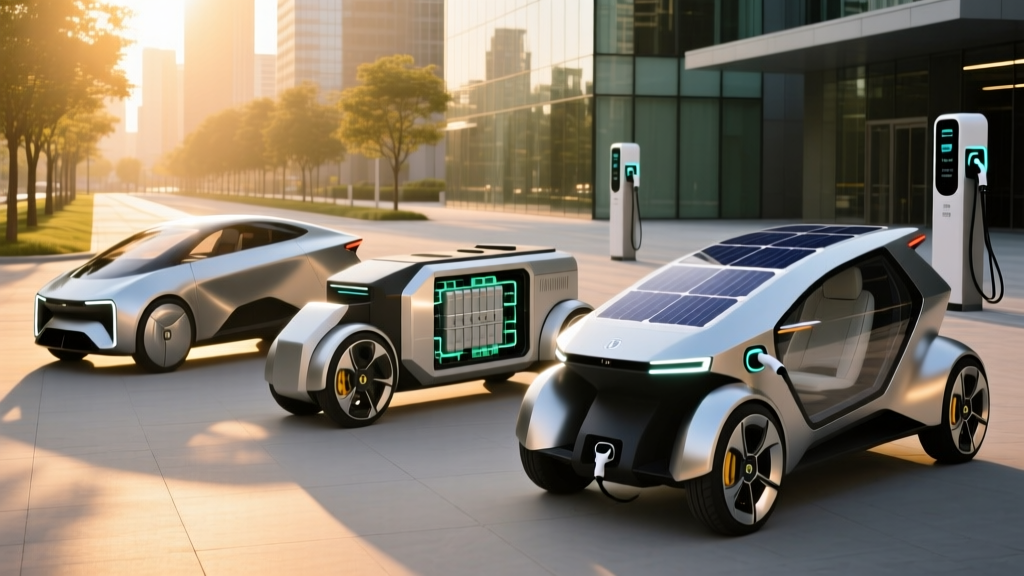
Three wheel electric vehicles (EVs) are road-legal, battery-powered machines with either two wheels in front and one in back (the "tadpole" layout) or one in front and two in back. Most fall under the U.S. federal autocycle classification, which means they're regulated more like motorcycles than cars — but many are enclosed, climate-controlled, and designed for daily commuting. In 2026, leading models like the Arcimoto FUV and the fully electric Polaris Slingshot variants offer EPA-estimated ranges from roughly 60 to 120 miles, starting MSRPs between $25,000 and $40,000, and Level 2 home charging that refills the battery overnight.
2026 Three Wheel EV Models: Specs & Real-World Range
The market for three wheel electric vehicles remains niche but growing. Below is a snapshot of the most prominent models available or taking orders in the 2026 model year. Note that because these vehicles are often classified as autocycles or neighborhood electric vehicles (NEVs), their EPA testing methodology can differ from standard passenger cars — always verify with the manufacturer and fueleconomy.gov for the latest official figures.
| Model | Battery (kWh) | EPA Est. Range | Real-World Range* | Peak DC Charge | Level 2 (240V) | 0–60 mph | Base MSRP |
|---|---|---|---|---|---|---|---|
| Arcimoto FUV (2026) | ~22 kWh (NMC) | ~102 mi | ~75–85 mi (hwy/cold) | N/A (L2 max) | ~3.3 kW, ~6 hr 0–100% | ~7.5 sec | $27,900 |
| Polaris Slingshot (EV Concept/Announced) | TBD (est. 30+ kWh) | Est. ~120 mi | ~90–100 mi | TBD | TBD | Est. <5 sec | Est. $35,000+ |
| Daymak Spirit (NEV Class) | ~12 kWh (LFP) | ~60 mi (25 mph cap) | ~45–55 mi | N/A | ~1.8 kW, ~7 hr | N/A (25 mph max) | $12,500 |
*Real-world range reflects highway speeds (65–70 mph), moderate cold (35–45°F), and typical driving patterns. NEV-class vehicles like the Daymak Spirit are speed-limited and not suited for highway use.
Range Reality Check: A three wheel EV with an EPA rating of 100 miles will typically deliver 70–85 miles on the highway at 70 mph, and potentially 55–65 miles in sub-freezing temperatures. The open-air or semi-enclosed design of many autocycles increases aerodynamic drag and reduces the effectiveness of cabin heating, which draws directly from the traction battery. If your daily round-trip commute exceeds 60 miles, plan for mid-day charging or consider a four-wheel EV.
Cost of Ownership: Three Wheel EV vs. Gas Car vs. Hybrid
The economics of three wheel electric vehicles depend heavily on your driving patterns, local electricity rates, and whether you can charge at home. Here's a five-year cost comparison using the Arcimoto FUV (EV), a fuel-efficient gas commuter car (e.g., Honda Civic, 36 MPG combined), and a compact hybrid (e.g., Toyota Prius, 57 MPG combined).
| Cost Factor (5 Years) | Arcimoto FUV (EV) | Gas Car (36 MPG) | Hybrid (57 MPG) |
|---|---|---|---|
| Purchase Price (MSRP) | $27,900 | $26,000 | $29,500 |
| Federal Tax Credit (§30D) | Up to $7,500* | $0 | Up to $7,500* |
| Fuel/Energy (15k mi/yr) | $2,250 (home L1/L2) | $10,400 | $6,580 |
| Maintenance | $600 | $3,500 | $2,800 |
| Insurance (est.) | $7,500 | $6,000 | $6,500 |
| Total (5-Year) | ~$30,750 | ~$45,900 | ~$38,880 |
*Federal §30D tax credit eligibility depends on MSRP caps, buyer income limits, battery sourcing, and critical-mineral requirements. Verify current-year rules at IRS.gov. Point-of-sale transfer is available for qualified buyers.
Per-Mile Energy Cost: At the U.S. average residential electricity rate of ~$0.16/kWh, charging the Arcimoto FUV (which uses roughly 30 kWh/100 mi) costs about $0.048 per mile. A 36 MPG gas car at $3.50/gallon costs $0.097 per mile — roughly double. Hybrids split the difference at $0.061/mile.
Home Charging: What Three Wheel EV Owners Need
Most three wheel electric vehicles use a standard J1772 connector for Level 2 charging, meaning they're compatible with the same home charging equipment as full-size EVs. However, because their batteries are smaller (12–25 kWh typical), charging is faster and less demanding on your electrical panel.
| Charging Level | Power (kW) | Miles Added/Hour | Typical Use Case |
|---|---|---|---|
| Level 1 (120V outlet) | ~1.2–1.4 kW | ~4–5 mi/hr | Overnight top-off; sufficient for <40 mi/day |
| Level 2 (240V, 32A) | ~3.3–7.2 kW | ~12–25 mi/hr | Full overnight charge; recommended for daily drivers |
| DC Fast Charging | Varies (rare on 3-wheel EVs) | N/A | Most 3-wheel EVs lack DCFC hardware |
Installation Cost Reality: A dedicated 240V/32A Level 2 circuit typically costs $500–$1,500 for a licensed electrician to install (equipment + labor + permit), assuming your panel has capacity. If a panel upgrade is needed (common in older homes), add $1,500–$3,500. Because three wheel EVs draw relatively low power, many owners find a standard 120V outlet sufficient for overnight charging if daily driving is under 40 miles.
Federal Tax Credits & Incentives for Three Wheel EVs
Not every three wheel electric vehicle qualifies for the federal §30D clean vehicle credit. Key eligibility factors for 2026:
- Vehicle Classification: Must meet IRS definition of a qualified plug-in electric vehicle. Autocycles may qualify; NEVs (low-speed vehicles capped at 25 mph) generally do not.
- MSRP Cap: Vans/SUVs/trucks: $80,000; other vehicles (including most autocycles): $55,000.
- Buyer Income Cap: AGI must not exceed $150,000 (single), $225,000 (head of household), or $300,000 (joint).
- Battery Sourcing: Critical minerals and battery components must meet phased-in domestic-sourcing thresholds. Verify with the manufacturer.
- Point-of-Sale Transfer: Qualified buyers can apply the credit as an immediate price reduction at the dealership.
Always confirm eligibility with a tax professional and the latest IRS guidance. State and local incentives vary widely — check AFDC.energy.gov for your jurisdiction.
Common Misconceptions About Three Wheel Electric Vehicles
| Myth | Fact |
|---|---|
| "They're as safe as a car." | Autocycles lack the crash structure, airbag count, and mass of a full-size car. NHTSA regulates them differently. Always wear a helmet where required and understand the risk trade-off. |
| "They qualify for the full $7,500 tax credit." | Only if they meet all §30D criteria (MSRP, income, sourcing). NEV-class vehicles are excluded. |
| "I can fast-charge on road trips." | Most three wheel EVs lack DC fast-charging capability. Road trips require careful planning around Level 2 stops. |
| "Range is the same year-round." | Cold weather can reduce range by 20–35%, especially in open-air or semi-enclosed designs without heat-pump HVAC. |
| "Insurance is cheaper because it's small." | Autocycle insurance can be more expensive than car insurance due to limited actuarial data, higher injury risk, and specialty classification. |
Decision Framework: Is a Three Wheel EV Right for You?
Choose a three wheel electric vehicle if:
- Your daily round-trip commute is under 60 miles.
- You have reliable home charging (Level 1 or Level 2).
- You live in a mild climate or accept cold-weather range loss.
- You want a fun, open-air commuter and understand the safety trade-offs vs. a car.
- You value low per-mile energy costs and minimal maintenance.
Choose a four-wheel EV or hybrid instead if:
- You regularly drive over 100 miles per day or take frequent road trips.
- You need DC fast-charging for long-distance travel.
- You carry passengers or cargo regularly.
- You live in a region with harsh winters and need maximum range reliability.
- You prioritize crash safety and want full-size vehicle protections.
FAQ: Three Wheel Electric Vehicles
Do I need a motorcycle license to drive a three wheel EV?
It depends on your state. Many states classify autocycles separately from motorcycles and allow them to be driven with a standard driver's license. Check your state's DMV for specific requirements.
Can I charge a three wheel EV at public charging stations?
Yes, if the vehicle uses a J1772 connector (most do). However, most three wheel EVs cannot use DC fast chargers, so you'll be limited to Level 2 public stations — which charge more slowly and may not be practical for mid-trip top-offs.
How long does the battery last?
Lithium-ion batteries in three wheel EVs typically carry warranties of 3–5 years or 36,000–60,000 miles, with a guaranteed capacity retention of 70–80%. Real-world degradation is often 2–3% per year under normal use. Replacement costs range from $4,000–$8,000 depending on the model.
Are three wheel EVs good in rain and winter?
Enclosed models (like the Arcimoto FUV with optional doors) handle rain reasonably well. Open-air autocycles are less practical in wet or cold weather. Traction can be a concern in snow due to lighter weight and fewer contact patches.
What's the resale value like?
Three wheel EVs are niche products with limited resale data. Depreciation may be steeper than mainstream EVs due to smaller buyer pools. Consider this when evaluating total cost of ownership.