Why Tesla's Unsold Inventory Hit Record Levels in 2026
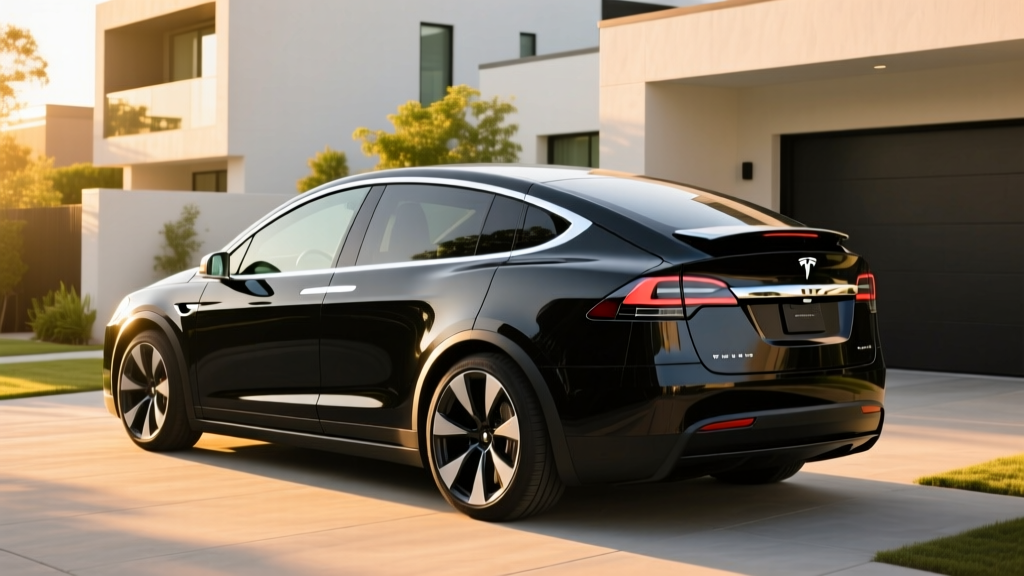
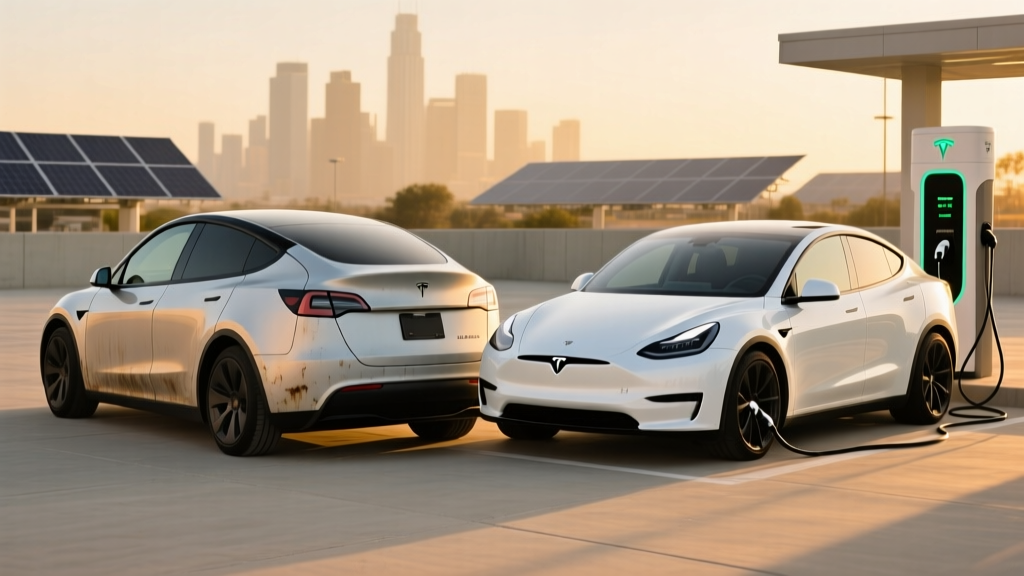
For the first time in its history, Tesla is sitting on a mountain of unsold vehicles. Global inventory reached an estimated 90,000+ units by early 2026 — a stark reversal from the years-long waitlists that defined the brand. The causes are well-documented: increased competition from Hyundai, BMW, and Chinese automakers; brand-politics headwinds in key markets; and a refreshed Model Y (codenamed "Juniper") that launched into a softening demand environment.
For buyers, this is the most important development in Tesla's history. Unsold cars mean leverage. It means discounts, free Supercharging credits, and aggressive lease rates that were unthinkable 18 months ago. But it also raises a critical question: is a Tesla still the right buy in 2026, or have competitors closed the gap?
This profile examines the two models most affected by the inventory glut — the 2026 Tesla Model Y Long Range AWD and the 2026 Tesla Model 3 Long Range AWD — with exact specs, real-world range data, charging performance, tax credit eligibility, and a clear-eyed assessment of whether Tesla's unsold EV record is your opportunity or a warning sign.
2026 Tesla Model Y Long Range AWD: Full Spec Breakdown
| Spec | 2026 Model Y Long Range AWD |
|---|---|
| EPA Range | 320 miles |
| Battery (usable) | ~78 kWh, NMC (nickel manganese cobalt) |
| Efficiency | 122 MPGe combined / 28 kWh/100mi |
| Max DC Fast Charge | 250 kW (peak) |
| 10-80% DC Fast Charge | ~25 minutes |
| Level 2 Home Charge (11.5 kW) | ~44 miles/hour |
| 0-60 mph | 4.8 seconds |
| Horsepower | 384 hp (dual motor) |
| Drivetrain | AWD (dual motor) |
| Cargo Volume | 30.2 cu ft (rear seats up) / 72.1 cu ft (folded) |
| Rear Legroom | 38.8 inches |
| Battery Warranty | 8 years / 120,000 miles (70% capacity retention) |
| Base MSRP | $47,990 (before destination) |
2026 Tesla Model 3 Long Range AWD: Full Spec Breakdown
| Spec | 2026 Model 3 Long Range AWD |
|---|---|
| EPA Range | 341 miles |
| Battery (usable) | ~78 kWh, NMC |
| Efficiency | 130 MPGe combined / 26 kWh/100mi |
| Max DC Fast Charge | 250 kW (peak) |
| 10-80% DC Fast Charge | ~24 minutes |
| Level 2 Home Charge (11.5 kW) | ~46 miles/hour |
| 0-60 mph | 4.2 seconds |
| Horsepower | 346 hp (dual motor) |
| Drivetrain | AWD (dual motor) |
| Cargo Volume | 23.0 cu ft (trunk + frunk) |
| Rear Legroom | 34.9 inches |
| Battery Warranty | 8 years / 120,000 miles (70% capacity retention) |
| Base MSRP | $44,990 (before destination) |
Charging Speed: The Supercharger Advantage and Its Limits
Tesla's charging ecosystem remains its strongest moat — but the gap is closing.
| Charging Level | Model Y LR AWD | Model 3 LR AWD |
|---|---|---|
| Level 1 (120V, standard outlet) | ~3 mi/hr (1.4 kW) | ~3 mi/hr (1.4 kW) |
| Level 2 (240V, 48A home charger) | 44 mi/hr (11.5 kW) | 46 mi/hr (11.5 kW) |
| DC Fast Charge (V3 Supercharger) | Peak 250 kW, 10-80% in ~25 min | Peak 250 kW, 10-80% in ~24 min |
| DC Fast Charge (V4 Supercharger) | Peak 250 kW (vehicle-limited) | Peak 250 kW (vehicle-limited) |
Charging curve reality: Both vehicles peak at 250 kW but only sustain that rate briefly between 10-30% State of Charge (SoC). From 30-60%, expect ~170-200 kW. From 60-80%, the rate tapers to 80-120 kW. This is why the 10-80% time is the meaningful metric — not the peak kW number Tesla advertises.
The Model Y and Model 3 use the NACS (North American Charging Standard) connector natively. With Tesla opening Superchargers to NACS-equipped competitors (Ford, GM, Rivian, Hyundai, and others), station congestion at popular corridors has increased. Plan road trips around V3 and V4 stations with 8+ stalls to minimize wait times.
For home charging, a Wall Connector on a 60A circuit delivers the full 48A (11.5 kW) — enough to replenish a full day's driving in 1-2 hours. Installation typically costs $500-$1,500 if your panel supports it; a 200A panel upgrade adds $1,500-$3,000.
Pricing, Discounts, and Federal Tax Credit Eligibility
This is where Tesla's unsold EV record directly benefits you. As of mid-2026, Tesla is offering:
- $1,000-$3,000 inventory discounts on in-stock Model Y and Model 3 units
- Free Supercharging credits (10,000-15,000 miles) on select inventory
- Lease rates as low as 1.9% APR on Model 3 (36-month)
- Reduced delivery fees on ready-to-deliver vehicles
| Model / Trim | Base MSRP | Est. Inventory Discount | Federal §30D Credit | Effective Price |
|---|---|---|---|---|
| Model 3 LR AWD | $44,990 | -$1,500 | Up to $7,500* | ~$35,990 |
| Model Y LR AWD | $47,990 | -$2,000 | Up to $7,500* | ~$38,490 |
| Model 3 Performance | $52,990 | -$1,000 | Up to $7,500* | ~$44,490 |
| Model Y Performance | $53,990 | -$1,500 | Up to $7,500* | ~$45,490 |
*Federal EV tax credit eligibility under IRS §30D requires meeting ALL of the following:
- Income caps: Modified AGI ≤ $150,000 (single) / $300,000 (joint) / $225,000 (head of household)
- MSRP caps: ≤ $55,000 for sedans (Model 3) / ≤ $80,000 for SUVs (Model Y) — all trims qualify
- Battery sourcing: Critical minerals and battery components must meet phased-in domestic/free-trade sourcing thresholds (both models currently qualify for the full $7,500 as of 2026, but verify at IRS.gov before purchase)
- Point-of-sale transfer: You can apply the credit as an immediate price reduction at delivery rather than waiting for tax filing
Tax professional recommendation: Credit eligibility depends on your specific tax situation, and battery-sourcing rules have shifted multiple times. Confirm with a qualified tax advisor before relying on the full $7,500.
Technology, Driver Assistance, and Interior
Infotainment: Both vehicles use Tesla's 15.4-inch center touchscreen (no physical gauges or HUD in the Model 3; Model Y adds a rear 8-inch screen for passengers). The interface remains the fastest and most responsive in the industry, with native Spotify, Netflix, YouTube, and a built-in trip planner that accounts for charging stops and elevation changes.
Autopilot and FSD (Supervised): Standard Autopilot includes adaptive cruise control and lane-keeping — competent for highway driving. Full Self-Driving (Supervised) costs $8,000 upfront or $99/month and adds automatic lane changes, traffic light recognition, and city-street navigation.
Interior quality: The refreshed Model 3 ("Highland") and Model Y ("Juniper") brought meaningful upgrades: ventilated front seats, acoustic glass, ambient lighting, power-folding second row (Model Y), and improved material quality. The minimalist aesthetic remains polarizing — no turn signal stalks (steering-wheel buttons instead), no physical HVAC controls. Some buyers love the simplicity; others find it frustrating. Test-drive before committing.
Notable drawbacks:
- No Apple CarPlay or Android Auto — Tesla's ecosystem is closed
- Rear-seat comfort in the Model 3 is tight for adults over 6'0"
- Turn-signal buttons on the steering wheel are a genuine ergonomics downgrade for many drivers
- Panel gap quality has improved but still trails BMW and Hyundai at similar price points
- Insurance premiums remain 15-30% higher than comparable non-Tesla EVs in most states
How It Compares: Model Y vs. Key Competitors
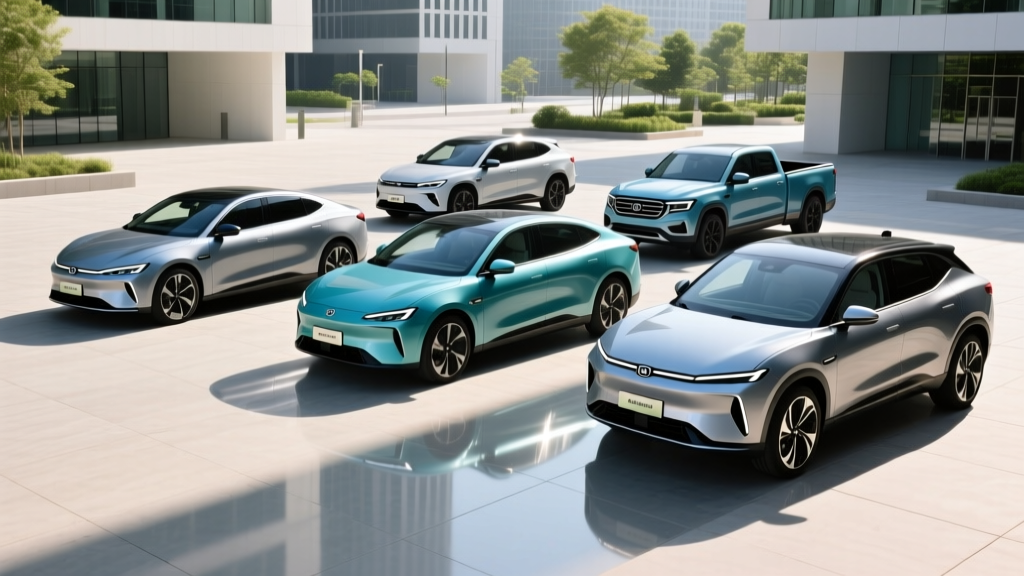
The unsold inventory glut exists partly because competitors have caught up. Here's how the Model Y Long Range stacks against its three primary rivals:
| Spec | Tesla Model Y LR | Hyundai Ioniq 5 Limited | Ford Mustang Mach-E Premium | BMW iX xDrive50 |
|---|---|---|---|---|
| EPA Range | 320 mi | 305 mi | 320 mi | 324 mi |
| Battery | 78 kWh NMC | 84 kWh NMC | 91 kWh NMC | 105 kWh NMC |
| Peak DC Charge | 250 kW | 240 kW | 150 kW | 200 kW |
| 10-80% Time | ~25 min | ~18 min (800V) | ~36 min | ~31 min |
| 0-60 mph | 4.8s | 5.1s | 5.1s | 4.4s |
| Base MSRP | $47,990 | $54,200 | $51,995 | $87,250 |
| After §30D Credit | ~$40,490 | ~$46,700 | ~$44,495 | Ineligible (MSRP cap) |
| Charging Network | Supercharger (native) | NACS adapter / Supercharger | NACS adapter / Supercharger | NACS adapter / Supercharger |
Key takeaway: The Hyundai Ioniq 5 charges faster (800V architecture) and offers CarPlay. The Mach-E has a more conventional interior with physical controls. The BMW iX is a luxury segment above. But the Model Y, after inventory discounts and the full tax credit, undercuts all three on effective price while offering the most seamless charging experience and the strongest software ecosystem.
Pros
- Lowest effective price in segment after credit + discounts
- Supercharger network access (no adapter needed)
- Best-in-class software and OTA updates
- Strong real-world efficiency (28 kWh/100mi)
- Expanding V4 Supercharger network
- Excellent cargo space (72.1 cu ft with seats folded)
Cons
- No CarPlay/Android Auto
- Steering-wheel turn-signal buttons are divisive
- Insurance premiums 15-30% above average
- Supercharger congestion increasing as network opens
- Resale value uncertainty due to brand sentiment shifts
- Service center wait times remain long in many metros
Who Should Buy a Tesla in 2026?
Choose the Model Y Long Range if: You need crossover cargo space, want the lowest total cost after incentives, regularly road-trip on Supercharger corridors, and prefer a minimal learning curve for EV ownership.
Choose the Model 3 Long Range if: You prioritize maximum range (341 mi EPA), don't need SUV cargo space, want a slightly quicker 0-60 (4.2s), and value a sedan's aerodynamic efficiency for long commutes.
Look elsewhere if: You require CarPlay/Android Auto, want physical buttons and stalks, need the fastest possible DC charging (Ioniq 5's 800V architecture wins), or live in an area with limited Tesla service infrastructure.
Is Tesla's Unsold EV Record a Buying Opportunity?
Yes — with caveats. The inventory glut is real, and Tesla is responding with discounts and incentives it has never offered before. If you've been waiting for a price-driven reason to buy a Tesla, mid-2026 is objectively the best window in the company's history.
But the unsold inventory also signals that Tesla's brand has weakened in key demographics, and resale values may not hold as they once did. If you plan to keep the vehicle 5+ years, this matters less. If you trade in every 3 years, factor in potentially steeper depreciation than historical Tesla norms.
The vehicles themselves remain excellent. The Supercharger network is still the most reliable DC fast-charging ecosystem in North America. The software, efficiency, and performance-per-dollar are still best-in-class for the price. The question isn't whether a Tesla is a good EV — it is. The question is whether it's the right EV for you, and whether the current discounts and tax credits make the math work for your situation.
Verify current inventory incentives at Tesla.com, confirm tax credit eligibility with your tax professional via IRS §30D guidelines, and check real-world efficiency data at fueleconomy.gov before signing.
Frequently Asked Questions
What is the real-world range of the 2026 Tesla Model Y and Model 3?
The Model Y Long Range AWD is EPA-rated at 320 miles; expect 275-290 miles highway in mild weather, and 220-255 miles in freezing temperatures. The Model 3 Long Range AWD is EPA-rated at 341 miles; expect 290-310 highway, and 240-270 in winter. Both vehicles use NMC chemistry, which is more susceptible to cold-weather range loss than LFP but offers higher energy density.
How fast do the Model Y and Model 3 charge at home and on DC fast chargers?
On a Level 2 home charger (240V, 48A/11.5 kW), the Model Y adds ~44 miles per hour and the Model 3 adds ~46 miles per hour — enough for a full overnight charge. On DC fast chargers (V3 Supercharger), both peak at 250 kW and charge from 10-80% in approximately 24-25 minutes, though sustained rates taper significantly above 60% SoC.
How much does a Tesla cost after the federal tax credit?
With the full $7,500 §30D credit and current inventory discounts, the 2026 Model 3 Long Range AWD drops to approximately $35,990 and the Model Y Long Range AWD to approximately $38,490. Eligibility requires meeting IRS income caps ($150K single / $300K joint), MSRP caps (both models qualify), and current battery-sourcing requirements. The credit can be applied as a point-of-sale price reduction at delivery.
Is a Tesla worth buying vs. Hyundai, Ford, or BMW in 2026?
On pure value after incentives, the Tesla Model Y and Model 3 undercut competitors by $4,000-$10,000. The Supercharger network remains the most reliable charging ecosystem, and Tesla's software/OTA capability leads the industry. However, the Hyundai Ioniq 5 charges faster (800V, 18-min 10-80%), offers CarPlay, and has a more conventional interior. If charging speed and CarPlay are priorities, the Ioniq 5 is a strong alternative at a higher effective price.
What are the biggest pros and cons of buying a Tesla in 2026?
Pros: Lowest effective price after credit and discounts, native Supercharger access, best-in-class software and trip planning, strong efficiency, and excellent cargo versatility. Cons: No CarPlay/Android Auto, controversial steering-wheel turn-signal buttons, higher-than-average insurance premiums, increasing Supercharger congestion as the network opens to competitors, and uncertain resale values due to brand sentiment shifts.
Does the 2026 Tesla Model Y and Model 3 qualify for the federal EV tax credit?
Yes — both the Model 3 and Model Y qualify for the full $7,500 federal tax credit under IRS §30D as of 2026, provided the buyer meets income limits ($150K single / $300K joint) and the vehicle meets battery-sourcing requirements (which both currently do). The credit can be transferred to Tesla at the point of sale for an immediate price reduction. Always verify current eligibility at IRS.gov before purchase, as sourcing rules are subject to change.