What Happens When You Trade a Car to Tesla?
If you've browsed Tesla's checkout page, you've seen the trade-in option — but the question most buyers ask is: what does Tesla do with trade-ins once they take possession? The answer depends on the vehicle's age, condition, and market demand, and understanding the process helps you decide whether trading in is the smartest financial move or whether you should sell privately.
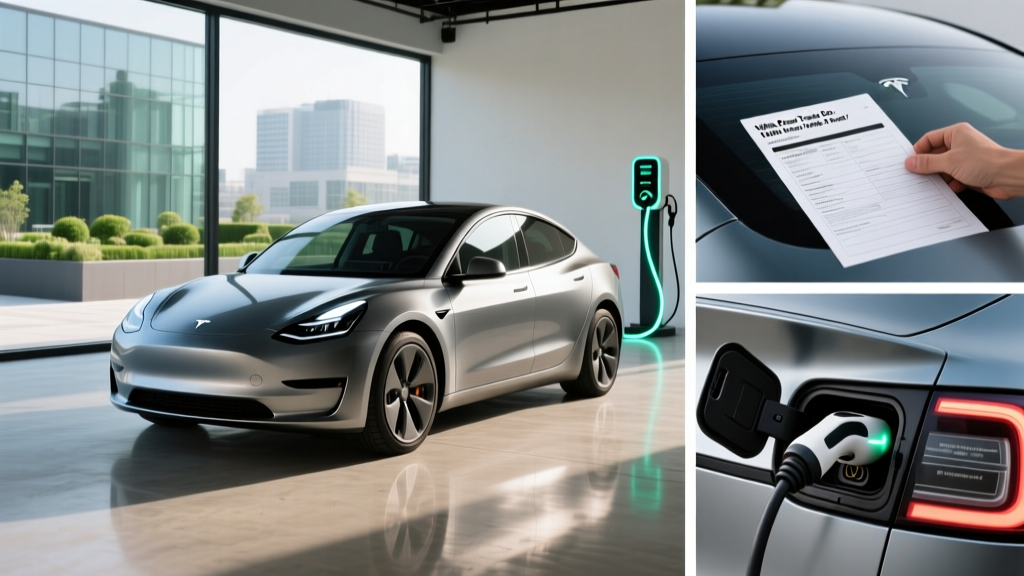
Tesla evaluates trade-ins through an online questionnaire and photo submission. Once accepted, the offer is typically valid for 14 days or 1,000 miles (whichever comes first). From there, Tesla routes vehicles into one of three channels:
- Tesla Inventory (used): Newer, low-mileage Teslas in good condition are reconditioned and listed on Tesla's used inventory page with a limited warranty.
- Wholesale auction: Non-Tesla vehicles or older/higher-mileage Teslas are sent to wholesale auctions where dealers bid on them.
- Recycling/part-out: End-of-life vehicles may be dismantled for parts or sent to recycling facilities.
The trade-in value Tesla offers is almost always below private-party market value — often by $2,000 to $5,000 on a well-maintained vehicle. What you're paying for is convenience: no tire-kickers, no DMV transfer headaches, and the trade-in amount is applied directly to your new vehicle purchase price, which can reduce sales tax in many states (since tax is calculated on the net price after trade-in).
2026 Tesla Model 3: The EV You're Trading Toward
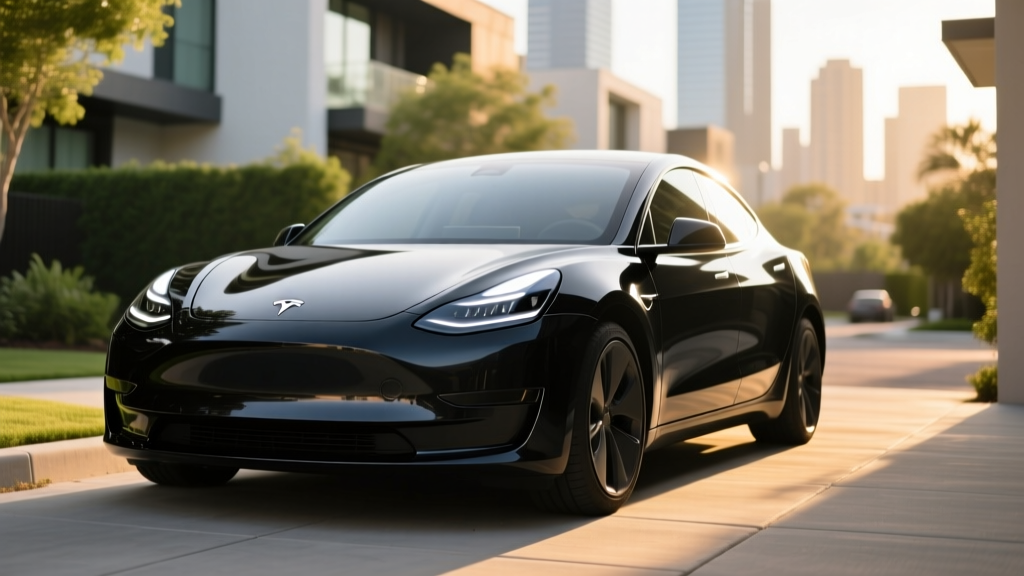
With the trade-in question settled, let's look at what you'd be buying. The 2026 Tesla Model 3 (refreshed "Highland" generation) remains one of the most efficient and best-charging electric sedans on the market. Here's the full spec breakdown by trim:
| Spec | RWD (Base) | Long Range AWD | Performance |
|---|---|---|---|
| EPA Range | 272 mi | 363 mi | 315 mi |
| Battery (usable) | ~57.5 kWh (LFP) | ~75 kWh (NMC) | ~75 kWh (NMC) |
| Drivetrain | RWD, single motor | AWD, dual motor | AWD, dual motor |
| Horsepower | 271 hp | 346 hp | 510 hp |
| 0-60 mph | 5.8 sec | 4.2 sec | 2.9 sec |
| Max DC Fast Charge | 170 kW | 250 kW | 250 kW |
| 10-80% DCFC Time | ~30 min | ~25 min | ~25 min |
| Level 2 Home Rate | 11.5 kW (~44 mi/hr) | 11.5 kW (~44 mi/hr) | 11.5 kW (~44 mi/hr) |
| Efficiency | 132 MPGe / 25 kWh/100mi | 130 MPGe / 26 kWh/100mi | 115 MPGe / 29 kWh/100mi |
| Base MSRP | $38,990 | $45,990 | $52,990 |
Source: EPA fueleconomy.gov, Tesla.com. Prices exclude $1,390 destination fee. Specs reflect 2026 model year.
Real-World Range: What the EPA Sticker Doesn't Tell You
EPA Estimate: 363 miles (Long Range AWD)
Real-World Highway (70-75 mph): ~290-310 miles
Cold Weather (below 32°F): ~240-270 miles (30-35% reduction)
City/Commuter Driving: ~340-360 miles (regen-friendly)
The Model 3 Long Range's 363-mile EPA figure is among the best in the segment, but EPA testing uses a mix of low-speed city and moderate-speed highway cycles that don't reflect sustained 75-mph interstate driving. In our experience and consistent with Edmunds' real-world testing, expect about 80-85% of EPA range at highway speeds in moderate temperatures.
The base RWD model uses an LFP (lithium iron phosphate) battery, which has a key trade-off: LFP cells are more durable (longer cycle life, less degradation over time) and can be charged to 100% daily without harm, but they lose more capacity in cold weather than NMC chemistry. If you live in the northern U.S. and don't have garage parking, the Long Range's NMC battery is a better winter bet.
Charging Speed: Home and DC Fast Charging
Charging speed is where the Model 3 continues to punch above its price class. Tesla's Supercharger network remains the most reliable public DC fast-charging ecosystem in the U.S., and the Model 3's charge curve is well-managed.
| Charging Level | Power (kW) | Miles Added per Hour | Notes |
|---|---|---|---|
| Level 1 (120V) | ~1.4 kW | ~3-5 mi/hr | Emergency only; overnight adds ~40 mi |
| Level 2 (240V, 48A) | 11.5 kW | ~44 mi/hr | Full charge in ~8-9 hrs; ideal home setup |
| DC Fast (Supercharger V3/V4) | Peak 250 kW (LR/Perf) | ~1,000 mi/hr at peak | 10-80% in ~25 min; tapers sharply above 80% |
Charge curve reality: The 250 kW peak on Long Range and Performance trims is sustained from roughly 10-30% State of Charge (SoC), then gradually steps down. From 50-80%, expect an average of ~120-140 kW. Above 80%, charging slows dramatically to protect the battery — a 10-90% session takes roughly 40 minutes, not the 25-minute 10-80% figure. Plan your road-trip stops around the 10-80% sweet spot.
The RWD trim's LFP battery tops out at 170 kW on DC fast charging, making it better suited to home-heavy charging routines. If you road-trip frequently, the Long Range's faster charging and NMC chemistry justify the price premium.
Pricing, Tax Credits, and the Trade-In Math
Here's where your trade-in strategy intersects with federal incentives. The 2026 Model 3's eligibility for the IRS §30D federal tax credit depends on several factors that change frequently:
| Trim | MSRP (incl. dest.) | Est. Fed Credit | Effective Price* |
|---|---|---|---|
| RWD | $40,380 | Up to $3,750 | ~$36,630 |
| Long Range AWD | $47,380 | Up to $7,500 | ~$39,880 |
| Performance | $54,380 | Up to $7,500 | ~$46,880 |
*Effective price assumes full credit eligibility. Actual credit depends on battery sourcing requirements, buyer income, and MSRP caps. Confirm eligibility at purchase time.
- MSRP Cap: Sedans must be ≤$55,000 (Model 3 qualifies in all trims)
- Income Cap: AGI ≤$150,000 (single) / $225,000 (head of household) / $300,000 (joint)
- Battery Sourcing: Credit splits into $3,750 for critical minerals + $3,750 for battery components — sourcing rules tighten annually through 2032
- Point-of-Sale Transfer: As of 2024+, you can transfer the credit to the dealer at purchase for an immediate price reduction rather than waiting for tax filing
The trade-in + credit interaction: In states that exempt trade-in value from sales tax (most states, including CA, TX, NY, FL), trading in a $20,000 vehicle against a $47,380 Model 3 Long Range saves you sales tax on that $20,000 — roughly $1,300-$2,000 depending on your local rate. Combined with the $7,500 federal credit, the effective discount can approach $10,000. However, if your trade-in is worth $25,000 on the private market and Tesla offers $20,000, you're leaving $5,000 on the table. Run both scenarios before deciding.
Interior, Tech, and Daily Livability
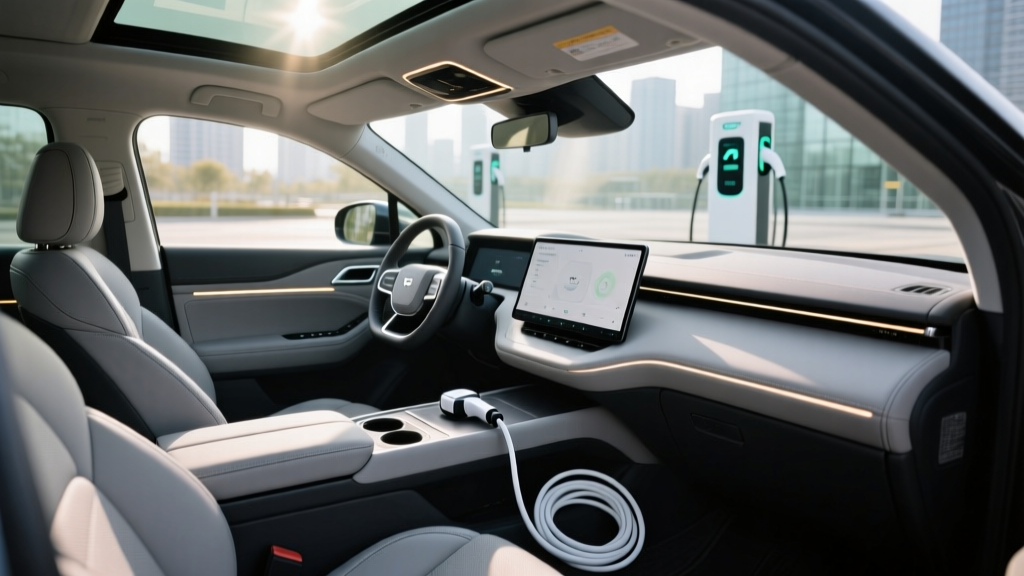
The Highland-refresh Model 3 interior is a significant step up from pre-2024 models. Tesla added ventilated front seats, ambient lighting, rear-seat ventilation, improved sound insulation, and a rear touchscreen for passengers. Build quality has noticeably improved — panel gaps are tighter, and the cabin materials feel premium for the price point.
Dimensions and cargo:
- Cargo volume: 23 cu ft (trunk + frunk combined)
- Front legroom: 42.7 inches
- Rear legroom: 35.3 inches (adequate for adults, tight for tall passengers)
- Frunk: 3.1 cu ft (enough for a charging cable bag and small soft cooler)
Tech highlights:
- 15.4-inch center touchscreen with Google Maps-based navigation
- Over-the-air updates that regularly add features
- Standard Autopilot (adaptive cruise + lane-keeping) — a SAE Level 2 driver-assist system requiring full driver attention
- Optional FSD (Supervised) at $8,000 or $99/month — still Level 2 despite the name
- Sentry Mode dashcam recording, Dog Mode climate, and phone-as-key
Warranty and Long-Term Ownership
Tesla's warranty structure is straightforward and competitive with the EV segment:
- Basic Vehicle: 4 years / 50,000 miles
- Battery & Drive Unit (RWD): 8 years / 100,000 miles
- Battery & Drive Unit (Long Range/Performance): 8 years / 120,000 miles
- Battery degradation threshold: Warranty covers retention below 70% of original capacity during the warranty period
Real-world battery degradation data from Tesla's fleet indicates the NMC packs in Long Range models retain approximately 85-90% capacity after 100,000 miles. The LFP pack in the RWD model shows even slower degradation due to LFP chemistry's inherent longevity, though long-term fleet data on the Highland-generation LFP cells is still accumulating.
Pros, Cons, and the Verdict
- Best-in-class Supercharger network access
- Excellent efficiency (25-29 kWh/100mi)
- 250 kW DCFC on LR/Performance trims
- Strong OTA update track record
- Competitive pricing after tax credits
- Improved Highland interior quality
- No physical turn-signal stalk (steering-wheel buttons)
- Rear-seat headroom is tight for 6'+ passengers
- FSD costs $8K extra and is still Level 2
- Limited service center footprint in rural areas
- RWD model's 170 kW DCFC ceiling
- Trade-in values typically below private market
Is the Model 3 Worth It vs. Key Competitors?
The Model 3 competes against the Hyundai Ioniq 6 (361-mi range, 800V architecture, ~$42,500), BMW i4 eDrive40 (301-mi range, premium build, ~$52,000), and the Polestar 2 (320-mi range, ~$49,900). The Model 3 Long Range wins on the combined package of range, charging speed, Supercharger access, and price-after-credit. The Ioniq 6 charges faster (10-80% in ~18 min on 800V chargers) but lacks Tesla's charging network advantage. The i4 wins on interior luxury but costs significantly more.
- Choose the RWD if: You primarily commute under 60 miles/day, charge at home nightly, and want the lowest entry price with LFP battery longevity.
- Choose the Long Range AWD if: You road-trip 2+ times per year, live in a cold climate, or need AWD traction. This is the best overall value in the lineup.
- Choose the Performance if: You want sub-3-second 0-60 acceleration and track-day capability, and the $7K premium over LR is justified by driving enjoyment.
- Look elsewhere if: You need SUV cargo space (consider Model Y or Ioniq 5), want a luxury-brand badge (BMW i4), or need physical controls for turn signals and wipers.
Frequently Asked Questions
What does Tesla do with trade-ins that aren't Teslas?
Non-Tesla trade-ins are typically sent to wholesale auctions where franchised and independent dealers bid on them. Tesla does not recondition or resell non-Tesla vehicles on its own platform. The wholesale offer you receive reflects what auction dealers are willing to pay, which is usually 10-20% below retail private-party value.
Can I trade in a leased vehicle to Tesla?
Yes, but you'll need to coordinate with your leasing company. Tesla can handle the payoff directly in some cases, or you may need to purchase the lease buyout first and then trade it in. The equity (or negative equity) is applied to your new Tesla purchase.
How does trading in affect my Tesla tax credit?
A trade-in does not affect your eligibility for the federal §30D tax credit — that's based on the vehicle's MSRP, your income, and battery sourcing rules. However, a trade-in can reduce your state sales tax liability (in most states), effectively stacking savings on top of the federal credit.
Does the Model 3 qualify for the full $7,500 federal tax credit in 2026?
The Long Range AWD and Performance trims can qualify for up to $7,500, split into two $3,750 halves based on critical-mineral sourcing and battery-component requirements. The RWD trim may qualify for $3,750 (partial credit) depending on current-year sourcing rules. Always verify at point of sale, as these requirements tighten annually. Check IRS.gov for the latest eligibility details.
What's the real-world range of the Model 3 Long Range on a road trip?
Expect 290-310 miles at 70-75 mph in 60-80°F weather. In winter conditions (below 32°F), plan for 240-270 miles between charges. The Supercharger network's density means most highway corridors have chargers spaced 120-180 miles apart, so range anxiety is minimal with basic trip planning using Tesla's built-in navigation.
Is Tesla's trade-in offer negotiable?
No. Tesla's trade-in offers are algorithmically generated and non-negotiable. If the offer seems low, your best option is to sell the vehicle privately or to another buyer (Carvana, CarMax, a local dealer) and apply the proceeds to your Tesla order separately.