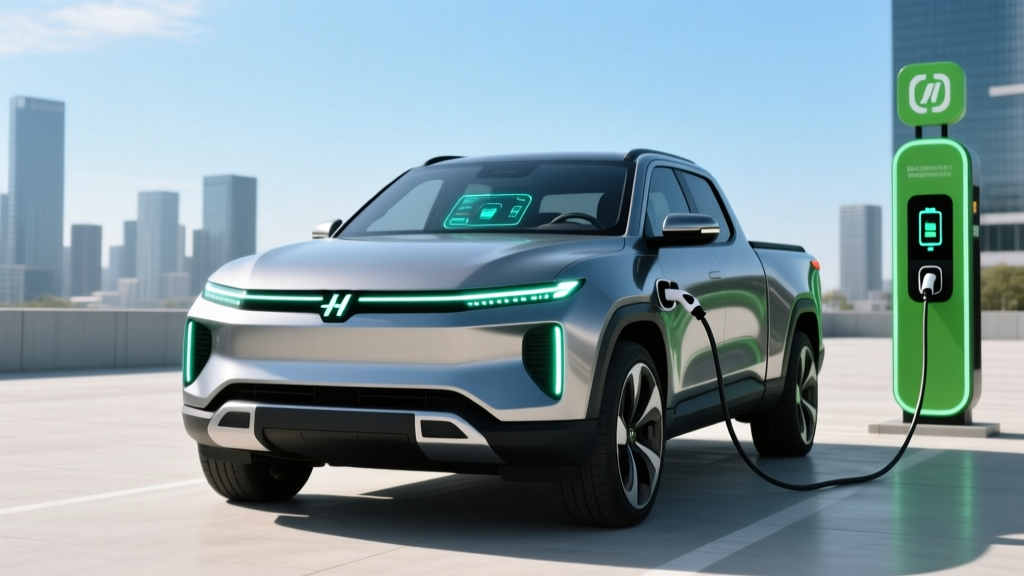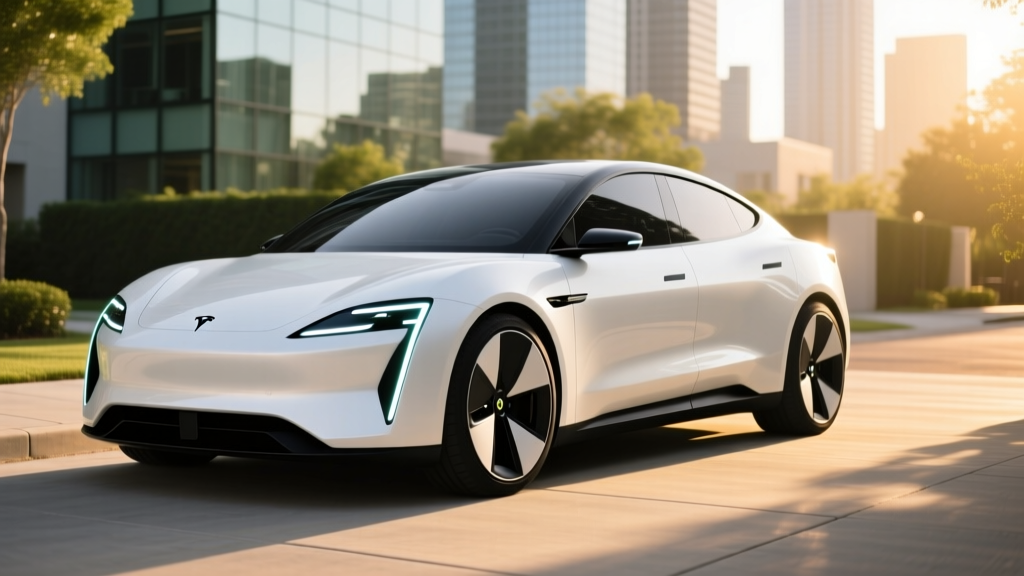
Quick Verdict: The Terafab Is Announced, Not Yet On Sale
If you've been searching for Tesla Terafab reviews, specs, or configurator links, here's the essential context first: as of early 2026, the Tesla Terafab (sometimes referred to internally and in media as the next-generation compact Tesla, "Model 2," or "Redwood") remains an announced vehicle. Tesla has confirmed the platform will debut on a new "unboxed" manufacturing process, with production targeted to begin at the Austin Gigafactory and eventually at the new Mexico facility. Deliveries to US customers have not yet started.
What follows is a synthesis of Tesla's public statements, supply-chain reporting, patent filings, and informed estimates from industry analysts. Where a spec is confirmed, we label it as such. Where it is projected, we note the basis for the estimate. We'll update this profile the moment official EPA numbers, pricing, and configurator details go live.
The Tesla Terafab is announced but not yet available for purchase. All specifications below marked with an asterisk (*) are projected based on Tesla disclosures and industry analysis. This article will be updated with confirmed EPA and MSRP data upon launch.
Projected Range, Battery, and Efficiency
Tesla has stated the next-generation platform will achieve roughly 50% lower production cost compared to the Model 3/Y architecture, partly through a smaller, more material-efficient battery pack. Industry consensus, supported by Tesla's own hints at Battery Day and subsequent investor updates, points to a pack in the 50–60 kWh usable range.
| Spec | Projected Value | Basis |
|---|---|---|
| EPA Est. Range* | 250–300 miles | Tesla target statements, pack-size modeling |
| Battery Capacity* | ~53–60 kWh usable | Supply-chain reports, teardown analysis |
| Chemistry* | LFP (base) / NMC (Long Range) | Tesla's LFP adoption in standard-range vehicles |
| Efficiency* | ~120–135 MPGe / 25–28 kWh/100mi | Modeled on Model 3 RWD efficiency, lighter platform |
| Drivetrain* | RWD standard, AWD available | Tesla's standard-range trim strategy |
| 0–60 mph* | ~5.8–6.5 sec (RWD base) | Power-to-weight estimates |
| Base MSRP* | ~$25,000 | Tesla public target price |
EPA est. 250–300 miles (projected). Based on Tesla's efficiency track record with the Model 3 RWD (which achieves roughly 4.0–4.3 mi/kWh), a 55 kWh pack could deliver ~275 miles EPA. In real-world highway driving at 70+ mph, expect approximately 220–250 miles in mild conditions. In cold weather (below 30°F), LFP chemistry loses range more aggressively than NMC — budget 180–210 miles for winter highway trips. Preconditioning via the Tesla app will be critical for preserving range and enabling peak DC charge rates.
LFP vs. NMC: What Chemistry Means for Terafab Buyers
Tesla has increasingly adopted LFP (lithium iron phosphate) chemistry in its standard-range vehicles globally. LFP offers:
- Longer cycle life — 3,000+ cycles vs. ~1,500 for NMC, meaning less degradation over 150,000+ miles
- 100% daily charging — Tesla recommends charging LFP packs to 100% regularly to maintain cell balancing, unlike NMC which prefers an 80% daily limit
- Lower cost and no cobalt/nickel — reducing both price and supply-chain risk
- Trade-off: lower energy density — meaning a heavier or physically larger pack for the same range, and worse cold-weather performance
If Tesla offers a Long Range or Performance Terafab variant, expect NMC chemistry with a larger pack (~70+ kWh) and an EPA range closer to 330–350 miles.
Charging Speed: DC Fast and Home Level 2
Charging speed is where the next-generation Tesla platform could see meaningful gains. Tesla's engineering team has discussed a 48-volt architecture and advances in thermal management for the new platform. Here's what we project based on current Tesla capabilities and the smaller pack size:
| Charging Level | Power | Speed |
|---|---|---|
| Level 1 (120V outlet) | ~1.4 kW | ~3–4 mi/hr |
| Level 2 (240V, 48A) | ~11.5 kW | ~38–45 mi/hr |
| DC Fast Charge (peak)* | ~170–200 kW | 10–80% in ~20–25 min* |
Charging curve reality: A smaller battery pack (55 kWh) inherently limits peak DC charge rates compared to a 75–82 kWh pack. Even at 200 kW peak, the Terafab will likely sustain that rate only from roughly 10–40% State of Charge before tapering. Expect the 40–80% portion to add 8–12 minutes. This is still fast enough for a 20-minute highway stop to add ~150 miles — practical for road trips with Supercharger access.
NACS connector: The Terafab will ship with the Tesla NACS connector natively. As of 2025–2026, most major automakers have adopted NACS, and networks like Electrify America and EVgo have added NACS cables, so the Terafab will have broadest-in-class DC fast-charge access.
Performance and Drivetrain
Tesla's entry-level vehicles have historically prioritized efficiency over raw performance, but even base Teslas deliver responsive acceleration. For the Terafab:
- Base RWD: Single rear motor, estimated 200–250 HP, 0–60 mph in ~5.8–6.5 seconds
- AWD variant (if offered): Dual motor, estimated 300+ HP, 0–60 mph in ~4.5 seconds
- Performance variant (speculative): Could follow the Model 3 Performance formula at ~4.0 seconds, but Tesla may reserve this for higher-priced models
The unboxed manufacturing process uses large gigacastings (front and rear underbody castings as single pieces), which reduces weight and increases structural rigidity. This should translate to competent handling despite the compact footprint.
Interior, Cargo, and Tech
The Terafab is expected to be a compact crossover/hatchback, slotting below the Model Y in size. Think of it as closer to a Chevrolet Equinox EV or Volvo EX30 in footprint, but with Tesla's packaging efficiency.
Projected Dimensions and Space*
- Seating: 5 passengers
- Cargo (rear seats up): ~22–26 cu ft
- Cargo (rear seats folded): ~50–58 cu ft
- Frunk: ~3–5 cu ft (smaller than Model 3 due to compact packaging)
- Front headroom: ~39–40 in
- Rear legroom: ~34–36 in
Technology and Driver Assistance
Expect the Terafab to launch with:
- 15.4-inch center touchscreen (slightly smaller than Model 3's 15.4", or possibly a new compact-optimized display)
- Hardware 5 (AI5) computer for Autopilot and FSD (Supervised)
- Tesla Vision — camera-only, no radar or ultrasonic sensors
- Autopilot standard (Traffic-Aware Cruise Control + Autosteer)
- FSD (Supervised) available as a subscription (~$99/mo) or purchase (~$8,000)
- Venture beyond screens: Tesla may debut a simplified interior with fewer physical controls, relying on the touchscreen and voice commands
Tesla Autopilot and FSD (Supervised) are SAE Level 2 driver-assistance systems. The driver must remain fully engaged, monitor the road at all times, and be prepared to take over immediately. These are not self-driving systems. Only Level 4 services like Waymo operate without a human driver in defined geofenced areas.
Pricing, Trims, and Federal Tax Credit
Tesla CEO Elon Musk has repeatedly stated a target price of ~$25,000 for the next-generation compact vehicle. Achieving this depends on the unboxed manufacturing process delivering the promised 50% cost reduction. Here's the projected pricing structure:
| Trim | Est. MSRP* | §30D Credit Eligibility* | Est. After Credit* |
|---|---|---|---|
| Base RWD (LFP) | ~$25,000 | Likely — meets MSRP cap | ~$17,500–$25,000 |
| Long Range RWD | ~$30,000–$32,000 | Likely — meets MSRP cap | ~$22,500–$32,000 |
| AWD | ~$33,000–$36,000 | Likely — under $55K cap | ~$25,500–$36,000 |
Federal Tax Credit Eligibility (§30D)
The IRS §30D clean vehicle credit offers up to $7,500 for qualifying new EVs, available as a point-of-sale transfer to the dealer (effectively an instant discount). However, eligibility for the Terafab depends on several factors that are subject to change:
- MSRP cap: Sedans/hatchbacks must be under $55,000; SUVs/pickups under $80,000. All projected Terafab trims clear this.
- Buyer income cap: Modified AGI must not exceed $150,000 (single), $225,000 (head of household), or $300,000 (joint). Verify with a tax professional.
- Battery sourcing: The critical minerals and battery component requirements tighten annually. An LFP pack sourced from CATL (China) could face sourcing disqualification, while a US- or ally-sourced pack would qualify. Tesla's Austin cell production and partnerships will determine this.
- Final assembly: Must occur in North America. Austin and Mexico plants both qualify.
- FEOC restriction: Vehicles with battery components from a Foreign Entity of Concern (primarily Chinese companies) are disqualified. This is the biggest risk factor for the LFP base model.
Bottom line: The Terafab is designed to qualify, but the LFP base trim's eligibility will hinge on Tesla's battery supply chain at launch. Confirm eligibility on fueleconomy.gov when the vehicle is listed.
Warranty and Ownership Costs
Tesla's current warranty structure should carry over to the Terafab, possibly with enhancements given the simpler unboxed design:
- Basic vehicle warranty: 4 years / 50,000 miles
- Battery & drive unit: 8 years / 100,000 miles (minimum 70% capacity retention)
- Maintenance: Minimal — no oil changes, no transmission fluid. Expect cabin air filter replacement (~$50–80 every 2 years), tire rotation, and washer fluid.
- Insurance: Tesla vehicles carry higher-than-average insurance premiums. The Terafab's lower MSRP should help, but budget $1,800–$2,400/year depending on your state and driving record.
Competitive Landscape: How Does Terafab Compare?
The sub-$30,000 EV segment is heating up. Here's how the Terafab stacks against announced and current competitors:
| Vehicle | EPA Range | DC Peak kW | Base MSRP | Status |
|---|---|---|---|---|
| Tesla Terafab* | 250–300 mi* | ~170–200 kW* | ~$25,000* | Announced |
| Chevrolet Equinox EV | 319 mi (3RS) | 150 kW | ~$33,000 | On sale |
| Hyundai Kona Electric | 261 mi | 100 kW | ~$32,975 | On sale |
| Volvo EX30 | 265 mi | 153 kW | ~$34,950 | On sale |
| Nissan Leaf (next-gen) | TBD | TBD | TBD | Announced |
- You want the lowest possible entry price in a new EV
- Supercharger network access is a priority
- You value Tesla's software, OTA updates, and app experience
- You can wait for production to ramp (late 2026–2027 deliveries likely)
- You need a vehicle now — competitors are on sale today
- You prefer physical controls (buttons, stalks) over touchscreen-only interfaces
- You want a proven long-term reliability track record
- You need more than ~26 cu ft of cargo space
Who Should Buy the Tesla Terafab?
The Terafab is designed for a specific buyer profile:
- Urban and suburban commuters who drive 30–60 miles daily and can charge at home overnight — the smaller pack is more than sufficient, and LFP chemistry rewards daily 100% charging.
- First-time EV buyers priced out of the $40,000+ Model Y and competing crossovers — a $25,000 entry point (potentially ~$17,500 after the tax credit) opens electrification to a massive new buyer segment.
- Second-car households that want an efficient runabout for daily errands while keeping a larger vehicle for road trips or towing.
- Tech-forward buyers who want Tesla's software ecosystem, Supercharger access, and FSD availability in the most affordable package.
The Terafab is not ideal for families needing three rows of seating, frequent long-distance road trippers who want 350+ mile range, or buyers who prioritize dealership service networks over Tesla's mobile-ranger-and-service-center model.
Frequently Asked Questions
What is the real-world range of the Tesla Terafab?
Based on projected efficiency of ~4.0 mi/kWh and a ~55 kWh pack, expect ~275 miles EPA. Real-world highway driving in mild weather should yield 220–250 miles. In freezing conditions with LFP chemistry, plan for 180–210 miles. These figures will be confirmed once EPA testing is published on fueleconomy.gov.
How fast does the Terafab charge at home and on the road?
At home on a 240V Level 2 charger (48A), expect ~11.5 kW and roughly 38–45 miles of range added per hour — a full overnight charge from 10% to 100% in about 5–6 hours. On DC fast chargers, the projected peak is ~170–200 kW, with a 10–80% session taking approximately 20–25 minutes. The smaller pack means the peak rate is sustained for a shorter window than a Model Y Long Range.
How much does the Terafab cost after the federal tax credit?
If the base MSRP is ~$25,000 and the vehicle qualifies for the full $7,500 §30D credit (via point-of-sale transfer), the effective price drops to ~$17,500. However, credit eligibility depends on battery sourcing rules (FEOC restrictions), your income level, and the final MSRP. Always verify on the IRS website and fueleconomy.gov before purchasing.
Is the Terafab worth waiting for vs. buying a Chevy Equinox EV or Kona Electric now?
If you need a vehicle in the next 6 months, buy now — the Equinox EV and Kona Electric are proven, on-sale vehicles with confirmed EPA ranges and tax-credit eligibility. If you can wait into late 2026 or 2027, the Terafab may offer a lower price, Supercharger-native access, and Tesla's software stack. The risk: Tesla production timelines have historically slipped, and initial availability may be limited.
Does the Tesla Terafab qualify for the $7,500 federal EV tax credit?
It is designed to, but qualification depends on the battery sourcing at the time of your purchase. The base LFP model, if it uses CATL cells from China, could face FEOC disqualification. A US- or ally-sourced LFP or NMC pack would likely qualify. The MSRP (well under $55,000) and North American assembly are not concerns. Check the IRS §30D guidance and fueleconomy.gov for the definitive answer at launch.
Will the Terafab have a frunk and how much cargo space?
Yes, a small front trunk (~3–5 cu ft) is expected, along with a rear cargo area of approximately 22–26 cu ft (seats up) and 50–58 cu ft (seats folded). This makes it suitable for weekly groceries, a couple of carry-on bags, or a folded bike, but not large furniture or family road-trip luggage for four.
This article was last updated in early 2026. Specifications marked with an asterisk (*) are projections based on Tesla's public disclosures and industry analysis. We will update with confirmed EPA, MSRP, and tax-credit data as soon as Tesla provides official figures.