Why Tesla Stock Split Searches Spike Around EV Buying Decisions
If you've searched "Tesla stock split" while researching your next EV purchase, you're not alone. The phrase trends every time Tesla executes or rumors a share split — but the connection between equity markets and the sticker price of a Model Y or Model 3 is rarely explained clearly. This guide untangles what Tesla's stock splits actually mean for EV shoppers, then pivots to what really matters: the 2026 Tesla lineup's range, charging speeds, pricing, and federal tax credit eligibility.
Tesla has executed three stock splits in its history: a 5-for-1 split in August 2020, a 3-for-1 split in August 2022, and no additional splits as of early 2026. A stock split changes the number of shares outstanding and the per-share price, but it does not change Tesla's market capitalization, its revenue, or the price of its vehicles. If you're deciding between a Model 3 and a Model Y, the split is a portfolio event — not a purchase-timing signal.
2026 Tesla Model Lineup: Quick Specs at a Glance
Rather than chase stock ticker headlines, let's focus on the numbers that affect your driveway. Below are the core specifications for Tesla's current U.S. consumer lineup as of the 2026 model year.
| Model | EPA Range (mi) | Battery (kWh / Chemistry) | 0–60 mph | Drivetrain | Peak DC kW | 10–80% Time | Base MSRP |
|---|---|---|---|---|---|---|---|
| Model 3 RWD | 363 | ~60 kWh / LFP | 5.8 s | RWD | 170 kW | ~25 min | $38,990 |
| Model 3 Long Range AWD | 346 | ~75 kWh / NMC | 4.2 s | Dual-Motor AWD | 250 kW | ~18 min | $45,990 |
| Model Y Long Range AWD | 320 | ~75 kWh / NMC | 4.8 s | Dual-Motor AWD | 250 kW | ~20 min | $44,990 |
| Model S LR | 402 | ~100 kWh / NMC | 3.1 s | Dual-Motor AWD | 250 kW | ~22 min | $74,990 |
| Model X LR | 348 | ~100 kWh / NMC | 3.8 s | Dual-Motor AWD | 250 kW | ~24 min | $79,990 |
| Cybertruck AWD | 340 | ~123 kWh / NMC | 4.1 s | Dual-Motor AWD | 250 kW | ~28 min | $79,990 |
Sources: fueleconomy.gov, Tesla.com. Specs reflect 2026 model year where published; some figures carry over from late 2025 updates. Battery kWh figures are usable-capacity estimates based on teardown and EPA-filing data.
Real-World Range vs. EPA Estimates: What to Actually Expect
EPA sticker vs. reality: Tesla's EPA range figures are among the more optimistic in the industry. On a 70°F day at city speeds with moderate climate use, you may approach or slightly exceed EPA numbers. On a 75-mph highway run in 30°F weather, expect a 25–35% reduction. A Model 3 Long Range rated at 346 miles may deliver 220–250 real highway miles in winter. Plan road trips around 70% of the EPA sticker to avoid surprises.
Tesla's thermal management system and heat pump (standard on all current models) mitigate cold-weather losses better than most competitors, but physics still applies. LFP-equipped Model 3 RWD units also tolerate frequent 100% charging without the long-term degradation concerns of NMC packs — a real advantage for daily commuters who can charge at home nightly.
Charging Speeds: Supercharger Network vs. Home Level 2
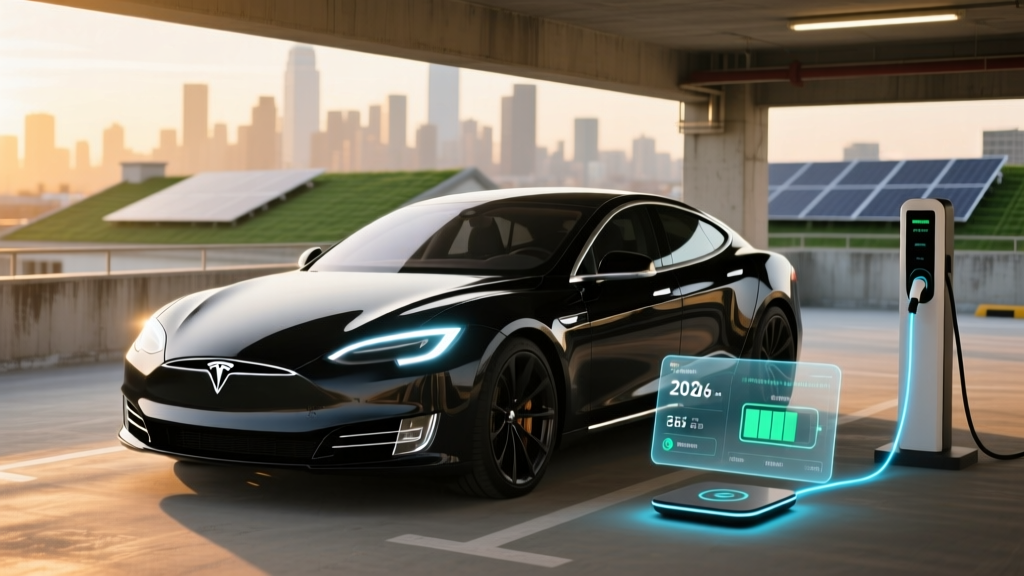
Tesla's Supercharger network remains the gold standard for reliability and ease of use, now increasingly open to non-Tesla EVs via NACS adapters and built-in NACS ports on new Ford, GM, Rivian, and other vehicles. For Tesla owners, the practical charging experience looks like this:
| Level | Power (kW) | Miles Added per Hour | Typical Use Case |
|---|---|---|---|
| Level 1 (120V) | ~1.4 kW | ~3–5 mi/hr | Emergency / trickle top-up |
| Level 2 (240V, 48A) | ~11.5 kW | ~35–44 mi/hr | Overnight home charging |
| DC Fast (V3 Supercharger) | Up to 250 kW | Up to ~1,000 mi/hr (peak) | Road trips; 10–80% in 18–28 min |
| DC Fast (V4 Supercharger) | Up to 350 kW* | Higher sustained rates | Newer stations; vehicle-limited on most Teslas |
*V4 Supercharger cabinets support up to 350 kW, but current Tesla vehicles peak at ~250 kW due to onboard architecture limits. Future 800V architectures (rumored for next-gen platforms) could unlock higher rates.
The charge curve matters more than peak kW. Teslas typically hold near-peak rates from roughly 10–50% State of Charge, then taper progressively. A "250 kW" peak may average 150–180 kW over a 10–80% session — which is still class-leading. Preconditioning the battery (automatic when you navigate to a Supercharger) is essential for achieving these speeds in cold weather.
Pricing, Trims, and the Federal EV Tax Credit
Tesla's pricing has stabilized after years of volatility. Here's where the 2026 lineup stands before incentives, and how the IRS §30D federal tax credit applies.
| Model / Trim | MSRP | §30D Credit | Effective Price | Eligibility Notes |
|---|---|---|---|---|
| Model 3 RWD | $38,990 | Up to $7,500 | ~$31,490 | MSRP under $55K cap; LFP battery sourcing under review |
| Model 3 LR AWD | $45,990 | Up to $7,500 | ~$38,490 | MSRP under $55K cap; partial credit likely |
| Model Y LR AWD | $44,990 | Up to $7,500 | ~$37,490 | SUV cap $80K; qualifies on MSRP |
| Model S LR | $74,990 | $0 | $74,990 | Exceeds $55K sedan cap |
| Model X LR | $79,990 | Up to $7,500 | ~$72,490 | Under $80K SUV cap; sourcing rules apply |
| Cybertruck AWD | $79,990 | Up to $7,500 | ~$72,490 | Classified as truck/SUV; under $80K cap |
Critical caveats on the §30D credit (per IRS.gov):
- Income caps: Modified AGI must not exceed $150K single / $300K joint.
- MSRP caps: $55,000 for sedans (Model 3); $80,000 for SUVs/trucks/vans (Model Y, Model X, Cybertruck).
- Battery sourcing: The full $7,500 requires both critical-mineral and battery-component sourcing thresholds. Many Teslas currently qualify for $3,750 (one of two requirements met). Sourcing rules tighten annually — verify on the IRS eligible-vehicle list before purchase.
- Point-of-sale transfer: You can transfer the credit to the dealer at purchase, reducing your out-of-pocket cost immediately rather than waiting for tax filing.
The stock-split connection? None directly. But Tesla's share price and market cap influence its ability to raise capital for factory expansion, which affects vehicle supply and pricing stability. A split itself is cosmetic — it's Tesla's production volume and battery-cost trajectory that move the needle for buyers.
Efficiency, Cargo, and Daily Livability
Tesla vehicles remain among the most energy-efficient EVs sold, a result of aerodynamic design, low rolling-resistance tires, and sophisticated powertrain software.
- Model 3 RWD: ~132 MPGe combined / ~25 kWh/100 mi. Trunk: 23 cu ft + front trunk (frunk).
- Model 3 LR AWD: ~125 MPGe combined. Same cargo.
- Model Y LR AWD: ~120 MPGe combined. Cargo: 30 cu ft behind second row; 76 cu ft with seats folded.
- Model S LR: ~120 MPGe. Cargo: 28 cu ft + frunk.
- Model X LR: ~105 MPGe. Cargo: up to 88 cu ft (5-seat config, seats folded).
- Cybertruck: ~2.0 kWh/mi (no official MPGe as of publication). Bed: ~6.5 ft length; front trunk + sail-pillar storage.
Rear legroom is generous in the Model 3 and Model Y (35.2" and 41.6" respectively), but the Model S and X rear seats feel tighter than their exterior size suggests. The Cybertruck's six-foot bed and 11,000-lb towing capacity make it the only Tesla suited for heavy utility work, though its 8,600-lb curb weight and angular aero reduce real-world range significantly under load.
Warranty, Driver-Assist, and Tech Highlights
Tesla's warranty structure is straightforward:
- Basic vehicle: 4 years / 50,000 miles
- Battery & drive unit: 8 years / 100,000 miles (Model 3 RWD); 8 years / 120,000 miles (Long Range, Model Y, Model S/X)
- Capacity retention threshold: 70% of original capacity during the warranty period
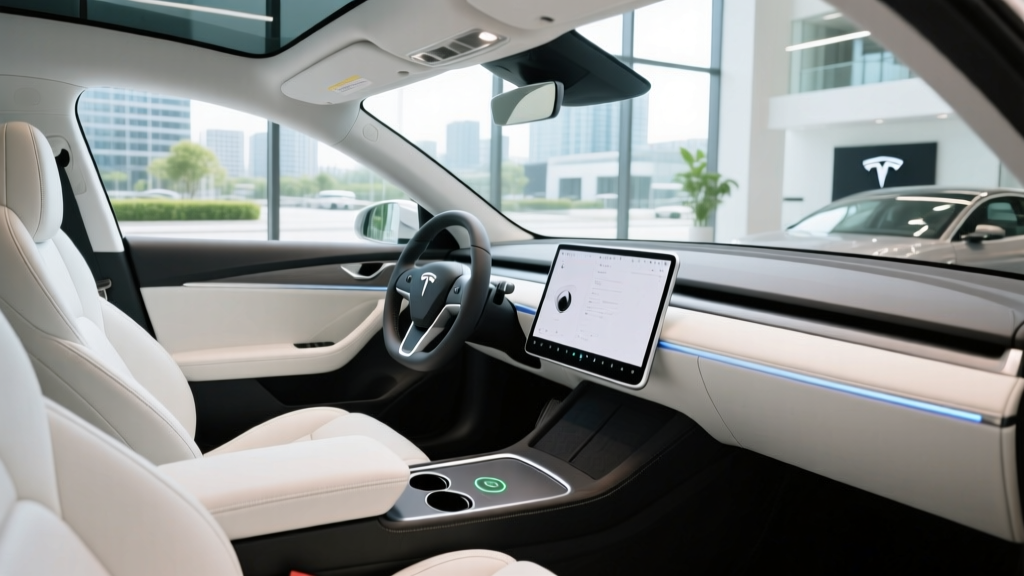
On the tech front, Tesla's 15.4" (Model 3/Y) or 17" (Model S/X) center touchscreen runs a fast, responsive infotainment system with native navigation, streaming apps, and a robust mobile app for remote preconditioning and charge monitoring. Over-the-air updates continue to add features years after purchase — a genuine differentiator.
Autopilot & FSD (Supervised) are SAE Level 2 systems. The driver must remain fully engaged — hands on or near the wheel, eyes on the road. Despite the "Full Self-Driving" name, Tesla does not offer Level 4 autonomy. Only Waymo and Zoox currently operate Level 4 driverless services in limited U.S. geofenced areas. Treat FSD as an advanced lane-keeping and adaptive-cruise system, not a substitute for an attentive driver.
Notable drawbacks: The absence of Apple CarPlay/Android Auto frustrates some buyers. Panel-gap inconsistency still appears on Fremont-built units (Austin-built Model Y is generally tighter). The touchscreen-centric climate and mirror controls require a learning curve and are a legitimate safety concern for some drivers.
Pros, Cons, and Who Should Buy
Pros
- Best-in-class Supercharger network (17,000+ U.S. stalls)
- Strong real-world efficiency and range retention
- Over-the-air updates add features post-purchase
- LFP battery option on Model 3 RWD (daily 100% charging safe)
- Point-of-sale §30D credit transfer reduces upfront cost
Cons
- No Apple CarPlay / Android Auto
- FSD remains Level 2 despite the name and $8,000 price
- Cold-weather range loss still 25–35% on highway runs
- Insurance premiums often 20–40% above comparable EVs
- Model S/X pricing exceeds sedan §30D MSRP cap
Who it's for: The Model 3 RWD is the value pick — ideal for single commuters or couples who can charge at home and want a ~$31,500 effective price after incentives. The Model Y Long Range is the family default: best cargo space, strong range, and SUV-class tax-credit eligibility. The Cybertruck serves a niche of truck buyers who want electric utility with Tesla's software ecosystem. The Model S and X are harder to recommend purely on value — buyers choose them for performance and prestige, not economics.
Frequently Asked Questions
What is the real-world range of a 2026 Tesla Model Y?
The Model Y Long Range AWD carries a 320-mile EPA rating. In mixed suburban driving at moderate temperatures, expect 280–310 miles. On sustained 75-mph highway trips in winter, plan for 210–240 miles before needing to charge. Preconditioning and seat-heater use (instead of cabin heat) help reclaim range.
How fast does a Tesla charge at home and on the road?
On a 48-amp Level 2 home charger (240V), a Tesla adds 35–44 miles of range per hour — enough to fully replenish overnight. On a V3 Supercharger, expect a 10–80% session in 18–28 minutes depending on the model and battery temperature. Peak rates of 250 kW are not sustained; the charge curve tapers significantly above 60% SoC.
Does the Tesla Model 3 qualify for the full $7,500 federal tax credit?
Not always. The Model 3's MSRP clears the $55,000 sedan cap, but the full $7,500 credit requires meeting both critical-mineral and battery-component sourcing thresholds under IRS §30D. As of early 2026, most Model 3 variants qualify for $3,750 (one threshold met). Verify on IRS.gov before purchase — the list updates frequently.
Is a Tesla worth buying vs. Hyundai Ioniq 5 or Ford Mustang Mach-E?
If Supercharger access and software polish are your top priorities, Tesla still leads. If you prefer Apple CarPlay, more conventional controls, or a dealership service network, the Ioniq 5 (with its 800V architecture and ~18-minute 10–80% charge) and Mach-E (strong value, especially with Ford's NACS adapter for Supercharger access) are compelling alternatives. Cross-shop all three with your specific commute and charging situation in mind.
Does a Tesla stock split affect vehicle pricing?
No. A stock split changes the per-share price and share count but does not alter Tesla's market capitalization, revenue, or vehicle pricing. Tesla's vehicle prices are driven by battery costs, production volume, competitive pressure, and regulatory credit revenue — not equity-split mechanics. Time your purchase based on model-year updates, incentive changes, and your personal needs, not stock-split announcements.
How long will a Tesla battery last?
Tesla's battery warranty guarantees at least 70% capacity retention over 8 years / 100,000–120,000 miles (depending on trim). Real-world data from high-mileage owners suggests NMC packs retain 85–90% capacity at 100,000 miles with typical use. LFP packs (Model 3 RWD) show even slower degradation and tolerate daily 100% charging. Full battery replacement outside warranty currently costs $12,000–$20,000 depending on the model — rare before 200,000 miles.
Always confirm final pricing, tax-credit eligibility, and vehicle specifications on Tesla.com and IRS.gov before purchasing. Rules and vehicle eligibility change frequently.