Understanding the Tesla Referral Program in 2026
If you're shopping for a new Tesla and wondering how to get a Tesla referral code, you're not alone. The Tesla referral program has evolved significantly since its early days of free Supercharging miles. In 2026, the program offers modest but meaningful incentives for both new buyers and existing owners who share their codes. Whether you're eyeing the Tesla Model 3 or the larger Model Y, understanding how to leverage a referral can shave dollars off your purchase or earn you credits toward future accessories and charging.
This guide breaks down exactly how the current referral system works, where to find valid codes, and—more importantly—whether the EV you're buying is worth the investment based on real-world range, charging speed, pricing, and federal tax credit eligibility.
How to Get a Tesla Referral Code: Step by Step
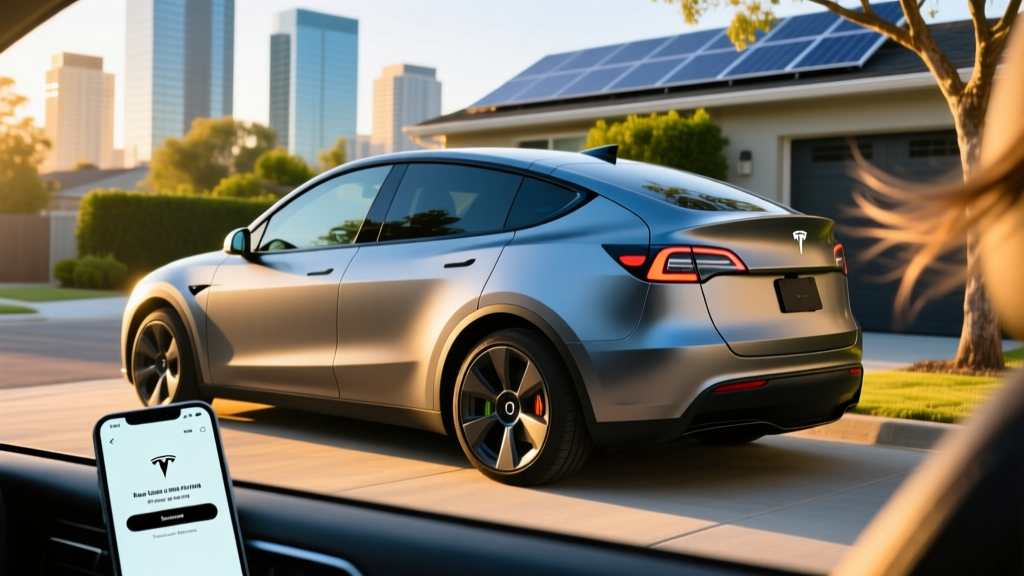
Tesla's referral program in 2026 operates primarily through the Tesla app. Here's how both referrers and new buyers interact with it:
- For existing owners: Open the Tesla app, navigate to the "Refer" tab, and copy your unique referral link. Share it with friends, family, or on social media.
- For new buyers: Before placing your order on Tesla.com, click a valid referral link from an existing Tesla owner. The referral is automatically applied to your account when you configure and order your vehicle.
- Alternative method: If you don't know a Tesla owner, communities on Reddit (r/TeslaMotors), EV forums like InsideEVs, and YouTube EV reviewers often share referral links publicly.
What you get in 2026: Tesla's current referral rewards typically include a small discount on the vehicle purchase (often around $500–$1,000 depending on the promotion period) or Tesla Credits that can be applied to Supercharging, accessories, or Powerwall purchases. Rewards rotate quarterly, so check Tesla's official referral page for the current offer.
Real-World Range Reality Check
EPA Estimated Range (Model 3 Long Range AWD 2026): 341 miles
Real-World Expectation: Expect approximately 280–310 miles on mixed highway driving at 70+ mph. In cold weather (below 32°F), range can drop 20–30%, yielding roughly 230–270 miles. City driving with heavy regenerative braking can match or slightly exceed the EPA estimate.
2026 Tesla Model 3 Long Range: Full Specifications
To help you evaluate whether using a referral code on a Model 3 makes sense, here are the complete specs for the most popular configuration—the Long Range AWD variant:
| Specification | Value |
|---|---|
| EPA Range | 341 miles |
| Battery Capacity | 79 kWh (usable), NMC chemistry |
| Drivetrain | Dual-motor AWD |
| Horsepower | 346 hp combined |
| 0–60 mph | 4.2 seconds |
| Max DC Fast Charge | 250 kW peak |
| 10–80% DC Charge Time | ~25 minutes |
| Level 2 Home Charge Rate | 11.5 kW (~44 miles/hr) |
| Efficiency | 132 MPGe combined / 25 kWh/100mi |
| Cargo Volume | 23 cu ft (rear trunk + frunk) |
| Base MSRP | $47,740 (before destination) |
| Battery Warranty | 8 years / 120,000 miles |
The Model 3 Long Range uses an NMC (nickel-manganese-cobalt) battery pack, which offers higher energy density than LFP chemistry. This translates to more range in a lighter package, though NMC batteries benefit from daily charging limits of 80–90% to maximize longevity. Tesla's battery management system handles this automatically when you set your charge limit in the app.
Charging Speed Breakdown: DC Fast, Level 2, and Level 1
Charging speed remains one of the most critical factors in EV ownership satisfaction. The Model 3 Long Range supports Tesla's V3 and V4 Supercharger network, which dominates public fast-charging reliability in the U.S.
| Charging Level | Power | Miles Added Per Hour | Typical Use Case |
|---|---|---|---|
| Level 1 (120V) | ~1.4 kW | ~5 mi/hr | Emergency / overnight trickle |
| Level 2 (240V, 48A) | 11.5 kW | ~44 mi/hr | Home daily charging |
| DC Fast (Supercharger V3) | 250 kW peak | ~175 mi in 15 min | Road trips, highway travel |
Charging curve reality: The 250 kW peak rate applies only between roughly 10–30% state of charge. From 30–60%, the rate tapers to approximately 150 kW, and above 80% it drops significantly to protect the battery. A 10–80% session takes about 25 minutes under optimal conditions (battery preconditioned via navigation to a Supercharger).
For home charging, installing a Tesla Wall Connector on a 60-amp circuit delivers the full 11.5 kW (48 amps continuous). Most owners report waking up to a full battery every morning with a typical 40–60 mile daily commute easily replenished in 1–2 hours of charging.
Pricing, Tax Credits, and Total Cost After Incentives
Understanding what you'll actually pay after incentives is where the Tesla referral code fits into the bigger financial picture.
| Cost Factor | Amount |
|---|---|
| Base MSRP (Model 3 LR AWD) | $47,740 |
| Destination Fee | $1,390 |
| Federal Tax Credit (§30D) | Up to $7,500 (see eligibility below) |
| Estimated Referral Discount | $500–$1,000 (varies by promotion) |
| Effective Price (after max incentives) | ~$41,630–$42,130 |
Federal EV Tax Credit Eligibility (§30D Rules for 2026)
The IRS §30D clean vehicle credit offers up to $7,500, but eligibility depends on several factors:
- MSRP Cap: Sedans must be under $55,000 (the Model 3 qualifies at $47,740 base)
- Income Limits: Modified AGI must not exceed $150,000 (single), $225,000 (head of household), or $300,000 (joint)
- Battery Sourcing: The $7,500 credit splits into two halves—$3,750 for critical minerals and $3,750 for battery components. Sourcing requirements tighten annually; check Tesla's configurator for the current credit amount applied to your specific build
- Point-of-Sale Transfer: As of 2024, you can transfer the credit to the dealer (Tesla) at purchase, reducing your out-of-pocket cost immediately rather than waiting for tax filing
Important: Tax credit eligibility changes frequently based on battery sourcing rules. Always verify the current credit amount on Tesla's website and consult a tax professional before relying on the full $7,500.
Who Should Buy the Tesla Model 3 Long Range?
The Model 3 LR is best suited for:
- Daily commuters traveling 30–80 miles round-trip who can charge at home
- Tech-forward buyers who want over-the-air updates, a minimalist interior, and Tesla's Supercharger network access
- Small families (the rear seat fits two adults comfortably, though the sloping roofline limits headroom for taller passengers)
- Road trippers who value the reliability of Tesla's 6,000+ Supercharger stations across North America
Who should look elsewhere: Buyers needing more than 23 cu ft of cargo space, those who prefer physical buttons over touchscreen controls, or anyone whose daily route lacks access to home or workplace charging.
Pros and Cons at a Glance
Pros
- Class-leading Supercharger network reliability
- 341-mile EPA range reduces charging stops on road trips
- 250 kW peak DC charging—10–80% in ~25 minutes
- Over-the-air updates continuously improve the vehicle
- Strong resale value compared to non-Tesla EVs
- Eligible for up to $7,500 federal tax credit (verify sourcing)
Cons
- Minimalist interior lacks physical buttons—everything runs through the 15.4" touchscreen
- Rear seat headroom is tight for passengers over 6'2"
- NMC battery benefits from 80% daily charge limit (reduces usable daily range to ~270 mi)
- Insurance premiums run 15–30% higher than comparable gas sedans
- Turn-signal stalks removed in 2025 refresh—steering-wheel buttons take adjustment
How the Model 3 Compares to Key Competitors
Before applying your referral code, it's worth comparing the Model 3 Long Range against its closest rivals:
- Hyundai Ioniq 6 SEL AWD: 316-mile EPA range, 320 hp, ~$48,000 base. Slightly less range but offers more traditional interior controls and physical buttons.
- BMW i4 xDrive40: 282-mile range, 396 hp, ~$57,000 base. More luxurious interior but costs significantly more and loses the tax credit due to MSRP cap.
- Polestar 2 Long Range Dual Motor: 276-mile range, 408 hp, ~$53,000. Strong performance but lower efficiency and range.
The Model 3's combination of range, charging speed, and Supercharger access remains difficult to beat at its price point—especially after the federal tax credit.
Frequently Asked Questions
Can I use a Tesla referral code on a used Tesla?
No. Tesla referral codes apply only to new vehicle orders placed through Tesla.com or the Tesla app. Used Tesla purchases through Tesla's inventory or third-party dealers do not qualify for referral incentives.
Does the referral discount stack with the federal tax credit?
Yes. The referral incentive (typically $500–$1,000 in Tesla Credits or purchase discount) applies separately from the IRS §30D tax credit. You can benefit from both, plus any applicable state incentives.
What happens if I order without a referral code—can I add one later?
Generally, no. The referral link must be used before or during the order process. Once your order is placed, Tesla support typically cannot retroactively apply a referral. Always click a referral link before configuring your vehicle.
Is the Model 3 Long Range eligible for the full $7,500 tax credit in 2026?
The Model 3 Long Range has historically qualified for at least a partial credit ($3,750–$7,500), but the exact amount depends on current battery-sourcing compliance. Check Tesla's configurator at the time of ordering and verify against fueleconomy.gov for the latest eligibility data.
What is the real-world range of the 2026 Model 3 Long Range?
While the EPA rates it at 341 miles, real-world highway driving at 70–80 mph typically yields 280–310 miles. In cold weather (below freezing), expect 230–270 miles. City driving with regenerative braking can approach or slightly exceed the EPA figure.
Does the Tesla referral program give me free Supercharging?
As of 2026, Tesla's referral rewards typically come as purchase discounts or Tesla Credits rather than free Supercharging miles. The specific reward rotates by quarter—check the referral page in the Tesla app for the current promotion.