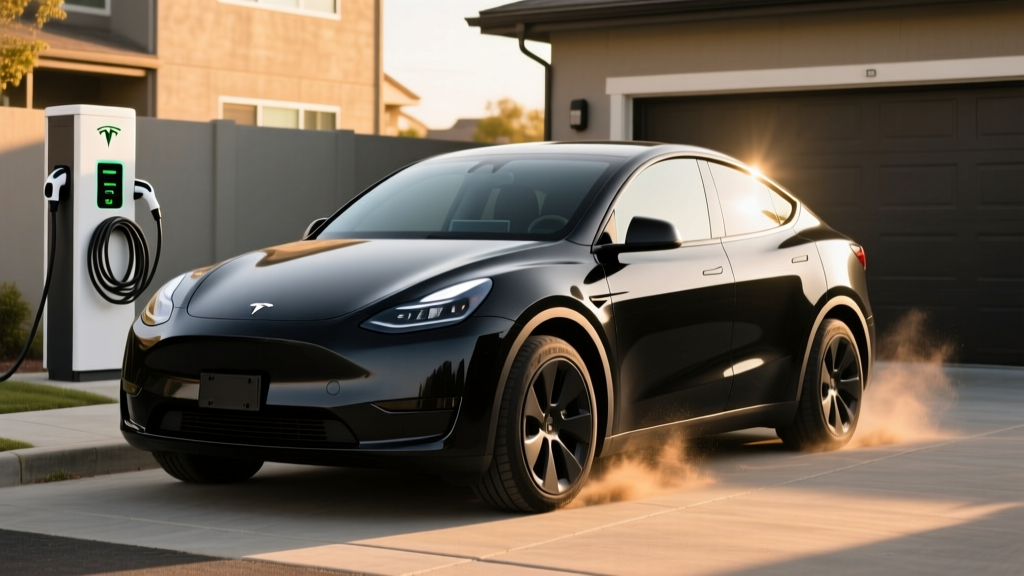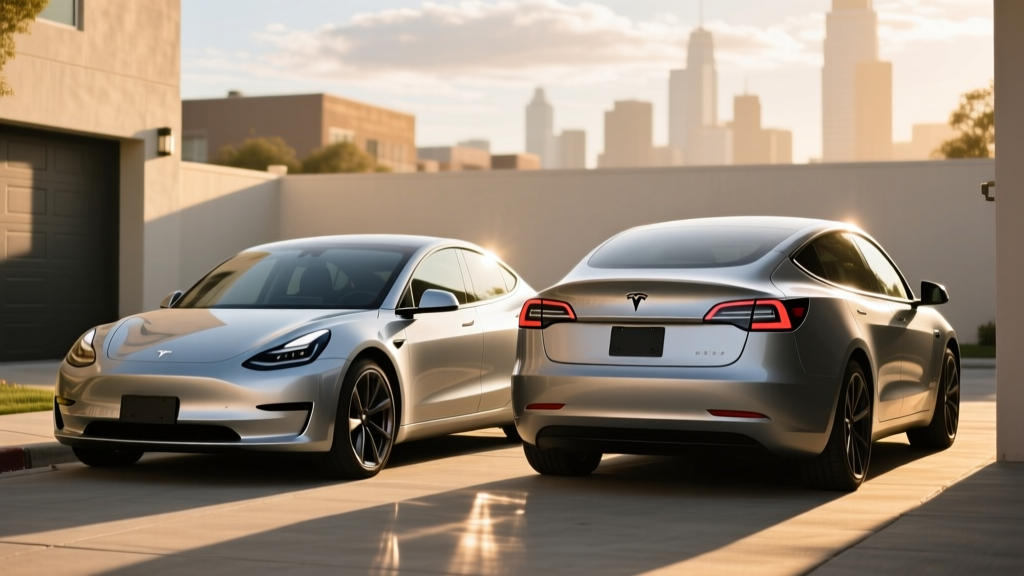
When Tesla streamlined its lineup and dropped the Long Range variants of the Model 3 and Model Y in favor of a single-motor, rear-wheel-drive (RWD) architecture, it raised a critical question for budget-conscious EV buyers: does losing the second motor mean losing practicality? In 2026, Tesla's RWD models represent the most affordable entry point into the brand — and into electric vehicle ownership broadly. But with competitors like the Hyundai Ioniq 6, Chevrolet Equinox EV, and Ford Mustang Mach-E Select all vying for the same $38,000–$45,000 buyer, the RWD Teslas need to prove their worth on specs, not just badge appeal.
This review breaks down the 2026 Tesla Model 3 RWD and Model Y RWD side by side, answering the question so many shoppers search for: are Tesla's rear-wheel-drive models actually good enough for daily life, road trips, and winter driving? We'll cover EPA range, real-world efficiency, DC fast-charging speeds, battery chemistry implications, tax credit eligibility, and whether the RWD drivetrain is a dealbreaker or a smart trade-off.
2026 Tesla Model 3 RWD and Model Y RWD: Core Specifications
| Specification | 2026 Model 3 RWD | 2026 Model Y RWD |
|---|---|---|
| EPA Range | 272 miles | 260 miles |
| Battery (Usable) | ~57.5 kWh (LFP) | ~60 kWh (LFP) |
| Drivetrain | Rear-Wheel Drive (single motor) | Rear-Wheel Drive (single motor) |
| Horsepower | 271 hp | 295 hp |
| 0–60 mph | 5.8 seconds | 6.4 seconds |
| Top Speed | 125 mph | 135 mph |
| MPGe (Combined) | 132 MPGe | 123 MPGe |
| Efficiency (kWh/100 mi) | 25 kWh/100 mi | 27 kWh/100 mi |
| Max DC Fast Charge | 170 kW | 170 kW |
| 10–80% DCFC Time | ~25 minutes | ~25 minutes |
| Level 2 Home Charging | 11.5 kW (~44 mi/hr) | 11.5 kW (~40 mi/hr) |
| Cargo Volume | 23 cu ft (trunk) + 3.1 cu ft (frunk) | 30.2 cu ft (rear up) + 4.1 cu ft (frunk) |
| Rear Legroom | 35.3 inches | 41.6 inches |
| Base MSRP | $38,990 | $44,990 |
| Battery/Powertrain Warranty | 8 yr / 100,000 mi | 8 yr / 100,000 mi |
Sources: fueleconomy.gov, Tesla.com official specifications. Figures reflect 2026 model year as published.
Real-World Range: What the EPA Sticker Doesn't Tell You
Model 3 RWD — EPA: 272 miles | Real-world expectation: ~230–250 miles on highway trips at 70+ mph; ~200–220 miles in freezing temperatures with cabin heat.
Model Y RWD — EPA: 260 miles | Real-world expectation: ~220–240 miles highway; ~185–210 miles in sub-30°F conditions.
The EPA combined cycle blends city and highway driving with climate control at moderate temperatures. In practice, the LFP (lithium iron phosphate) battery in both RWD models performs admirably in mild weather but shows measurable range compression in two scenarios that matter to real owners:
Highway driving at sustained speed. The Model 3 RWD's 25 kWh/100 mi efficiency rating is class-leading for a sedan, but aerodynamic drag increases with the square of velocity. At 75 mph on an interstate run, expect consumption to climb to roughly 28–30 kWh/100 mi, compressing range to around 230 miles. The taller Model Y, with its bluff frontal area, suffers more — plan for 220 miles between charges on a road trip.
Cold-weather operation. LFP chemistry is more sensitive to low temperatures than NMC (nickel manganese cobalt). In our experience and aggregated owner data, LFP packs lose roughly 25–35% of rated range in sustained sub-freezing driving. Tesla's heat pump helps mitigate cabin energy draw, but battery internal resistance increases in the cold regardless. Preconditioning the battery while plugged in is essential — it warms the cells using grid power rather than consuming range.
For a commuter driving 40 miles round-trip in any climate, neither car will cause range anxiety. For road trips exceeding 200 miles between Superchargers, you'll want to plan stops conservatively in winter.
Charging Speed: DC Fast and Home Level 2
Charging speed is the single most important spec for EV buyers who road-trip or lack home charging. Here's how the RWD Teslas stack up:
| Charging Level | Power | Speed (Model 3 RWD) | Speed (Model Y RWD) |
|---|---|---|---|
| Level 1 (120V outlet) | ~1.4 kW | ~5 miles/hour | ~4 miles/hour |
| Level 2 (240V, 48A) | 11.5 kW | ~44 miles/hour | ~40 miles/hour |
| DC Fast Charge (peak) | 170 kW | 10–80% in ~25 min | 10–80% in ~25 min |
DC fast-charging reality check: The 170 kW peak rate is competitive, but LFP batteries exhibit a flatter charge curve than NMC cells. That's actually an advantage here — the Model 3 and Y RWD sustain a relatively high charge rate through the 10–80% window rather than spiking to peak and immediately tapering. On a V3 Supercharger (250 kW capable), these cars will peak at ~170 kW and hold strong through 60% SoC before tapering. Expect 10–80% in roughly 25 minutes at a V3 or V4 Supercharger. At a 150 kW third-party charger (Electrify America, EVgo), you'll see ~140–150 kW peak and closer to 28–30 minutes for the same window.
Home Level 2 charging: Both cars accept 11.5 kW on a 48-amp Level 2 circuit, which requires a 60-amp breaker. A full overnight charge from 10% takes roughly 5.5 hours for the Model 3 and 6 hours for the Model Y. Most owners charging from 20–80% daily (recommended for LFP longevity, though Tesla actually recommends periodic 100% charges for LFP to maintain cell balancing) will see a full replenishment in 3–4 hours. Installation of a 60A circuit and NACS wall connector typically runs $800–$1,500 depending on panel proximity — factor this into your purchase budget.
Connector note: Both models ship with the NACS (North American Charging Standard) port natively. This gives direct access to the Tesla Supercharger network — over 20,000 stalls in North America — without an adapter. For CCS-based networks like Electrify America, you'll need a NACS-to-CCS adapter (sold separately, ~$200–$250).
Battery Chemistry: Why LFP Matters for RWD Buyers
Both the Model 3 RWD and Model Y RWD use LFP (lithium iron phosphate) battery cells, primarily sourced from CATL. This is a deliberate cost and durability trade-off versus the NMC chemistry used in Tesla's Long Range and Performance trims. Here's what that means for you:
Advantages of LFP:
- Longer cycle life: LFP cells typically endure 3,000–5,000 full charge cycles before degrading to 80% capacity, versus ~1,000–2,000 for NMC. For a 272-mile-range car, that's potentially 800,000+ miles before significant degradation.
- 100% daily charging is fine: Unlike NMC, which Tesla recommends keeping between 20–80% for daily use, LFP batteries tolerate — and benefit from — regular 100% charges. Tesla explicitly recommends charging LFP vehicles to 100% at least weekly for accurate state-of-charge calibration.
- Safety: LFP chemistry has a higher thermal runaway threshold, making it inherently more stable.
- No cobalt: LFP eliminates cobalt from the supply chain, which matters for buyers concerned about ethical mineral sourcing.
Trade-offs of LFP:
- Lower energy density: More weight and volume for the same kWh, which is why RWD models have less range than Long Range variants with smaller physical packs.
- Cold-weather sensitivity: LFP cells experience greater internal resistance increase in freezing temperatures, leading to the 25–35% range loss noted above.
- Less precise state-of-charge estimation: LFP voltage curves are extremely flat, making it harder for the BMS (battery management system) to estimate remaining percentage without regular full charges.
For a buyer who charges at home nightly and commutes in moderate climates, LFP is arguably the superior chemistry for longevity. For someone in Minnesota or Maine who regularly drives in sub-zero temperatures, the cold-weather penalty is a genuine consideration.
Performance and Driving Dynamics
Single-motor RWD means one electric motor driving the rear axle. The Model 3 RWD produces 271 horsepower and hits 0–60 mph in 5.8 seconds — quick by any commuter-car standard and more than adequate for highway merging and passing. The Model Y RWD, slightly heavier, delivers 295 hp but a 6.4-second 0–60 time due to its additional 400+ pounds of curb weight.
RWD in an EV is fundamentally different from RWD in a gas car. Electric motors deliver peak torque at 0 RPM, so traction off the line is excellent even without a front motor. In dry conditions, you won't miss AWD. In snow and ice, however, the story changes. RWD with winter tires is viable for light-snow commutes, but if you live in an area with sustained winter weather, the dual-motor Long Range variants (or a competitor with standard AWD like the Subaru Solterra or Hyundai Ioniq 5 AWD) offer measurably better traction and stability.
Regenerative braking on both models is strong enough for one-pedal driving in most scenarios. Tesla removed the user-adjustable regen setting several years ago, so the car decides the deceleration rate — most owners adapt within a week, but if you prefer a coasting feel, this is a notable ergonomic choice.
Tech, Interior, and Driver Assistance
The 2026 Model 3 "Highland" refresh brought meaningful interior upgrades: ventilated front seats, ambient lighting, rear-seat touchscreen, improved sound insulation, and a new steering wheel. The Model Y "Juniper" refresh (introduced for the 2025 model year) brought similar improvements to the crossover, including a full-width light bar, ventilated seats, and a quieter cabin.
Infotainment: Both cars run Tesla's proprietary OS on a 15.4-inch center touchscreen. There is no Apple CarPlay or Android Auto — a dealbreaker for some buyers. Navigation, media, and vehicle controls are all screen-based, including climate adjustments (no physical knobs). The system is fast, responsive, and receives regular OTA (over-the-air) updates.
Driver assistance: Both cars include Tesla's Basic Autopilot standard (adaptive cruise control + lane-keeping). Enhanced Autopilot ($6,000) adds auto lane-change, autosteer on navigation, and Smart Summon. Full Self-Driving (Supervised) is available for $8,000 or $99/month, adding traffic-light recognition, city-street autosteering, and more.
Important — SAE Level 2 only: Tesla's Autopilot, Enhanced Autopilot, and FSD (Supervised) are all SAE Level 2 driver-assistance systems. The driver must remain fully engaged, hands on the wheel, and eyes on the road at all times. These are not self-driving systems. Level 4 autonomous driving (no driver required) exists only in geofenced robotaxi services like Waymo — not in any consumer vehicle Tesla sells.
Notable drawbacks:
- No physical stalks — turn signals are steering-wheel buttons (Model 3 Highland), which many drivers find frustrating in roundabouts and lane changes.
- No Apple CarPlay/Android Auto.
- Rear visibility in Model 3 is limited; Model Y's hatchback design is more practical.
- Build quality has improved but still shows occasional panel-gap inconsistency versus legacy luxury brands.
Pricing, Tax Credits, and Total Cost
| Item | Model 3 RWD | Model Y RWD |
|---|---|---|
| Base MSRP (incl. destination) | $38,990 | $44,990 |
| Federal Tax Credit (§30D) | Up to $7,500 (if eligible) | Up to $7,500 (if eligible) |
| Effective Price (with full credit) | ~$31,490 | ~$37,490 |
Federal tax credit eligibility (§30D) — critical caveats:
- MSRP cap: Sedans (Model 3) must have an MSRP ≤ $55,000; SUVs/trucks (Model Y) must be ≤ $80,000. Both RWD trims clear this easily.
- Buyer income cap: Modified AGI must not exceed $150,000 (single), $225,000 (head of household), or $300,000 (joint). If you exceed these, you do not qualify.
- Battery sourcing requirements: The $7,500 credit is split into two halves — $3,750 for critical-minerals sourcing and $3,750 for battery-component manufacturing. As of 2026, Tesla's LFP cells (sourced from CATL in China) face increasing restrictions under the Foreign Entity of Concern (FEOC) rules. The exact credit amount available for LFD-sourced Teslas may be reduced. Always verify current eligibility on irs.gov before purchasing.
- Point-of-sale transfer: Eligible buyers can transfer the credit to the dealer at purchase, reducing the out-of-pocket price immediately rather than waiting for a tax refund.
Tax credit rules are subject to change. Consult a tax professional and verify on irs.gov before relying on credit amounts in your purchase decision.
Pros and Cons: The Honest Assessment
Pros
- Best-in-class efficiency (132 MPGe Model 3)
- Supercharger network access (20,000+ stalls, NACS native)
- LFP battery longevity — potentially 800,000+ miles to 80% SoH
- Strong OTA update track record — car improves over time
- Lowest entry price into the Tesla ecosystem
- Excellent regenerative braking for one-pedal driving
- 5-star NHTSA safety ratings across the lineup
Cons
- RWD only — limited winter traction without snow tires
- LFP cold-weather range loss (25–35% in freezing temps)
- No Apple CarPlay or Android Auto
- FSD (Supervised) is expensive and still Level 2 only
- Turn-signal buttons (Model 3) are polarizing
- 170 kW DCFC peak is slower than Hyundai/Kia's 800V architecture (~240 kW)
- Tax credit for LFP/CATL battery is uncertain under FEOC rules
Who Should Buy a Tesla RWD — and Who Shouldn't?
Choose the Model 3 RWD if: You're a solo commuter or couple driving under 60 miles daily in a moderate climate, you want the lowest-cost entry into a Supercharger-compatible EV, and you prioritize efficiency and tech over cargo space and all-weather capability.
Choose the Model Y RWD if: You need crossover cargo space (30+ cu ft), you have rear-seat passengers who need legroom, and you want Tesla's ecosystem at the lowest crossover price point — but you don't regularly tow or drive in heavy snow.
Look elsewhere if: You live in a region with harsh winters and need AWD (consider Model Y Long Range, Hyundai Ioniq 5 AWD, or Subaru Solterra); you want CarPlay (consider Hyundai, Kia, or BMW); or you frequently road-trip 400+ miles and need 320+ miles of EPA range (consider Model 3 Long Range or Hyundai Ioniq 6 SEL).
Frequently Asked Questions
Are Tesla's rear-wheel-drive models good in snow?
RWD Teslas are manageable in light snow with dedicated winter tires, which dramatically improve traction. However, they lack the front motor that provides AWD stability in heavy snow and ice. If winter driving is a daily reality, a dual-motor Tesla or a competitor with standard AWD is a safer choice. The car's low center of gravity (battery pack under the floor) helps with stability, but it cannot compensate for the lack of front-wheel traction on packed snow.
What is the real-world range of the Tesla Model 3 RWD?
The EPA rates the 2026 Model 3 RWD at 272 miles combined. In real-world highway driving at 70–75 mph, expect 230–250 miles. In freezing temperatures with cabin heating, plan for 200–220 miles. Preconditioning the battery while plugged in before departure recovers some of this loss by warming the cells using grid power.
How fast does the Model Y RWD charge at home?
On a 48-amp Level 2 home charger (11.5 kW), the Model Y RWD adds roughly 40 miles of range per hour. A full charge from 10% to 100% takes about 6 hours. Most owners installing a Tesla Wall Connector or equivalent Level 2 unit should budget $800–$1,500 for professional installation, assuming the electrical panel has sufficient capacity. Older homes with 100-amp service may need a panel upgrade ($1,500–$3,000) before adding a 60-amp EV circuit.
Does the Tesla Model 3 RWD qualify for the $7,500 federal tax credit?
It may, but eligibility depends on three factors: your income (must be under $150K single / $300K joint), the vehicle's MSRP (under $55K for sedans — the Model 3 RWD qualifies), and battery-sourcing compliance. Because the Model 3 RWD uses CATL-sourced LFP cells, the critical-minerals and battery-component halves of the credit are subject to FEOC restrictions that have tightened through 2025–2026. Check the current eligible-vehicle list on fueleconomy.gov and irs.gov before purchasing. The credit can be transferred at point of sale to reduce your purchase price immediately.
Is the Tesla RWD worth it vs. the Hyundai Ioniq 6 or Chevrolet Equinox EV?
The Model 3 RWD wins on Supercharger network access, OTA updates, and efficiency. The Hyundai Ioniq 6 SE (361 miles EPA, 800V architecture for ~18-minute 10–80% charging) wins on range and DC charging speed, and it offers CarPlay. The Chevrolet Equinox EV 3LT (~315 miles EPA, ~$35K after credit) wins on price and interior practicality. If Supercharger access and Tesla's software ecosystem are priorities, the RWD Tesla remains compelling. If you prioritize maximum range and charging speed, the Ioniq 6 is the stronger spec sheet. Test-drive both.
How long will the LFP battery last in a Tesla RWD?
LFP cells are rated for 3,000–5,000 full charge cycles before degrading to 80% of original capacity. At 272 miles per cycle, that translates to roughly 816,000 to 1,360,000 miles — far beyond the typical ownership period. Tesla warranties the battery for 8 years or 100,000 miles, whichever comes first, with a minimum 70% capacity retention guarantee. In practice, LFP degradation is very gradual, and most owners report less than 5% loss in the first 50,000 miles.