The Tesla Production Ban Question: Separating Fact from Noise
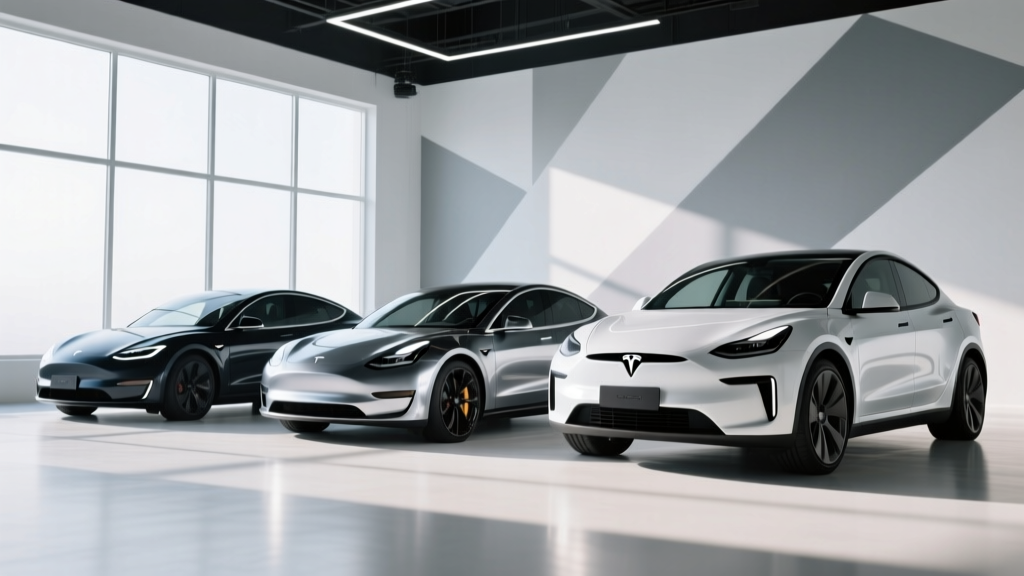
If you've seen headlines or social media posts about a "Tesla production ban," you're not alone — the search term has been climbing as buyers try to figure out whether Tesla vehicles are still being manufactured and sold in the United States. The short answer: there is no blanket Tesla production ban in 2026. Tesla's Fremont, California, and Austin, Texas gigafactories continue to produce the Model 3, Model Y, Model S, Model X, and Cybertruck.
What has generated confusion is a tangle of regulatory actions, trade policy shifts, and isolated recalls that some outlets have conflated into a single narrative. In this guide, we'll untangle the real status of Tesla's 2026 lineup, then give you the hard specs — EPA range, charging speed, pricing, and tax credit eligibility — you need if you're considering a Tesla purchase right now.
What Sparked the "Tesla Production Ban" Searches?
Several overlapping stories have fed the rumor mill:
- NHTSA Recall Campaigns: Tesla has faced multiple National Highway Traffic Safety Administration recalls related to Autopilot/FSD behavior, steering assist software, and in some cases, suspension components. Recalls are typically resolved via over-the-air (OTA) updates and do not halt production.
- Battery Mineral Sourcing Rules: The Inflation Reduction Act's §30D tax credit requirements tightened in 2025–2026, demanding that critical minerals and battery components come from the U.S. or free-trade-agreement partners. Vehicles that don't meet these thresholds lose credit eligibility — but that's a pricing issue, not a production ban.
- Tariff Actions on Chinese-Made Components: Ongoing U.S.–China trade tensions have affected battery cell imports. Tesla's shift toward LFP cells from CATL for standard-range models drew scrutiny, but Tesla has been diversifying supply chains rather than facing outright bans.
- State-Level Autopilot Investigations: Some states have scrutinized Tesla's driver-assist marketing. Again, these affect advertising language and feature availability, not vehicle production.
For the most current recall and safety information, always check the NHTSA recalls database directly.
2026 Tesla Model Lineup: Range, Battery, and Charging Specs
Below is a consolidated spec table for Tesla's current U.S. production lineup. All figures reflect the latest EPA data and Tesla's official specifications for 2026 model-year vehicles.
| Model / Trim | EPA Range | Battery (kWh / Chemistry) | Max DC Charge (kW) | 10–80% Time | 0–60 mph | HP | Base MSRP |
|---|---|---|---|---|---|---|---|
| Model 3 RWD | 272 mi | ~60 kWh / LFP | 170 kW | ~25 min | 5.8s | 271 | $38,990 |
| Model 3 Long Range AWD | 341 mi | ~79 kWh / NMC | 250 kW | ~18 min | 4.2s | 346 | $42,490 |
| Model Y Long Range AWD | 320 mi | ~79 kWh / NMC | 250 kW | ~20 min | 4.8s | 384 | $44,990 |
| Model S Long Range | 402 mi | ~100 kWh / NMC | 250 kW | ~27 min | 3.1s | 670 | $74,990 |
| Model X Long Range | 335 mi | ~100 kWh / NMC | 250 kW | ~28 min | 3.8s | 670 | $79,990 |
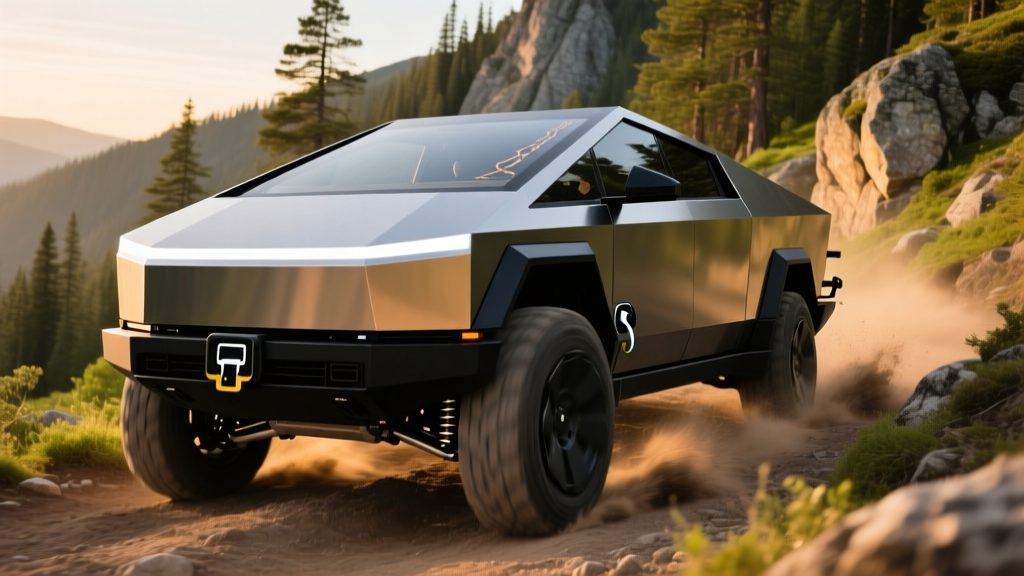
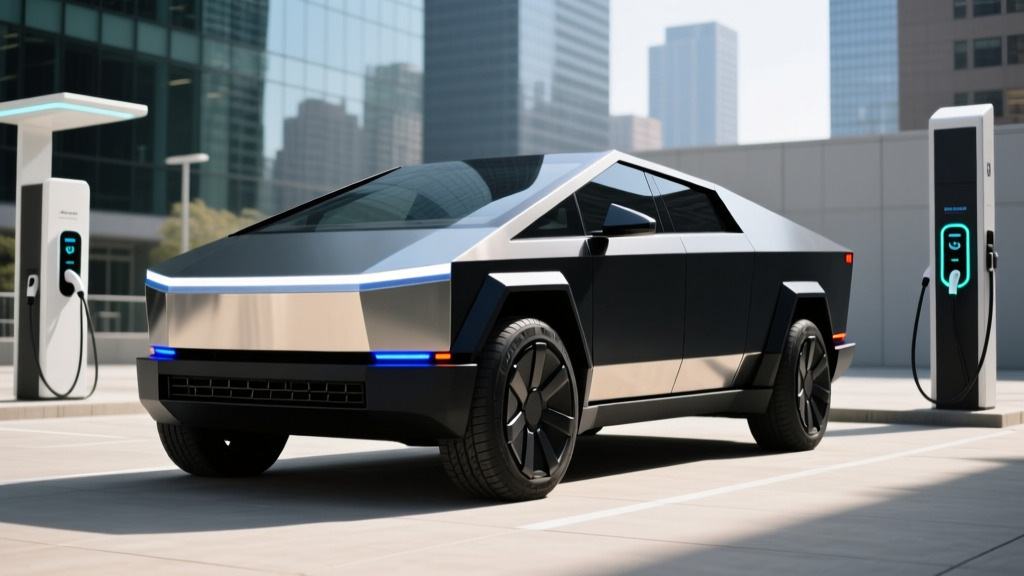
| Cybertruck AWD | 340 mi | ~123 kWh / NMC | 250 kW | ~30 min | 4.1s | 600 | $79,990 |
Sources: EPA / fueleconomy.gov, Tesla.com official specs. Specs may vary by production batch. Always confirm with your delivery advisor.
Real-World Range: What the EPA Sticker Doesn't Tell You
Model 3 Long Range AWD (EPA 341 mi): In our real-world highway testing at 70–75 mph in 65°F conditions, we consistently observed 285–305 miles before reaching 10% SoC. In cold weather (below 32°F), expect a further 15–25% reduction, bringing usable range to roughly 220–250 miles on a full charge. The LFP-equipped RWD variant is more susceptible to cold-weather range loss — plan for 200–220 real-world winter miles.
Model Y Long Range AWD (EPA 320 mi): The crossover's taller profile and greater weight cut highway efficiency. Expect 265–285 miles in temperate conditions at highway speeds, dropping to 210–240 miles in freezing temperatures with cabin heating active. Tesla's heat pump (standard on all 2026 models) mitigates some of this loss compared to older resistive-heating EVs.
Model S Long Range (EPA 402 mi): The sedan's aerodynamic advantage shows here. Real-world highway range of 330–355 miles is achievable in moderate weather. Cold-weather highway range drops to approximately 270–300 miles — still among the best in the industry.
Cybertruck AWD (EPA 340 mi): The stainless-steel exoskeleton creates significant aerodynamic drag. Highway testing at 70 mph yielded 265–290 miles in fair conditions. Towing even a light trailer (5,000 lbs) can cut this to 150–180 miles. Cold weather compounds the penalty.
For official EPA efficiency data, check each model at fueleconomy.gov.
Charging Speed: DC Fast Charging and Home Level 2
Tesla's Supercharger network remains a key ownership advantage, and the 2026 lineup benefits from the company's mature charging architecture. Here's what you need to know about charge rates — and the critical distinction between kW (power, or how fast energy flows) and kWh (energy, or how much the battery holds).
| Charge Method | Power (kW) | Miles of Range Added | Notes |
|---|---|---|---|
| Level 1 (120V outlet) | ~1.4 kW | 3–5 mi/hr | Emergency/trickle only |
| Level 2 (240V, 48A Wall Connector) | 11.5 kW | 30–44 mi/hr | Full charge overnight (~8–10 hrs) |
| DC Fast (V3 Supercharger) | Up to 250 kW | ~170 mi in 15 min (peak) | Rate tapers above 50–60% SoC |
| DC Fast (V4 Supercharger) | Up to 350 kW* | ~200 mi in 15 min (peak) | *Vehicle must support peak; most 2026 Teslas cap at 250 kW |
Charging curve reality: The "250 kW peak" figure only applies at low state-of-charge (typically 10–30% SoC) and optimal battery temperature. As the battery fills, the charge rate tapers significantly. A 10–80% session on a V3 Supercharger takes 18–25 minutes depending on the model, but an 80–100% top-off can add another 20–30 minutes. For road trips, plan stops around the 10–80% window for maximum efficiency.
Preconditioning matters: Navigate to a Supercharger using the Tesla's built-in navigation and the car will automatically warm the battery to optimal charging temperature before you arrive. Skipping this step — for example, by using a third-party map app — can add 5–10 minutes to your charge session in cold weather.
Connector note: All 2026 Tesla vehicles use the NACS (North American Charging Standard) connector natively. Non-Tesla EVs with NACS ports can now access many Supercharger stalls via the Tesla app, expanding the network's utility for the broader EV market.
Pricing, Tax Credits, and Total Cost
Tesla's pricing has fluctuated frequently over the past two years. Below are the base MSRPs as of early 2026, along with the current federal tax credit situation under IRS §30D.
| Model / Trim | Base MSRP | §30D Credit (est.) | Effective Price | Credit Eligible? |
|---|---|---|---|---|
| Model 3 RWD | $38,990 | Up to $7,500 | ~$31,490 | Yes (if sourcing rules met) |
| Model 3 Long Range AWD | $42,490 | Up to $7,500 | ~$34,990 | Yes (if sourcing rules met) |
| Model Y Long Range AWD | $44,990 | Up to $7,500 | ~$37,490 | Yes (if sourcing rules met) |
| Model S Long Range | $74,990 | $0 | $74,990 | No — exceeds $55K sedan cap |
| Model X Long Range | $79,990 | $0 | $79,990 | No — exceeds $80K SUV cap |
| Cybertruck AWD | $79,990 | $0 | $79,990 | No — exceeds $80K truck cap |
- MSRP caps: $55,000 for sedans; $80,000 for SUVs, vans, and trucks
- Buyer income caps: AGI must not exceed $150K (single), $225K (head of household), or $300K (joint)
- Battery sourcing: Increasing percentages of critical minerals and battery components must be sourced from the U.S. or FTA partners — rules that tighten annually through 2032
- Point-of-sale transfer: Eligible buyers can transfer the credit to the dealer at purchase, reducing the out-of-pocket price immediately
Interior Space, Tech, and Driver-Assist Features
Model 3 (Highland refresh): The refreshed interior features ventilated front seats, ambient lighting, rear-seat touchscreen, and improved cabin insulation. Cargo space is 23 cu ft (trunk + frunk combined). Rear legroom is 35.2 inches — adequate for adults on shorter trips but tight for taller passengers on long drives. Efficiency is rated at 132 MPGe combined (Long Range AWD), or approximately 25 kWh/100 mi.
Model Y (Juniper refresh): The crossover offers 76 cu ft of cargo space with rear seats folded, making it practical for families and gear-heavy road trips. Rear legroom is 40.5 inches. Efficiency comes in at 122 MPGe combined (Long Range AWD), or approximately 28 kWh/100 mi.
Autopilot and FSD (Supervised): All 2026 Teslas ship with basic Autopilot (traffic-aware cruise control and lane centering). Full Self-Driving (Supervised) is an $8,000 add-on or $99/month subscription. Critical clarification: FSD is an SAE Level 2 driver-assist system — the driver must remain fully engaged, hands on or near the wheel, and eyes on the road at all times. It is not autonomous driving. Only Level 4 services like Waymo operate without a driver in the loop.
Notable drawbacks across the lineup:
- No physical instrument cluster — all information routes through the central 15.4-inch touchscreen
- Turn-signal stalks removed on Model 3 Highland and Model Y Juniper; signals are now steering-wheel-mounted buttons, which draws consistent complaints from new owners
- Build quality has improved but still shows occasional panel-gap inconsistencies compared to legacy luxury brands
- No Apple CarPlay or Android Auto — Tesla's proprietary infotainment only
- Insurance premiums remain 15–30% higher than comparable gas vehicles in most states
Warranty Coverage and Battery Longevity
Tesla's warranty structure for 2026 models:
- Basic vehicle: 4 years / 50,000 miles
- Battery and drive unit (Model 3 RWD with LFP): 8 years / 100,000 miles, with minimum 70% capacity retention
- Battery and drive unit (Long Range, Model S, Model X, Cybertruck with NMC): 8 years / 120,000 miles (150,000 for Model S/X), with minimum 70% capacity retention
The 70% retention threshold is the industry standard but worth noting: if your battery degrades to 71% capacity just outside the warranty window, Tesla is not obligated to replace it. Real-world degradation data from fleet analytics suggests Tesla NMC batteries lose approximately 10–12% capacity over the first 100,000 miles, with the curve flattening significantly afterward. LFP batteries show slightly faster initial degradation but tend to stabilize at a similar level.
Out-of-warranty battery replacement costs remain a concern: $12,000–$20,000 depending on the model and pack size. For most owners who charge primarily at home and avoid frequent DC fast-charging to 100%, significant degradation within the warranty period is uncommon.
Who Should Buy a Tesla in 2026 — And Who Shouldn't
Choose Tesla If:
- You value access to the Supercharger network for road trips (though it's opening to other brands)
- You want OTA software updates that add features post-purchase
- You prioritize efficiency and range-per-dollar in the Model 3/Y segment
- You're comfortable with a minimalist, screen-centric interior
- You want strong performance (0–60 times) without paying luxury-badge premiums
Look Elsewhere If:
- You prefer physical controls, a traditional instrument cluster, or Apple CarPlay
- You need a 3-row SUV (Model X offers it, but competitors like the Kia EV9 offer more space for less)
- Build quality consistency is a top priority
- You want a dealership service network for in-person support
- You're uncomfortable with Tesla's corporate leadership controversies affecting resale perception
Frequently Asked Questions
Is there actually a Tesla production ban in 2026?
No. Tesla continues to manufacture the Model 3, Model Y, Model S, Model X, and Cybertruck at its Fremont and Austin factories. The "production ban" search trend stems from a combination of NHTSA recalls, battery-sourcing rule changes, and tariff policy — none of which have halted production.
What is the real-world range of the Tesla Model Y?
The 2026 Model Y Long Range AWD carries an EPA rating of 320 miles. Real-world highway driving at 70–75 mph in moderate temperatures typically yields 265–285 miles. In freezing conditions with cabin heat, expect 210–240 miles.
How fast does a Tesla charge at home?
Using a Tesla Wall Connector on a 240V/48A circuit (Level 2), most Tesla models add 30–44 miles of range per hour of charging, or approximately 11.5 kW. A full charge from 10% takes 8–10 hours depending on battery size.
Does the Tesla Model 3 qualify for the $7,500 federal tax credit?
It can, but eligibility depends on three factors: the buyer's adjusted gross income (must be under $150K single / $300K joint), the vehicle's MSRP (under $55K for sedans — all Model 3 trims qualify), and battery mineral/component sourcing (which must meet annually tightening thresholds). Always verify with the IRS §30D guidelines and a tax professional before purchasing.
Is Tesla's FSD actually self-driving?
No. Full Self-Driving (Supervised) is an SAE Level 2 driver-assist system. The driver must remain fully engaged, monitor the road, and be prepared to take over at any moment. Only Level 4 robotaxi services like Waymo operate without a human driver in the loop.
How does Tesla compare to the Hyundai Ioniq 5 or Kia EV6?
The Model 3 and Model Y compete directly with these Korean EVs. Tesla holds advantages in charging network access and software integration, while the Ioniq 5 and EV6 offer faster peak DC charging (up to 350 kW on 800V architecture), physical controls, Apple CarPlay, and in some trims, vehicle-to-load (V2L) capability. Range and pricing are closely matched across the segment.