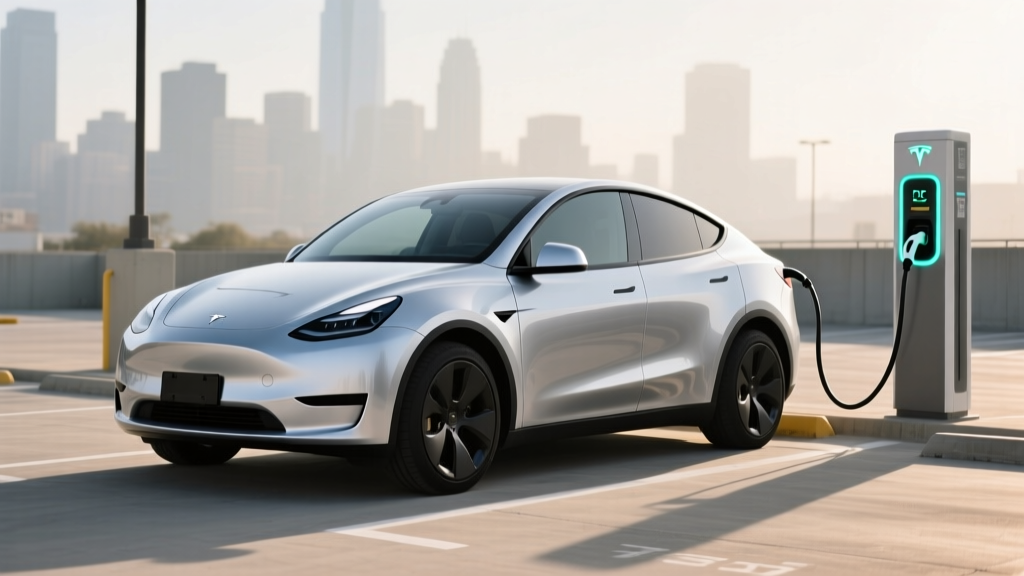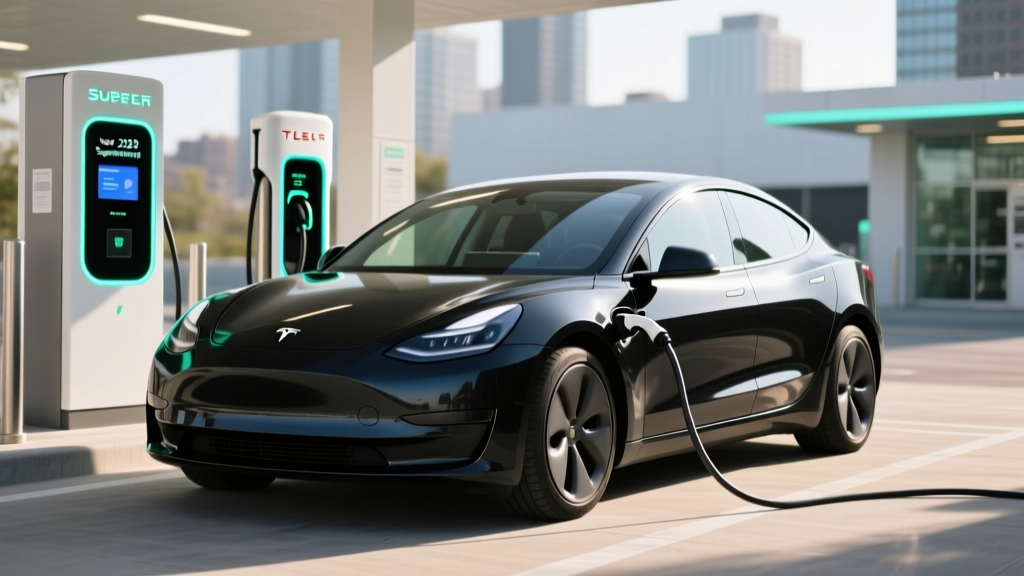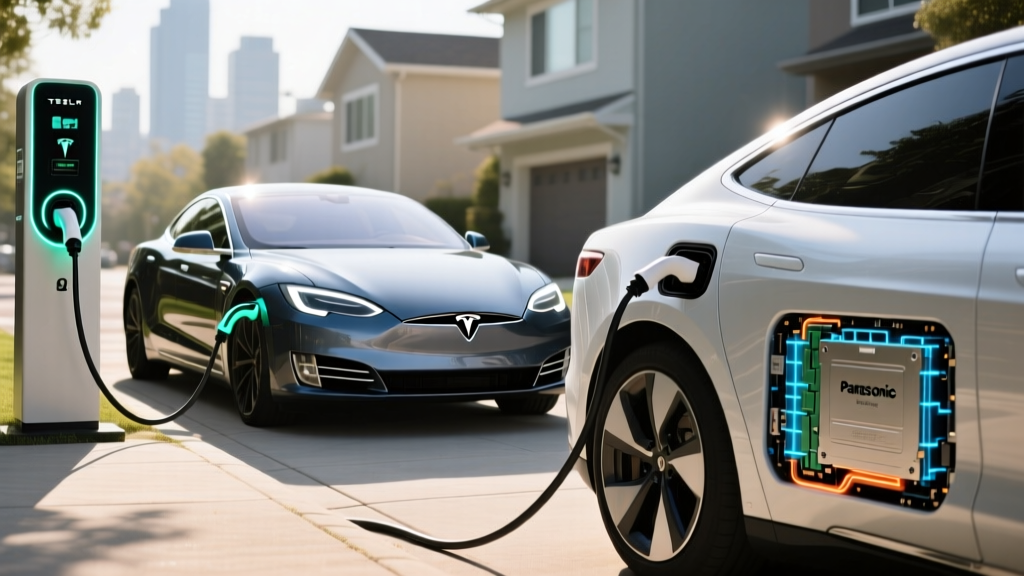
The Tesla-Panasonic partnership remains one of the most consequential battery alliances in the EV industry. From the original 18650 cells in the Roadster to today's 4680-format cylindrical cells produced at Gigafactory Nevada and Giga Texas, Panasonic continues to supply a significant share of Tesla's battery demand — particularly for long-range and performance trims. For buyers, understanding what a Panasonic-supplied battery means for range, charging speed, and longevity is essential before signing a purchase agreement.
This review examines how Panasonic battery packs perform across Tesla's 2026 lineup, with exact EPA figures, real-world range reconciliation, DC fast-charge data, and federal tax-credit eligibility under current IRS §30D rules.
Panasonic's Role in Tesla's 2026 Battery Lineup
Tesla sources cells from three primary suppliers: Panasonic (NMC/NCA cylindrical cells, 2170 and 4680 formats), CATL (LFP prismatic cells for standard-range models), and LG Energy Solution (NMC pouch and cylindrical cells for certain international and performance applications). Panasonic-built packs are most commonly found in:
- Model 3 Long Range AWD — 2170-format NCA cells
- Model Y Long Range AWD — 2170-format NCA cells
- Model S / Model X — Panasonic has historically supplied packs, though Tesla has diversified
- Cybertruck AWD / Cyberbeast — 4680-format cells (Tesla in-house with Panasonic involvement)
NCA (nickel-cobalt-aluminum) chemistry delivers higher energy density than LFP, translating to more range per kilogram — critical for long-range trims. The trade-off is that NCA cells are more sensitive to sustained 100% SoC storage and extreme heat, requiring more active thermal management.
2026 Tesla Models with Panasonic Batteries: Spec Breakdown
| Model | Battery (usable kWh) | Chemistry | EPA Range | 0-60 mph | HP | Drivetrain | Base MSRP |
|---|---|---|---|---|---|---|---|
| Model 3 Long Range AWD | 75 kWh | NCA (2170) | 341 mi | 4.2 sec | 346 | Dual-Motor AWD | $47,740 |
| Model Y Long Range AWD | 75 kWh | NCA (2170) | 320 mi | 4.8 sec | 384 | Dual-Motor AWD | $49,990 |
| Model S Long Range | 95 kWh | NCA/NMC | 402 mi | 3.1 sec | 670 | Dual-Motor AWD | $79,990 |
| Model X Long Range | 95 kWh | NCA/NMC | 348 mi | 3.8 sec | 670 | Dual-Motor AWD | $84,990 |
Note: Tesla does not publish cell supplier per VIN. Battery chemistry and supplier can vary by production batch. Verify via the vehicle's window sticker or Tesla app battery info.
Real-World Range vs. EPA Estimates
EPA estimate: 341 miles
Real-world highway (70 mph, 72°F): ~280–300 miles
Real-world highway (32°F, no heat pump assist): ~240–265 miles
City/regen-heavy driving: ~320–340 miles
Tesla's Panasonic NCA packs deliver strong EPA numbers, but the physics of aerodynamic drag and cold-weather battery resistance apply universally. At sustained 70+ mph highway speeds, expect 15–18% range reduction from the EPA sticker. In sub-freezing temperatures without preconditioning, that gap widens to 22–30%. Tesla's heat pump (standard on all 2026 models) mitigates cabin-heating losses but cannot fully offset the electrochemical slowdown in cold cells.
For the Model Y Long Range, real-world highway range typically lands between 265–285 miles in moderate weather, dropping to 225–250 miles in winter highway conditions. The larger Model S, with its 95 kWh pack, provides a bigger buffer — expect 330–360 miles highway in summer, 280–310 in winter.
Charging Performance: DC Fast Charge & Home Level 2
| Charge Level | Model 3 LR | Model Y LR | Model S LR | Miles Added per Hour |
|---|---|---|---|---|
| Level 1 (120V / 12A) | 1.4 kW | 1.4 kW | 1.4 kW | ~3–5 mi/hr |
| Level 2 (240V / 48A) | 11.5 kW | 11.5 kW | 11.5 kW | ~37–44 mi/hr |
| DC Fast (peak) | 250 kW | 250 kW | 250 kW | — |
| DC 10-80% time | ~28 min | ~28 min | ~32 min | — |
Panasonic 2170 NCA cells in the Model 3 and Model Y support a peak DC charge rate of 250 kW at V3 Superchargers. However, peak rate is not sustained rate. The charge curve tapers significantly above 50% SoC — you might see 250 kW between 10–25%, dropping to ~150 kW by 50%, and ~75 kW by 70%. This is why the 10-80% metric matters more than peak kW alone.
Preconditioning is critical. Navigate to a Supercharger via the Tesla app or in-car nav, and the battery thermal system will warm the cells to optimal charge temperature (~95°F). Without preconditioning — for instance, arriving at a third-party CCS station via adapter — expect peak rates 30–50% lower in cool weather.
At home on a Tesla Wall Connector (240V / 48A), both the Model 3 and Model Y add approximately 37–44 miles of range per hour, fully replenishing from 20% overnight in ~7 hours. Ensure your electrician installs a 60A circuit to support the full 48A continuous draw.
Federal Tax Credit Eligibility (§30D Rules for 2026)
| Model | Base MSRP | §30D Credit (max) | Effective Price* | MSRP Cap Met? |
|---|---|---|---|---|
| Model 3 LR AWD | $47,740 | Up to $7,500 | ~$40,240 | Yes (sedan cap: $55,000) |
| Model Y LR AWD | $49,990 | Up to $7,500 | ~$42,490 | Yes (SUV cap: $80,000) |
| Model S LR | $79,990 | $0 | $79,990 | No (exceeds $55K sedan cap) |
| Model X LR | $84,990 | $0 | $84,990 | No (exceeds $80K SUV cap) |
*Effective price assumes full $7,500 credit eligibility. Actual credit depends on income caps, battery sourcing, and critical-mineral requirements per IRS §30D rules. Consult a tax professional.
The Model 3 and Model Y remain Tesla's tax-credit-eligible vehicles, provided the buyer meets income thresholds ($150K single / $300K joint modified AGI) and the specific VIN's battery satisfies critical-mineral and battery-component sourcing requirements. Panasonic-produced cells manufactured at Gigafactory Nevada with North American-sourced materials have historically qualified, but Tesla's supply chain shifts mean eligibility can change by production month. Always verify the specific vehicle's credit status on fueleconomy.gov before purchase.
As of 2026, the §30D credit can be transferred to the dealer at point of sale, reducing your purchase price directly rather than waiting for a tax refund.
Battery Degradation, Warranty & Longevity
Tesla covers Panasonic-equipped battery packs with an 8-year / 120,000-mile warranty (Model 3/Y Long Range) or 8-year / 150,000-mile warranty (Model S/X), guaranteeing a minimum of 70% capacity retention. Real-world degradation data from owner fleet analyses suggests Panasonic 2170 NCA packs lose approximately 5–7% capacity in the first 30,000 miles, then plateau to a linear decline of ~1% per 15,000–20,000 miles thereafter.
At 100,000 miles, most Panasonic 2170 packs retain 88–93% of original capacity — well above the warranty threshold. Key factors influencing degradation:
- Charging habits: Daily charging to 80% (recommended for NCA) vs. frequent 100% charges significantly affects longevity
- Thermal exposure: Repeated Supercharging without preconditioning, or sustained operation in 100°F+ climates, accelerates wear
- Calendar aging: Even parked vehicles lose ~1-2% capacity per year from chemical processes independent of mileage
Out-of-warranty battery replacement for a Model 3/Y Panasonic pack currently runs $12,000–$16,000 including labor, based on Tesla service center quotes. Refurbished packs are occasionally available at lower cost.
Efficiency, Cargo & Daily Practicality
The Model 3 Long Range achieves 132 MPGe combined (25 kWh/100mi) per EPA data, making it one of the most efficient AWD sedans on the market. The Model Y Long Range returns 122 MPGe combined (28 kWh/100mi).
Cargo and passenger space:
- Model 3: 23 cu ft trunk + frunk; 42.3" front / 35.3" rear legroom
- Model Y: 76 cu ft (rear seats folded) + frunk; 41.8" front / 41.6" rear legroom
- Model S: 28 cu ft rear cargo + frunk; 42.4" front / 40.9" rear legroom
- Model X: 88 cu ft max cargo (5-seat config); falcon-wing doors aid third-row access
Standout Tech & Notable Drawbacks
- Supercharger network access — 6,000+ V3/V4 stalls in North America, consistently reliable
- Over-the-air updates continuously improve battery management and efficiency
- Best-in-class energy management software and thermal preconditioning
- Strong regenerative braking enables true one-pedal driving
- Autopilot (standard) provides competent SAE Level 2 highway assist
- No Apple CarPlay or Android Auto — Tesla's proprietary infotainment only
- Panel gaps and interior material quality still trail legacy luxury brands at Model S/X price points
- FSD (Supervised) remains Level 2 — requires full driver attention despite the "Full Self-Driving" name
- Insurance premiums 20–35% higher than comparable ICE sedans/SUVs
- CCS adapter required for non-Tesla DC networks; adds cost and a connection point
Who Should Buy a Tesla with a Panasonic Battery?
Choose a Panasonic-equipped Tesla if:
- You prioritize maximum range per charge and regularly drive 200+ miles between stops
- You value Supercharger network reliability for frequent road trips
- You want strong performance (sub-5-second 0-60) alongside efficiency
- You can charge at home and want minimal public-charging dependency
Consider alternatives if:
- You prefer CarPlay/Android Auto integration (look at Hyundai Ioniq 5, Ford Mustang Mach-E)
- You want LFP chemistry's 100% daily-charge tolerance and lower degradation (Model 3 RWD with CATL cells)
- You need verified Level 4 autonomous capability (Waymo One in select metros)
- Your budget is under $40K after credits (consider used EV market or Chevrolet Equinox EV)
Frequently Asked Questions
How do I know if my Tesla has a Panasonic battery?
Check the vehicle's battery part number in the Tesla service menu or request the battery manufacturer report from Tesla service. Vehicles built at Fremont and Giga Nevada are more likely to have Panasonic cells; Giga Shanghai vehicles typically use CATL LFP for standard-range trims.
Does a Panasonic NCA battery degrade faster than CATL LFP?
NCA chemistry shows slightly more degradation at high SoC and high temperatures compared to LFP. However, Tesla's battery management system is well-optimized for NCA, and real-world data shows 88–93% retention at 100K miles — comparable to LFP packs when both are used within recommended charge limits (80% daily for NCA, 100% weekly for LFP).
Can I charge a Panasonic-equipped Tesla at non-Tesla chargers?
Yes. All 2026 Tesla vehicles in North America use the NACS connector natively. Tesla includes a CCS adapter for older Supercharger-era compatibility, and most non-Tesla DC networks (Electrify America, EVgo) now offer NACS cables. Level 2 public chargers with J1772 connectors work via Tesla's included J1772 adapter.
Is the Model 3 Long Range still eligible for the $7,500 federal tax credit in 2026?
Eligibility depends on the specific VIN's battery sourcing and the buyer's income. The Model 3 LR's MSRP ($47,740) is under the $55,000 sedan cap. Verify your specific vehicle on fueleconomy.gov and consult a tax professional regarding income phase-outs ($150K single / $300K joint MAGI).
What's the real-world range of the Model Y Long Range with Panasonic cells?
Expect 265–285 miles at highway speeds in moderate weather, and 225–250 miles in winter highway driving. City driving with regenerative braking can approach or match the 320-mile EPA estimate. Preconditioning and moderate speeds (65 vs. 75 mph) meaningfully extend range.