Quick Verdict: The Benchmark Sports Sedan, Now More Refined
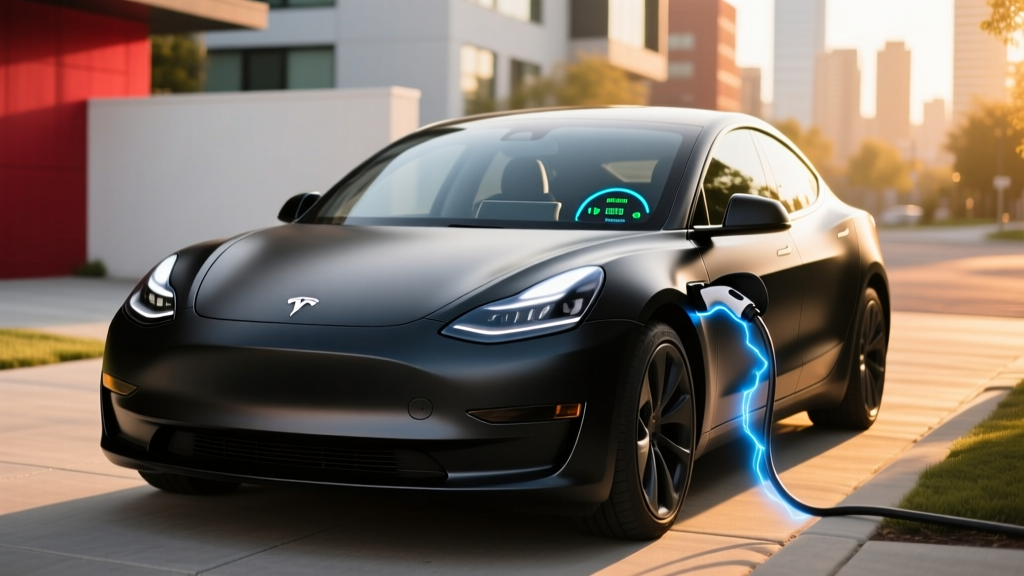
The 2026 Tesla Model 3 Performance (internally dubbed "Highland" refresh carried forward) remains the electric sports sedan to beat in the $50,000-$60,000 segment. With a dual-motor all-wheel-drive powertrain producing 510 horsepower, an EPA-estimated 315 miles of range, and access to Tesla's Supercharger network (now with NACS adapters standardizing the industry), it delivers a combination of speed, efficiency, and charging infrastructure that competitors still struggle to match.
But the 2026 model year brings meaningful refinements: an updated interior with ventilated seats, ambient lighting, a rear touchscreen for passengers, and improved NVH (noise, vibration, harshness) that finally addresses the cabin noise complaints of earlier Model 3 generations. The question isn't whether it's fast — it's whether the real-world range, charging speeds, and total cost of ownership justify the price against rivals like the Hyundai Ioniq 6, BMW i4 M50, and Polestar 2.
| Spec | Value |
|---|---|
| EPA Range | 315 miles |
| Battery (usable) | ~79 kWh, NMC chemistry |
| Drivetrain | Dual-motor AWD |
| Horsepower | 510 hp |
| 0-60 mph | 2.9 seconds |
| Top Speed | 163 mph |
| Peak DC Fast Charge | 250 kW |
| 10-80% DC Charge Time | ~25 minutes |
| Level 2 Home Charging | 11.5 kW (~44 mi/hr) |
| Efficiency (EPA) | 121 MPGe combined / 28 kWh/100mi |
| Cargo Volume | 23 cu ft (trunk + frunk) |
| Base MSRP | $54,990 (incl. destination) |
| Battery Warranty | 8 years / 120,000 miles |
Range and Efficiency: EPA Sticker vs. Real-World Reality
The EPA rates the 2026 Model 3 Performance at 315 miles on a full charge. That's a slight dip from the Long Range AWD trim's 341 miles, a trade-off for the Performance's stickier tires, sport-tuned suspension, and more aggressive powertrain calibration. But the EPA number is a laboratory estimate — real-world results depend heavily on how and where you drive.
- EPA Combined: 315 miles
- Highway (70-75 mph, 70°F): ~265-280 miles
- City / Suburban Mixed: ~300-320 miles (regen braking recovers energy)
- Cold Weather (20-30°F, highway): ~210-240 miles (30-35% reduction)
- Mountain / High-Load Driving: Expect 220-250 miles depending on elevation gain
Tesla's heat pump (standard on all 2026 Model 3 trims) mitigates cold-weather losses better than resistive heaters, but battery chemistry and cabin heating still consume significant energy below freezing. Preconditioning the battery while plugged in — via the Tesla app's scheduled departure feature — recovers an estimated 10-15% of range in winter conditions.
Efficiency is rated at 121 MPGe combined (28 kWh per 100 miles) according to fueleconomy.gov. That's competitive with the Hyundai Ioniq 6 (140 MPGe for the SE Long Range RWD, though with significantly less power) and meaningfully better than the BMW i4 M50 (87 MPGe). In practical terms, 28 kWh/100mi means a full charge from a home Level 2 charger costs roughly $9-$12 at the US average residential electricity rate of $0.16/kWh — or about $0.04 per mile driven.
Charging: DC Fast Charging, Home Level 2, and the Supercharger Advantage
Charging speed remains one of the Model 3 Performance's strongest attributes — not just because of peak kW numbers, but because of the density and reliability of the Tesla Supercharger network, which now exceeds 6,000 stations and 65,000 stalls in North America.
| Charging Level | Power | Speed | Notes |
|---|---|---|---|
| Level 1 (120V household) | ~1.4 kW | ~4-5 mi/hr | Emergency/trickle only; ~65+ hours for full charge |
| Level 2 (240V home) | 11.5 kW (48A) | ~44 mi/hr | Full charge in ~8 hours; requires NEMA 14-50 or hardwired Wall Connector |
| DC Fast Charge (V3 Supercharger) | Peak 250 kW | 10-80% in ~25 min | Peak rate sustained to ~50% SoC, then tapers; preconditioning essential |
| DC Fast Charge (V4 Supercharger) | Peak 250 kW (Model 3 limited) | 10-80% in ~25 min | V4 stalls support up to 350+ kW for Cybertruck/Semi; Model 3 caps at 250 kW |
| CCS / Non-Tesla DCFC (with adapter) | Up to 250 kW | Varies by station | Tesla includes NACS-to-CCS adapter; Electrify America, EVgo compatible |
A critical nuance on DC fast charging: the 250 kW peak rate applies only when the battery is preconditioned (the car does this automatically when you navigate to a Supercharger) and when the state of charge is below roughly 50%. Above 50%, the charge curve tapers progressively — you'll see ~150 kW at 60% SoC, dropping to ~60 kW at 80%, and under 25 kW above 90%. This is why Tesla and Tesla's battery care guidance recommend charging to 80% for daily use and only charging to 100% when you need maximum range for a trip.
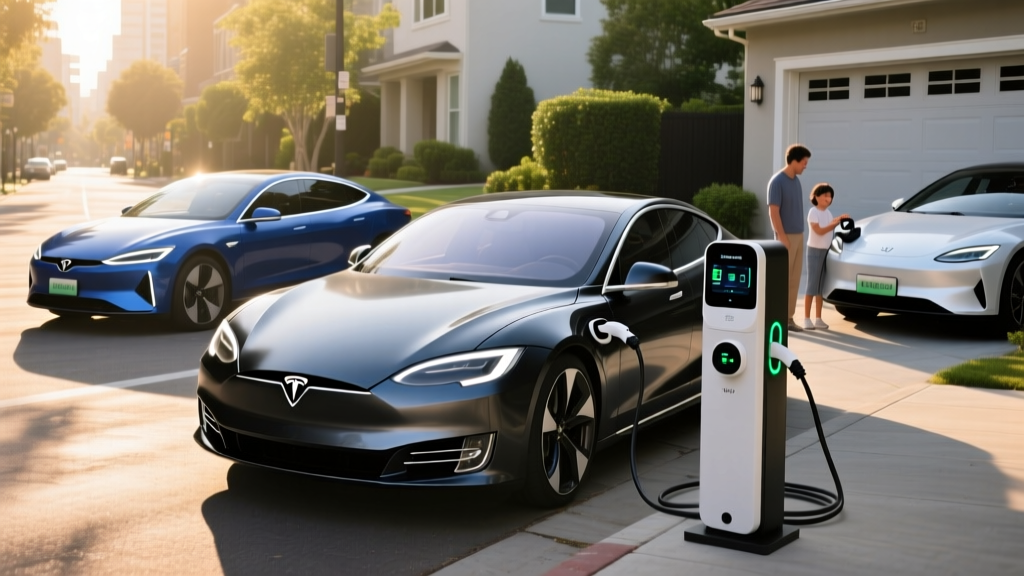
For home charging, the Tesla Wall Connector ($475) on a 60-amp circuit delivers the full 11.5 kW (48 amps continuous), adding about 44 miles of range per hour of charging. Most owners who plug in overnight wake up with a full battery every morning. Installation costs typically range from $800 to $2,500 depending on whether your electrical panel needs an upgrade — a 200-amp panel is generally sufficient, but older homes with 100-amp service may need a $1,500-$3,000 panel upgrade. Always consult a licensed electrician for final specifications.
Performance and Driving Dynamics
The numbers are staggering for a sedan at this price point: 510 horsepower, 546 lb-ft of torque, and a manufacturer-claimed 0-60 mph time of 2.9 seconds. That puts the Model 3 Performance in supercar territory for straight-line acceleration — a Porsche 911 Carrera does 0-60 in roughly 3.4 seconds, for context.
The dual-motor AWD system provides independent torque vectoring between front and rear axles, and the 2026 Performance trim includes Adaptive Dampers (a new addition over the prior generation) that adjust firmness based on driving mode. Track Mode allows you to customize torque distribution, stability assist, and regenerative braking intensity — a feature borrowed from the Model 3 Performance's track-oriented sibling, the now-discontinued Model S Plaid playbook.
The 2026 Highland refresh also brought meaningful handling improvements: a stiffer body structure, revised suspension geometry, and a lower center of gravity from the repositioned battery pack. On twisty roads, the car feels more planted and communicative than pre-2024 Model 3 variants, though it still favors grip and composure over the playful, tail-happy character of a BMW M3.
Braking is handled by high-performance 4-piston front calipers, and regenerative braking (adjustable from low to high, or off in Track Mode) allows genuine one-pedal driving in daily use. The blended braking system seamlessly transitions from regen to friction brakes, a detail many EV competitors still get wrong.
Interior, Tech, and Daily Livability
The 2026 Model 3 interior represents a major step up from the spartan, minimalist cabins of 2018-2023 models. Key upgrades include:
- Ventilated front seats (finally addressing a top complaint in hot climates)
- Ambient lighting with customizable color zones
- Rear 8-inch touchscreen for climate, media, and entertainment for rear passengers
- Improved acoustic glass and additional sound deadening — cabin noise at 70 mph is measurably lower than the prior generation
- Power-folding, auto-dimming side mirrors with memory
- Updated materials: Alcantara-style dash trim, textile accents replacing the previous all-vegan-leather monotony
The 15.4-inch center touchscreen remains the primary interface for everything — there are no physical buttons for climate, media, or vehicle settings. This remains polarizing: some owners love the clean aesthetic and responsive software, while others find it distracting to adjust fan speed or mirror position through a screen. The 2026 software (running Tesla OS v12.x) is faster and more intuitive than earlier versions, with a customizable dock and improved voice commands.
Driver Assistance: The Model 3 Performance comes standard with Tesla's Basic Autopilot (adaptive cruise control, lane centering, emergency braking). Full Self-Driving (Supervised) remains an $8,000 option (or $99/month subscription as of 2026). FSD is a SAE Level 2 system — it requires continuous driver supervision, hands-on-wheel (or eyes-on-road via cabin camera monitoring), and does not make the car autonomous. Tesla's marketing language has drawn regulatory scrutiny from NHTSA, and buyers should understand that FSD is an advanced driver-assist feature, not a self-driving system.
Tesla's Full Self-Driving capability is classified as SAE Level 2 automation. The driver must remain fully attentive, keep hands available for steering input, and be prepared to take over at any moment. It does not handle all road scenarios, construction zones, or adverse weather reliably. No Tesla vehicle sold to consumers is SAE Level 4 (driverless). Only robotaxi services like Waymo operate at Level 4, and only in geofenced areas.
Cargo and Passenger Space: The Model 3 offers 23 cubic feet of total cargo volume (22 cu ft trunk + approximately 1 cu ft in the front trunk/frunk — the frunk is small and best suited for charging cables). Rear legroom is 35.2 inches, adequate for adults on shorter trips but tighter than a midsize sedan like the Hyundai Ioniq 6 (38.4 in rear legroom). The sloping roofline cuts into rear headroom for passengers over 6 feet tall.
Pricing, Tax Credits, and Total Cost of Ownership
The 2026 Tesla Model 3 Performance starts at $54,990 (including $1,390 destination charge). This is a single-trim offering — there are no sub-packages for the Performance variant. Key options include:
- Full Self-Driving (Supervised): +$8,000 (or $99/mo subscription)
- Premium paint colors: Ultra Red (+$2,000), Quicksilver (+$2,000), Solid Black (+$1,500), Pearl White (included), Deep Blue (+$1,000)
- 20" Nova wheels: Included on Performance (19" standard on Long Range)
| Item | Amount |
|---|---|
| Base MSRP (incl. destination) | $54,990 |
| Federal §30D EV Tax Credit (if eligible) | -$7,500 |
| Effective Price After Credit | $47,490 |
| As-Tested (Ultra Red + FSD) | $64,990 → $57,490 after credit |
Federal Tax Credit Eligibility (§30D): The Model 3 Performance qualifies for the full $7,500 federal tax credit for eligible buyers, but the rules have multiple gates that disqualify some purchasers. Per IRS clean vehicle credit guidelines, you must meet all of the following:
- MSRP cap: Sedan price must be ≤$55,000 — the Model 3 Performance at $54,990 clears this by $10
- Buyer income cap: Modified AGI ≤$150,000 (single), ≤$225,000 (head of household), ≤$300,000 (joint)
- Battery sourcing: Critical minerals and battery components must meet phased-in domestic/FTEA sourcing thresholds (2026: 80% critical minerals, 100% battery components from US or FTA partners)
- Point-of-sale transfer: As of 2024, you can transfer the credit to the dealer at purchase for an immediate price reduction, rather than waiting to claim it on your tax return
- US final assembly: Vehicle must be assembled in North America (Model 3 is built in Fremont, CA and Austin, TX — qualifies)
If your income exceeds the caps, or if battery sourcing rules change mid-year (a real risk given evolving DOE guidance), you may not receive the full credit. Consult a tax professional before relying on the $7,500 figure in your budget.
5-Year Total Cost of Ownership Estimate: Based on 15,000 miles/year, $0.16/kWh home charging, and $3.50/gallon gas for a comparable BMW 3 Series (30 MPG combined):
- Fuel/energy cost (5 years): ~$3,600 (Model 3) vs. ~$8,750 (BMW 330i)
- Maintenance (5 years): ~$1,200 (Model 3 — no oil changes, minimal brake wear from regen) vs. ~$3,500 (BMW)
- Insurance (5 years): ~$12,000-$15,000 (Model 3 — EV premiums run 15-25% higher) vs. ~$9,000-$11,000 (BMW)
- Depreciation (5 years): ~$22,000-$26,000 (Model 3) vs. ~$18,000-$22,000 (BMW — ICE sedans currently depreciate slower in some segments)
Net: The Model 3 Performance saves roughly $5,000-$8,000 over 5 years in fuel and maintenance, but higher insurance and potentially steeper depreciation narrow the gap. The tax credit, if obtained, tips the economics decisively in Tesla's favor.
How It Compares: Model 3 Performance vs. Key Rivals
| Spec | Tesla Model 3 Perf. | Hyundai Ioniq 6 Limited AWD | BMW i4 M50 | Polestar 2 LRDM |
|---|---|---|---|---|
| EPA Range | 315 mi | 316 mi | 270 mi | 276 mi |
| 0-60 mph | 2.9 sec | 5.1 sec | 3.7 sec | 4.1 sec |
| Horsepower | 510 hp | 320 hp | 536 hp | 476 hp |
| Peak DC Charge | 250 kW | 240 kW (800V) | 205 kW | 205 kW |
| 10-80% DC Time | ~25 min | ~18 min | ~31 min | ~30 min |
| Base MSRP | $54,990 | $52,600 | $69,700 | $54,800 |
| Federal Credit | $7,500 (if eligible) | $7,500 (if eligible) | $0 (MSRP >$55K cap) | $0 (MSRP >$55K for Perf.) |
| Rear Legroom | 35.2 in | 38.4 in | 34.7 in | 33.5 in |
Key takeaways:
- The Ioniq 6 charges faster (800V architecture, 18-minute 10-80%), offers more rear space, and costs less — but gives up 190 horsepower and nearly 2 full seconds to 60 mph.
- The BMW i4 M50 matches the Tesla on power and beats it on build quality and infotainment, but costs $15,000 more, has less range, and doesn't qualify for the federal credit.
- The Polestar 2 is a compelling design statement with Google Built-in, but its range and charging speeds lag, and the Performance trim pushes past the $55,000 MSRP credit cap.
Warranty and Long-Term Battery Outlook
Tesla covers the 2026 Model 3 Performance with the following warranties:
- Basic Vehicle: 4 years / 50,000 miles
- Battery & Drive Unit: 8 years / 120,000 miles (whichever comes first), with a minimum 70% capacity retention guarantee over the warranty period
The battery pack uses NMC (nickel manganese cobalt) chemistry, which offers higher energy density than LFP (lithium iron phosphate) but is more sensitive to sustained high states of charge. Tesla recommends daily charging to 80-90% for NMC packs and only charging to 100% when needed for trips. Long-term degradation data from Tesla's fleet suggests NMC packs retain approximately 88-92% capacity after 100,000 miles — well within the 70% warranty threshold. Battery replacement out of warranty is estimated at $12,000-$16,000, though replacements are rare within the first 150,000 miles based on current fleet data.
- Sub-3-second 0-60 mph at a $55K price point — unmatched performance-per-dollar
- Supercharger network access (250 kW, reliable, well-maintained)
- 315-mile EPA range covers most commutes and road trips comfortably
- Over-the-air updates continuously add features and improvements
- Low running costs (electricity + minimal maintenance)
- Qualifies for $7,500 federal tax credit (by a $10 MSRP margin)
- Highland interior upgrades address prior-gen comfort complaints
- Touchscreen-only interface frustrates some drivers (no physical climate knobs)
- Rear seat space is tight for tall adults — Ioniq 6 offers 3+ inches more legroom
- FSD ($8,000) remains Level 2 and doesn't deliver on its name
- Insurance premiums run 15-25% higher than comparable ICE sedans
- Frunk is tiny (~1 cu ft) — barely fits charging cables
- MSRP clears the $55K credit cap by just $10 — any price increase eliminates eligibility
- NMC battery requires 80% daily charge limit (unlike LFP packs that tolerate 100%)
Who Should Buy the 2026 Tesla Model 3 Performance?
- You want supercar acceleration in a daily-drivable sedan and value the Supercharger network for road trips
- Your household income is under the §30D caps and you can capture the $7,500 credit
- You have home charging access (Level 2) and can charge overnight — this eliminates "range anxiety" for 95% of driving
- You prioritize software, OTA updates, and tech-forward features over traditional luxury materials
- You regularly carry tall rear passengers (the Ioniq 6 or a midsize SUV like the Model Y is roomier)
- You want physical buttons and a more conventional infotainment layout (BMW i4, Polestar 2 with Google)
- Your income exceeds the §30D caps, making the effective price $54,990+ — at that price, the BMW i4 eDrive40 becomes competitive
- You want LFP battery chemistry for 100% daily charging tolerance (consider the Model 3 RWD instead, though it sacrifices performance and range)
Frequently Asked Questions
What is the real-world range of the 2026 Tesla Model 3 Performance?
The EPA rates it at 315 miles, but expect approximately 265-280 miles at sustained highway speeds (70-75 mph) in moderate temperatures. In cold weather (below 30°F), range can drop to 210-240 miles on the highway. City driving with regenerative braking often exceeds the EPA estimate, reaching 300-320 miles.
How fast does the Model 3 Performance charge at home and on the road?
At home on a Level 2 (240V, 48A) charger, it adds about 44 miles of range per hour, fully charging in roughly 8 hours. On a V3 Tesla Supercharger, it peaks at 250 kW and charges from 10-80% in approximately 25 minutes — but only with battery preconditioning enabled (automatic when navigating to a Supercharger).
How much does the Model 3 Performance cost after the federal tax credit?
If you meet all §30D eligibility requirements (income under $150K/$300K, vehicle MSRP under $55K for sedans, domestic battery sourcing), the effective price drops from $54,990 to $47,490. Adding options like FSD ($8,000) or premium paint pushes the as-tested price higher, but the credit still applies as long as the base MSRP stays under the cap. The credit can be transferred to the dealer at point of sale for an instant price reduction.
Is the Tesla Model 3 Performance worth buying over the Hyundai Ioniq 6 or BMW i4?
It depends on priorities. The Model 3 Performance wins on raw acceleration (2.9s vs. 5.1s for the Ioniq 6), Supercharger network access, and OTA software updates. The Ioniq 6 charges faster (18 min 10-80%), has more rear legroom, and costs ~$2,400 less. The BMW i4 M50 offers superior build quality and a more traditional luxury experience but costs $15,000 more and doesn't qualify for the federal credit. For performance-per-dollar, the Model 3 Performance is difficult to beat.
Does the 2026 Model 3 Performance qualify for the $7,500 federal EV tax credit?
Yes — but only for eligible buyers. The sedan MSRP cap is $55,000, and the Model 3 Performance at $54,990 qualifies by just $10. You must also meet income caps ($150K single / $300K joint MAGI), the vehicle must be assembled in North America (it is), and battery sourcing must meet 2026 critical-mineral and component thresholds. Check IRS.gov for current eligibility details and consult a tax professional.
What's the battery warranty, and how long will it last?
Tesla covers the battery and drive unit for 8 years or 120,000 miles, guaranteeing at least 70% capacity retention over that period. Real-world fleet data suggests NMC packs in Model 3 vehicles retain 88-92% capacity at 100,000 miles. Out-of-warranty replacement is estimated at $12,000-$16,000, though premature failures are uncommon.
Is Full Self-Driving (FSD) worth the $8,000 option?
For most buyers, no. FSD is a Level 2 driver-assist system that requires constant supervision. It handles highway driving and some city scenarios competently but is not autonomous and cannot replace an attentive driver. The $99/month subscription is a lower-risk way to try it. Basic Autopilot (included) covers adaptive cruise and lane centering adequately for most commuters.