Tesla's Year-End Push: What Buyers Need to Know
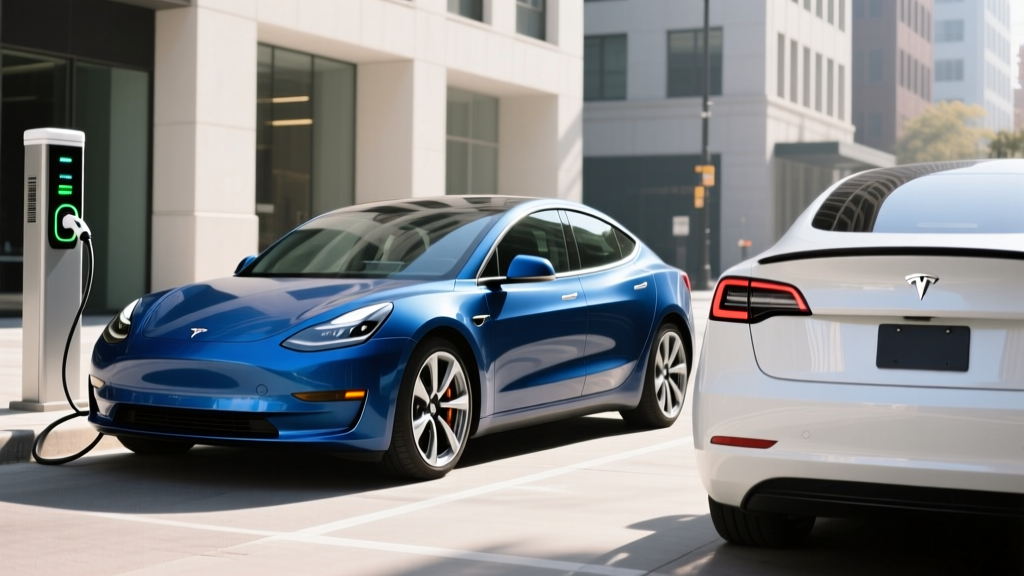
If you've been watching Tesla's pricing dance throughout 2025 and into 2026, the latest moves may finally tip the scales. Tesla is offering new aggressive incentives to increase year-end sales, combining temporary price cuts, low-interest financing, and referral bonuses on the Model Y — the company's best-selling vehicle and the benchmark compact electric SUV. For buyers who've been waiting for the right moment, this confluence of factory incentives and federal tax credit eligibility creates a compelling entry point.
But incentives only matter if the underlying product delivers. The 2026 Model Y (Juniper refresh) brings updated styling, a revised interior, improved ride quality, and continued dominance in charging speed and efficiency. Below, we break down every spec, cost, and ownership factor you need to make an informed decision — no hype, just data.
2026 Tesla Model Y: Core Specifications at a Glance
| Attribute | Value |
|---|---|
| EPA Range | 320 miles |
| Battery (usable) | ~78 kWh, NMC chemistry |
| Drivetrain | Dual-motor AWD |
| Horsepower | 384 hp combined |
| 0–60 mph | 4.8 seconds |
| DC Fast Charge (peak) | 250 kW |
| 10–80% DC Charge Time | ~27 minutes |
| Level 2 Home Charge Rate | 11.5 kW (~44 mi/hr) |
| MPGe (combined) | 122 MPGe |
| Efficiency | 28 kWh/100 mi |
| Cargo (rear seats up) | 30.2 cu ft |
| Cargo (rear seats folded) | 72.1 cu ft |
| Base MSRP | $44,990 |
| Battery Warranty | 8 years / 120,000 miles |
Source: fueleconomy.gov and Tesla's official spec sheet. Figures reflect the Long Range AWD trim, the volume seller.
Range, Efficiency, and Real-World Expectations
The Model Y's efficiency remains a standout. At 28 kWh per 100 miles (combined), it sips less energy per mile than nearly every competing electric SUV. Tesla's heat pump — standard on all trims — helps mitigate cold-weather range loss by scavenging waste heat from the drivetrain rather than relying solely on resistive cabin heating. On a 75 kWh usable NMC pack, that efficiency translates to fewer charging stops on road trips and lower electricity costs over ownership.
For the RWD base model (currently not offered in the US for 2026), the Long Range AWD remains the sweet spot. The Performance trim drops range to roughly 293 miles EPA but adds adaptive dampers and a 3.5-second 0–60 time.
Charging Speed: Home and DC Fast Charging
| Charging Level | Power / Rate | Miles Added per Hour |
|---|---|---|
| Level 1 (120V household) | ~1.4 kW | ~4–5 mi/hr |
| Level 2 (240V, 48A Wall Connector) | 11.5 kW | ~44 mi/hr |
| DC Fast Charge (Supercharger V3/V4) | 250 kW peak | ~200 mi in 15 min |
Tesla's charging ecosystem remains the strongest in the industry. The Model Y charges at up to 250 kW on V3 and V4 Superchargers, adding roughly 200 miles in 15 minutes under optimal conditions. The 10–80% charge takes approximately 27 minutes, though the charge curve tapers significantly above 80% — a characteristic of NMC chemistry where the battery management system slows current to protect cell longevity.
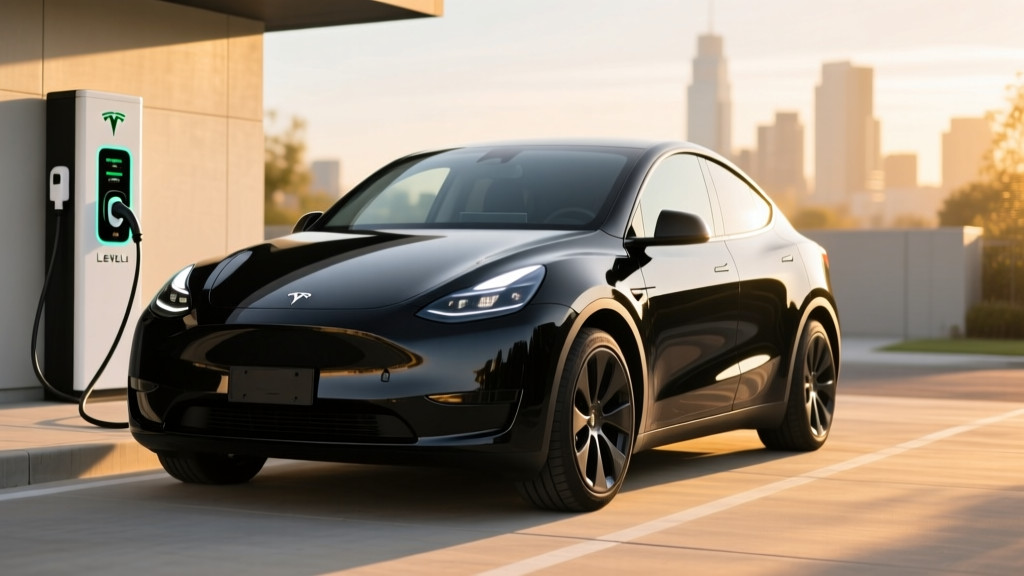
At home, the Tesla Wall Connector on a 60-amp circuit delivers 11.5 kW, replenishing about 44 miles of range per hour. An overnight charge from 20% to 80% takes roughly 4 hours — more than adequate for daily driving. Installation costs for a Level 2 home setup typically range from $800 to $2,500 depending on panel capacity and conduit runs; always consult a licensed electrician for your specific situation.
With the NACS connector now adopted by Ford, GM, Rivian, and others, Tesla Superchargers are opening to non-Tesla EVs — but Model Y owners still benefit from seamless plug-and-charge integration, automatic billing, and the densest fast-charging network in North America (over 6,500 stations as of late 2025).
Pricing, Year-End Incentives, and Tax Credit Eligibility
Here's where the 2026 Model Y becomes especially interesting. Tesla is offering new aggressive incentives to increase year-end sales, and the stack of savings can be substantial:
| Item | Amount |
|---|---|
| Base MSRP (Long Range AWD) | $44,990 |
| Tesla Year-End Price Reduction | −$2,000 |
| Tesla Referral / Inventory Bonus | −$1,000 to −$1,500 |
| Low-APR Financing (qualified buyers) | 1.99% for 36–60 months |
| Federal §30D Tax Credit (if eligible) | Up to −$7,500 |
| Effective Price (with credit + incentives) | ~$34,490–$35,490 |
Federal tax credit caveats: The $7,500 §30D credit is not universal. Per current IRS rules, eligibility depends on:
- Buyer income caps: Modified AGI ≤ $150,000 (single), $225,000 (head of household), $300,000 (joint).
- MSRP cap: SUVs must be ≤ $80,000 (Model Y qualifies comfortably).
- Battery sourcing: Critical minerals and battery components must meet phased-in domestic/free-trade-partner thresholds. Tesla's US-built LFP and NMC packs have generally met these requirements, but verify your specific VIN at the point of sale.
- Point-of-sale transfer: As of 2024+, you can transfer the credit to the dealer at purchase, reducing your out-of-pocket cost immediately rather than waiting for tax filing.
Consult a tax professional before relying on credit eligibility — rules are subject to legislative change and individual circumstances vary.
Performance, Ride Quality, and Driving Dynamics
The 2026 Model Y Long Range AWD delivers 384 horsepower from its dual-motor setup, reaching 0–60 mph in 4.8 seconds. That's quicker than most gas-powered compact SUVs and adequate for confident highway merging. The Performance trim bumps output to approximately 456 hp and drops the 0–60 to 3.5 seconds.
The Juniper refresh brought meaningful improvements to ride quality. Revised suspension tuning, additional sound deadening, and laminated rear glass reduce cabin noise substantially compared to pre-2025 models. The steering remains direct if somewhat artificial, and the low center of gravity keeps body roll well-controlled through corners.
Regenerative braking is strong and adjustable via the touchscreen, enabling one-pedal driving in most conditions. The heat pump and efficient thermal management mean performance holds up in extreme temperatures better than many competitors.
Interior, Technology, and Cargo Space
The 2026 Model Y interior represents a significant step up from earlier iterations:
- Front row: Ventilated seats (new for Juniper), ambient lighting, 15.4-inch center touchscreen
- Rear row: 8-inch rear touchscreen for climate/media, improved legroom (41.6 inches front / 37.4 inches rear)
- Cargo: 30.2 cu ft behind the rear seats, 72.1 cu ft with seats folded, plus a small front trunk (frunk)
- Infotainment: Tesla's proprietary OS with built-in navigation, streaming, gaming, and over-the-air updates
- No Apple CarPlay or Android Auto — a deliberate choice that remains a dealbreaker for some buyers
The minimalist design means virtually all controls route through the touchscreen, including glovebox release and mirror adjustments. Most owners adapt within a week, but test-drive before committing.
Driver Assistance: Autopilot and FSD (Supervised)
Standard Autopilot includes adaptive cruise control and lane-centering on highways. FSD (Supervised), available as a $8,000 add-on or $99/month subscription, adds automatic lane changes, on/off-ramp navigation, traffic light and stop sign recognition, and enhanced city-street driving. Real-world FSD performance has improved significantly through 2025–2026 neural-net updates, but it still requires active supervision and can make unexpected decisions in construction zones, complex intersections, and adverse weather.
Competitors like GM's Super Cruise and Ford's BlueCruise offer comparable Level 2 hands-free driving on pre-mapped highways, though Tesla's system covers a broader geographic area.
Warranty and Long-Term Ownership
Tesla's warranty coverage for the 2026 Model Y:
- Basic Vehicle: 4 years / 50,000 miles
- Battery & Drive Unit: 8 years / 120,000 miles (Long Range AWD), with a minimum 70% capacity retention guarantee
- Rust-through: 12 years, unlimited miles
Battery degradation data from Tesla's fleet shows the NMC packs typically retain approximately 88–90% capacity at 100,000 miles, well above the warranty threshold. Replacement cost, should it be needed out of warranty, ranges from $12,000 to $16,000 depending on the pack — though full replacements remain rare.
Insurance premiums for the Model Y tend to run 15–25% higher than comparable gas SUVs due to repair costs and parts pricing. Get quotes before purchasing to avoid surprises.
Model Y vs. Key Competitors: How Does It Stack Up?
| Spec | Tesla Model Y LR AWD | Ford Mustang Mach-E ER AWD | Hyundai Ioniq 5 Long Range AWD |
|---|---|---|---|
| EPA Range | 320 mi | 305 mi | 290 mi |
| DC Fast Charge (peak) | 250 kW | 150 kW | 235 kW |
| 10–80% Time | ~27 min | ~40 min | ~18 min |
| 0–60 mph | 4.8 sec | 5.1 sec | 5.0 sec |
| Starting MSRP | $44,990 | $48,995 | $49,850 |
| Charging Network | Supercharger (native) | NACS adapter → Supercharger | NACS adapter → Supercharger |
The Ioniq 5 charges faster on paper (18-minute 10–80% on 800V architecture), but Tesla's Supercharger network reliability and density still give it an edge for frequent road-trippers. The Mach-E offers a more traditional interior layout with physical controls and Apple CarPlay, but trails on range and charging speed. The Model Y's efficiency (28 kWh/100 mi vs. ~32–34 for competitors) means lower long-term electricity costs.
Pros
- Industry-leading efficiency and real-world range
- Supercharger network: most reliable DC fast-charging in North America
- Strong year-end incentives stack with §30D credit
- Spacious cargo area (72.1 cu ft) with flat load floor
- Continuous OTA improvements to software and FSD
- Heat pump standard — better cold-weather performance
Cons
- No Apple CarPlay or Android Auto
- Minimalist interior requires touchscreen reliance for all controls
- Insurance premiums run 15–25% above segment average
- FSD (Supervised) is expensive and still requires full driver attention
- Ride quality improved but still firm over sharp bumps
- Build quality variance — inspect panel gaps at delivery
Who Should Buy the 2026 Tesla Model Y?
Choose the Model Y if: You want maximum range per dollar, access to the Supercharger network for road trips, and can benefit from the full $7,500 federal credit plus Tesla's year-end incentives. Ideal for tech-comfortable commuters, small families needing cargo versatility, and anyone driving 15,000+ miles annually where efficiency savings compound.
Look elsewhere if: You need Apple CarPlay, prefer physical buttons, want a more luxurious interior (consider the BMW iX or Genesis GV70 Electrified), or live in an area with limited Supercharger access and no home charging option.
Frequently Asked Questions
What is the real-world range of the 2026 Tesla Model Y?
The EPA rates it at 320 miles. Expect 265–285 miles on the highway in mild weather, 210–240 miles in freezing temperatures, and up to 300+ miles in stop-and-go city driving with regenerative braking.
How fast does the Model Y charge at home and on the road?
At home on a Level 2 Wall Connector (11.5 kW), it adds about 44 miles per hour — a full overnight charge covers most weekly driving. On a 250 kW Supercharger, 10–80% takes approximately 27 minutes.
How much does the Model Y cost after all incentives and tax credits?
With Tesla's year-end price reductions (~$2,000–$3,500), referral bonuses, and the full $7,500 federal §30D credit, a qualified buyer can bring the effective price of a Long Range AWD down to approximately $34,500–$35,500 — a remarkable value for a 320-mile electric SUV.
Does the 2026 Model Y qualify for the $7,500 federal EV tax credit?
Generally yes, but eligibility depends on your income (AGI caps apply), the vehicle's MSRP (under the $80,000 SUV cap), and battery component/critical-mineral sourcing requirements. Verify your specific VIN at purchase and consult IRS guidance or a tax professional.
Is the Model Y worth buying vs. the Hyundai Ioniq 5 or Ford Mach-E?
The Model Y wins on range, efficiency, and charging-network access. The Ioniq 5 charges faster (10–80% in ~18 minutes on 800V) and offers a more distinctive design. The Mach-E provides a more conventional interior with CarPlay. If Supercharger access and maximum range matter most, the Model Y remains the segment leader.
What are the biggest drawbacks of the 2026 Model Y?
No smartphone integration (CarPlay/Android Auto), touchscreen-only controls for most vehicle functions, higher-than-average insurance costs, and FSD's $8,000 price tag for a system that still demands full driver supervision.