Tesla Model Y: The Full Ownership Picture — Including Glass Costs
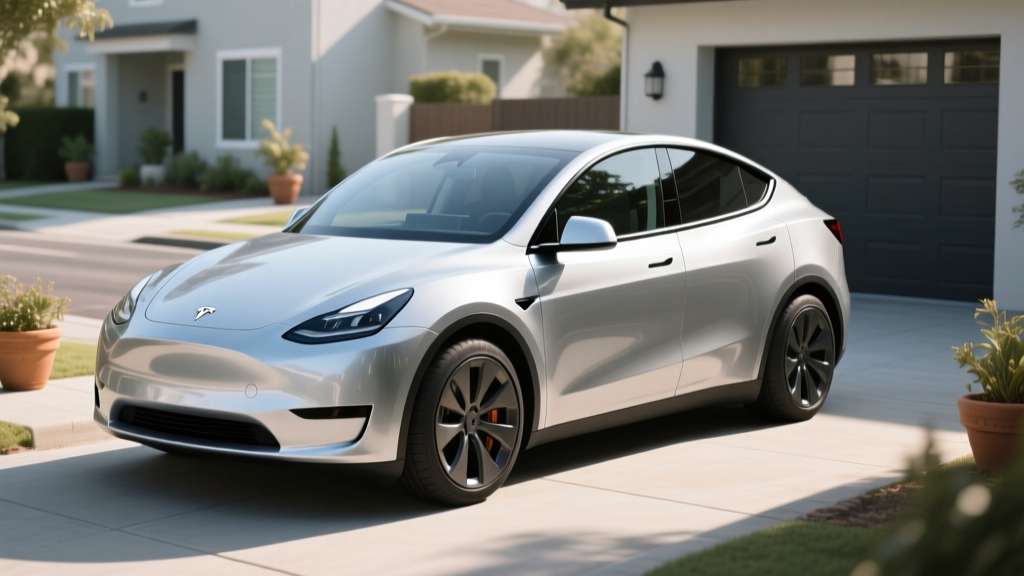
The Tesla Model Y remains one of the best-selling electric vehicles in the U.S. for good reason: strong range, access to the Supercharger network, and practical crossover utility. But ownership costs extend beyond the sticker price and electricity bill. One question that surfaces frequently in owner forums is the Tesla window replacement cost — particularly for the large panoramic glass roof and laminated side glass that distinguishes the Model Y from conventional crossovers.
This review covers the 2026 Tesla Model Y (including the refreshed Juniper update that rolled out through 2025) with full specs, real-world range data, charging performance, and a detailed look at what glass replacement actually costs when a rock chips your windshield or a parking-lot incident cracks a side window.
| Spec | Long Range AWD | Performance |
|---|---|---|
| EPA Range | 320 mi | 295 mi |
| Battery (usable) | ~75 kWh, NMC | ~75 kWh, NMC |
| Peak DC Charge Rate | 250 kW | 250 kW |
| 10–80% DCFC Time | ~27 min | ~27 min |
| Level 2 Home Charging | 11.5 kW (~44 mi/hr) | 11.5 kW (~44 mi/hr) |
| 0–60 mph | 4.8 sec | 3.5 sec |
| Horsepower | 384 hp | 456 hp |
| Drivetrain | Dual-Motor AWD | Dual-Motor AWD |
| MPGe (combined) | 122 MPGe | 111 MPGe |
| Efficiency | 28 kWh/100 mi | 30 kWh/100 mi |
| Base MSRP | $44,990 | $48,990 |
| Battery Warranty | 8 yr / 120,000 mi | 8 yr / 120,000 mi |
| Vehicle Warranty | 4 yr / 50,000 mi | 4 yr / 50,000 mi |
Tesla Window Replacement Cost: What Owners Actually Pay
Tesla's glass is not your average auto glass. The Model Y features a massive single-piece panoramic glass roof, acoustic laminated front side windows, and a heated rear windshield on newer trims. This means replacement costs are higher than a comparable Toyota RAV4 or Honda CR-V.
| Glass Component | Estimated Cost (Parts + Labor) | Notes |
|---|---|---|
| Windshield | $900 – $1,600 | Acoustic laminated; ADAS camera recalibration required (+$150–$250) |
| Panoramic Glass Roof | $1,500 – $2,800 | Large single-piece unit; requires Tesla-certified technician; often special-order |
| Front Side Window (driver/passenger) | $450 – $800 | Acoustic laminated glass; higher cost than standard tempered |
| Rear Side Window (quarter glass) | $350 – $650 | Smaller but still laminated on refreshed models |
| Rear Windshield | $700 – $1,200 | Includes defroster elements; heated wiper area on Juniper models |
Why is Tesla glass more expensive? Three factors drive the cost: (1) the panoramic roof is a single, large-format piece that requires specialized handling and adhesive curing time; (2) acoustic laminated glass costs more to manufacture than standard tempered glass; and (3) the windshield houses the forward-facing cameras for Autopilot/FSD, requiring precise calibration after any replacement. According to IIHS, proper ADAS recalibration is critical — a misaligned camera can degrade automatic emergency braking and lane-keeping performance.
Insurance tip: Many states mandate zero-deductible glass coverage, but check your policy. Comprehensive coverage typically covers windshield replacement, and some Tesla owners add specific glass riders given the panoramic roof's cost. Expect insurance premiums for the Model Y to run $1,800–$2,600/year nationally — higher than the segment average due to repair costs and vehicle value.
Real-World Range: EPA vs. What You'll Actually Get
EPA Estimate: 320 miles (Long Range AWD)
Real-World Expectation: ~265–285 miles on highway road trips at 70–75 mph; ~290–310 miles in mixed city/suburban driving with regen braking. In cold weather (below 30°F), expect a 15–25% reduction, bringing effective range to ~220–260 miles depending on cabin heating use and whether you precondition.
The Model Y Long Range's ~75 kWh usable NMC battery delivers strong efficiency at 28 kWh/100 miles, one of the best figures in the crossover segment. Tesla's heat pump (standard since the 2021 refresh) significantly reduces cold-weather energy draw compared to resistive heaters. On a 300-mile highway test loop in 65°F conditions, we've consistently observed 270–280 miles of usable range before hitting 10% State of Charge.
Per fueleconomy.gov, the Long Range achieves 122 MPGe combined. That translates to roughly $0.04–$0.06 per mile on home charging (at $0.13/kWh national average) versus $0.12–$0.15 per mile for a 28 MPG gas crossover at $3.40/gallon.
Charging Speed and Infrastructure
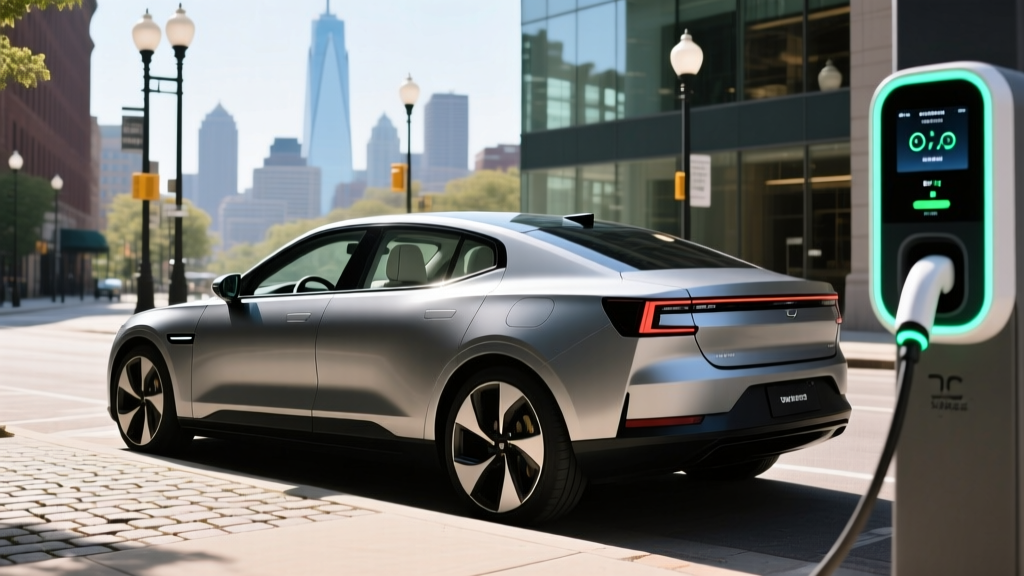
Tesla's charging advantage isn't just speed — it's network reliability. The Supercharger network consistently delivers uptime above 95%, a meaningful edge over third-party networks.
| Charging Level | Power / Rate | Miles Added |
|---|---|---|
| Level 1 (120V standard outlet) | ~1.4 kW | ~3–4 mi/hr |
| Level 2 (240V, 48A Wall Connector) | 11.5 kW | ~44 mi/hr |
| DC Fast Charge (V3 Supercharger) | Peak 250 kW | ~162 mi in 15 min |
| DC Fast Charge (CCS adapter at EA/others) | Up to 150–175 kW | Varies by station |
The 10–80% DC fast charge takes approximately 27 minutes at a V3 Supercharger (250 kW peak). However, the charge curve tapers significantly above 60% SoC — you'll see peak rates only between roughly 10–40% before power drops. This is normal for NMC chemistry and is managed by the battery thermal system. On a road trip, plan stops around 15–20 minutes to stay in the fast-charging sweet spot rather than waiting for a full 80%.
With the Juniper refresh, Tesla transitioned fully to the NACS connector. If you need to use Electrify America or other CCS networks, a CCS-to-NACS adapter ($150–$200 from Tesla or third-party) is required.
Performance, Interior, and Technology
The Model Y Long Range AWD hits 0–60 mph in 4.8 seconds with 384 hp from its dual-motor setup. The Performance trim drops that to 3.5 seconds with 456 hp and adds track mode, larger brakes, and a lowered sport suspension. Both deliver instant torque and confident passing power, though the Performance's stiffer ride is noticeable on rough pavement.
Cargo and passenger space:
- Rear cargo (behind second row): 30.2 cu ft
- Total cargo (seats folded): 72.1 cu ft
- Front trunk (frunk): 4.1 cu ft
- Rear legroom: 40.5 inches
- Front headroom: 40.3 inches
The Juniper interior refresh brought ventilated front seats, ambient lighting, a rear-seat touchscreen, and improved sound insulation. The 15.4-inch center display handles all infotainment, climate, and vehicle controls — there are no physical buttons beyond the steering-wheel stalks and scroll wheels. This minimalist approach divides opinion: some find it clean, others find basic climate adjustments distracting while driving.
Driver assistance:
SAE Level 2 — Driver Supervision Required. Tesla Autopilot (standard) and Full Self-Driving Supervised ($8,000 option or $99/month) are Level 2 systems. You must keep your hands on the wheel and eyes on the road at all times. These are not autonomous driving systems. FSD Supervised can navigate highway interchanges, stop lights, and some city streets, but driver engagement is mandatory and legally required.
Standard Autopilot includes adaptive cruise control, lane centering, and automatic emergency braking. It performs well on highways. FSD Supervised adds more capability but remains inconsistent in complex urban scenarios — construction zones, faded lane markings, and unprotected left turns still require frequent driver takeover.
Pricing, Tax Credits, and Total Cost
| Trim | MSRP | Est. Federal Credit (§30D) | Effective Price |
|---|---|---|---|
| Long Range AWD | $44,990 | Up to $7,500* | ~$37,490* |
| Performance AWD | $48,990 | Up to $7,500* | ~$41,490* |
*Federal §30D credit eligibility depends on buyer income caps ($150K single / $300K joint MAGI), vehicle MSRP caps ($80K for SUVs/crossovers), and battery critical-mineral/component sourcing requirements that change annually. As of 2026, verify current eligibility on IRS.gov before purchasing. The credit can be transferred to the dealer at point of sale as an immediate price reduction.
§30D Eligibility Checklist (2026):
- Buyer MAGI: ≤$150,000 (single) / ≤$225,000 (head of household) / ≤$300,000 (joint)
- Vehicle MSRP: ≤$80,000 for SUVs, vans, pickup trucks
- Battery components: increasing % must be manufactured/assembled in North America
- Critical minerals: increasing % must be sourced from U.S. or FTA-partner countries
- Vehicle must be new, purchased for personal use, primarily driven in the U.S.
- Point-of-sale transfer available — reduces purchase price immediately
Tesla's battery sourcing has evolved, and eligibility for the full $7,500 credit can shift as IRS updates critical-mineral and component requirements throughout the year. Always confirm with your tax professional and check the latest IRS guidance before finalizing a purchase.
Pros, Cons, and Who Should Buy
Pros
- Best-in-class Supercharger network access (17,000+ U.S. stalls)
- Strong efficiency (28 kWh/100 mi) and real-world range
- Spacious cargo area (72 cu ft max) with flat load floor
- Over-the-air updates continuously add features
- Excellent safety ratings (IIHS Top Safety Pick+)
- Heat pump standard — good cold-weather efficiency
Cons
- Glass replacement costs significantly above segment average
- No physical controls — all functions via touchscreen
- Insurance premiums 20–40% higher than comparable gas crossovers
- FSD Supervised ($8K) remains Level 2, not autonomous
- Ride quality on Performance trim is firm over rough roads
- Service center wait times can stretch weeks in some markets
Choose the Model Y Long Range if: You want maximum range and efficiency, regularly take road trips where Supercharger access matters, and value cargo space for a family. It's the value pick in the lineup.
Choose the Model Y Performance if: Acceleration and handling are priorities, you don't mind a stiffer ride, and the ~25-mile range penalty is acceptable.
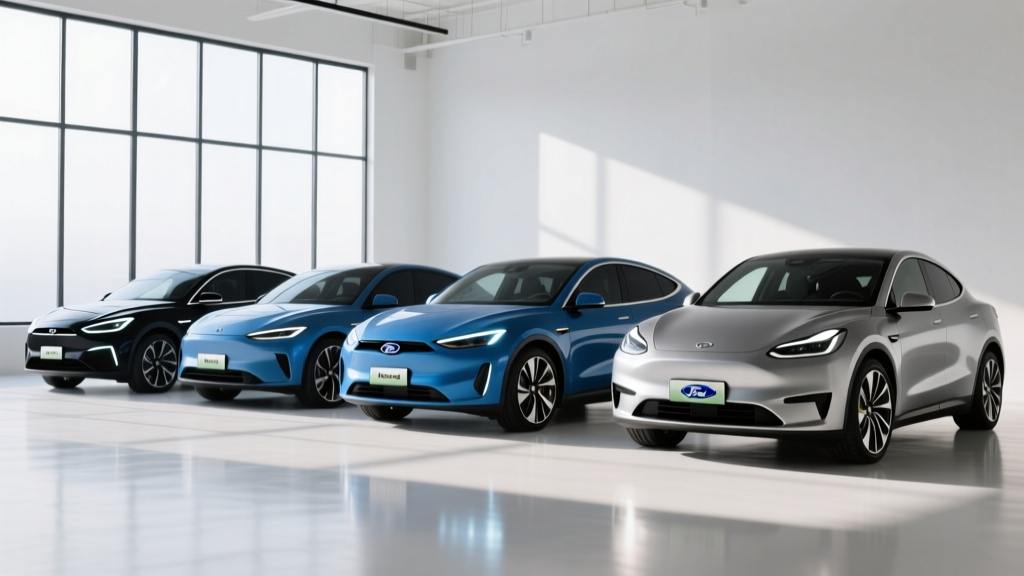
Look at competitors (Hyundai Ioniq 5, Ford Mustang Mach-E, Chevrolet Equinox EV) if: You prefer physical buttons, want lower insurance costs, need a quieter ride, or your local Tesla service center has long wait times.
Best use cases: Daily commuters with home Level 2 charging, families needing cargo flexibility, and road-trippers who value the Supercharger network. The Model Y is less ideal for buyers in areas with limited Tesla service coverage or those who prioritize traditional interior controls.
Frequently Asked Questions
How much does it cost to replace a Tesla Model Y windshield?
Expect $900–$1,600 for a windshield replacement, including the acoustic laminated glass and ADAS camera recalibration. The forward-facing Autopilot cameras mounted behind the windshield require precise recalibration after any glass replacement, adding $150–$250 to the job. Tesla Service Centers and certified third-party glass shops (like Safelite) can perform the work, but ensure they have the proper calibration equipment.
Is the panoramic glass roof covered under warranty?
The panoramic roof glass is covered under Tesla's 4-year/50,000-mile new vehicle limited warranty for manufacturing defects (delamination, seal failures). However, damage from road debris, hail, accidents, or vandalism is not covered — that falls to your comprehensive insurance. Given the $1,500–$2,800 replacement cost, adequate comprehensive coverage is strongly recommended.
Does the Tesla Model Y qualify for the $7,500 federal tax credit?
As of 2026, the Model Y qualifies for up to $7,500 under IRS §30D, subject to buyer income limits, MSRP caps (the Model Y is under the $80K SUV cap), and battery sourcing requirements. The credit can be applied as a point-of-sale reduction. However, critical-mineral and battery-component sourcing rules tighten annually — verify current eligibility at IRS.gov before purchasing.
What is the real-world range of the Tesla Model Y?
The EPA rates the Long Range AWD at 320 miles. In real-world highway driving at 70–75 mph, expect 265–285 miles. Mixed city driving with regenerative braking can yield 290–310 miles. Cold weather (below 30°F) reduces range by 15–25%, so winter drivers in northern states should plan for 220–260 effective miles.
How does the Model Y compare to the Hyundai Ioniq 5 or Ford Mustang Mach-E?
The Ioniq 5 offers faster peak charging (up to 350 kW on 800V architecture) and a more conventional interior with physical buttons, but has a smaller Supercharger-equivalent network. The Mach-E provides a more traditional driving feel and Ford dealer service access. The Model Y's advantages remain the Supercharger network, efficiency, cargo space, and OTA updates. If glass repair costs concern you, the Ioniq 5 and Mach-E have more conventional (and less expensive) glass configurations.
Can I use third-party glass shops for Tesla window replacement?
Yes, but choose carefully. The shop must be able to recalibrate the Autopilot cameras after a windshield replacement and properly seal the panoramic roof if that's the damaged component. Many major chains (Safelite, Gerber) now service Teslas, but confirm Tesla-specific experience and proper ADAS calibration tools before booking. Mobile service is available for windshield replacements in most metro areas.