Quick Verdict: The Best-Selling EV Wears a New Shade
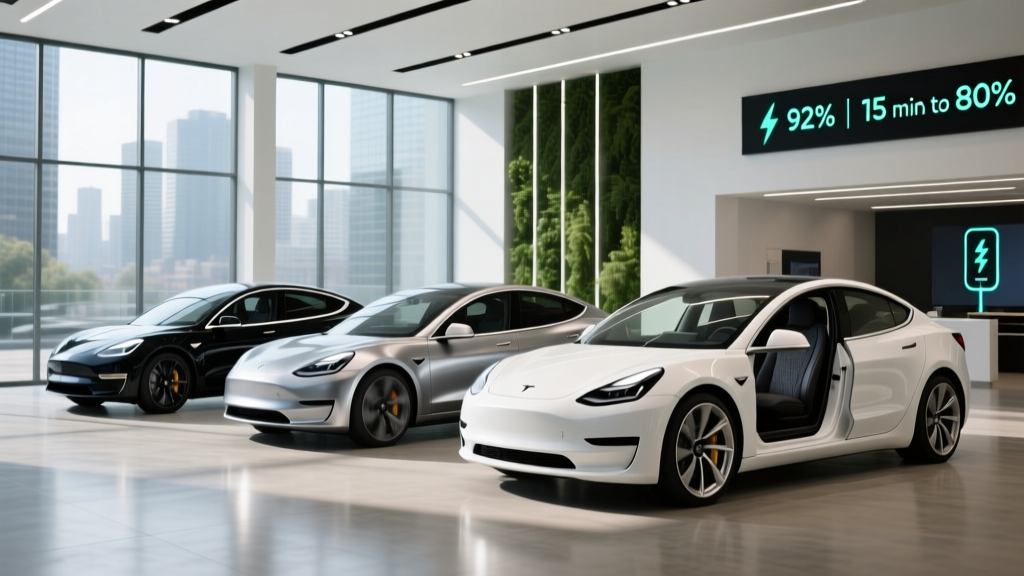
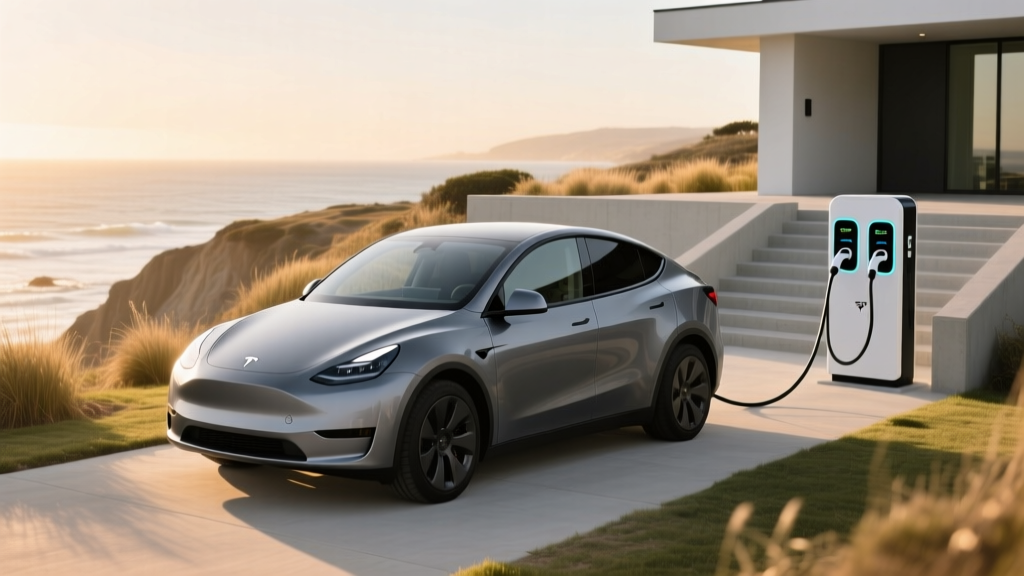
The Tesla Model Y remains America's best-selling electric vehicle for good reason — strong efficiency, access to the Supercharger network, and a cabin that prioritizes utility over ornamentation. For 2026, the refreshed "Juniper" update brings a quieter interior, ventilated seats, ambient lighting, and a rear touchscreen, while the Stealth Grey paint option has become one of the most-requested exterior colors among buyers who want something understated but premium-looking without paying for Ultra Red or Quicksilver.
This review focuses on what actually matters to buyers: real-world range versus the EPA sticker, charging speeds at home and on the road, exact pricing after federal tax credits, and whether the Model Y still holds its crown against the Hyundai Ioniq 5, Ford Mustang Mach-E, and Chevrolet Equinox EV.
Range, Efficiency, and the Real-World Reality Check
Real-World Expectation: Plan for ~260–280 miles on highway road trips at 70–75 mph. In sub-30°F winter conditions, expect a 20–30% reduction, dropping effective range to ~200–240 miles. City driving with regenerative braking can match or slightly exceed the EPA sticker.
The 2026 Model Y Long Range AWD carries a 75 kWh usable battery (approximately 82 kWh gross) using NMC (nickel manganese cobalt) chemistry, chosen for its higher energy density compared to LFP. This allows Tesla to pack meaningful range into a relatively compact crossover footprint.
Efficiency is rated at 122 MPGe combined (city 127 / highway 116) per EPA data on fueleconomy.gov, translating to roughly 28 kWh per 100 miles. That's among the most efficient in its class — the Ioniq 5 AWD sits at 110 MPGe combined, and the Mach-E Extended Range AWD at 101 MPGe.
Why does real-world range fall short? Highway speeds above 65 mph increase aerodynamic drag exponentially, and EVs — unlike gas cars — don't become more efficient at higher speeds. Cold weather compounds this: the battery must be heated, cabin heating draws energy (the Model Y uses a highly efficient heat pump, which mitigates but doesn't eliminate the loss), and the battery's internal resistance increases, reducing available capacity.
Charging Speeds: DC Fast, Level 2, and Level 1
Charging speed is where the Juniper Model Y shines — Tesla's V4 Supercharger architecture and the vehicle's improved thermal management deliver impressive sustained charge rates.
| Charging Level | Power (kW) | Speed (miles of range per hour) | Notes |
|---|---|---|---|
| Level 1 (120V household) | ~1.4 kW | ~4–5 mi/hr | Emergency/trickle only; adds ~50 mi overnight |
| Level 2 (240V home, 48A) | 11.5 kW | ~38–40 mi/hr | Full charge in ~7–8 hours; recommended daily setup |
| Level 2 (240V, 32A Mobile Connector) | 7.7 kW | ~26 mi/hr | Included Mobile Connector; slower but no install upgrade needed for many panels |
| DC Fast (Supercharger V4 peak) | 250 kW | ~1,000 mi/hr (peak) | 10–80% in ~22 minutes; tapers significantly above 80% |
| DC Fast (CCS adapter, third-party) | Up to 250 kW | Varies by station | Works with Electrify America, EVgo via included CCS adapter |
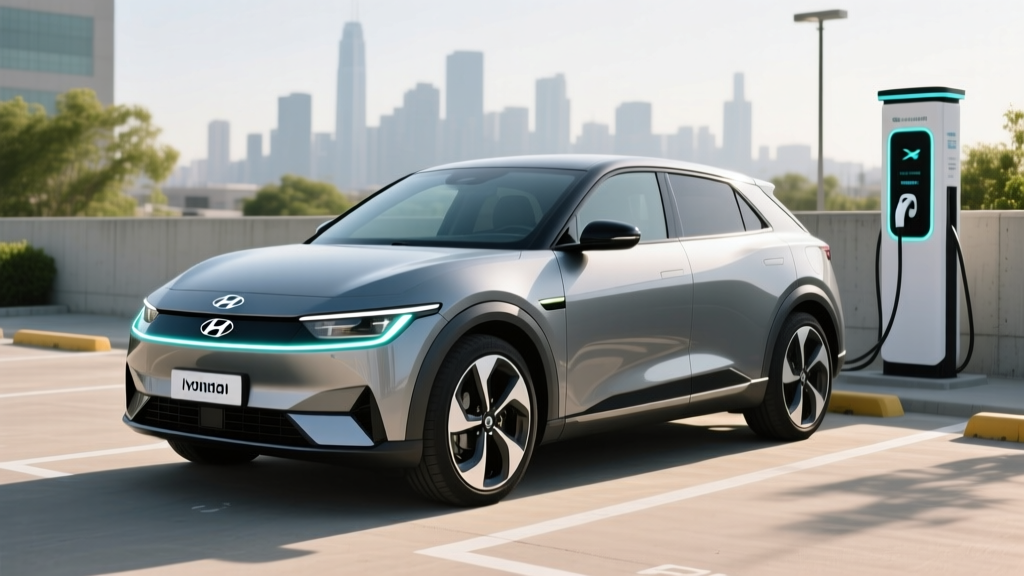
The charging curve matters more than peak kW. The Model Y sustains close to 250 kW from roughly 10% to 35% State of Charge, then steps down through the 150–180 kW range through 60%, and further tapers to under 100 kW past 70%. The 10–80% time of approximately 22 minutes is competitive but not class-leading — Hyundai's E-GMP platform (Ioniq 5/6) can do 10–80% in ~18 minutes thanks to its 800V architecture. Tesla sticks with a 400V architecture, which limits peak rate but keeps costs down.
For home charging, a Tesla Wall Connector at 48 amps on a 60-amp circuit is the sweet spot. Expect to pay $500–$1,500 for professional installation depending on your panel's proximity to the garage and whether a panel upgrade (200A service) is needed.
Performance, Drivetrain, and Daily Drivability
| Specification | Long Range AWD | Performance |
|---|---|---|
| Drivetrain | Dual-Motor AWD | Dual-Motor AWD |
| Horsepower | 384 hp | 456 hp |
| 0–60 mph | 4.8 seconds | 3.5 seconds |
| Top Speed | 125 mph | 155 mph |
| Towing Capacity | 3,500 lbs | 3,500 lbs |
| Cargo (rear seats up) | 30.2 cu ft | 30.2 cu ft |
| Cargo (rear seats folded) | 72.1 cu ft | 72.1 cu ft |
| Front Trunk (Frunk) | 4.1 cu ft | 4.1 cu ft |
| Rear Legroom | 40.5 in | 40.5 in |
| Curb Weight | ~4,330 lbs | ~4,398 lbs |
The Juniper refresh improved ride quality noticeably — revised damper tuning and acoustic glass reduce highway noise and absorb rough pavement better than the pre-2025 model. The Long Range AWD's 4.8-second 0–60 time is quick enough to merge onto any freeway with confidence, while the Performance trim's 3.5-second sprint puts it in sports-car territory.
One-pedal driving via regenerative braking remains strong, though Tesla removed the driver-adjustable regen setting several years ago. The default regen is aggressive enough for most stop-and-go commuting but may require a brief adaptation period for drivers transitioning from gas vehicles.
Pricing, Trim Levels, and Federal Tax Credit Eligibility
| Trim | Base MSRP | Stealth Grey Paint | Est. After §30D Credit |
|---|---|---|---|
| Long Range AWD | $44,990 | $0 (no-cost option) | ~$37,490* |
| Performance | $48,990 | $0 (no-cost option) | ~$41,490* |
*Estimated after $7,500 federal tax credit; eligibility subject to income, sourcing, and MSRP caps. Destination fee and options additional.
Stealth Grey is one of Tesla's standard (no-cost) exterior colors for the 2026 Model Y, replacing the previous Dark Grey Metallic. It's a deep, metallic grey with a subtle blue undertone in direct sunlight — more sophisticated than flat grey, less flashy than Quicksilver ($2,500 extra).
- MSRP Cap: SUVs/crossovers must be ≤$80,000 (Model Y qualifies at ~$45K–$55K as-configured)
- Buyer Income Cap: AGI ≤$150,000 (single) / ≤$300,000 (married filing jointly)
- Battery Sourcing: Critical minerals and battery components must meet phased-in domestic/free-trade-partner thresholds per IRS guidelines — Tesla's US-built batteries generally qualify, but verify at point of sale
- Point-of-Sale Transfer: You can transfer the credit to Tesla at purchase, reducing your out-of-pocket by $7,500 immediately rather than waiting for tax filing
- VIN Registration: Tesla must report your VIN to the IRS; confirm this happens at delivery
The $7,500 credit is not automatic. Battery critical-mineral and component sourcing requirements tighten each year under the Inflation Reduction Act. As of early 2026, the Model Y's US-assembled battery pack and domestically sourced LFP/NMC materials have kept it eligible, but buyers should verify current eligibility on the fueleconomy.gov tax credit page before ordering.
Technology, Autopilot, and the Juniper Interior
The 2026 Model Y's cabin reflects the Juniper overhaul: a 15.4-inch center touchscreen handles all infotainment, climate, and vehicle controls; a new 8-inch rear touchscreen gives back-seat passengers media and climate control; ventilated front seats are now standard; and ambient lighting replaces the barren dash of prior years.
Autopilot comes standard and includes adaptive cruise control, lane-keeping assist, and automatic emergency braking. Full Self-Driving (Supervised) is a $8,000 option (or $99/month subscription) that adds automated lane changes, city street navigation, and traffic light recognition.
The 15.4-inch screen runs Tesla's latest software (2026.x), which includes a revamped navigation system with real-time Supercharger availability, improved voice commands, and a dashcam/sentry mode suite that records from multiple cameras. The absence of physical buttons for climate and mirrors is polarizing — some owners adapt quickly, others find it distracting.
Warranty, Battery Longevity, and Ownership Costs
Tesla provides a 4-year/50,000-mile basic vehicle warranty and an 8-year/120,000-mile battery and drive unit warranty for the Long Range and Performance trims (the warranty guarantees the battery will retain at least 70% of its original capacity during the warranty period).
Real-world battery degradation data from large owner surveys suggests the NMC pack in the Model Y loses approximately 5–8% capacity over the first 100,000 miles, with the curve flattening significantly afterward. Many high-mileage Teslas report 85–90% State of Health at 150,000 miles. Proper care — avoiding frequent 100% charges, limiting DC fast charging when possible, and using the vehicle's built-in charge-limit settings — extends longevity.
Insurance costs remain a pain point. The Model Y's average annual premium runs $2,200–$3,000 depending on state, driving record, and coverage level — higher than comparable gas crossovers due to repair costs and Tesla's aluminum-intensive body structure.
Model Y vs. the Competition: Is It Still the Best Choice?
| Spec | Tesla Model Y LR AWD | Hyundai Ioniq 5 AWD | Ford Mach-E ER AWD |
|---|---|---|---|
| EPA Range | 320 mi | 290 mi | 305 mi |
| Battery (usable) | 75 kWh (NMC) | 77.4 kWh (NMC) | 91 kWh (NMC) |
| Peak DC Charge | 250 kW | 350 kW (800V) | 150 kW |
| 10–80% DC Time | ~22 min | ~18 min | ~38 min |
| 0–60 mph | 4.8 sec | 5.1 sec | 5.3 sec |
| MPGe Combined | 122 | 110 | 101 |
| Cargo (seats up) | 30.2 cu ft | 27.2 cu ft | 29.7 cu ft |
| Base MSRP | $44,990 | $48,600 | $48,995 |
The Model Y wins on efficiency, cargo space, range, and pricing. The Ioniq 5 charges faster and offers a more conventional interior layout with physical buttons. The Mach-E provides a more engaging driving experience but trails on charging speed and efficiency. Tesla's Supercharger network — now open to other brands via adapters — remains a significant road-trip advantage, though the gap has narrowed as Electrify America and EVgo expand.
Pros, Cons, and Who Should Buy
- Class-leading 320-mi EPA range and 122 MPGe efficiency
- Access to 6,000+ Tesla Supercharger stations (most reliable DC network)
- Spacious 30.2 cu ft cargo area + frunk
- Stealth Grey is a no-cost premium-looking paint option
- Strong OTA updates continuously add features
- Eligible for $7,500 §30D credit (verify at purchase)
- No physical buttons — all controls via touchscreen
- Insurance premiums 15–25% above segment average
- FSD ($8,000) remains Level 2, not autonomous
- Ride improved but still firm over sharp bumps
- 400V architecture limits peak charge rate vs. 800V rivals
- Rear visibility compromised by sloping roofline
Best for: Families and commuters who want maximum range per dollar, frequent road-trippers who value Supercharger reliability, and tech-forward buyers who prefer a minimalist cabin. The Stealth Grey colorway suits those who want understated premium aesthetics without paying extra for paint.
Look elsewhere if: You want the fastest possible DC charging (Ioniq 5), prefer physical buttons and a traditional dashboard layout, or need a third row (Kia EV9).
Frequently Asked Questions
What is the real-world range of the Tesla Model Y in Stealth Grey?
Paint color has no effect on range. The 2026 Model Y Long Range AWD achieves an EPA-estimated 320 miles. In real-world highway driving at 70–75 mph, expect 260–280 miles. In cold weather below 30°F, plan for 200–240 miles effective range. The heat pump helps but cannot fully offset battery chemistry limitations in freezing temperatures.
How fast does the Model Y charge at home and on the road?
On a Level 2 home charger at 48 amps (11.5 kW), the Model Y gains approximately 38–40 miles of range per hour, fully charging overnight in 7–8 hours. On a V4 Supercharger, it peaks at 250 kW and charges from 10–80% in about 22 minutes. Expect roughly 150–200 miles added in a 15-minute stop.
How much does the Tesla Model Y cost after tax credits?
The Long Range AWD starts at $44,990 MSRP. With the full $7,500 §30D federal tax credit (subject to income, MSRP, and battery-sourcing eligibility), the effective price drops to approximately $37,490 before destination, taxes, and optional upgrades. Stealth Grey is a no-cost paint option, so it does not affect pricing.
Does the Tesla Model Y qualify for the federal EV tax credit in 2026?
As of early 2026, the Model Y qualifies for the full $7,500 credit under IRS §30D, provided the buyer meets income limits (≤$150K single / ≤$300K joint), the vehicle MSRP is ≤$80,000, and battery sourcing requirements are satisfied. Tesla's US assembly and battery sourcing have kept the Model Y eligible, but rules tighten annually — verify on irs.gov before purchasing. The credit can be transferred at point of sale to reduce your purchase price immediately.
Is the Tesla Model Y worth buying over competitors in 2026?
If range, efficiency, cargo space, and Supercharger access are your top priorities, the Model Y remains the strongest all-around choice. If you prioritize faster DC charging, the Hyundai Ioniq 5's 800V architecture is superior. If you prefer a more driver-focused experience with physical controls, the Ford Mach-E or BMW iX may suit you better. The Model Y's total cost of ownership — factoring in efficiency, low maintenance, and tax credits — is difficult to beat.
What are the biggest drawbacks of the Model Y?
The touchscreen-only interface is the most polarizing aspect. Insurance costs are above average. FSD, despite its $8,000 price tag, remains a Level 2 system requiring constant driver supervision. The 400V charging architecture, while adequate, falls behind 800V competitors on peak charge speed. And the sloping rear roofline limits rearward visibility and slightly reduces cargo height compared to boxier rivals.