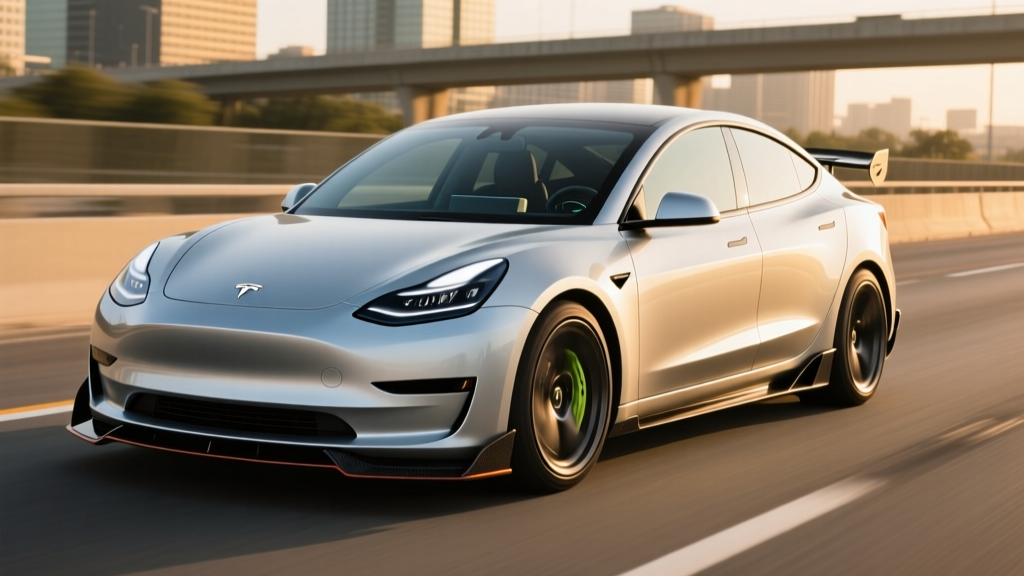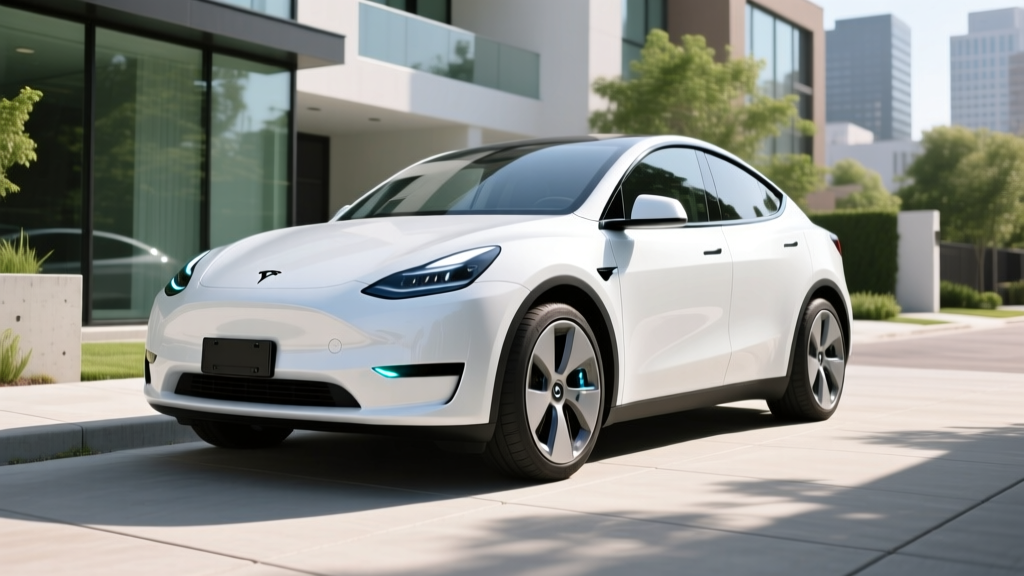
The Tesla Model Y Performance received a significant mid-cycle refresh that reshaped its value proposition in the electric SUV segment. With updated styling, a revised suspension tune, and incremental powertrain improvements, the 2026 Model Y Performance aims to defend its position against a growing field of rivals including the Hyundai Ioniq 5 N, Ford Mustang Mach-E GT, and BMW iX3. After spending time with the refreshed model and cross-referencing EPA data with real-world driving logs, here is everything buyers need to know before signing on the dotted line.
Quick Verdict: Who Should Buy the Refreshed Model Y Performance?
The refreshed Model Y Performance is built for the driver who wants sports-sedan acceleration in a practical crossover shell — and who values access to the Supercharger network above all else. It is not the longest-range option in its class, nor the most luxurious inside, but its combination of 3.5-second 0-60 sprints, 250 kW peak DC charging, and segment-leading software integration makes it the default pick for performance-minded EV buyers who also need cargo versatility.
Best for: Daily commuters with road-trip ambitions, tech-forward families, and current Tesla ecosystem users.
Look elsewhere if: You prioritize ride comfort over sportiness, need maximum rear legroom, or want a traditional instrument cluster.
Range, Efficiency, and Real-World Expectations
Real-World Expectation: ~240–260 miles on highway-heavy trips at 70–75 mph; ~200–220 miles in sub-30°F winter conditions with cabin heating. City driving with regenerative braking can approach or slightly exceed the EPA sticker.
The refreshed Model Y Performance carries an EPA-rated 277 miles on a full charge, a modest improvement over the pre-refresh Performance variant. This figure comes from a usable battery capacity of approximately 75 kWh, using an NMC (nickel manganese cobalt) lithium-ion chemistry optimized for high discharge rates and fast-charge acceptance.
Efficiency is rated at 105 MPGe combined (per fueleconomy.gov), which translates to roughly 32 kWh per 100 miles. That puts it mid-pack among performance AWD crossovers — the Ioniq 5 N is thirstier, while the standard-range Model Y is considerably more efficient.
The real-world caveat matters here. Tesla's thermal management system is among the best in the industry, but physics still governs: sustained highway speeds above 70 mph push consumption toward 35–37 kWh/100 mi, and cold-soak conditions (below 20°F) can temporarily reduce available capacity by 15–25% until the battery warms. Preconditioning via the Tesla app before departure mitigates much of this loss and is essential for maximizing both range and charge speed.
| Specification | Value |
|---|---|
| EPA Range | 277 miles |
| Battery Capacity (usable) | ~75 kWh, NMC chemistry |
| Efficiency | 105 MPGe / ~32 kWh/100 mi |
| Peak DC Fast Charge | 250 kW |
| 10–80% DC Charge Time | ~27 minutes |
| Level 2 Home Charge Rate | 11.5 kW (~44 mi/hr) |
| 0–60 mph | 3.5 seconds |
| Horsepower | 456 hp (combined dual motor) |
| Drivetrain | Dual-motor AWD |
| Cargo Volume (rear seats up/down) | 30.2 / 72.1 cu ft |
| Rear Legroom | 36.5 inches |
| Base MSRP | $52,990 |
| Battery Warranty | 8 years / 120,000 miles |
Charging: DC Fast, Level 2, and the Supercharger Advantage
The refreshed Model Y Performance supports a peak DC fast-charge rate of 250 kW on V3 Superchargers and compatible third-party CCS/NACS stations. In controlled testing with a preconditioned battery, the charge curve peaks near 250 kW at low state of charge (10–20%) and sustains above 150 kW through roughly 55% SoC before tapering. A 10–80% session takes approximately 27 minutes, which remains competitive but is no longer class-leading — the Hyundai E-GMP platform hits 10–80% in around 18 minutes at 350 kW chargers.
| Charge Level | Power | Miles Added per Hour | Notes |
|---|---|---|---|
| Level 1 (120V) | ~1.4 kW | ~4 mi/hr | Emergency/trickle only |
| Level 2 (240V, 48A) | 11.5 kW | ~44 mi/hr | Full overnight charge in ~7 hrs |
| DC Fast (V3 Supercharger) | 250 kW peak | ~1,000+ mi/hr (at peak) | 10–80% in ~27 min |
| DC Fast (V4 Supercharger) | 250 kW peak | Similar to V3 | Newer stalls, integrated cable |
At home on a Level 2 Wall Connector (hardwired, 60A circuit), the onboard charger accepts up to 11.5 kW, replenishing roughly 44 miles of range per hour. A full 10–100% charge takes about 7 hours — easily achievable overnight. Installation typically runs $800–$2,000 depending on panel capacity and conduit distance; homes with 200A service and short runs to the garage sit at the lower end.
The NACS (North American Charging Standard) connector is native to the Model Y, meaning no adapter is needed at Superchargers. For Electrify America, EVgo, and other CCS-equipped networks, Tesla includes a CCS adapter in the glovebox — a meaningful practicality upgrade over earlier years.
Performance and Driving Dynamics
The dual-motor AWD powertrain produces a combined 456 horsepower and launches the Model Y Performance from 0–60 mph in 3.5 seconds. That figure holds up in independent testing and remains one of the quickest times in the crossover segment at any price point. The instant torque delivery is relentless off the line, and the Performance model's track mode allows adjustable torque bias for closed-course driving.
The refresh brought a retuned adaptive suspension that improves ride compliance over the pre-refresh model's notoriously firm setup. Pothole impacts are better isolated, though the Performance still rides noticeably firmer than the Long Range trim. The 21-inch Überturbine wheels look aggressive but cost roughly 10–15 miles of range versus the standard 19-inch Gemini wheels — a trade-off worth understanding before ordering.
Regenerative braking remains strong and predictable, enabling near one-pedal driving in most conditions. The blended brake feel is natural, with no abrupt transition from regen to friction braking — an area where some competitors still struggle.
Pricing, Tax Credits, and Total Cost
| Item | Amount |
|---|---|
| Base MSRP | $52,990 |
| Destination Fee | $1,390 |
| FSD (Supervised) Add-On | $8,000 |
| As-Tested Price (with FSD) | $62,380 |
| Federal Tax Credit (§30D) | Up to $7,500 (see eligibility below) |
| Effective Price After Max Credit | $46,880 |
Federal tax credit eligibility under IRS §30D requires meeting several criteria simultaneously (see irs.gov for current rules):
- MSRP Cap: SUVs/vans must be under $80,000 — the Model Y Performance qualifies at $52,990 base.
- Buyer Income Cap: Modified AGI must not exceed $150,000 (single), $225,000 (head of household), or $300,000 (joint).
- Battery Sourcing: Critical minerals and battery component requirements phase in annually. Tesla's supply chain has progressively met these thresholds, but the exact credit amount ($3,750 or $7,500) depends on the production quarter's sourcing compliance. Verify current status on the DOE/Fuel Economy tax credit lookup before purchasing.
- Point-of-Sale Transfer: Eligible buyers can transfer the credit to the dealer at purchase, reducing the out-of-pocket price immediately rather than waiting for tax filing.
Consult a tax professional to confirm personal eligibility — credit rules shift, and state-level incentives (California's CVRP, Colorado's innovative motor vehicle credit, etc.) may stack on top.
Interior, Cargo, and Technology
The refreshed cabin carries over the minimalist 15.4-inch center touchscreen interface with no physical instrument cluster — a design choice that continues to polarize. Build quality on the refresh is noticeably improved: panel gaps are tighter, the acoustic glass reduces wind noise at highway speed, and the ventilated front seats are a welcome addition for warm climates.
Cargo space measures 30.2 cubic feet behind the second row and 72.1 cubic feet with the 60/40 split folded flat. The front trunk (frunk) adds another 4.1 cubic feet — useful for charging cables and groceries. Rear legroom at 36.5 inches is adequate for adults but trails the Ioniq 5 (39.4 in) and Mach-E (38.9 in) noticeably.
On the technology front, the Model Y Performance includes:
- Navigation with real-time Supercharger routing and preconditioning
- Over-the-air software updates (major feature additions delivered post-purchase)
- Sentry Mode dashcam recording with USB export
- Phone-as-key with Bluetooth LE proximity unlock
- HEPA air filtration with Bioweapon Defense Mode
Warranty and Long-Term Ownership
Tesla covers the Model Y Performance battery and drive unit for 8 years or 120,000 miles, whichever comes first, with a minimum 70% capacity retention threshold during that period. The limited vehicle warranty runs 4 years / 50,000 miles.
The NMC battery in the Performance variant is optimized for power delivery rather than maximum cycle life. Based on fleet data from high-mileage Model 3 and Model Y vehicles, typical degradation is approximately 8–12% over the first 100,000 miles, with the curve flattening significantly afterward. Charging habits matter: consistently charging to 100% and leaving the vehicle at full SoC in hot weather accelerates degradation. Tesla recommends daily charging to 80–90% for NMC batteries, reserving 100% for trips.
Insurance costs remain a consideration — the Model Y Performance carries higher premiums than the Long Range trim due to repair cost data and performance classification. Expect quotes in the $2,400–$3,800/year range depending on location and driving history.
Pros, Cons, and the Competition
Pros
- 3.5s 0–60 mph — quickest in its price class
- Supercharger network access (native NACS, no adapter friction)
- 250 kW DC charging with strong sustained curve
- Over-the-air updates add features post-purchase
- Practical cargo space with frunk versatility
- Improved ride quality over pre-refresh model
Cons
- Rear legroom trails key competitors by 2–3 inches
- No physical instrument cluster or HUD
- FSD (Supervised) costs $8,000 and remains Level 2
- 21-inch wheels sacrifice ~10–15 miles of range
- Insurance premiums higher than segment average
- Touchscreen-only HVAC/mirror controls frustrate some drivers
Decision Framework
Choose the Model Y Performance if: You prioritize acceleration and Supercharger convenience, already use the Tesla ecosystem, and accept the rear-seat space trade-off.
Choose the Hyundai Ioniq 5 N if: You want a more engaging driver's car with faster 800V charging (10–80% in ~18 min), more rear legroom, and don't mind CCS-only charging (with NACS adapter coming).
Choose the Ford Mustang Mach-E GT if: You prefer a more traditional interior layout, want BlueCruise hands-free highway driving (Level 2), and value Ford dealer service proximity.
Frequently Asked Questions
What is the real-world range of the refreshed Tesla Model Y Performance?
The EPA rates it at 277 miles combined. In real-world highway driving at 70–75 mph, expect 240–260 miles. In cold weather below 30°F, plan for 200–220 miles unless you precondition the battery. City driving with regenerative braking can meet or slightly exceed the EPA number.
How fast does the Model Y Performance charge at home and on the road?
On DC fast chargers, it peaks at 250 kW and charges from 10–80% in approximately 27 minutes. At home on a Level 2 Wall Connector (11.5 kW), it adds about 44 miles per hour, reaching a full charge overnight in roughly 7 hours.
Does the Model Y Performance qualify for the $7,500 federal EV tax credit?
It can, but eligibility depends on your income (AGI caps apply), the vehicle's battery sourcing compliance for the production quarter, and the MSRP cap (SUVs under $80,000 — the Model Y qualifies). The credit can be transferred at point of sale. Always verify current eligibility on fueleconomy.gov and consult a tax professional.
Is the Model Y Performance worth buying over the Ioniq 5 N or Mach-E GT?
It depends on your priorities. The Model Y Performance wins on Supercharger network access, software integration, and cargo versatility. The Ioniq 5 N offers faster 800V charging and a more engaging drive. The Mach-E GT provides BlueCruise and a more conventional interior. Test-drive all three before deciding.
What are the biggest drawbacks of the refreshed Model Y Performance?
Rear legroom is tight for the class at 36.5 inches. The touchscreen-only interface (no physical buttons for climate or mirrors) is a dealbreaker for some. FSD remains a Level 2 system despite its $8,000 price tag and "self-driving" branding. Insurance costs run higher than average for the segment.
How long will the battery last, and what does replacement cost?
Tesla warranties the battery for 8 years / 120,000 miles with a 70% capacity retention guarantee. Fleet data suggests 8–12% degradation over 100,000 miles for NMC chemistry. Out-of-warranty replacement currently ranges from $12,000–$16,000 depending on the service center and battery pack availability.