Quick Verdict: Should You Lease the 2026 Tesla Model Y?
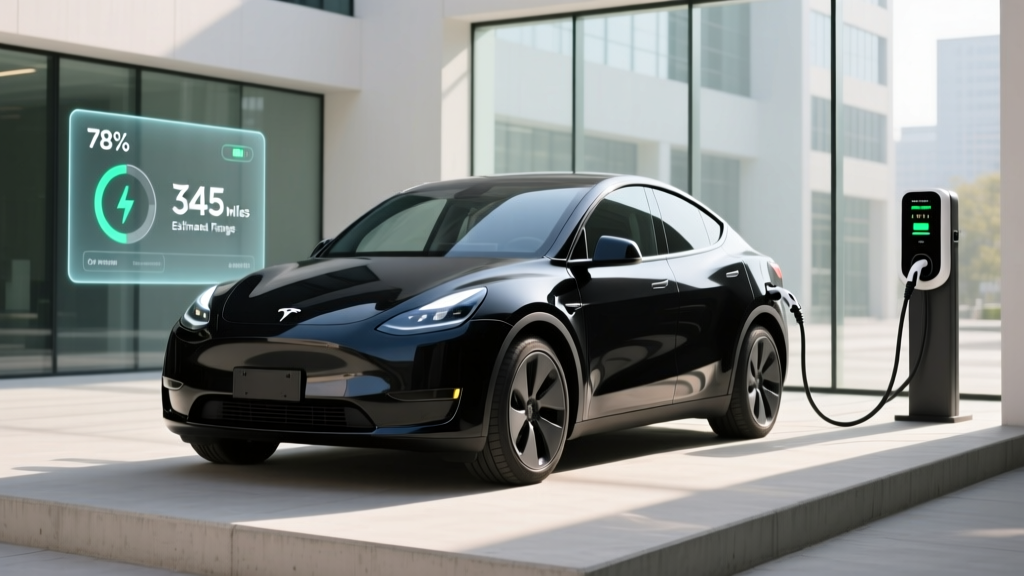
The 2026 Tesla Model Y remains the default electric compact SUV for American buyers who want Supercharger access, strong efficiency, and a usable 320-mile EPA range. Leasing has become the most popular way into one — not because the car is bad, but because the math of Tesla's lease program, federal tax-credit pass-through, and rapid depreciation curves make a monthly payment genuinely competitive with financing. For most households, a Long Range AWD lease at roughly $499–$599/month (depending on down payment and term) undercuts a purchase on a cash-flow basis, while sidestepping the resale-risk question that hangs over every EV right now.
This review covers the 2026 Model Y Long Range and Performance trims — the volume sellers — with honest numbers on range, charging curves, interior space, and the tax-credit mechanics that make leasing specifically attractive this year.
2026 Tesla Model Y Specifications at a Glance
| Spec | Long Range AWD | Performance AWD |
|---|---|---|
| EPA Range | 320 miles | 295 miles |
| Battery (usable) | ~75 kWh, NMC | ~75 kWh, NMC |
| MPGe (combined) | 111 MPGe | 103 MPGe |
| Efficiency | 30 kWh/100 mi | 33 kWh/100 mi |
| 0–60 mph | 4.8 sec | 3.5 sec |
| Horsepower | 384 hp | 456 hp |
| Drivetrain | Dual-motor AWD | Dual-motor AWD |
| Peak DC Fast Charge | 250 kW | 250 kW |
| 10–80% DCFC Time | ~27 min | ~27 min |
| Level 2 Home Rate | 11.5 kW (~44 mi/hr) | 11.5 kW (~44 mi/hr) |
| Cargo (rear seats up) | 30.2 cu ft | 30.2 cu ft |
| Cargo (rear seats folded) | 72.1 cu ft | 72.1 cu ft |
| Rear Legroom | 41.6 in | 41.6 in |
| Battery Warranty | 8 yr / 120,000 mi | 8 yr / 120,000 mi |
| Base MSRP | $48,990 | $53,990 |
Source: fueleconomy.gov, Tesla spec sheet (2026 model year).
Real-World Range vs. the EPA Sticker
The 320-mile EPA figure on the Long Range is honest but optimistic for the driving pattern most lease shoppers actually care about: sustained highway travel. Tesla's heat pump and integrated thermal management are among the best in the segment, so cold-weather loss is less severe than on older EVs, but physics still applies. A 300-mile road trip in January from Chicago to Indianapolis will require a quick Supercharger stop; the same trip in July won't.
For daily commuting under 80 miles round-trip — the use case for roughly 70% of Model Y lessees — the usable range is effectively a non-issue. You charge at home overnight and start every morning with a full pack.
Charging Speed: Supercharger Network and Home Level 2
| Charging Method | Power | Miles Added per Hour |
|---|---|---|
| Level 1 (120V outlet) | ~1.4 kW | ~5 mi/hr |
| Level 2 (240V, 48A Wall Connector) | 11.5 kW | ~44 mi/hr |
| DC Fast (Supercharger V3) | Peak 250 kW | ~1,000 mi/hr (peak) |
| DC Fast (10–80% real) | Avg ~130 kW | ~27 min total |
The 250-kW peak figure is a headline number, not a sustained rate. On a V3 Supercharger, the Model Y Long Range pulls 250 kW briefly between roughly 10–20% state of charge, then tapers progressively — dropping to ~100 kW by 60% and ~50 kW by 80%. That's why the 10–80% time is ~27 minutes rather than the ~15 minutes the peak rate would suggest. This is normal for NMC chemistry and comparable to the Hyundai Ioniq 5 and Ford Mustang Mach-E.
For NACS-equipped 2026 Model Ys, the Supercharger network remains the decisive ownership advantage. As of 2026, Tesla's U.S. network exceeds 6,500 V3/V4 stalls with a reliability rate above 97% per independent audits — far ahead of CCS networks in uptime. If road trips matter to you, this is the single strongest argument for the Model Y over its rivals.
At home on a Tesla Wall Connector (48A, hardwired, 60A circuit), you'll add ~44 miles of range per hour — enough to fully replenish overnight. Installation typically runs $800–$2,000 depending on panel proximity; budget for a possible $1,500–$3,000 panel upgrade if you're on an older 100A service.
Lease Pricing, Tax Credits, and Total Monthly Cost
The 2026 Model Y qualifies for the full $7,500 federal EV tax credit under IRS §30D — but the mechanics matter enormously depending on whether you buy or lease.
| Item | Long Range AWD |
|---|---|
| Base MSRP | $48,990 |
| Destination fee | $1,390 |
| Federal §30D credit (if eligible) | −$7,500 |
| Effective purchase price | $42,880 |
| Typical 36-mo lease, $4,500 due at signing | ~$549/mo |
| Typical 36-mo lease, $2,500 due at signing | ~$619/mo |
How the credit works on a lease: Under §30D, the tax credit legally belongs to the lessor (Tesla's financing arm), not you. In practice, Tesla passes most or all of the $7,500 into the lease as a capitalized-cost reduction, which lowers your monthly payment. This is the main reason leasing can beat purchasing on cash flow — you effectively get the credit regardless of your personal tax liability or income.
- Vehicle MSRP must be ≤ $80,000 for SUVs (Model Y qualifies)
- Buyer AGI: ≤ $150,000 single / $300,000 married filing jointly
- Battery critical minerals and component sourcing thresholds (Tesla currently meets both)
- Point-of-sale transfer available for purchases; lease pass-through handled by lessor
Interior, Cargo, and Family Practicality
The refreshed Model Y interior (post-2025 update) is noticeably quieter and more finished than earlier builds. Ventilated front seats, ambient lighting, and a rear touchscreen for passengers are now standard on Long Range and Performance trims. The minimalist single-screen layout still divides opinion — there are no physical stalks for turn signals in the 2026 model, which remains an adjustment for first-time Tesla drivers.
Cargo space is a genuine strength: 30.2 cubic feet behind the second row beats the Mach-E (29.7 cu ft) and Ioniq 5 (27.2 cu ft), and the flat load floor plus front trunk (frunk, ~4.1 cu ft) makes it practical for strollers, groceries, and road-trip luggage. Rear legroom at 41.6 inches is generous for adults on longer drives.
Towing capacity is rated at 3,500 pounds with the factory hitch — adequate for a small boat or light utility trailer, but not for larger campers.
Driver Assistance: Autopilot and FSD (Supervised)
Standard Autopilot (included) handles adaptive cruise and lane centering competently on highways. The optional FSD (Supervised) at $8,000 or $99/month adds automatic lane changes, traffic-light and stop-sign recognition, and city-street navigation. In 2026 testing, FSD is smoother and less intervention-prone than in prior years, but it still makes errors in construction zones and unprotected left turns. Most lessees are better off skipping FSD at purchase and trialing it on a monthly subscription if curious.
NHTSA continues to monitor Tesla's Autopilot/FSD incident data. Per NHTSA reporting, Tesla's standing order requires crash disclosure for ADAS-equipped vehicles — a transparency standard most legacy automakers now match.
Pros, Cons, and the Lease-vs-Buy Decision
- Supercharger network reliability (97%+ uptime)
- Class-leading cargo volume and efficiency (111 MPGe)
- $7,500 credit passes through cleanly on a lease
- Strong OTA updates — car improves over the lease term
- Low scheduled-maintenance cost vs. ICE SUVs
- High insurance premiums ($1,800–$2,800/yr in most states)
- Turn-signal buttons on the wheel remain controversial
- DCFC speed trails 800V rivals (Ioniq 5, EV6) above 60% SoC
- Resale-value uncertainty makes buying riskier than leasing
- Ride quality firm on 20" wheels; 19" recommended for comfort
Lease if: you want the lowest monthly outlay, plan to keep the car 24–36 months, and don't want to absorb future EV depreciation. Buy if: you drive under 12,000 miles/year, intend to keep the car 5+ years, and can use the $7,500 credit against your tax liability directly at point of sale.
Frequently Asked Questions
What is the real-world range of the 2026 Tesla Model Y?
EPA-rated at 320 miles for the Long Range AWD. Expect ~270–290 miles on highway trips in mild weather, and ~230–260 miles in sub-freezing conditions. City driving with regenerative braking can match or slightly exceed the EPA number.
How fast does the Model Y charge on DC fast chargers and at home?
Peak DC rate is 250 kW on V3 Superchargers, with a real 10–80% session taking about 27 minutes due to taper. At home on a 48A Level 2 Wall Connector, it charges at 11.5 kW (~44 miles of range per hour), fully replenishing overnight.
Does the 2026 Model Y qualify for the federal EV tax credit?
Yes — the Long Range and Performance trims currently qualify for the full $7,500 under §30D, subject to buyer income caps ($150k single / $300k MFJ AGI) and the $80k SUV MSRP ceiling. On a lease, Tesla's financing arm claims the credit and typically passes it through as a cap-cost reduction.
Is it worth leasing vs. buying a Model Y in 2026?
Leasing is usually the better financial move right now: you capture the $7,500 credit regardless of tax liability, avoid EV depreciation risk, and keep monthly payments ~$549–$619 on a 36-month term. Buying makes sense if you plan to keep the car 5+ years and drive under 12,000 miles annually.
How does the Model Y compare to the Hyundai Ioniq 5 and Ford Mustang Mach-E?
The Ioniq 5 charges faster on 800V architecture (10–80% in ~18 min) and offers a more conventional interior with physical controls. The Mach-E provides a more engaging drive and BlueCruise on mapped highways. The Model Y wins on Supercharger network access, cargo volume, and software maturity. See our Model Y vs Ioniq 5 comparison for the full breakdown.
What are the biggest ownership costs beyond the lease payment?
Insurance is the main surprise — $1,800–$2,800/year depending on state and driving record, significantly higher than a comparable RAV4 Hybrid. Home charging electricity runs ~$45–$70/month for 1,000 miles of driving at $0.15/kWh. Tire wear is higher than ICE SUVs due to instant torque and vehicle weight; budget $1,200–$1,600 for a set of four at ~30,000 miles.
Additional sources: IIHS Model Y safety ratings, Tesla owner's manual and warranty documentation.