Quick Verdict: Is Leasing the 2026 Tesla Model Y a Smart Move?
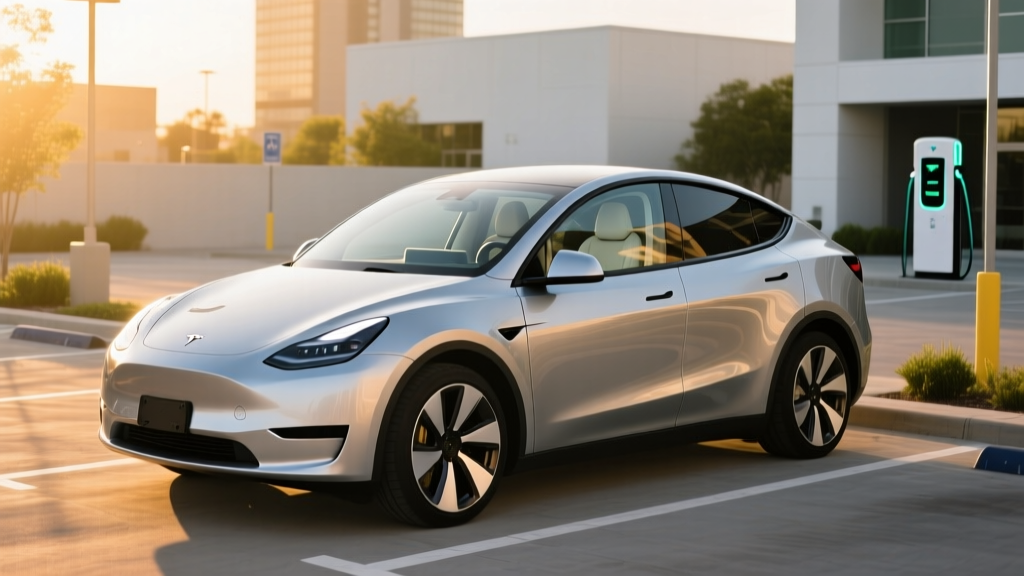
The 2026 Tesla Model Y remains the benchmark electric crossover for buyers who want a proven charging network, strong efficiency, and a practical interior. With lease deals starting around $349 per month (36-month term, $4,500 due at signing) on the Long Range AWD trim, the Model Y undercuts many rivals on monthly cost while delivering EPA-estimated 330 miles of range. But leasing an EV comes with unique math: you don't own the battery, you may not capture the full federal tax credit, and mileage limits can sting on road trips. This review breaks down the real numbers — range, charging, pricing, and tax-credit implications — so you can decide if a Model Y lease fits your budget and driving life.
2026 Tesla Model Y Specs at a Glance
| Spec | RWD (Standard) | Long Range AWD | Performance |
|---|---|---|---|
| EPA Range | 310 mi | 330 mi | 295 mi |
| Battery (usable) | ~60 kWh (LFP) | ~75 kWh (NMC) | ~75 kWh (NMC) |
| Drivetrain | Rear-Wheel Drive | Dual-Motor AWD | Dual-Motor AWD |
| 0-60 mph | 6.6 sec | 4.8 sec | 3.5 sec |
| Horsepower | 295 hp | 384 hp | 456 hp |
| Peak DC Charge Rate | 170 kW | 250 kW | 250 kW |
| 10-80% DC Time | ~30 min | ~25 min | ~25 min |
| Level 2 Home Charge | 11.5 kW (~44 mi/hr) | 11.5 kW (~44 mi/hr) | 11.5 kW (~44 mi/hr) |
| MPGe (combined) | 128 MPGe | 122 MPGe | 111 MPGe |
| Efficiency | 26 kWh/100mi | 28 kWh/100mi | 30 kWh/100mi |
| Cargo (behind 2nd row) | 30.2 cu ft (76.2 cu ft max) | ||
| Base MSRP | $44,990 | $48,990 | $53,990 |
| Battery Warranty | 8 yr / 120,000 mi (70% min retention) | ||
Sources: fueleconomy.gov, Tesla Model Y specs. Figures reflect 2026 model year.
Charging Speed: DC Fast, Level 2, and Home Setup
Tesla's Supercharger network is the Model Y's strongest ownership advantage. Long Range and Performance trims accept up to 250 kW at V3/V4 Superchargers, adding roughly 200 miles in 15 minutes under ideal conditions. However, peak rate is not sustained rate — the charge curve tapers sharply above 60% State of Charge (SoC). A realistic 10-80% session takes about 25 minutes on Long Range/Performance and 30 minutes on the RWD (limited to 170 kW due to LFP chemistry constraints).
| Charging Level | Power (kW) | Miles Added per Hour | Typical Use Case |
|---|---|---|---|
| Level 1 (120V outlet) | ~1.4 kW | ~5 mi/hr | Emergency / overnight trickle |
| Level 2 (240V, 48A Wall Connector) | 11.5 kW | ~44 mi/hr | Daily home charging (full overnight) |
| DC Fast (V3 Supercharger) | Up to 250 kW | ~1,000+ mi/hr (peak) | Road trips, 10-80% in ~25 min |
| DC Fast (CCS adapter, 3rd-party) | Up to 150–250 kW | Varies | Non-Tesla networks (EA, EVgo) |
Home charging cost note: A Tesla Wall Connector costs ~$450, but professional installation on a 60A circuit typically runs $800–$2,000 depending on panel proximity. If your home electrical panel needs upgrading from 100A to 200A, add $1,500–$3,000. Always consult a licensed electrician for final specs.
2026 Tesla Model Y Lease Cost: Monthly Payment Breakdown
Tesla's lease offers fluctuate monthly based on interest rates, residual values, and promotional incentives. As of early 2026, here is the approximate lease landscape for the Model Y:
| Trim | MSRP | Est. Monthly Lease (36 mo) | Due at Signing | Annual Mileage Limit |
|---|---|---|---|---|
| RWD | $44,990 | ~$299–$339 | $3,500–$4,500 | 10,000–12,000 |
| Long Range AWD | $48,990 | ~$349–$399 | $4,500–$5,500 | 10,000–12,000 |
| Performance | $53,990 | ~$429–$479 | $5,000–$6,000 | 10,000–12,000 |
The tax-credit leasing advantage: Under IRS §30D rules, the federal $7,500 EV tax credit can be transferred to the dealer at point of sale on a purchase, reducing the effective price. On a lease, the credit technically goes to the lessor (Tesla), but Tesla has historically passed this through as a capitalized-cost reduction, effectively lowering your monthly payment. This is a key reason a Model Y lease can be cheaper month-to-month than financing — you benefit from the credit without worrying about personal income caps ($150K single / $300K joint for purchases) or battery-sourcing requirements that may affect purchase eligibility.
- MSRP cap: $80,000 for SUVs (Model Y qualifies)
- Buyer AGI limits: $150K single, $225K head-of-household, $300K joint
- Battery critical-mineral and component sourcing requirements apply
- Credit can be transferred to dealer at point of sale (purchase only)
- On leases: credit goes to lessor; confirm pass-through with Tesla at signing
Interior, Cargo, and Daily Practicality
The Model Y's cabin is minimalist — a 15.4-inch center touchscreen controls nearly everything, including climate vents and glovebox release. There is no traditional instrument cluster; all data lives on the screen. This appeals to tech-forward buyers but frustrates those who want physical buttons for volume or temperature.
Space: Behind the second row, you get 30.2 cubic feet of cargo room, expanding to 76.2 cu ft with seats folded. A small front trunk (frunk) adds ~4.1 cu ft for charging cables or a backpack. Rear legroom measures 41.6 inches, adequate for adults on longer trips, though the sloping roofline cuts into headroom for passengers over 6 feet tall.
Tech highlights:
- Autopilot (SAE Level 2 driver assist) included standard — adaptive cruise + lane centering
- Full Self-Driving (Supervised) available as a $8,000 add-on or $99/mo subscription — still Level 2, requires active driver supervision
- Over-the-air updates continuously add features
- Sentry Mode dashcam recording, Dog Mode climate control for pets
- Native route planning with Supercharger preconditioning
Pros and Cons: The Honest Take
- Access to Tesla Supercharger network — the most reliable DC fast-charging ecosystem in the US
- Class-leading efficiency (122–128 MPGe combined)
- Strong real-world range (280–300 mi highway on Long Range)
- Minimalist interior with continuous OTA improvements
- Lease payments offset by tax-credit pass-through
- Excellent cargo versatility with hatchback + frunk
- No physical buttons — screen-dependent controls annoy some drivers
- Ride quality firm on 20-inch wheels; road noise noticeable at highway speed
- Lease mileage limits (10K–12K/yr) penalize road-trip-heavy owners
- You don't own the battery at lease end — no long-term equity
- FSD is expensive and still Level 2, not autonomous
- Insurance costs run 15–30% higher than comparable ICE crossovers
Model Y vs. Key Competitors: Is It Still the Best Lease?
The Model Y faces strong competition in 2026. The Hyundai Ioniq 5 offers comparable range (310 mi EPA) and faster 800V charging (10-80% in ~18 min at 350 kW), but its public charging network (Electrify America) is less reliable than Tesla's. The Ford Mustang Mach-E provides a more traditional interior with physical controls but trails on efficiency. The BMW iX is more luxurious but starts above $70K, exceeding the SUV MSRP cap for the tax credit.
Choose the Model Y lease if: You value charging-network reliability, strong efficiency, and Tesla's software ecosystem. You drive under 12,000 miles per year and want low monthly payments with tax-credit benefits passed through.
Consider a competitor if: You want faster peak charging (Ioniq 5), a more conventional interior layout (Mach-E), or you exceed 15,000 miles per year (purchase may be more economical than a lease with overage penalties of $0.20–$0.25/mile).
Who Should Lease the 2026 Tesla Model Y?
The Model Y lease is ideal for:
- Commuters driving 20–60 miles round-trip who can charge at home overnight and rarely need DC fast charging
- Tech-forward families who want OTA updates, Supercharger road-trip routing, and hatchback cargo flexibility
- Buyers near the income cap for §30D — leasing sidesteps personal AGI limits since the credit goes to the lessor
- Drivers who upgrade every 3 years and want to avoid battery-degradation risk or resale-value uncertainty
It's less ideal for high-mileage drivers (over 15K miles/year), those who want to build long-term equity, or buyers who prefer physical controls and a traditional dealership experience.
Frequently Asked Questions
What is the real-world range of the 2026 Tesla Model Y?
The Long Range AWD achieves an EPA-estimated 330 miles, but real-world highway driving at 70–80 mph typically yields 280–300 miles. In cold weather (below 30°F), expect a 20–30% reduction, bringing range down to roughly 230–260 miles. The RWD trim with its LFP battery is more cold-sensitive, losing up to 30% in freezing conditions.
How fast does the Model Y charge at home and on the road?
At home on a Level 2 Tesla Wall Connector (11.5 kW, 48A), the Model Y adds about 44 miles of range per hour — a full overnight charge from 20% to 100% takes roughly 7–8 hours. On a V3 Supercharger, the Long Range/Performance trims peak at 250 kW and charge from 10-80% in approximately 25 minutes. The RWD trim peaks at 170 kW, taking about 30 minutes for 10-80%.
How much does a 2026 Model Y cost after tax credits?
On a purchase, the Long Range AWD ($48,990 MSRP) could drop to roughly $41,490 after the $7,500 federal credit, if you meet income caps and battery-sourcing requirements. On a lease, Tesla typically applies the credit as a cap-cost reduction, lowering monthly payments by roughly $100–$150/month over a 36-month term. Confirm the exact pass-through at signing, as it varies by promotion.
Does the 2026 Model Y qualify for the federal EV tax credit?
Yes, the Model Y qualifies for up to $7,500 under §30D for purchases, provided the buyer meets AGI limits ($150K single / $300K joint), the MSRP is under $80,000 (it is), and battery-sourcing requirements are met. On a lease, the credit goes to Tesla as lessor but is typically passed through as a cap-cost reduction — verify this in your lease agreement.
Is leasing better than buying the Model Y?
Leasing is better if you drive under 12,000 miles/year, want lower monthly payments, prefer upgrading every 3 years, and want to avoid battery-degradation risk. Buying is better if you drive high mileage, want to build equity, plan to keep the vehicle 5+ years, or want to claim the tax credit directly. Lease overage penalties ($0.20–$0.25/mile) can erase savings if you exceed limits.
What are the biggest drawbacks of the Model Y?
The screen-only interface frustrates some drivers. Ride quality is firm, especially on 20-inch wheels. Road noise is noticeable at highway speeds. Lease mileage limits restrict road-trip-heavy owners. Insurance premiums run higher than average. FSD, at $8,000 or $99/month, remains a Level 2 driver-assist system — not autonomous driving.