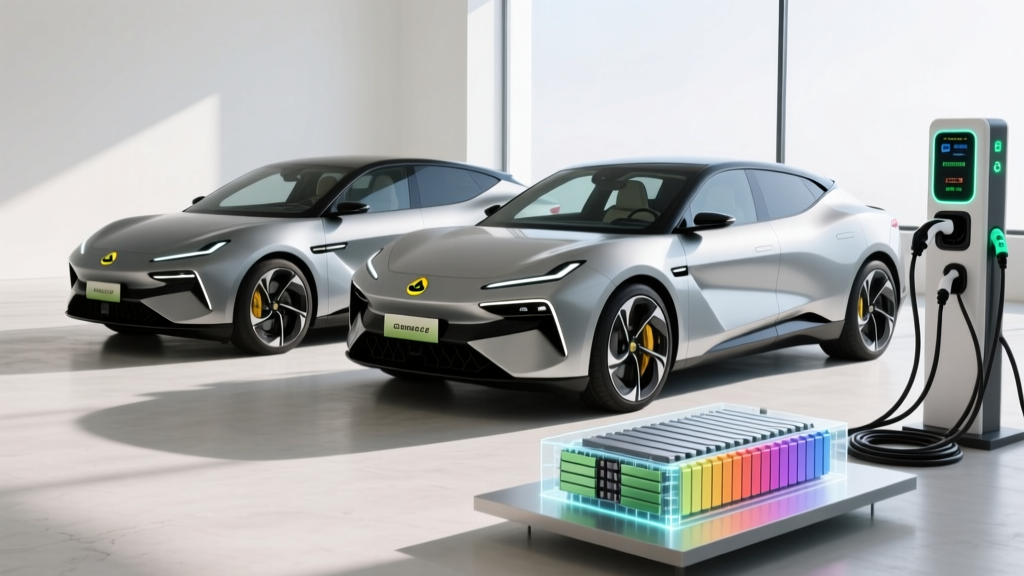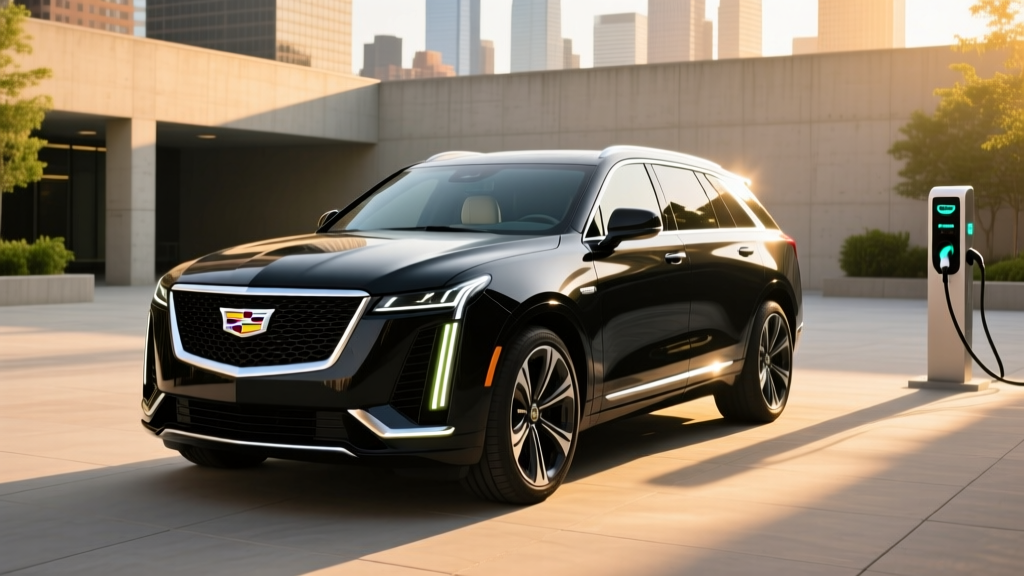
Bottom Line: The 2026 Cadillac Escalade IQ (Cadillac's EV replacement for the gas Escalade) delivers an EPA-estimated 460 miles of range from a massive ~200 kWh Ultium battery, peaks at roughly 200 kW on DC fast chargers (10–80% in ~35 minutes), and starts around $130,000 before incentives. It's a luxury flagship with genuine long-distance capability, but its weight, size, and price place it in a narrow ownership niche. If you have home Level 2 charging, a garage that fits a full-size SUV, and prioritize silent torque over traditional V8 rumble, it delivers. If you regularly tow heavy loads in freezing weather or lack reliable charging access, the gas Escalade or a plug-in hybrid alternative may serve you better.
What the 2026 Escalade IQ Actually Offers
Cadillac rebranded its electric Escalade as the Escalade IQ, built on GM's BT1 electric truck platform (shared with the Silverado EV and Sierra EV). This isn't a converted gas SUV — it's a ground-up electric luxury hauler with up to 750 horsepower, air suspension, and a flat floor enabled by the Ultium battery pack.
| Spec | Escalade IQ (AWD Luxury) | Escalade IQ (Sport) |
|---|---|---|
| EPA Range | ~460 miles | ~440 miles |
| Battery (usable) | ~200 kWh (NMC Ultium) | ~200 kWh (NMC Ultium) |
| Peak DC Fast Charge | ~200 kW | ~200 kW |
| 10–80% DC Charge Time | ~35 minutes | ~35 minutes |
| Level 2 Charge Rate | 19.2 kW (AC) | 19.2 kW (AC) |
| Horsepower | ~680 hp | ~750 hp |
| 0–60 mph | ~4.5 sec | ~3.8 sec |
| Towing Capacity | ~8,000 lbs (est.) | ~8,000 lbs (est.) |
| Base MSRP | ~$129,990 | ~$149,990 |
| Battery/Powertrain Warranty | 8 yr / 100,000 mi | 8 yr / 100,000 mi |
Real-World Range Reality: The 460-mile EPA figure assumes moderate temperatures, mixed driving, and no heavy towing. Expect ~370–400 miles on highway road trips at 75 mph, and ~280–320 miles when towing a 5,000+ lb trailer. In sub-freezing weather (below 32°F), battery chemistry and cabin heating can reduce range by 20–30%, dropping real-world figures to roughly 320–370 miles for daily driving. The Escalade IQ's heat pump helps mitigate this, but physics still applies to a vehicle this large.
Escalade EV vs. Gas Escalade: Cost & Capability Compared
The gas-powered 2026 Cadillac Escalade with the 6.2L V8 and 10-speed automatic remains in the lineup alongside the IQ. Here's how they stack up for a buyer cross-shopping both:
| Metric | Escalade IQ (EV) | Gas Escalade (6.2L V8) |
|---|---|---|
| Base MSRP | ~$129,990 | ~$83,895 |
| Fuel/Energy Cost per Mile | ~$0.04–$0.06 (home L2) | ~$0.18–$0.22 (premium gas) |
| EPA Efficiency | ~89 MPGe combined | ~16 MPG combined |
| Annual "Fuel" Cost (15k mi) | ~$600–$900 | ~$2,700–$3,300 |
| Maintenance (5-yr est.) | ~$1,200 | ~$3,500+ |
| Range / Tank | ~460 mi (EPA) | ~440 mi (24-gal tank) |
| Refuel/Recharge Time | ~35 min (10–80% DC) | ~5 min (gas station) |
| Towing | ~8,000 lbs (range drops ~40%) | ~8,200 lbs |
| Federal Tax Credit (§30D) | Up to $7,500 (if eligible) | $0 |
The EV carries a roughly $46,000 price premium at the base trim. Even with annual fuel savings of ~$2,200 and maintenance savings of ~$460, payback on the purchase price alone stretches beyond 15 years without factoring in depreciation differences, insurance, or the $7,500 federal credit. The Escalade IQ is not a cost-saving play — it's a luxury and technology statement.
Charging the Escalade IQ: Home, Public, and What You'll Actually Spend
A ~200 kWh battery is enormous. Charging it requires planning, especially if you rely on public infrastructure or have limited home electrical capacity.
| Level | Power | Miles Added/Hour | Full Charge Time (0–100%) | Typical Cost |
|---|---|---|---|---|
| Level 1 (120V outlet) | ~1.4 kW | ~3 mi/hr | ~140+ hours | $0.13–$0.18/kWh |
| Level 2 (240V, 48A) | ~11.5 kW | ~28 mi/hr | ~18 hours | $0.10–$0.18/kWh |
| Level 2 (240V, 80A) | ~19.2 kW | ~47 mi/hr | ~11 hours | $0.10–$0.18/kWh |
| DC Fast (200 kW peak) | 200 kW | ~480 mi/hr (peak) | 10–80% in ~35 min | $0.30–$0.55/kWh |
Home charging is essential for Escalade IQ ownership. Level 1 (standard outlet) is effectively useless for a 200 kWh pack — you'd gain only 3 miles of range per hour. A Level 2 home charger at 19.2 kW (requiring a 100-amp dedicated circuit) adds roughly 47 miles per hour of charging, meaning an overnight session (10 hours) restores about 470 miles — more than enough for most daily needs.
Expect to pay $2,500–$5,000 for a professional Level 2 home installation, including the charger ($600–$1,200 for a hardwired 80A unit), electrical panel assessment, wiring, conduit, permits, and electrician labor. Homes with older 100-amp electrical panels may need a $2,000–$4,000 panel upgrade to 200 amps to support an 80A EV circuit.
On public DC fast chargers (Electrify America, EVgo, Tesla Superchargers with NACS adapter), a 10–80% session costs roughly $60–$110 depending on local per-kWh pricing. The charge curve tapers significantly above 80% SoC — charging from 80–100% can take nearly as long as 10–80% due to cell-balancing and thermal management. Plan to charge to 80% on road trips and move on.
Tax Credits, Incentives, and True Purchase Cost
The Escalade IQ is assembled in the U.S. (Factory ZERO, Detroit-Hamtramck), which helps with §30D federal tax credit eligibility — but several hurdles remain:
- MSRP Cap: SUVs must be under $80,000 MSRP for §30D. The Escalade IQ starts at ~$129,990 — it exceeds the cap and does NOT qualify for the $7,500 federal credit.
- Buyer Income Cap: AGI limits ($300k joint / $150k single) — moot if the vehicle itself is ineligible.
- Battery Sourcing: Critical mineral and battery component requirements phase in annually through 2029. Even if the price cap didn't disqualify it, sourcing rules could reduce the credit further.
- State Incentives: Some states (California, Colorado, New York) offer separate rebates that may apply regardless of MSRP caps. Check your state incentive database for current programs.
Because the Escalade IQ's MSRP far exceeds the $80,000 SUV cap, buyers should plan for the full purchase price without assuming federal credit offsets. Lease structures may route a commercial credit (§45W) through the dealer, potentially reducing monthly payments — consult your tax professional and dealer for current structuring options.
Real-World Ownership: Who Should (and Shouldn't) Buy
The Escalade IQ excels for a specific buyer profile and falls short for others. Here's a practical decision framework:
Choose the Escalade IQ if:
- You have Level 2 home charging (or can install it)
- Daily driving is under 200 miles with occasional 400+ mile road trips
- You value silent, instant torque and a flat, spacious cabin floor
- You want cutting-edge tech (55-inch dashboard display, Super Cruise hands-free driving on mapped highways)
- You rarely tow more than 5,000 lbs
- Your garage can accommodate a 213-inch-long, 7,500+ lb vehicle
Stick with the Gas Escalade (or wait) if:
- You regularly tow 7,000+ lbs (EV range drops ~40% under heavy tow loads)
- You live in an apartment or lack home charging access
- You frequently drive in extreme cold (below 10°F) with long distances between chargers
- You need 5-minute refueling for back-to-back long trips
- Budget is under $100,000 and you need a full-size luxury SUV now
Insurance costs for the Escalade IQ are projected at $3,500–$5,000/year depending on your driving record, location, and coverage levels — roughly 15–25% higher than the gas Escalade due to the higher repair costs associated with EV battery packs and advanced sensor suites. Get quotes before committing.
Maintenance is genuinely lower: no oil changes, no transmission fluid, fewer brake replacements (regenerative braking extends pad life to 100,000+ miles in many cases). Budget roughly $200–$300/year for cabin air filters, tire rotations, and wiper fluid. Tires, however, wear faster on heavy EVs — expect replacement every 25,000–35,000 miles at $1,500–$2,500 for a set of 275/50R22 all-seasons.
Common Escalade EV Misconceptions, Corrected
| Myth | Fact |
|---|---|
| "The battery will need replacement in 5 years" | GM's Ultium NMC batteries carry an 8-year/100,000-mile warranty against degradation below 60% capacity. Real-world data from GM EVs suggests ~10–15% degradation at 150,000 miles with normal use. |
| "You can't tow with an EV" | The IQ is rated for ~8,000 lbs. However, towing at max capacity in hot or cold weather will cut range by 35–45%. Plan charging stops accordingly. |
| "It qualifies for the $7,500 tax credit" | At ~$130,000 MSRP, it exceeds the §30D SUV cap of $80,000. IRS rules are clear on this point. |
| "DC fast charging damages the battery" | Modern thermal management systems protect against heat damage. Occasional DC fast charging has minimal impact on long-term State of Health. Daily home Level 2 charging is ideal, but road-trip DC sessions are fine. |
| "Super Cruise means it drives itself" | Super Cruise is SAE Level 2 — a driver-assistance system. You must remain attentive, keep eyes on the road (monitored by infrared camera), and be ready to take over immediately. It is not self-driving. |
Escalade IQ vs. Competitors: Rivian R1S, Tesla Model X, and Mercedes EQS SUV
The luxury electric three-row SUV segment has options, though none match the Escalade IQ's sheer size:
| Metric | Cadillac Escalade IQ | Rivian R1S (Dual Max) | Tesla Model X (LR) | Mercedes EQS 580 SUV |
|---|---|---|---|---|
| EPA Range | ~460 mi | ~410 mi | ~348 mi | ~305 mi |
| Battery | ~200 kWh NMC | ~149 kWh NMC | ~100 kWh | ~108.4 kWh NMC |
| Seating | 7–8 passengers | 7 passengers | 5–7 passengers | 5–7 passengers |
| 0–60 mph | ~3.8–4.5 sec | ~3.5 sec | ~3.8 sec | ~4.4 sec |
| Base MSRP | ~$129,990 | ~$99,900 | ~$81,630 | ~$105,550 |
| Max DC Charge | ~200 kW | ~220 kW | ~250 kW | ~200 kW |
| Towing | ~8,000 lbs | 7,700 lbs | 5,000 lbs | Not rated (est. 3,500) |
The Escalade IQ leads in range and interior volume but trails the Tesla Model X on charging speed and the Rivian R1S on price-to-capability ratio. If third-row space and cargo volume are paramount, the IQ is the segment leader. If you want a more agile, off-road-capable EV SUV at a lower price, the R1S deserves a serious look.
Final Ownership Checklist Before You Order
Before placing a reservation or signing a purchase agreement, verify the following:
- Electrical panel capacity: Have a licensed electrician confirm your panel can support a 60A or 80A dedicated circuit for Level 2 charging.
- Garage dimensions: The IQ is ~213 inches long and ~81 inches wide (excluding mirrors). Measure your garage depth and door width.
- Insurance quotes: Get binding estimates from at least two carriers before committing.
- Charging network coverage: Map your most common road trips on the fueleconomy.gov trip calculator or PlugShare to confirm DC fast charger availability along your routes.
- State incentives: Check the Alternative Fuels Data Center for your state's current EV rebates, which may partially offset the purchase price.
- Delivery timeline: Cadillac allocates production by dealer; confirm your estimated delivery window in writing.
Does the 2026 Escalade IQ qualify for the $7,500 federal EV tax credit?
No. Under current IRS §30D rules, SUVs must have an MSRP at or below $80,000 to qualify. The Escalade IQ starts around $129,990, making it ineligible. Some buyers may benefit from lease structures that pass through commercial credits, but consult a tax professional.
How long does it take to fully charge the Escalade IQ at home?
On a 19.2 kW Level 2 home charger (80A circuit), a full 0–100% charge takes approximately 11 hours. In practice, most owners charge from 20–80% daily, which takes about 6–7 hours overnight — easily accomplished while you sleep.
What's the real highway range at 75 mph?
Expect roughly 370–400 miles at steady highway speeds in moderate temperatures (60–80°F). Add headwinds, elevation changes, or cold weather, and plan for 320–370 miles between charging stops.
Can I use Tesla Superchargers with the Escalade IQ?
The Escalade IQ uses the NACS (North American Charging Standard) connector natively, meaning it can access Tesla Supercharger stations that support non-Tesla vehicles via GM's access agreement. Confirm station compatibility via the myCadillac app or in-dash navigation before relying on it for a trip.
How does cold weather affect the Escalade IQ's range?
In temperatures below 32°F, expect a 20–30% range reduction due to battery chemistry limitations and cabin heating demand. At 10°F, a 460-mile EPA rating may deliver 320–370 real-world miles. Preconditioning the battery while plugged in (via the app) helps mitigate this loss and improves DC fast charging speeds in cold weather.