The Tesla Edge: Why Model Y Still Sets the Benchmark
Despite a flood of credible rivals — Hyundai Ioniq 5, Ford Mustang Mach-E, Kia EV6 — Tesla's ecosystem and engineering efficiencies continue to define what mainstream EV buyers expect. The 2026 Tesla Model Y Long Range AWD remains the best lens for examining Tesla competitive advantages in practice: energy efficiency, charging infrastructure, software iteration, and total cost of ownership. This review dissects the numbers that matter and the real-world trade-offs that spec sheets hide.
EPA estimated range: 320 miles (Long Range AWD). Expect 270–290 miles on sustained 75 mph highway driving, and 220–245 miles in sub-freezing winter conditions with cabin heating. The heat pump helps, but cold-soak still costs 15–25% of usable capacity.
Spec Snapshot: 2026 Tesla Model Y Long Range AWD
| Attribute | Value |
|---|---|
| EPA Range | 320 miles |
| Battery (usable) | ~75 kWh, NMC chemistry |
| Drivetrain | Dual-motor AWD |
| Horsepower | 384 hp (combined) |
| 0–60 mph | 4.8 seconds |
| Peak DC Fast Charge | 250 kW |
| 10–80% DC Time | ~25 minutes |
| Level 2 Home Charge | 11.5 kW (~44 mi/hr) |
| MPGe (combined) | 122 MPGe |
| Efficiency | 28 kWh/100 mi |
| Cargo (rear seats up) | 30.2 cu ft |
| Cargo (seats folded) | 72.1 cu ft |
| Rear Legroom | 41.6 inches |
| Battery Warranty | 8 years / 120,000 miles |
| Base MSRP | $44,990 |
Source: EPA / fueleconomy.gov and Tesla Model Y specs.
Charging Speed and Infrastructure: The Supercharger Moat
| Level | Power | Miles Added per Hour | Typical Use |
|---|---|---|---|
| Level 1 (120V) | ~1.4 kW | ~5 mi/hr | Emergency / trickle |
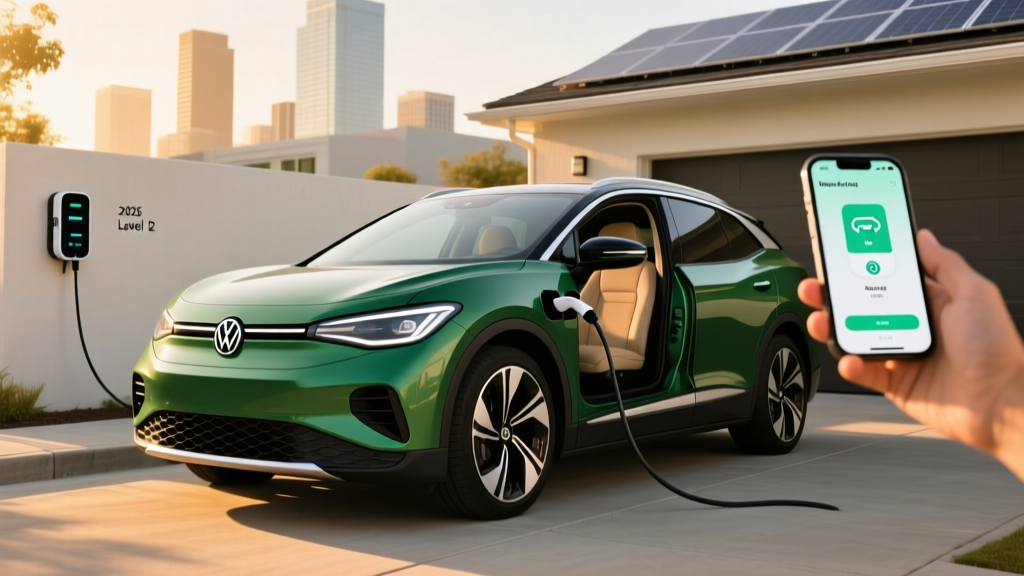
| Level 2 (240V, 48A) | 11.5 kW | ~44 mi/hr | Home overnight |
| DC Fast (V3 Supercharger) | 250 kW peak | ~1,000 mi/hr (peak) | Road trips |
| DC Fast (V4 Supercharger) | Up to 350 kW* | Faster above 50% SoC | Newer corridors |
*V4 availability is corridor-dependent; Model Y currently caps around 250 kW on most V3 stalls, but benefits from V4's sustained curve at higher states of charge.
The Supercharger network — now over 6,000 U.S. stations and expanding — remains Tesla's most defensible competitive advantage. While Ford, Rivian, and GM EVs have gained NACS access to Superchargers, Tesla owners still enjoy native plug-and-charge reliability, automatic billing, and integrated route preconditioning that warms the battery for optimal charge curves. On a 250 kW V3 stall, the Model Y sustains roughly 150–180 kW through the 30–60% SoC window before tapering to ~60 kW above 85%. That taper is why the 10–80% figure (~25 min) matters more than peak kW claims.
Efficiency: The Quiet Engineering Win
At 122 MPGe combined (28 kWh/100 mi), the Model Y Long Range AWD is among the most efficient midsize electric SUVs on the market. For comparison, the Hyundai Ioniq 5 AWD sits at 110 MPGe, and the Ford Mach-E Extended Range AWD at 101 MPGe. That efficiency gap translates directly to charging cost and time: fewer kWh consumed per mile means cheaper home charging and shorter DC fast-charge sessions.
Tesla's advantage here is system-level — integrated heat pump, SiC inverters, low-drag aero (0.23 Cd), and aggressive regenerative braking calibration. In mild climates (50–80°F), owners routinely beat the EPA sticker in city driving, where regen recovers energy that friction brakes would waste.
Tax Credit, Pricing, and True Cost
| Item | Amount |
|---|---|
| Base MSRP (Long Range AWD) | $44,990 |
| Performance trim MSRP | $48,990 |
| Federal §30D Credit (if eligible) | Up to $7,500 |
| Effective price (with full credit) | ~$37,490 |
| Destination fee | $1,390 |
The IRS §30D clean vehicle credit is not automatic. Eligibility requires:
- Buyer AGI under $150K single / $300K joint filers
- Vehicle MSRP under $80,000 (SUVs like Model Y qualify)
- Battery components and critical minerals must meet North American sourcing thresholds — these thresholds tighten annually through 2029
- Point-of-sale transfer available at participating dealers
Tesla's U.S. Fremont and Austin production gives it a sourcing edge over Korea-built competitors, but the critical-minerals requirement is the moving target. Always verify eligibility on the IRS credit list and with a tax professional before purchase.
Software, Autopilot, and the FSD Question
Tesla Autopilot and Full Self-Driving (Supervised) are Level 2 driver-assist systems. The driver must remain attentive, hands on wheel (or torque-monitored), and ready to intervene at any moment. This is not autonomous driving — Level 4 robotaxi service (Waymo, Zoox) operates without a driver in geofenced areas only.
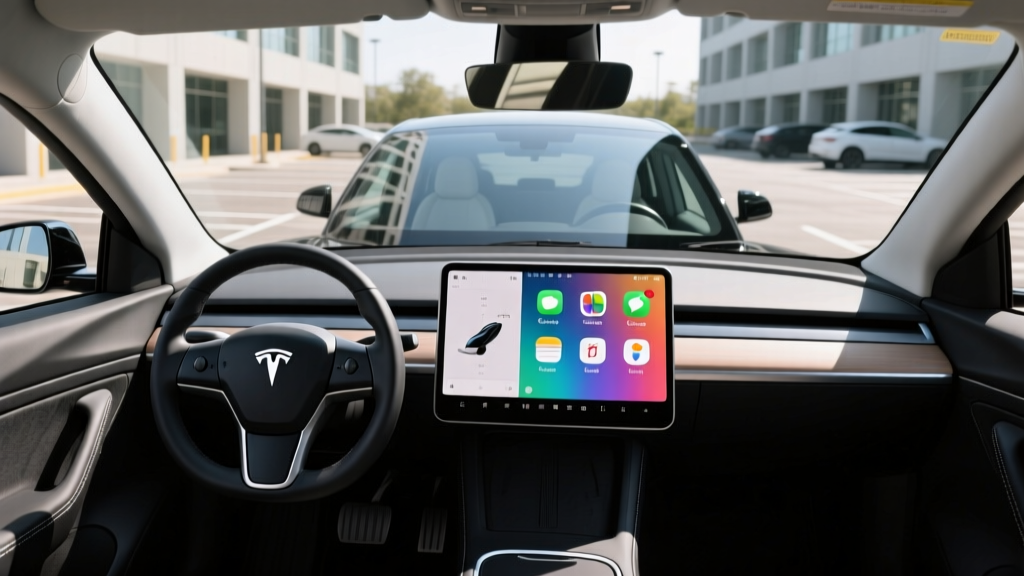
Tesla's software stack is a competitive advantage and a controversy simultaneously. Over-the-air updates add features (adaptive high beams, improved regen profiles, UI refinements) without dealer visits. The 15.4-inch center touchscreen handles everything — no physical buttons, which some buyers love and others find distracting.
FSD (Supervised), currently an $8,000 option or $99/month subscription, handles highway lane changes, traffic-light recognition, and city-street navigation. Real-world performance varies dramatically by geography: well-marked suburban arterials in Phoenix perform far better than construction zones in Boston. Treat it as an advanced cruise-control layer, not a chauffeur.
Pros and Cons: Ownership Truths
Pros
- Class-leading efficiency (122 MPGe combined)
- Supercharger network reliability and integration
- Strong cargo versatility (72.1 cu ft + front trunk)
- OTA software updates add value over time
- Low operating cost: ~$0.04–0.06/mi on home charging
- 8-yr / 120,000-mi battery warranty
Cons
- Minimalist interior lacks physical controls
- Ride quality firm on 20-inch wheels
- FSD (Supervised) is expensive and inconsistent
- Service center wait times in high-volume markets
- No Apple CarPlay / Android Auto integration
- Insurance premiums 15–30% above segment average
Who Should Buy the Model Y — And Who Shouldn't
Buy it if: You want a do-it-all family EV with the lowest road-trip friction (Supercharger access), top-tier efficiency, and strong resale value. Commuters covering 40–80 miles daily with home Level 2 access will rarely visit a charger and benefit most from the low per-mile energy cost.
Look elsewhere if: You prioritize plush ride quality (Genesis Electrified GV70), need 3-row seating (Kia EV9), want CarPlay (Hyundai Ioniq 5), or live in a region with limited Tesla service infrastructure. Towing maxes at 3,500 lbs — adequate for a small trailer, not a boat.
Frequently Asked Questions
What is the real-world range of the 2026 Tesla Model Y?
EPA rates it at 320 miles. Real-world highway driving at 75 mph yields roughly 270–290 miles; cold-weather (below 32°F) drops that to 220–245 miles depending on cabin heating load and trip length.
How fast does the Model Y charge at home and on the road?
On a 240V / 48A Level 2 home charger, expect ~44 miles of range per hour — a full overnight session covers most daily needs. On a 250 kW V3 Supercharger, 10–80% takes about 25 minutes, with the charge curve tapering noticeably above 80% SoC.
Does the Model Y qualify for the federal EV tax credit?
It can, but eligibility depends on buyer income (under $300K joint AGI), the MSRP cap ($80K for SUVs), and battery sourcing rules under IRS §30D. Verify current-year eligibility before purchase — thresholds shift annually.
Is the Model Y worth buying versus the Hyundai Ioniq 5 or Ford Mach-E?
The Ioniq 5 charges faster on 800V architecture (~18 min 10–80%) and offers CarPlay. The Mach-E has a more conventional interior. But Tesla's efficiency, Supercharger seamlessness, and software updates keep the Model Y ahead on total ownership experience for most buyers.
What are the biggest drawbacks of owning a Tesla?
Service center capacity in dense markets, the absence of CarPlay, firm ride on larger wheels, and FSD's high price relative to its current capability. Insurance is also notably higher than rivals — get quotes before committing.