Quick Verdict: The Tesla SUV Third Row Dilemma
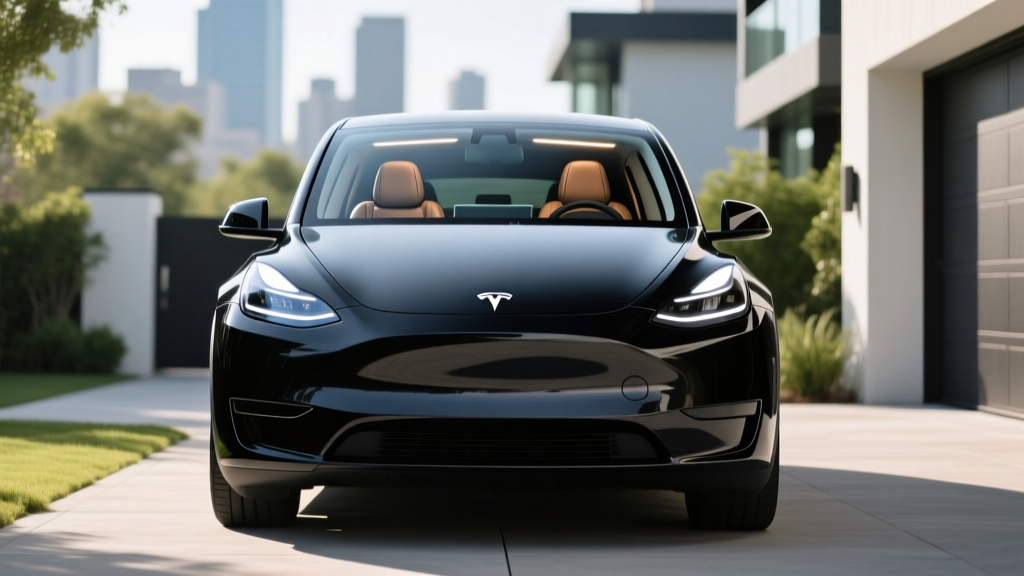
If you've been searching for a Tesla SUV third row, your only option is the Tesla Model Y with its optional 7-seat configuration. On paper, it checks a box that no other Tesla currently fills: seating for seven in a battery-electric crossover at a sub-$55,000 price point. But after spending time with the 7-seat Model Y Long Range AWD, the reality is more nuanced. The third row is best suited for children or very short trips, cargo space shrinks dramatically when all seats are in use, and the second-row compromise affects daily comfort for adults.
This doesn't make the Model Y 7-seat a bad vehicle — it makes it a very specific tool. If your third-row needs are occasional (school carpools, short neighborhood hops with kids), it's a compelling package with outstanding efficiency and access to Tesla's Supercharger network. If you regularly carry teenagers or adults in the back, or need serious cargo volume with seven passengers, you'll want to look at larger alternatives.
2026 Tesla Model Y 7-Seat: Full Specification Breakdown
| Spec | Model Y Long Range AWD (7-Seat) |
|---|---|
| EPA Range | 311 miles |
| Battery (usable) | ~75 kWh, NMC chemistry |
| Drivetrain | Dual-motor AWD |
| Horsepower | 384 hp combined |
| 0–60 mph | 4.8 seconds |
| Max DC Fast Charge | 250 kW (peak) |
| 10–80% DC Time | ~27 minutes |
| Level 2 Charge Rate | 11.5 kW (~44 mi/hr) |
| MPGe (combined) | 117 MPGe |
| Efficiency | 28 kWh/100 mi |
| Cargo (behind 3rd row) | 12.8 cu ft |
| Cargo (3rd row folded) | 30.2 cu ft |
| Cargo (all rear rows folded) | 72.1 cu ft |
| 3rd-Row Legroom | 26.5 inches |
| 2nd-Row Legroom | 38.4 inches |
| Front Legroom | 41.8 inches |
| Battery Warranty | 8 yr / 120,000 mi (70% min retention) |
| Base MSRP (7-seat) | $50,490 (incl. $2,500 7-seat option) |
Source: EPA fueleconomy.gov and Tesla's official specification pages. Specs reflect the 2025 refresh model year carried into 2026.
Range, Efficiency, and the Real-World Reality Check
Real-World Expectation: 260–285 miles on mixed highway driving at 70–75 mph; approximately 220–250 miles in freezing temperatures (below 32°F) with cabin heat active. City driving with regen braking can push closer to the 300-mile mark.
The Model Y Long Range AWD achieves its 311-mile EPA rating thanks to Tesla's industry-leading efficiency — 28 kWh per 100 miles is remarkably low for a dual-motor AWD crossover. This efficiency advantage comes from a combination of low drag coefficient (0.23 Cd), aggressive regenerative braking, and a sophisticated heat pump that scavenges waste heat from the battery and drive motors.
However, the 7-seat configuration adds roughly 80 pounds and marginally increases rolling resistance from standard tire fitment changes. In practice, expect a 5–10 mile reduction versus the 5-seat variant under identical conditions. The bigger range killers remain the same: sustained highway speeds above 75 mph (where aerodynamic drag dominates), sub-freezing temperatures (which reduce battery chemistry efficiency and increase cabin heating load), and elevation gains on mountain passes.
For a family hauling scenario — say, a loaded cabin with seven passengers, roof box, and highway speeds — plan for roughly 230–250 miles of usable range before needing a charge stop. That's enough for most daily routines but requires planning on road trips longer than 200 miles one-way.
Charging Speed: Supercharger Access Is the Real Advantage
Tesla's charging ecosystem remains its strongest competitive moat, and the Model Y takes full advantage. Here's what the numbers look like across charging scenarios:
| Charging Level | Power | Miles Added per Hour | Typical Use Case |
|---|---|---|---|
| Level 1 (120V) | ~1.4 kW | ~4–5 mi/hr | Emergency/trickle only |
| Level 2 (240V, 48A) | 11.5 kW | ~44 mi/hr | Home overnight charging |
| DC Fast (V3 Supercharger) | 250 kW peak | ~1,000+ mi/hr at peak | Road trips; 10–80% in ~27 min |
| DC Fast (V4 Supercharger) | 250 kW (current limit) | Similar to V3 for this vehicle | Newer stations with cable management |
Charging curve reality: The Model Y Long Range peaks at 250 kW only between roughly 10–30% state of charge (SoC). From 30–60%, it sustains approximately 150–180 kW. Above 80%, charging slows dramatically to protect the NMC battery — expect 50 kW or less, which is why Tesla's navigation system recommends charging to 80% on road trips rather than 100%. A typical 10–80% session at a V3 Supercharger takes approximately 27 minutes.
For home Level 2 charging, you'll need a 60-amp circuit to deliver the full 48 amps to the vehicle. A Wall Connector installed on a proper circuit will replenish roughly 350 miles overnight (10 hours) — more than enough for any daily routine. Installation costs typically run $500–$1,500 depending on your panel's proximity to the garage and whether a panel upgrade is needed.
The Third Row: Dimensions, Comfort, and Honest Limitations
Let's address the core question directly: the Model Y's third row is a kids-only zone for anything beyond a 15-minute drive. At 26.5 inches of legroom, it falls well short of dedicated three-row SUVs like the Kia EV9 (32.0 inches in the third row) or the Rivian R1S (34.4 inches). Adults above 5'6" will find their knees pressed firmly into the second-row seatbacks, and the low floor height creates a knees-up seating position that becomes uncomfortable quickly.
Access is via a manual fold-and-tumble mechanism on the passenger-side second row. It works, but the opening is narrow, and getting children into rear-facing car seats in the third row requires significant contortion. The third row does include USB-C ports, cup holders, and a small storage cubby — thoughtful touches for the target demographic.
Cargo implications: With all seven seats occupied, you're left with just 12.8 cubic feet behind the third row — enough for two small backpacks or a couple of grocery bags. A stroller won't fit. Fold the third row (a 50/50 split), and you recover 30.2 cubic feet, which is usable for a family's weekly shopping or luggage for four. Fold both rear rows flat, and the 72.1 cubic feet of total volume is competitive with midsize crossovers.
One practical note: the 7-seat option eliminates the front trunk (frunk) storage area compared to some configurations, as the additional seat hardware impacts packaging. Verify current-year packaging details with Tesla directly, as these details shift between production runs.
Pricing, Tax Credits, and Total Cost Analysis
The 7-seat Model Y Long Range AWD starts at a base MSRP of approximately $50,490 (this includes the $2,500 third-row seat option added to the ~$47,990 Long Range AWD base). Destination fees add approximately $1,390.
| Item | Amount |
|---|---|
| Base MSRP (Long Range AWD + 7-seat) | $50,490 |
| Destination Fee | $1,390 |
| Typical Options (FSD, paint, wheels) | $2,000–$10,000 |
| As-Tested Price (well-equipped) | ~$55,000–$62,000 |
| Federal §30D Tax Credit (if eligible) | Up to $7,500 |
| Effective Price After Max Credit | ~$44,000–$54,500 |
Federal tax credit eligibility (§30D) — key caveats:
- MSRP cap: SUVs/vans must have an MSRP at or below $80,000. The Model Y qualifies.
- Buyer income cap: Modified adjusted gross income must not exceed $300,000 (joint), $225,000 (head of household), or $150,000 (individual).
- Battery sourcing: A percentage of critical minerals and battery components must be sourced from the U.S. or free-trade-agreement countries. These thresholds tighten annually. Check the latest eligibility on IRS.gov or fueleconomy.gov before purchasing, as Tesla's supply chain composition can shift eligibility quarter to quarter.
- Point-of-sale transfer: As of 2024, the credit can be transferred to the dealer at purchase, reducing your out-of-pocket cost immediately rather than waiting for tax filing.
Tax credit rules are subject to change. Consult a tax professional and verify current eligibility before making a purchase decision.
Driving Dynamics, Tech, and Daily Ownership
The Model Y Long Range AWD delivers 384 horsepower and a 4.8-second 0–60 mph time — brisk for a family hauler and more than adequate for highway merging and passing. The dual-motor all-wheel-drive system provides confident traction in rain and light snow, and the low center of gravity (battery pack under the floor) keeps body roll well-controlled through corners.
Ride quality has improved noticeably with the 2025 "Juniper" refresh. Tesla retuned the suspension, added acoustic glass, and improved seat cushioning — addressing the most common complaints from earlier Model Y owners. The cabin is noticeably quieter at highway speeds, which matters when you have passengers in all three rows.
Tech highlights:
- 15.4-inch center touchscreen running Tesla's latest software with fast response times and frequent OTA updates
- 8-inch rear touchscreen for second-row passengers (climate, media controls)
- Tesla Autopilot (SAE Level 2) included standard — adaptive cruise, lane centering, automatic emergency braking
- Full Self-Driving (Supervised) available as a $8,000 option — still SAE Level 2, requiring active driver supervision at all times
- Sentry Mode, Dog Mode, and over-the-air updates continue to add functionality post-purchase
Notable drawbacks:
- No physical instrument cluster — all information is on the center screen, which some drivers find distracting
- Turn signal stalks were removed in favor of steering-wheel buttons (controversial, takes adaptation)
- Minimal physical controls for climate, wipers, and glovebox — everything runs through the touchscreen
- No Apple CarPlay or Android Auto integration
- Insurance costs tend to run 15–30% higher than comparable non-Tesla crossovers due to repair costs
Model Y 7-Seat vs. the Competition
If a Tesla SUV third row isn't quite what you need, here's how the alternatives stack up:
| Spec | Tesla Model Y 7-Seat | Kia EV9 (3-Row) | Rivian R1S |
|---|---|---|---|
| EPA Range | 311 mi | 304 mi (LR RWD) | 352 mi (Max Pack) |
| 3rd-Row Legroom | 26.5 in | 32.0 in | 34.4 in |
| Cargo (all rows up) | 12.8 cu ft | 20.2 cu ft | 18.3 cu ft |
| Max DC Charge | 250 kW | 236 kW | 220 kW |
| Starting Price (3-row) | ~$50,490 | ~$60,900 | ~$84,900 |
| Federal Credit Eligible | Yes (verify sourcing) | Partial/No (varies) | Yes (verify sourcing) |
- Your third-row passengers are primarily children under 12
- You prioritize efficiency and low cost-per-mile above all else
- Supercharger network access matters for your road-trip routes
- Budget is a primary constraint and you qualify for the tax credit
- You regularly carry teenagers or adults in the third row
- You need more cargo space with all seats occupied
- You prefer physical buttons and traditional instrument clusters
- Towing capacity matters (R1S: 7,700 lbs vs. Model Y: 3,500 lbs)
Pros, Cons, and the Bottom Line
- Best-in-class efficiency at 117 MPGe / 28 kWh/100 mi
- Access to 25,000+ Tesla Superchargers globally
- Lowest entry price for a 7-seat EV under $55,000
- Quick 4.8-second 0–60 and standard AWD
- Frequent OTA updates add new features post-purchase
- Strong safety ratings (NHTSA 5-star, IIHS Top Safety Pick+)
- Excellent battery warranty: 8 yr / 120,000 mi
- Third row is extremely tight — 26.5 inches of legroom
- Only 12.8 cu ft of cargo with all seats in use
- No Apple CarPlay or Android Auto
- Touchscreen-only controls frustrate some drivers
- Insurance premiums run higher than segment average
- FSD option is expensive and still requires full supervision
- 7-seat option reduces resale flexibility vs. 5-seat
The Tesla Model Y 7-seat remains the most affordable and efficient way to put seven people in an electric vehicle. Just make sure those last two people are small, the trips are short, and you don't need much luggage.
Frequently Asked Questions
What is the real-world range of the Tesla Model Y 7-seat?
The EPA rates it at 311 miles. In real-world mixed driving at highway speeds, expect 260–285 miles. In freezing weather with heat running, plan for 220–250 miles. The 7-seat configuration costs roughly 5–10 miles versus the 5-seat variant due to added weight.
How fast does the Model Y charge at home and on road trips?
At home on a Level 2 (240V, 48A) charger, it adds approximately 44 miles of range per hour, fully replenishing overnight. On a V3 Supercharger, it peaks at 250 kW and charges from 10–80% in about 27 minutes. Charging slows significantly above 80% to protect battery health.
Does the Tesla Model Y qualify for the $7,500 federal EV tax credit?
It can, but eligibility depends on your income (below $300K joint / $150K individual), the vehicle's MSRP (must be ≤$80K for SUVs — the Model Y qualifies), and current battery-sourcing requirements, which tighten annually. Verify on IRS.gov before purchase. The credit can be applied at point of sale.
Is the Model Y 7-seat worth buying over a Kia EV9 or Rivian R1S?
If your budget is under $55,000 and the third row is for young children on short trips, the Model Y is the most efficient and affordable option. If you need genuine adult-sized third-row seating, more cargo space, or physical controls, the EV9 (starting ~$60,900) or R1S (~$84,900) are better fits at higher price points.
What's the biggest drawback of the Tesla SUV third row?
Legroom. At 26.5 inches, it's among the tightest third rows in any vehicle, electric or gas. It's functional for children but uncomfortable for anyone taller than about 5'4" on trips longer than 15 minutes. Cargo space with all seats up (12.8 cu ft) is also a significant limitation for active families.
How long will the Model Y battery last?
Tesla warranties the Long Range battery for 8 years or 120,000 miles, whichever comes first, with a minimum 70% capacity retention guarantee. The NMC chemistry in the Long Range typically degrades 10–15% over the first 100,000 miles based on fleet data, after which degradation slows considerably. Many Tesla owners report 85–90% battery health at 100,000 miles with regular charging habits (avoiding frequent 100% charges and deep discharges).