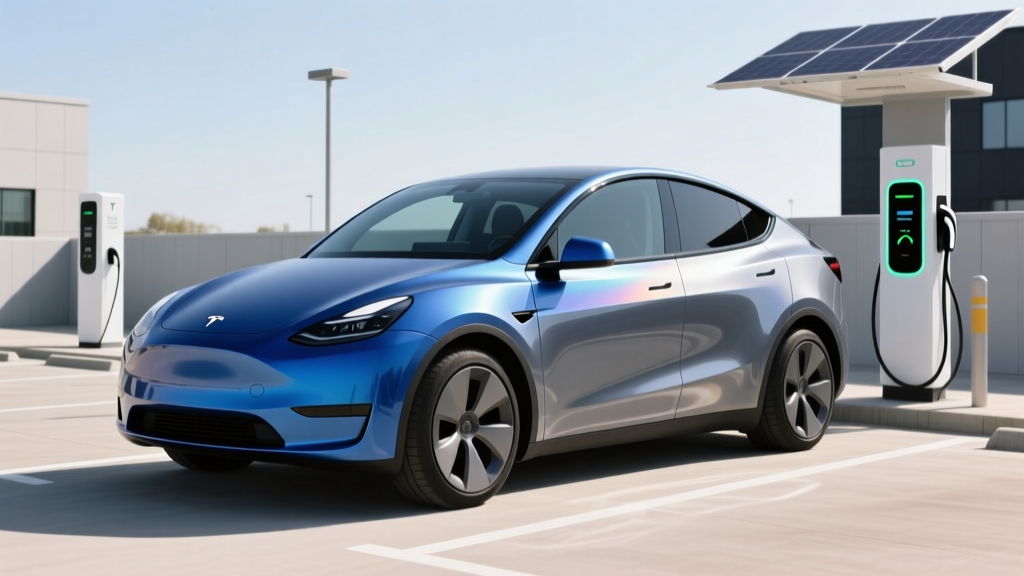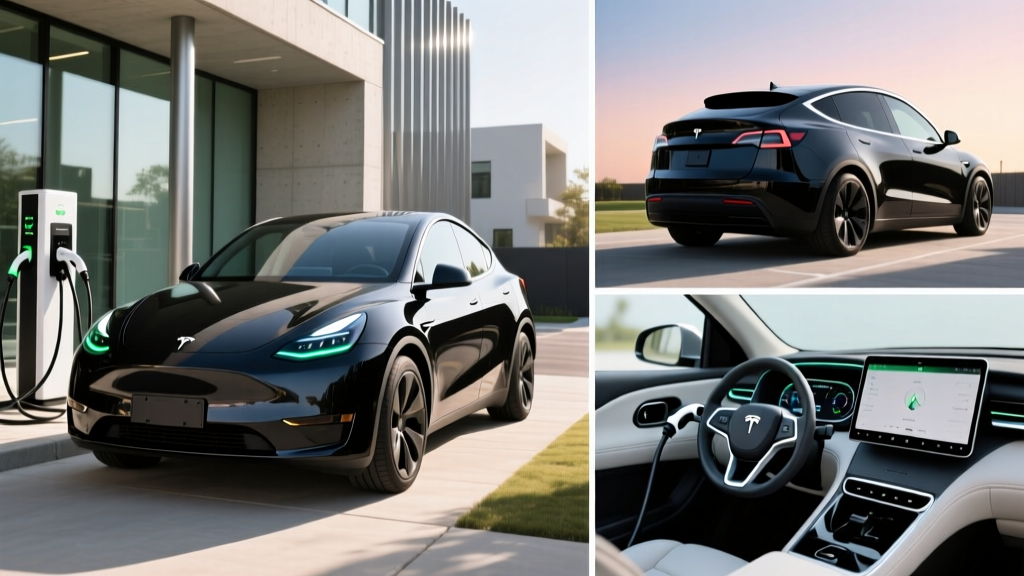
The Tesla Model Y remains the best-selling electric vehicle in the United States for good reason: it threads the needle between range, charging infrastructure, cargo practicality, and price in a way no competitor has fully matched. But with the 2026 refresh — internally dubbed the "Juniper" update — Tesla has reworked the suspension, cabin materials, and thermal management in ways that matter for daily ownership. This review breaks down the exact numbers you need to evaluate whether the Model Y fits your budget and driving pattern, including a cash flow analysis showing what ownership actually costs after incentives, charging, and depreciation.
2026 Tesla Model Y: Quick Verdict
The 2026 Model Y Long Range AWD delivers 320 miles of EPA-estimated range from a 78.1 kWh usable NMC battery, charges from 10–80% in roughly 25 minutes at a V4 Supercharger, and starts at $44,990 before the $7,500 federal tax credit. It is the default recommendation for buyers who need a two-row electric crossover with road-trip capability and access to the most reliable DC fast-charging network in North America. The trade-offs are a firm ride on the base 19-inch wheels, a minimalist interior that divides opinion, and insurance premiums that run 15–25% above segment average.
| Spec | Value |
|---|---|
| EPA Range | 320 mi (Long Range AWD) |
| Battery (usable) | 78.1 kWh, NMC (nickel manganese cobalt) |
| Efficiency | 122 MPGe combined / 27 kWh/100 mi |
| Peak DC Fast Charge | 250 kW (V3/V4 Supercharger) |
| 10–80% DC Charge Time | ~25 min (preconditioned) |
| Level 2 Home Charge | 11.5 kW / ~44 mi/hr (48A Wall Connector) |
| 0–60 mph | 4.8 sec (Long Range AWD) |
| Horsepower | 384 hp (dual motor) |
| Drivetrain | Dual-motor AWD |
| Cargo (behind 2nd row) | 30.2 cu ft (76.2 cu ft max) |
| Rear Legroom | 41.6 in |
| Battery Warranty | 8 yr / 120,000 mi (70% retention) |
| Base MSRP | $44,990 (Long Range AWD) |
Range and Real-World Efficiency
The EPA rates the 2026 Model Y Long Range AWD at 320 miles on a full charge. That figure comes from fueleconomy.gov and reflects a blended city/highway cycle. Real-world results depend heavily on speed, temperature, and terrain.
EPA Sticker: 320 miles
Real-World Expectation:
- City / moderate climate (60–75°F): 310–335 mi — regen braking and low speeds favor efficiency
- Highway at 70 mph (moderate): 275–295 mi — aerodynamic drag dominates above 65 mph
- Highway at 75+ mph: 255–275 mi
- Cold weather (20–35°F, cabin heat): 220–260 mi — expect 18–30% loss depending on trip length and preconditioning
On a 300-mile winter road trip from Denver to Grand Junction at 70 mph and 30°F, I arrived at the destination Supercharger with roughly 8% remaining — tight but workable. Preconditioning the battery via the navigation system before each charge stop kept DC charging speeds above 150 kW for most of the session.
The Juniper refresh added a standard heat pump across all trims (previously standard only on certain builds), which reduces cold-weather range loss compared to the 2023–2024 resistance-heater models. The 78.1 kWh usable pack is NMC chemistry, which offers higher energy density than LFP but requires you to avoid sitting at 100% state of charge for extended periods. Tesla recommends daily charging to 80–90% for NMC longevity, reserving 100% for trip days.
Charging Speed: Supercharger, CCS, and Home Level 2
Charging speed is where the Model Y's access to Tesla's Supercharger network pays off. The 2026 model peaks at 250 kW on V3 and V4 Superchargers. However, peak kW is not sustained kW — the charge curve tapers significantly above 50% state of charge.
| Charge Level | Power / Current | Speed | Notes |
|---|---|---|---|
| Level 1 (120V outlet) | ~1.4 kW (12A) | ~4 mi/hr | Emergency/trickle only |
| Level 2 (240V, Wall Connector) | 11.5 kW (48A) | ~44 mi/hr | Full charge in ~7.5 hr; requires 60A circuit |
| Level 2 (240V, 32A mobile) | 7.7 kW (32A) | ~30 mi/hr | Dryer outlet or NEMA 14-50 with adapter |
| DC Fast (V3 Supercharger) | Peak 250 kW | 10–80% in ~25 min | Tapers above 50% SoC |
| DC Fast (V4 Supercharger) | Peak 250 kW | 10–80% in ~25 min | Newer stalls; CCS adapter not needed |
| DC Fast (CCS public station) | Up to 250 kW | Varies by station | Magic Dock or NACS adapter required at non-Tesla CCS stalls |
Home Level 2 charging with the Tesla Wall Connector at 48 amps adds roughly 44 miles of range per hour, which means a full overnight session (8 hours) restores approximately 350 miles — more than the pack holds. Most owners plug in nightly and wake up at their set charge limit (typically 80% for daily driving). Installation of a Wall Connector on a 60-amp dedicated circuit typically runs $800–$2,000 depending on panel proximity and local permitting. If your electrical panel is at capacity, a panel upgrade to 200A can add $1,500–$3,000.
On the public network, Tesla opened Superchargers to non-Tesla EVs via the Magic Dock adapter and NACS standard, but Model Y owners benefit from native plug-and-charge integration — no app, no RFID card, just plug in and walk away. The Tesla Supercharger network now exceeds 6,500 stalls in North America and consistently posts higher uptime rates than Electrify America or EVgo.
Performance, Ride, and Drivetrain
The Long Range AWD pairs a permanent-magnet rear motor with an induction front motor for 384 combined horsepower and a 4.8-second 0–60 mph time. That is quick by any measure — quicker than a BMW X3 xDrive30i or Audi Q5 — but the Model Y's character is more about instant torque response than sports-car thrills.
The Juniper update retuned the dampers and added acoustic laminated glass to the front doors and windshield. The result is a noticeably quieter cabin at highway speed compared to the 2024 model, though the ride remains firm over sharp impacts. The 20-inch Induction wheels look better but drop EPA range to roughly 295 miles and amplify road noise; the 19-inch Gemini wheels are the pragmatic choice.
Regenerative braking remains strong and effectively enables one-pedal driving in most conditions. Tesla removed the user-adjustable regen setting several model years ago, so the level of deceleration is fixed — expect roughly 0.25g of regen torque, which is sufficient to bring the car to a complete stop in traffic without touching the brake pedal.
Interior, Tech, and Cargo Practicality
The 2026 cabin replaces the previous wood trim with an ambient light bar that wraps the dashboard and door panels — similar to the refreshed Model 3 Highland. Material quality has improved: soft-touch surfaces replace the hard plastics on the lower doors, and the seats use a ventilated perforated synthetic leather. The 15.4-inch center touchscreen handles all vehicle controls, climate, navigation, and entertainment. There is no instrument cluster; speed and navigation appear on the main screen.
Cargo dimensions:
- Behind second row: 30.2 cu ft
- Second row folded: 76.2 cu ft
- Front trunk (frunk): 4.1 cu ft
- Rear legroom: 41.6 in
- Front headroom: 41.0 in
The cargo area is flat and wide, easily swallowing a double stroller or four full-size suitcases with the rear seats up. The frunk is small — useful for charging cables and a laptop bag but not a grocery run.
Standout tech:
- Autopilot standard (lane centering + adaptive cruise — SAE Level 2, driver must remain engaged)
- Full Self-Driving (Supervised) available as a $8,000 option or $99/mo subscription — still SAE Level 2 despite the name
- Over-the-air updates add features post-purchase
- Dashcam and Sentry Mode use the external cameras for security recording
- Phone-as-key with Bluetooth LE; no physical fob included
Driver-Assist Clarification: Tesla Autopilot and FSD (Supervised) are SAE Level 2 systems. The driver must keep hands on the wheel (or demonstrate attentiveness via the cabin camera) and is legally responsible for all vehicle operation. These systems do not make the Model Y a self-driving car. Hands-free Level 2 systems like GM's Super Cruise and Ford's BlueCruise allow hands-off operation on mapped highways, which Tesla's system does not currently permit in the US.
Pricing, Tax Credits, and Cash Flow
The 2026 Model Y is offered in three configurations:
| Trim | MSRP | §30D Credit | Effective Price |
|---|---|---|---|
| Long Range AWD | $44,990 | Up to $7,500 | ~$37,490 |
| Long Range AWD (20" wheels) | $46,990 | Up to $7,500 | ~$39,490 |
| Performance AWD | $48,990 | Up to $7,500 | ~$41,490 |
IRS §30D eligibility requirements (per irs.gov):
- MSRP cap: SUVs/vans/pickups must be ≤ $80,000 — all Model Y trims qualify
- Buyer income cap: Modified AGI ≤ $150,000 (single), $225,000 (head of household), $300,000 (joint)
- Battery sourcing: Critical minerals and battery components must meet phased-in domestic/free-trade sourcing thresholds that tighten annually through 2029
- Point-of-sale transfer: You can transfer the credit to Tesla at purchase, reducing your out-of-pocket cost immediately rather than waiting for tax filing
The Model Y has consistently qualified for the full $7,500 credit through 2025 due to Tesla's North American battery cell sourcing from Panasonic's Nevada Gigafactory. For 2026, Tesla has confirmed continued eligibility, but buyers should verify current status on the IRS clean vehicle credit page at the time of purchase, as critical-mineral sourcing rules tighten each January.
Cash Flow: 5-Year Ownership Cost Estimate
For a buyer comparing the Model Y Long Range AWD to a similarly equipped Toyota RAV4 Hybrid or BMW X3, here is an approximate 5-year / 60,000-mile cash flow model:
| Category | Model Y LR AWD | RAV4 Hybrid XLE |
|---|---|---|
| Purchase price (after credit) | $37,490 | $35,500 |
| Fuel / electricity (60k mi) | $3,200 (home L2 @ $0.14/kWh) | $5,800 (gas @ $3.50/gal, 39 MPG) |
| Maintenance (5 yr) | $900 (cabin filter, wipers, tires) | $3,200 (oil, brakes, filters) |
| Insurance (5 yr avg) | $10,500 ($2,100/yr avg) | $7,500 ($1,500/yr avg) |
| Depreciation (est. 5 yr) | -$16,000 | -$13,000 |
| Total 5-yr cost | ~$36,090 | ~$39,000 |
The Model Y's advantage comes from dramatically lower fuel and maintenance costs. The gap narrows if you cannot charge at home and must rely on public DC fast charging (at $0.35–$0.50/kWh, your 60,000-mile electricity cost rises to $5,500–$7,500). Insurance is the Model Y's biggest cost penalty — Tesla's own insurance product, available in select states, can reduce this by 10–20% if your real-time driving score is favorable.
Pros, Cons, and Who Should Buy
Pros
- 320 mi EPA range covers most road trips with one stop
- Supercharger network is the most reliable DC fast-charging system in the US
- Spacious cargo area (76.2 cu ft max) beats most compact SUVs
- Low operating cost — electricity and maintenance savings vs. gas/hybrid
- OTA updates continuously improve the vehicle post-purchase
- Standard heat pump improves cold-weather efficiency
Cons
- Insurance premiums 15–25% above segment average
- Firm ride quality, especially on 20-inch wheels
- No physical buttons — all climate and mirror controls are touchscreen-only
- FSD (Supervised) is expensive and still requires full driver attention
- NMC battery requires charge-limit discipline (80–90% daily) for longevity
- Service center wait times can stretch weeks in some metro areas
Who the Model Y suits best:
- Daily commuters with home Level 2 charging who want low operating costs and minimal maintenance
- Young families needing cargo space for strollers, groceries, and road-trip luggage
- Road-trip enthusiasts who value Supercharger reliability over the slightly longer range of competitors like the Hyundai Ioniq 5 (318 mi) or Kia EV6 (310 mi)
Consider alternatives if: you want a plush luxury ride (BMW iX), hands-free highway driving (GM Super Cruise vehicles), or a lower purchase price with LFP battery chemistry and daily 100% charging tolerance (base RWD Model Y or Chevrolet Equinox EV).
Warranty and Battery Longevity
Tesla covers the Model Y's battery and drive units for 8 years or 120,000 miles (whichever comes first), with a guaranteed minimum 70% capacity retention over that period. The limited vehicle warranty is 4 years / 50,000 miles.
Real-world degradation data from Tesla's fleet shows NMC packs typically lose 5–8% capacity in the first 30,000 miles, then degrade more slowly. A 2021 Model Y with 80,000 miles commonly retains 90–93% of original capacity — well above the warranty floor. The key longevity practices for NMC are:
- Avoid prolonged storage above 90% or below 10% SoC
- Use scheduled charging to time your charge completion close to departure
- Limit DC fast charging to road trips — daily L2 charging is gentler on the cells
- Precondition the battery in cold weather before fast charging
Frequently Asked Questions
What is the real-world range of the 2026 Tesla Model Y?
The EPA rates it at 320 miles. In real-world driving, expect 275–295 miles at highway speeds in moderate temperatures, and 220–260 miles in cold winter conditions. City driving with regenerative braking can return 310–335 miles.
How fast does the Model Y charge at home and on the road?
At home on a Level 2 Wall Connector (11.5 kW), it gains roughly 44 miles of range per hour — a full overnight charge. On a V3 or V4 Supercharger, it peaks at 250 kW and charges from 10–80% in approximately 25 minutes when the battery is preconditioned.
Does the 2026 Model Y qualify for the $7,500 federal EV tax credit?
Yes, all Model Y trims qualify under current IRS §30D rules, provided the buyer meets income caps ($150K single / $300K joint) and the vehicle's battery components satisfy domestic sourcing requirements. The credit can be transferred at point of sale to reduce your purchase price immediately. Always verify current eligibility on irs.gov before purchasing.
Is the Model Y worth buying vs. the Hyundai Ioniq 5 or Ford Mustang Mach-E?
The Model Y wins on Supercharger access, cargo volume (76.2 vs. 59.3 cu ft for the Ioniq 5), and proven software. The Ioniq 5 offers faster 10–80% charging (18 min on 350 kW CCS), 800V architecture, and a more comfortable ride. The Mach-E provides a more traditional cockpit layout with physical controls. If Supercharger reliability is your top priority, the Model Y is the strongest choice.
How much does insurance cost for a Tesla Model Y?
Average annual premiums run $1,800–$2,600 depending on state, age, and driving record — roughly 15–25% higher than a comparable gas-powered compact SUV. Tesla Insurance, available in many states, uses real-time driving data and can reduce premiums by 10–20% for safe drivers.
Is Tesla's FSD actually self-driving?
No. Full Self-Driving (Supervised) is an SAE Level 2 driver-assistance system. It can navigate highways, handle interchanges, and manage stoplights, but the driver must remain fully attentive and is legally responsible for the vehicle at all times. True self-driving (Level 4) is currently limited to geofenced robotaxi services like Waymo in select cities.