Verdict: A Premium Family EV With Real Supercharger Access
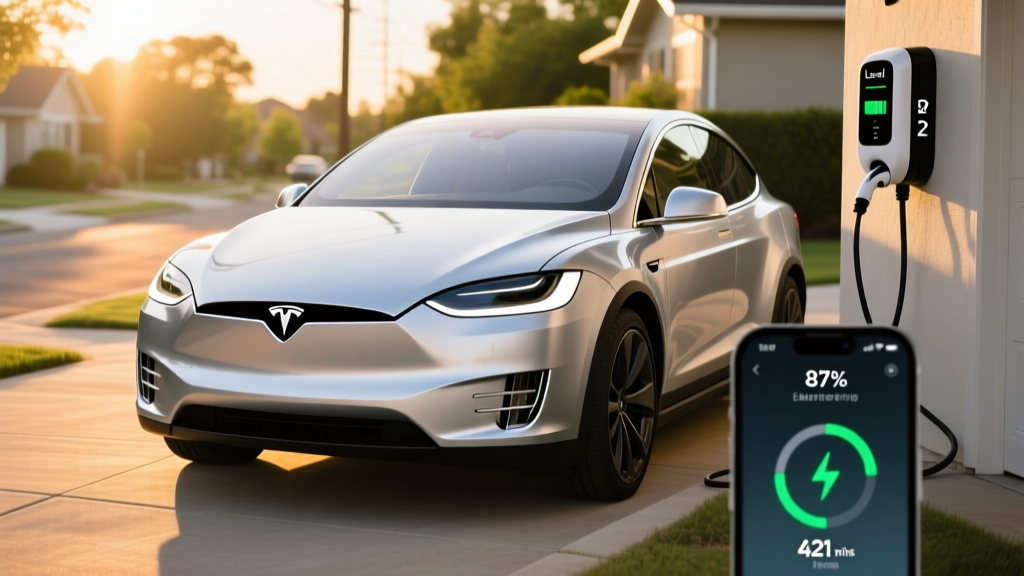
The 2026 Tesla Model X, finished in the recently reintroduced Lunar Silver exterior, remains one of the few three-row electric SUVs that pairs genuine long-range capability with access to the most reliable DC fast-charging network in North America. With an EPA-estimated 326 miles of range (Long Range AWD), a 100-kWh battery pack, and a 0-60 mph time of 3.8 seconds, the Model X occupies a specific niche: families who need space, want performance, and refuse to compromise on road-trip charging infrastructure. The Lunar Silver paint option, which returned to Tesla's configurator in late 2025, adds a cool-tone metallic finish that hides road dust better than the signature Pearl White and doesn't carry the $2,500 premium of Ultra Red or Deep Blue.
But the Model X isn't without trade-offs. Panel gaps remain a recurring complaint, the yoke steering is polarizing (a round wheel is now a no-cost option), and the starting MSRP of $79,990 puts it in direct competition with the BMW iX, Rivian R1S, and the refreshed Hyundai Ioniq 9. This review breaks down the numbers that matter for a real purchase decision.
Range, Efficiency, and the Real-World Gap
EPA Estimated Range: 326 miles (Long Range AWD, 20-inch wheels)
Real-World Expectation: 270–295 miles on mixed highway driving at 70 mph; 225–250 miles in sub-30°F winter conditions with cabin heating. City driving with regenerative braking can exceed the EPA sticker, reaching 330–340 miles in mild weather.
The Model X Long Range AWD uses a 100-kWh usable battery pack built on NMC (nickel manganese cobalt) chemistry. Tesla does not publish exact cell supplier data for the 2026 model year, but teardown analyses confirm a mix of Panasonic and LG Energy Solution cells depending on production batch. NMC offers higher energy density than LFP, which is why the Model X achieves its range despite a curb weight of approximately 5,100 pounds.
Efficiency lands at 100 MPGe combined (33 kWh/100 mi) per EPA data on fueleconomy.gov. That's respectable for a three-row SUV but trails the more aerodynamic BMW iX xDrive50 (87 MPGe combined with a lighter curb weight). Highway efficiency drops to roughly 36–38 kWh/100 mi at sustained 75–80 mph speeds, which is where the real-world range gap originates.
| Specification | Value |
|---|---|
| EPA Range | 326 miles (20" wheels) |
| Battery (usable) | 100 kWh, NMC chemistry |
| Efficiency | 100 MPGe combined / 33 kWh/100 mi |
| Peak DC Fast Charge | 250 kW |
| 10–80% DC Charge Time | ~30 minutes |
| Level 2 Home Charge Rate | 11.5 kW (~34 mi/hr) |
| 0–60 mph | 3.8 seconds |
| Horsepower | 670 hp (dual motor) |
| Drivetrain | Dual Motor AWD |
| Cargo (behind 3rd row) | 15.2 cu ft |
| Cargo (max, seats folded) | 81.5 cu ft |
| Seating | 5, 6, or 7 passengers |
| Towing Capacity | 5,000 lbs |
| Base MSRP | $79,990 |
| Battery/Drive Unit Warranty | 8 yr / 150,000 mi (70% retention) |
Charging Speed: Supercharger Network Advantage
The Model X charges at a peak rate of 250 kW on V3 Tesla Superchargers. In practice, the charge curve peaks near 250 kW between 10–25% state of charge, tapers to roughly 170 kW by 50%, and drops below 100 kW past 70%. A 10–80% session takes approximately 30 minutes at a V3 station with preconditioning active.
Preconditioning is critical. Navigate to a Supercharger using the built-in navigation, and the Model X will warm the battery pack to optimal temperature before arrival. Without preconditioning — for example, plugging in at a non-navigated charger in cold weather — that 10–80% session can stretch to 45 minutes or more.
| Charging Level | Power | Speed (approx.) | Notes |
|---|---|---|---|
| Level 1 (120V) | 1.4 kW | ~4 mi/hr | Emergency/trickle only |
| Level 2 (240V, 48A) | 11.5 kW | ~34 mi/hr | Home Wall Connector; 10 hrs for full charge |
| DC Fast (V3 Supercharger) | 250 kW peak | ~175 mi in 15 min | Preconditioning required for peak speed |
| DC Fast (CCS adapter + EA) | ~150 kW typical | Varies | CCS1 adapter available; non-Tesla networks |
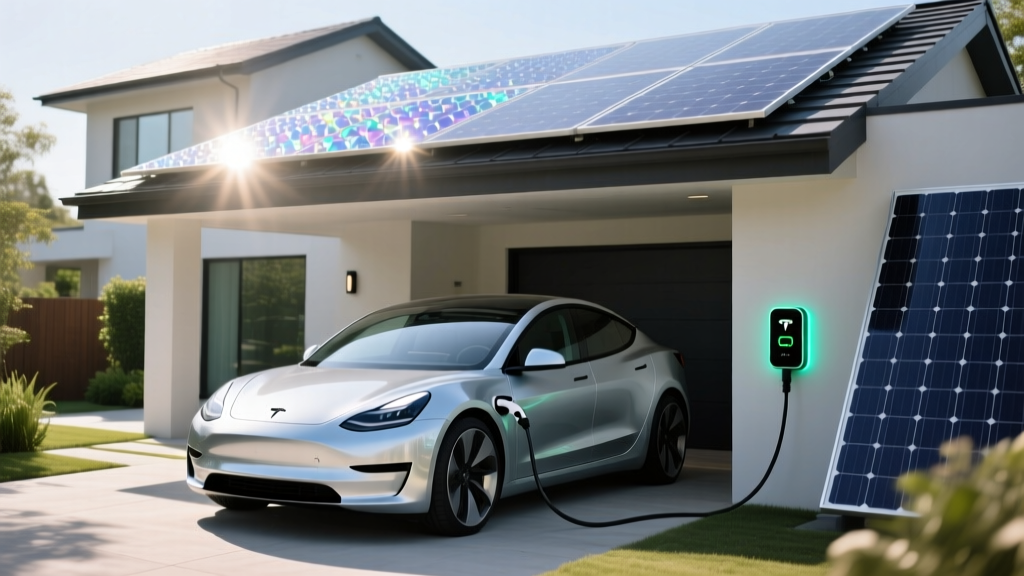
For home charging, the Tesla Wall Connector at 48 amps (11.5 kW) adds roughly 34 miles of range per hour, meaning a full overnight charge is achievable with a 10-hour session. Installation typically requires a 60-amp dedicated circuit. Tesla's mobile connector with a NEMA 14-50 adapter provides 30 amps (7.2 kW, ~21 mi/hr) as a lower-cost alternative.
The Model X uses the NACS (North American Charging Standard) connector natively. With Tesla opening the Supercharger network to non-Tesla EVs, Model X owners may see slightly more congestion at popular stations, but the network's uptime reliability remains above 95% — a significant advantage over Electrify America and other CCS networks.
Performance and Drivetrain
The Long Range AWD pairs dual permanent-magnet motors producing a combined 670 horsepower. The 0–60 mph sprint completes in 3.8 seconds — absurdly quick for a 5,100-pound SUV. The Plaid trim (1,020 hp, 2.5 seconds 0–60) remains available at $94,990, but its range drops to 311 miles and the price eliminates any federal tax credit possibility.
Ride quality benefits from the standard adaptive air suspension, which adjusts ride height based on speed and GPS memory for driveways. The Model X corners flatter than its weight suggests, though the steering remains somewhat detached compared to the BMW iX. Regenerative braking offers two modes (Standard and Low), and one-pedal driving is achievable in Standard mode with practice.
Interior, Tech, and the Falcon Wing Reality
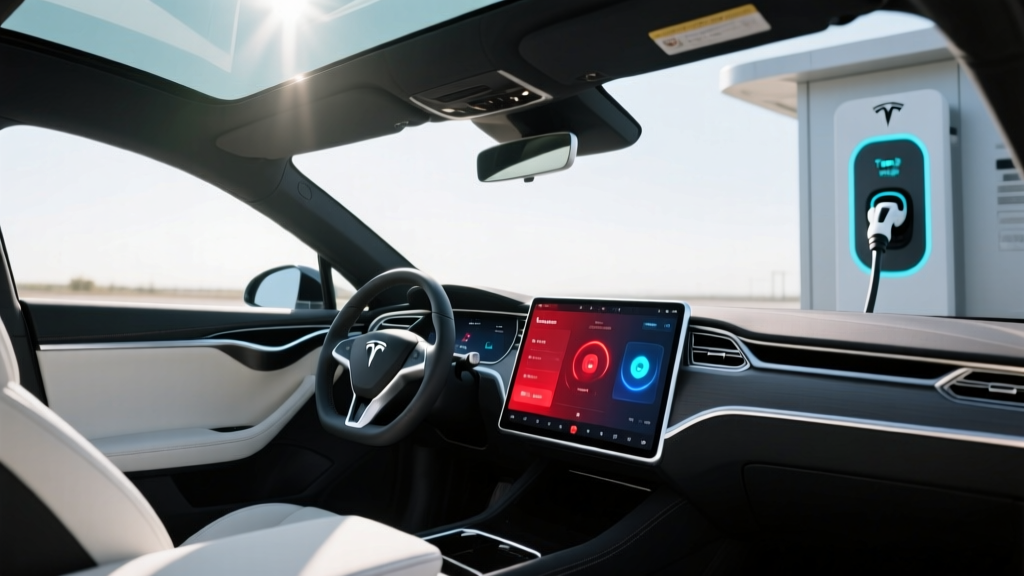
The Model X interior is minimalist by design: a 17-inch center touchscreen handles virtually all vehicle controls, climate, and media. A second 8-inch screen serves rear passengers. The 22-speaker audio system is among the best in any EV at this price point. Wireless phone charging, HEPA air filtration with Bioweapon Defense Mode, and ventilated front seats are standard.
The signature Falcon Wing rear doors are the Model X's most recognizable feature. They open upward via dual-hinged panels, providing excellent access to the second and third rows in tight parking spaces — provided overhead clearance allows it. The doors are slower to open than conventional panels and have been a source of sensor and seal complaints historically, though 2025–2026 build quality has improved based on owner forums and service bulletins.
Cargo space behind the third row is 15.2 cubic feet — tight for a road trip with six passengers and luggage. Fold the third row and you get 41.1 cu ft; fold both rear rows for 81.5 cu ft. The front trunk (frunk) adds roughly 6.5 cu ft for charging cables and small bags.
Driver Assistance — SAE Level 2: Tesla's Autopilot is standard and includes adaptive cruise control, lane centering, and automatic emergency braking. Full Self-Driving (Supervised), available as a $8,000 option or $99/month subscription, adds automated lane changes, traffic light recognition, and city street navigation. Despite the "FSD" name, this is not self-driving. The driver must remain fully engaged, hands on the wheel (or torque-applied with yoke), and eyes on the road at all times. SAE Level 2 requires continuous human supervision.
Pricing, Trims, and Federal Tax Credit Eligibility
The 2026 Model X lineup is straightforward:
| Trim | Base MSRP | Est. After $7,500 Credit* | Credit Eligibility |
|---|---|---|---|
| Long Range AWD | $79,990 | $72,490 | Likely eligible — verify battery sourcing |
| Plaid | $94,990 | N/A | Not eligible (MSRP exceeds $80,000 cap) |
*Federal EV tax credit eligibility under IRS §30D requires: buyer AGI ≤ $300,000 (joint) / $150,000 (single); vehicle MSRP ≤ $80,000 for SUVs; battery components and critical minerals must meet domestic-sourcing thresholds that increase annually. The credit can be transferred to the dealer at point of sale for an immediate price reduction. Always confirm eligibility with your tax professional before purchase — rules change and Tesla's battery sourcing varies by production batch.
The Lunar Silver paint is a no-cost color option, meaning the Long Range AWD in Lunar Silver starts at $79,990. Adding FSD ($8,000), 22-inch wheels ($5,500), and a six-seat interior ($6,500) pushes an as-tested price past $100,000, well beyond the MSRP cap for the tax credit.
The Model X Long Range, priced just under the $80,000 MSRP cap, may qualify for the full $7,500 federal credit depending on whether its battery pack meets the 2026 critical-mineral and component sourcing thresholds. Tesla does not publicly disclose per-batch sourcing data, so buyers should request a clean vehicle report from the dealer or check the VIN on the IRS portal before committing.
Warranty and Long-Term Ownership
Tesla covers the Model X battery and drive units for 8 years or 150,000 miles (whichever comes first), with a minimum 70% capacity retention guarantee. The limited vehicle warranty is 4 years / 50,000 miles. These terms are competitive with the industry — BMW matches at 8/100,000 for the battery, while Rivian offers 8/175,000 on the R1S battery.
NMC batteries in Tesla vehicles have shown average degradation of approximately 8–12% over the first 100,000 miles based on fleet data aggregated by sources like Recurrent Auto. The Model X's active thermal management system (liquid cooling and heating) helps preserve cell health. Best practice for longevity: limit daily charging to 80–90% and only charge to 100% before long trips.
How It Compares: Model X vs. the Alternatives
Choose the Tesla Model X if: You prioritize Supercharger network access for frequent road trips, need falcon-wing doors for tight garage parking with kids, want the quickest acceleration in the segment, and value Tesla's over-the-air update cadence.
Choose the BMW iX xDrive50 if: You want a more refined interior, better ride comfort, superior steering feel, and don't mind relying on Electrify America for road-trip charging (EPA 324 mi, ~$87,250 MSRP).
Choose the Rivian R1S Dual-Motor if: You need genuine off-road capability, a larger frunk, more cargo versatility, and a slightly lower starting price (~$75,900), while accepting a smaller charging network (EPA 316 mi, Large Pack).
Choose the Hyundai Ioniq 9 if: You want a three-row EV at a significantly lower price (~$56,000 base) and are willing to accept less range (~300 mi EPA) and a less premium badge.
Pros
- Access to 6,000+ Tesla Supercharger stalls with 95%+ uptime
- 326-mile EPA range covers most road trips with one stop
- 3.8-second 0–60 in a three-row SUV
- Falcon Wing doors ease child-seat installation in tight spots
- Standard HEPA filtration, adaptive air suspension, and 5,000-lb towing
Cons
- $79,990 base price; options quickly push past $90K
- Panel gap inconsistency still reported on 2025–2026 builds
- Third-row legroom (32.7 in) is tight for adults on long drives
- FSD remains Level 2 and requires full driver attention
- No Apple CarPlay or Android Auto — Tesla's UI only
Frequently Asked Questions
What is the real-world range of the Tesla Model X in Lunar Silver?
Paint color does not affect range. The Model X Long Range AWD delivers approximately 270–295 miles on highway trips at 70 mph and 225–250 miles in freezing weather. City driving with regen can exceed the 326-mile EPA sticker in mild conditions.
How fast does the Model X charge at home and on the road?
At home on a 48-amp Level 2 Tesla Wall Connector, the Model X charges at 11.5 kW, adding roughly 34 miles per hour (full charge in ~10 hours). On a V3 Supercharger, it peaks at 250 kW and reaches 10–80% in approximately 30 minutes with preconditioning.
Does the 2026 Model X qualify for the $7,500 federal EV tax credit?
The Long Range AWD at $79,990 MSRP is under the $80,000 SUV cap and may qualify, but eligibility depends on your income (≤$300K joint / ≤$150K single) and whether the specific battery pack meets 2026 critical-mineral and component sourcing thresholds. The Plaid trim at $94,990 does not qualify. Confirm via the IRS clean vehicle portal and a tax professional.
Is the Lunar Silver paint a premium color?
No. Lunar Silver is currently a no-cost standard color on the Model X configurator, alongside Solid Black and Pearl White. Ultra Red, Deep Blue, and Quicksilver carry a $2,500 premium.
Is the Model X worth buying over the BMW iX or Rivian R1S?
If Supercharger access and acceleration are priorities, yes. If interior luxury and ride refinement matter more, the BMW iX is the stronger choice. If you need off-road capability and a lower entry price, the Rivian R1S competes well. The Model X's unique advantage remains the Tesla charging ecosystem for stress-free long-distance travel.
What is the warranty coverage on the Model X battery?
Tesla covers the battery and drive units for 8 years or 150,000 miles, guaranteeing at least 70% capacity retention over that period. The general vehicle warranty is 4 years / 50,000 miles.