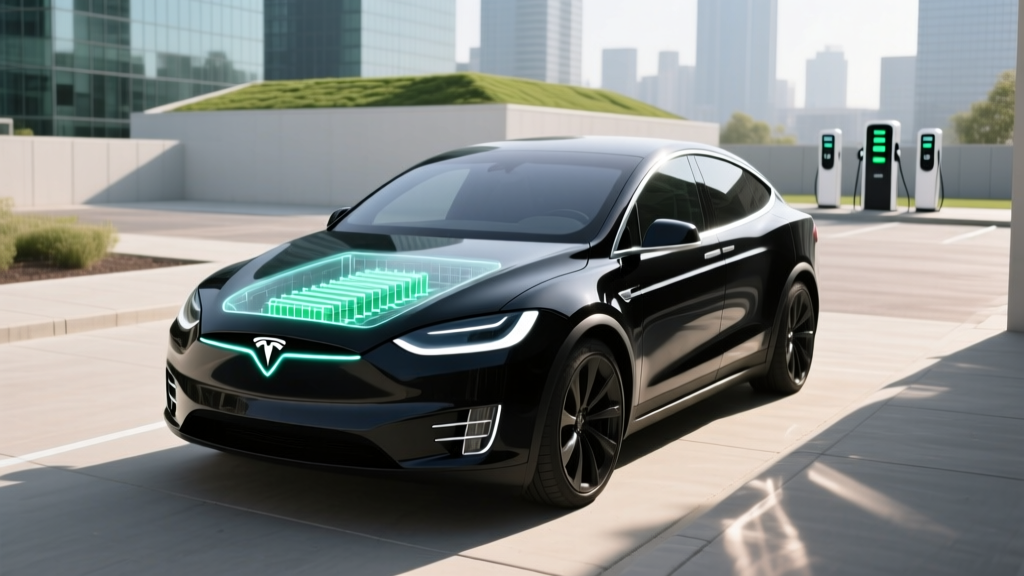
If you've been searching for answers to is the Model X discontinued, the short answer is no — as of early 2026, Tesla still lists the Model X on its configurator and continues to accept orders. However, the vehicle's future remains uncertain amid declining sales volumes, shifting consumer preferences toward smaller crossovers, and Tesla's own pivot toward next-generation platforms. This guide breaks down exactly where the Model X stands today, what you're getting if you buy one, and whether it still makes sense against newer competitors.
Current Production Status: Is the Tesla Model X Discontinued in 2026?
The Tesla Model X is not officially discontinued as of the 2026 model year. Tesla continues to manufacture the vehicle at its Fremont, California factory and offers it in two primary trims: the Long Range AWD and the high-performance Plaid. That said, several signals suggest the model is in its twilight years:
- Sales volume decline: Model X deliveries have fallen steadily since their 2022–2023 peak, as buyers gravitate toward the more affordable Model Y and newer three-row competitors.
- No major refresh announced: Unlike the Model 3 "Highland" and Model Y "Juniper" updates, the Model X has not received a significant architecture or styling overhaul since its 2021 interior refresh.
- Price positioning: With a starting MSRP near $80,000, the Model X occupies a premium niche that Tesla may eventually cede to a next-generation large SUV on a new platform.
For now, though, you can still configure, order, and take delivery of a new Model X. If you're considering one, here's exactly what you're buying.
2026 Tesla Model X Specifications at a Glance
| Spec | Model X Long Range AWD | Model X Plaid |
|---|---|---|
| EPA Range | 335 miles | 326 miles |
| Battery (usable) | ~100 kWh (NMC) | ~100 kWh (NMC) |
| Drivetrain | Dual-Motor AWD | Tri-Motor AWD |
| Horsepower | 670 hp | 1,020 hp |
| 0–60 mph | 3.8 seconds | 2.5 seconds |
| Top Speed | 155 mph | 163 mph |
| Max DC Fast Charge | 250 kW | 250 kW |
| 10–80% DC Time | ~32 minutes | ~32 minutes |
| Level 2 Home Charge | 11.5 kW (~34 mi/hr) | 11.5 kW (~34 mi/hr) |
| MPGe (combined) | 98 MPGe | 95 MPGe |
| Efficiency | 34 kWh/100 mi | 35 kWh/100 mi |
| Seating | 5, 6, or 7 passengers | 5 or 6 passengers |
| Cargo (behind 3rd row) | ~15 cu ft | ~15 cu ft |
| Cargo (max, seats folded) | ~81.5 cu ft | ~81.5 cu ft |
| Towing Capacity | 5,000 lbs | 5,000 lbs |
| Base MSRP | $79,990 | $94,990 |
| Battery/Drive Warranty | 8 yr / 150,000 mi | 8 yr / 150,000 mi |
Sources: EPA / fueleconomy.gov, Tesla Model X configurator.
Real-World Range: What to Actually Expect
EPA Sticker: 335 miles (Long Range) / 326 miles (Plaid)
Real-World Highway (70–80 mph): ~270–290 miles
Cold Weather (below 30°F): ~220–260 miles depending on cabin heating use
The Model X's 100 kWh-class NMC (nickel manganese cobalt) battery delivers strong range on paper, but the vehicle's large frontal area and weight (~5,100 lbs) work against it at highway speeds. In real-world highway driving at 75 mph in moderate temperatures, expect to use roughly 34–38 kWh per 100 miles, which translates to approximately 270–290 miles before needing to stop.
Cold weather compounds this. NMC chemistry is less tolerant of low temperatures than LFP, and the Model X's heat pump helps but doesn't eliminate the hit. In sub-freezing conditions, a 15–25% range reduction is typical — bringing usable highway range down to around 220–260 miles. Preconditioning the battery (via the Tesla app or scheduled departure) is essential for both range preservation and DC fast-charge speed in cold weather.
Charging Speed: DC Fast and Home Level 2
The Model X supports a peak DC fast-charge rate of 250 kW on V3 Superchargers, using the NACS (North American Charging Standard) connector native to all Teslas. Here's what that means in practice:
| Charging Level | Power | Speed | Notes |
|---|---|---|---|
| Level 1 (120V) | ~1.4 kW | ~4 mi/hr | Emergency only; not practical for daily use |
| Level 2 (240V, 48A) | 11.5 kW | ~34 mi/hr | Full charge overnight (~10 hours from 10%) |
| DC Fast (V3 Supercharger) | Peak 250 kW | ~175 mi in 15 min | 10–80% in ~32 min; tapers significantly above 80% |
| DC Fast (V4 Supercharger) | Up to 250 kW | Similar to V3 | Current Model X architecture caps at 250 kW |
The Model X's charging curve is respectable but not class-leading. The 250 kW peak is only sustained briefly at low states of charge (roughly 10–30%). Above 50% SoC, the rate drops substantially, and above 80% it slows to a trickle — which is why Tesla's navigation system typically recommends charging to 80% at Superchargers. A 10–80% session takes approximately 32 minutes, which is adequate for road trips but slower than newer 800V architectures like the Hyundai Ioniq 5 or Kia EV9.
For home charging, a Tesla Wall Connector on a 60-amp circuit delivers the full 11.5 kW (48 amps), adding roughly 34 miles of range per hour. Most owners will arrive home at 30–40% SoC and wake up fully charged — home Level 2 is the primary refueling method for the vast majority of Model X owners.
Pricing, Trims, and Federal Tax Credit Eligibility
| Trim | Base MSRP | Est. As-Tested* | §30D Federal Credit | Effective Price |
|---|---|---|---|---|
| Long Range AWD | $79,990 | $85,000–$90,000 | Not eligible | $79,990+ |
| Plaid | $94,990 | $100,000–$108,000 | Not eligible | $94,990+ |
*As-tested pricing varies with options (FSD, premium interior colors, 22" wheels, six- or seven-seat configs).
Federal Tax Credit (§30D): The Model X does NOT qualify. Under current IRS rules, SUVs must have an MSRP at or below $80,000 to be eligible for the up-to-$7,500 clean vehicle credit. The Model X Long Range starts at $79,990, which technically sits at the cap — but any destination fee or single option pushes it over the limit. Additionally, the buyer must meet income caps ($300,000 joint / $150,000 single MAGI) and the vehicle must satisfy critical-mineral and battery-component sourcing requirements. See the IRS §30D guidelines for full eligibility details.
This is a significant disadvantage compared to competitors like the Kia EV9 (starting ~$56,000, potentially credit-eligible) or the Rivian R1S (base within the SUV cap). For most buyers, the Model X will be a full-MSRP purchase with no federal incentive offset.
Performance and Driving Dynamics
The Model X Long Range delivers 670 horsepower from its dual-motor all-wheel-drive powertrain, achieving a 0–60 mph time of 3.8 seconds — quicker than nearly any gas-powered SUV in its class. The Plaid variant's tri-motor setup produces a staggering 1,020 horsepower and a 2.5-second 0–60 time, making it one of the fastest production SUVs ever built.
However, the Model X's driving dynamics reflect its age and weight. At over 5,100 pounds, it's noticeably heavier than the Model S sedan it shares a platform with, and body roll is more pronounced through corners. The air suspension provides a comfortable ride on highways but doesn't fully mask the vehicle's mass on twisty roads. This is a grand-touring SUV, not a sports SUV — buyers seeking sharper handling should look at the BMW iX or Porsche Cayenne EV (expected 2026).
Interior, Tech, and Cargo
The Model X interior received a significant refresh in 2021, replacing the vertical tablet screen with a 17-inch landscape-oriented touchscreen, a rear-seat entertainment display, and a yoke-style steering wheel (a conventional round wheel is now standard, with the yoke as an option). Build quality has improved substantially over early Model X examples, though panel gaps and minor trim inconsistencies still appear on some units.
Key tech features:
- 17-inch center touchscreen with gaming-capable GPU
- 22-speaker premium audio system
- HEPA air filtration with "Bioweapon Defense Mode"
- Tesla Autopilot (SAE Level 2 driver assistance) standard
- Full Self-Driving (Supervised) available as a $8,000 option or subscription
- Falcon Wing rear doors — distinctive but polarizing; they require more clearance than sliding minivan doors and can be slow in tight parking spaces
- Panoramic windshield extending over front seats
Cargo and passenger space:
- Seating for 5 (standard), 6 (captain's chairs), or 7 (bench third row)
- Front trunk (frunk): ~6.5 cu ft
- Behind third row: ~15 cu ft
- Maximum cargo (all rear seats folded): ~81.5 cu ft
- Third-row legroom is tight — best suited for children on short trips
Pros, Cons, and the Verdict
Pros
- Class-leading Supercharger network access (now open to other brands, but native Tesla integration remains seamless)
- Exceptional straight-line performance, especially Plaid
- Over-the-air updates keep software current
- Strong towing capacity (5,000 lbs) for an EV SUV
- Spacious cargo area with seats folded
- Excellent visibility and commanding driving position
Cons
- No federal tax credit eligibility due to MSRP cap
- Charging speed (250 kW peak) trails newer 800V competitors
- Falcon Wing doors are impractical in tight garages and parking structures
- Third-row space is cramped for adults
- Platform aging — no major refresh since 2021
- High starting price vs. newer three-row EV SUVs
- Resale value uncertainty if discontinuation occurs
Is the Model X Worth Buying vs. Competitors?
The Model X competes in a growing segment of three-row electric SUVs. Here's how it stacks up against key alternatives in 2026:
- Kia EV9: Starts around $56,000, offers up to 304 miles of range, qualifies for the federal tax credit (depending on trim and sourcing), and provides genuinely usable third-row space. The EV9 is the value and practicality choice.
- Rivian R1S: Starts around $75,900, offers up to 410 miles of range (Max Pack), superior off-road capability, and a more modern platform. The R1S edges the Model X on adventure versatility and interior quality.
- BMW iX: Two-row only, but starts lower and offers a more refined driving experience. Not a direct competitor on seating but competes on luxury and efficiency.
- Mercedes EQS SUV: Comparable luxury pricing, up to 305 miles of range, and a more traditional luxury interior. Less performance-oriented than the Model X.
Choose the Model X if: You want a proven platform with unmatched Supercharger integration, tri-motor Plaid performance, Falcon Wing novelty, and you don't need the federal tax credit.
Choose a competitor if: You want federal tax credit savings (Kia EV9), genuine off-road capability (Rivian R1S), a more modern interior (R1S, EQS SUV), or better third-row adult comfort (EV9).
Warranty and Long-Term Ownership
Tesla covers the Model X battery and drive unit with an 8-year / 150,000-mile warranty, whichever comes first, with a guaranteed minimum 70% capacity retention over that period. The basic vehicle limited warranty is 4 years / 50,000 miles.
The NMC battery in the Model X has demonstrated reasonable longevity based on fleet data, with most owners reporting 5–10% degradation over the first 100,000 miles. However, NMC chemistry is more sensitive to repeated charging to 100% than LFP — Tesla recommends daily charging to 80–90% and reserving 100% charges for road trips.
If the Model X is eventually discontinued, parts availability and service support could become a concern 5–10 years out, though Tesla's track record with the original Roadster and early Model S suggests they maintain legacy support for a reasonable period. Third-party service networks for Teslas are also growing.
Frequently Asked Questions
Is the Tesla Model X discontinued in 2026?
No. As of early 2026, the Model X is still in production and available for order in both Long Range and Plaid trims. However, Tesla has not announced a next-generation successor, and declining sales volumes suggest the current generation may be in its final years.
Does the Model X qualify for the $7,500 federal EV tax credit?
Effectively, no. The IRS §30D credit caps eligible SUVs at an $80,000 MSRP. The Model X Long Range starts at $79,990, and any options or destination charges push it above the threshold. Even if a base configuration technically qualifies, buyers must also meet income limits and battery-sourcing requirements. Consult a tax professional and review the IRS clean vehicle credit page before relying on credit eligibility.
What is the real-world range of the Model X?
The EPA rates the Long Range at 335 miles and the Plaid at 326 miles. In real-world highway driving at 70–80 mph, expect 270–290 miles. In cold weather (below 30°F), range drops to approximately 220–260 miles. Preconditioning the battery before driving and charging helps mitigate cold-weather losses.
How fast does the Model X charge?
On a V3 Tesla Supercharger (250 kW peak), the Model X charges from 10% to 80% in approximately 32 minutes. At home on a Level 2 Wall Connector (11.5 kW), it adds about 34 miles of range per hour, enabling a full overnight charge. The 250 kW peak rate is only sustained at low states of charge; charging slows significantly above 50% SoC.
Should I buy a Model X now or wait?
If you need a three-row EV SUV today and value Tesla's Supercharger network and software ecosystem, the Model X is a capable vehicle. However, if you can wait, Tesla may eventually announce a next-generation large SUV on a more modern, cost-efficient platform. Competitors like the Rivian R1S and Kia EV9 also offer compelling alternatives with more modern architectures and, in some cases, federal tax credit eligibility.
What battery chemistry does the Model X use?
The Model X uses an NMC (nickel manganese cobalt) lithium-ion battery pack with approximately 100 kWh of usable capacity. NMC offers higher energy density than LFP, which is necessary for the Model X's size and range targets, but it requires more careful charge management (avoiding frequent 100% charges) for optimal long-term health.
How much cargo space does the Model X have?
Behind the third row, the Model X offers approximately 15 cubic feet of cargo space. With all rear seats folded, maximum cargo capacity is about 81.5 cubic feet. The front trunk (frunk) adds roughly 6.5 cubic feet. For comparison, the Kia EV9 offers more third-row cargo room, while the Rivian R1S provides comparable total volume.
Note: Specifications, pricing, and tax credit rules reflect 2026 model year data available at time of publication. Always verify current pricing on Tesla's configurator and tax credit eligibility on IRS.gov before purchasing.