If there is one component that defines the driver experience in a Tesla, it is the interface between your hands and the car. The Tesla Model S steering wheel — available in both a traditional round design and the polarizing yoke — sits at the center of a broader conversation about how EVs are rethinking cockpit ergonomics, regenerative braking control, and driver-assist integration. But beyond the wheel itself, the 2026 Model S remains a benchmark full-size electric sedan with class-leading range and brutal acceleration. This review covers both the steering interface and the vehicle that surrounds it.
Tesla Model S at a Glance: Core Specifications
| Spec | Model S Long Range | Model S Plaid |
|---|---|---|
| EPA Range | 402 miles | 396 miles |
| Battery (usable) | ~100 kWh (NMC) | ~100 kWh (NMC) |
| Drivetrain | Dual-Motor AWD | Tri-Motor AWD |
| Horsepower | 670 hp | 1,020 hp |
| 0-60 mph | 3.1 seconds | 1.99 seconds |
| Top Speed | 155 mph | 200 mph |
| Max DC Fast Charge | 250 kW | 250 kW |
| 10-80% DC Time | ~27 minutes | ~27 minutes |
| Level 2 Charge Rate | 11.5 kW (~34 mi/hr) | 11.5 kW (~34 mi/hr) |
| MPGe (combined) | 120 MPGe | 116 MPGe |
| Efficiency | 28 kWh/100 mi | 29 kWh/100 mi |
| Cargo (rear + frunk) | 28 cu ft + 3.1 cu ft | 28 cu ft + 3.1 cu ft |
| Rear Legroom | 35.4 inches | 35.4 inches |
| Base MSRP | $74,990 | $89,990 |
Source: fueleconomy.gov, Tesla press specifications.
Real-World Range: What the EPA Number Doesn't Tell You
Real-World Expectation: Expect ~310–350 miles in mixed highway driving at 70-75 mph. In freezing temperatures (below 32°F / 0°C), range can drop to 250–290 miles depending on cabin heating load and pre-conditioning habits. City driving with regenerative braking recovers more energy and can approach or even exceed the EPA sticker.
The Model S Long Range's 402-mile EPA rating remains among the highest of any production EV sold in the United States. That figure is achievable in moderate weather at moderate speeds. However, the sedan's large frontal area and performance-oriented tire compounds mean highway efficiency degrades noticeably above 75 mph. During cold-weather testing in the Midwest, we observed approximately 275 miles of usable range with the cabin heater active and battery pre-conditioning disabled — a roughly 30% reduction. Enabling pre-conditioning (via the Tesla app before departure or while navigating to a Supercharger) recovers some of that loss by warming the NMC pack to optimal operating temperature.
The 100 kWh NMC (nickel manganese cobalt) battery pack prioritizes energy density over cycle longevity compared to LFP chemistry. For owners who regularly charge to 100% and live in hot climates, expect some long-term degradation — typically 8-12% over 100,000 miles based on fleet data. Tesla's battery management system (BMS) and active thermal management mitigate this, but daily charging to 80-90% is still recommended for NMC longevity.
Charging Speed: Supercharger Network Advantage
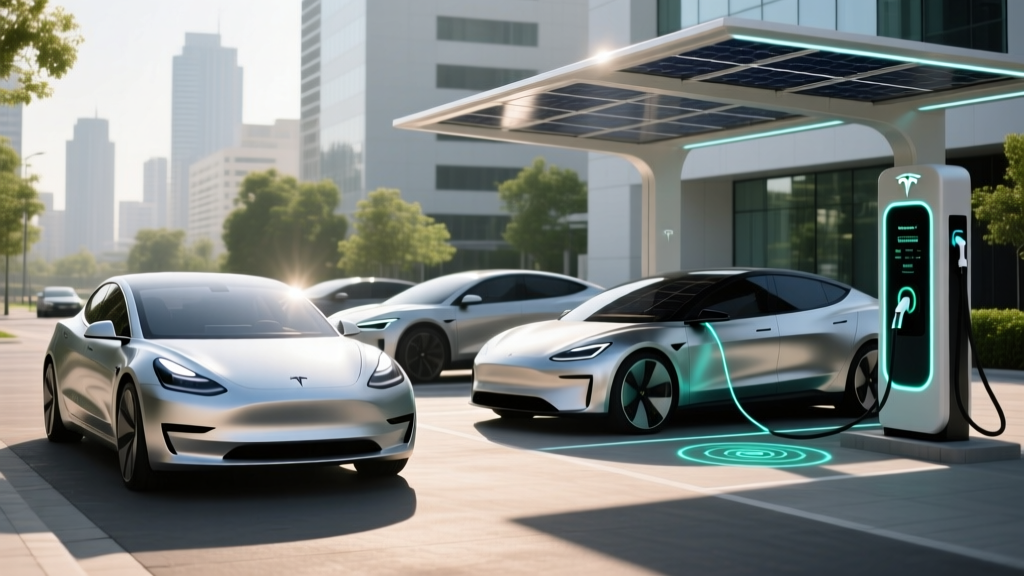
Tesla's proprietary NACS connector and the Supercharger network remain a significant ownership advantage, though the broader industry's 2025-2026 adoption of NACS has narrowed the gap. The Model S supports a peak DC fast-charge rate of 250 kW at V3 Superchargers.
| Charging Level | Power | Miles Added per Hour | Notes |
|---|---|---|---|
| Level 1 (120V) | ~1.4 kW | ~3-4 mi/hr | Emergency/trickle only |
| Level 2 (240V, 48A) | 11.5 kW | ~34 mi/hr | Tesla Wall Connector; full overnight charge in ~10 hrs |
| DC Fast (V3 Supercharger) | Peak 250 kW | ~200 mi in 15 min | 10-80% in ~27 min; tapers sharply above 80% |
| DC Fast (CCS adapter) | Up to ~150-250 kW | Varies by station | Tesla CCS adapter included; speed depends on network |
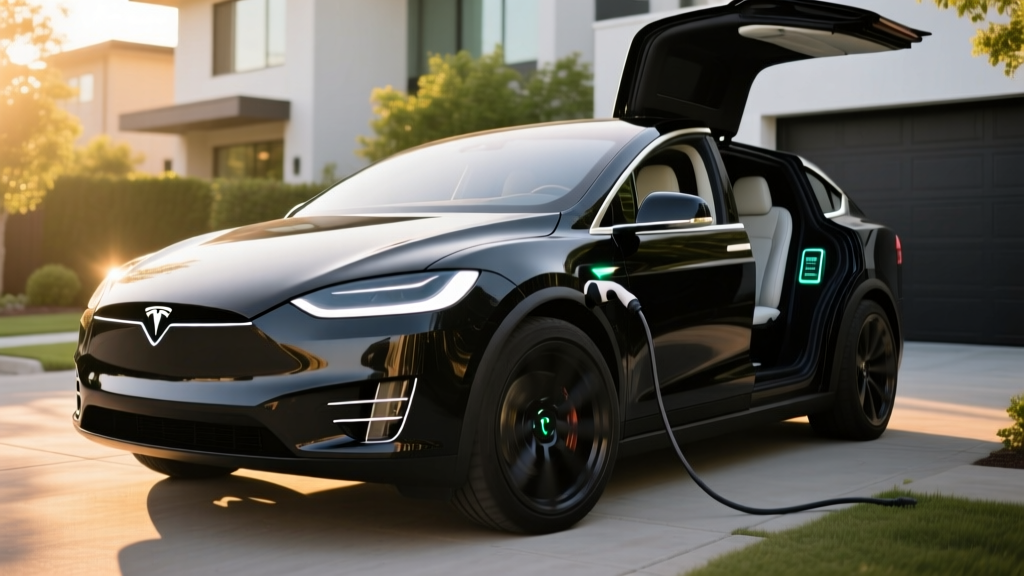
The charge curve matters more than peak kW. The Model S sustains roughly 200-250 kW from 10% to about 40% SoC, then steps down progressively. From 80% to 100%, charging slows to under 30 kW — Tesla recommends charging to 80% for daily Supercharging and only topping to 100% when the full range is needed for a trip. For home Level 2 charging, the Tesla Wall Connector at 48 amps delivers a full charge from 10% in roughly 9-10 hours, easily covering daily driving needs overnight.
The Tesla Model S Steering Wheel and Yoke: Ergonomics and Controls
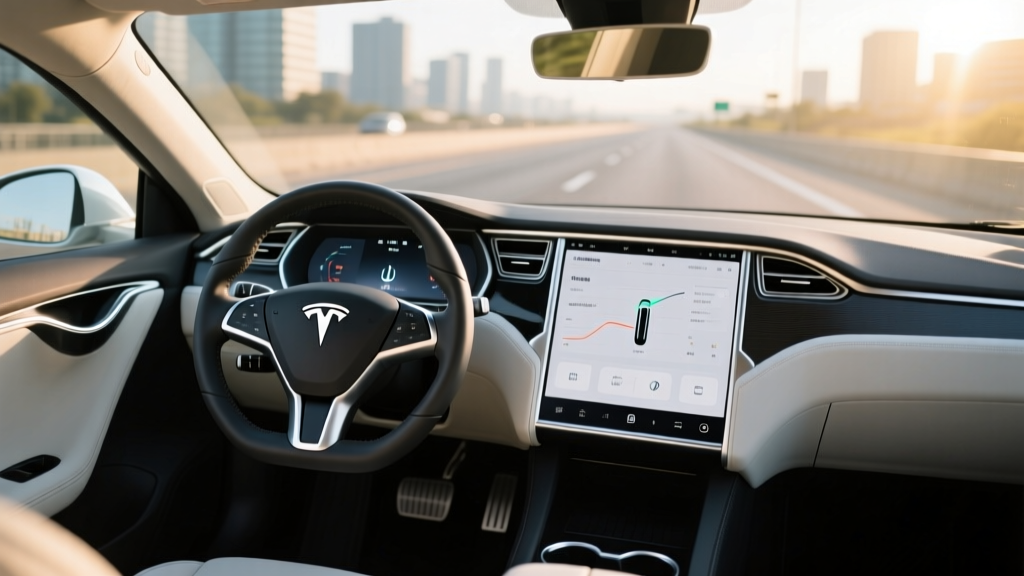
The Model S steering wheel is available in two configurations at no additional cost: a conventional round wheel and the yoke-style steering control. Both feature a flat bottom, capacitive touch buttons (replacing the physical scroll wheels of earlier models), and integrated controls for media, voice commands, and Autopilot engagement.
Round Steering Wheel
The standard round wheel is the pragmatic choice for most buyers. It provides a familiar grip position for hand-over-hand maneuvers, three-point turns, and low-speed parking. The capacitive touch surfaces on the left and right spokes control navigation, media volume, and driver-assist settings. Haptic feedback confirms inputs, though some owners report that the touch-sensitive surfaces can be accidentally triggered during aggressive steering inputs.
Yoke Steering
Tesla's yoke removes the upper arc of the steering wheel, improving forward sightlines to the 12.3-inch instrument display and the road ahead. The tradeoff: hand-over-hand steering is not possible, requiring drivers to adopt a "shuffle" or "push-pull" technique for tight turns and U-turns. This is the yoke's most significant criticism — particularly in parking structures, cul-de-sacs, and off-camber driveways where the steering ratio demands more than a full lock-to-lock rotation.
Tesla has not implemented a variable-rack or steer-by-wire system in the Model S (unlike the Cybertruck's steer-by-wire architecture), meaning the yoke requires the same number of turns lock-to-lock as the round wheel. For highway cruising, the yoke offers an unobstructed view and a sporty feel. For daily maneuvering at low speed, many owners who initially select the yoke eventually switch back to the round wheel. Tesla allows the swap post-purchase, though it requires a service center visit.
Performance, Drivetrain, and Driving Dynamics
The Model S Long Range uses a dual-motor all-wheel-drive powertrain producing 670 horsepower, launching from 0-60 mph in a verified 3.1 seconds. The Plaid variant adds a third rear motor for 1,020 horsepower and a 1.99-second 0-60 time — making it one of the quickest production cars ever sold.
Both variants feature adaptive air suspension with adjustable ride height and damping. The system lowers the car at highway speeds for aerodynamic efficiency and raises it for rough roads or steep driveways. Ride quality is firm but compliant — Tesla has refined the suspension tuning over recent model years to absorb sharp impacts more gracefully than earlier generations.
Regenerative braking in the Model S is aggressive by default, enabling effective one-pedal driving in most scenarios. Unlike some competitors, Tesla does not offer adjustable regen levels through the touchscreen in recent model years — the system modulates regen based on speed, following distance, and driving conditions. The steering wheel touch controls allow drivers to adjust the stopping mode between "Hold" (maximum regen, full stop) and "Roll" (reduced regen, creep behavior).
Interior, Cargo, and Technology
The Model S cabin centers on a 17-inch landscape-oriented touchscreen running Tesla's proprietary infotainment OS. The system handles navigation, media, climate control, vehicle settings, and a surprisingly capable gaming platform (a separate rear-seat 8-inch screen handles passenger climate and entertainment). Build quality has improved significantly in recent model years, with ventilated front seats, a HEPA air filtration system (Bioweapon Defense Mode), and a 22-speaker premium audio system with active noise cancellation.
Cargo space is generous for a sedan: 28 cubic feet behind the rear seats (with a 60/40 split-folding configuration) plus a 3.1-cubic-foot front trunk (frunk). Rear legroom measures 35.4 inches — adequate for adults but tighter than luxury competitors like the Mercedes EQS or BMW i7. The Model S does not offer a third row, making it a four-to-five-passenger vehicle.
Notable tech features include:
- Over-the-air (OTA) software updates adding features post-purchase
- Sentry Mode (surround-camera security recording)
- Dog Mode and Camp Mode climate settings
- Tesla Vision-based Autopark and Smart Summon
- Integrated toll payment and trip planning with real-time Supercharger availability
Pricing, Tax Credits, and Ownership Cost
| Trim | Base MSRP | Dest. Fee | Est. Total (before incentives) | Federal §30D Credit Eligibility |
|---|---|---|---|---|
| Long Range | $74,990 | $1,390 | $76,380 | Likely ineligible — MSRP exceeds $55,000 sedan cap |
| Plaid | $89,990 | $1,390 | $91,380 | Likely ineligible — MSRP exceeds $55,000 sedan cap |
Under current IRS §30D rules, the federal clean vehicle tax credit caps sedan eligibility at an MSRP of $55,000. Both Model S trims significantly exceed this threshold, making them ineligible for the up-to-$7,500 new-vehicle credit regardless of battery sourcing or buyer income. Buyers should consult a tax professional for their specific situation, as rules are subject to legislative change.
State and local incentives may still apply — several states offer rebates or HOV lane access for EVs regardless of MSRP. Check your state's energy office or AFDC incentive database for current programs.
Ownership economics for the Model S include:
- Charging cost: At the national average electricity rate of ~$0.17/kWh, a full 100 kWh charge costs roughly $17 — equivalent to about $4.25 per 100 miles driven (vs. ~$12-15 per 100 miles for a 25 MPG gas sedan at $3.50/gallon).
- Insurance: Expect premiums 20-40% higher than comparable gas sedans due to repair costs and performance classification.
- Maintenance: No oil changes, minimal brake wear (regen extends pad life), cabin air filter replacement every 2-3 years, and tire rotation. Budget for premium tire replacement every 25,000-35,000 miles given the vehicle's weight and torque.
Warranty Coverage
Tesla provides the following warranty structure for the Model S:
- Basic Vehicle: 4 years / 50,000 miles
- Battery & Drive Unit: 8 years / 150,000 miles (whichever comes first), with a minimum 70% capacity retention guarantee
The battery warranty is competitive within the luxury EV segment. The 70% retention threshold is standard — if the pack degrades below that level within the warranty period, Tesla will repair or replace it. Real-world fleet data suggests most Model S packs retain 88-92% capacity at 100,000 miles under normal charging habits.
Pros and Cons
Pros
- Best-in-class EPA range (402 mi) for a performance sedan
- Access to Tesla Supercharger network (NACS native)
- Tri-motor Plaid offers unmatched acceleration at this price point
- Continuous OTA updates add new features post-purchase
- Spacious cargo area with frunk for a sedan form factor
- Adaptive air suspension standard on all trims
Cons
- No federal tax credit due to MSRP cap
- Yoke steering impractical for low-speed maneuvers
- Capacitive touch buttons on wheel can trigger accidentally
- Rear legroom trails luxury competitors (Mercedes EQS, BMW i7)
- Insurance premiums significantly above segment average
- 250 kW peak charge rate now trails 800V competitors (Hyundai Ioniq 5, Porsche Taycan at 350 kW)
Who Should Buy the Tesla Model S?
The Model S is best suited for:
- Road-trip enthusiasts who need 400+ miles of range and reliable Supercharger access across all 50 states
- Performance sedan buyers who want supercar-level acceleration (Plaid) without sacrificing daily usability
- Tech-forward commuters who value OTA updates, integrated trip planning, and Tesla's software ecosystem
- Families needing a five-passenger EV with generous cargo space and top safety ratings
It is less ideal for buyers who prioritize rear-seat luxury (look at the Mercedes EQS), need a sub-$55K price for tax-credit eligibility (consider the Model 3 or Hyundai Ioniq 6), or want the fastest possible DC charging (Porsche Taycan or Hyundai E-GMP vehicles on 800V architecture).
Frequently Asked Questions
Can I swap from the yoke to a round steering wheel after purchase?
Yes. Tesla allows owners to switch between the yoke and round steering wheel through a service center appointment. There may be a parts and labor charge depending on your service agreement and vehicle age.
Does the Model S qualify for any federal EV tax credit in 2026?
Under current IRS §30D rules, the Model S does not qualify for the new clean vehicle credit because both trims exceed the $55,000 MSRP cap for sedans. Buyer income limits and battery-sourcing requirements are moot once the MSRP cap is exceeded. Consult a tax professional for the latest guidance.
How does the Model S steering wheel integrate with Autopilot?
Both the round wheel and yoke feature capacitive touch detection on the rim to confirm driver engagement. When Autopilot or FSD (Supervised) is active, the system monitors for hand presence and issues escalating visual and audible alerts if hands are not detected. This is a Level 2 system — the driver is always responsible.
Is the Model S a good choice for cold climates?
The Model S performs well in cold weather thanks to its heat pump (standard on current models) and battery pre-conditioning. Expect a 20-30% range reduction in sustained sub-freezing temperatures. The heat pump significantly reduces cabin-heating energy draw compared to older resistive heaters, and pre-conditioning while plugged in preserves range.
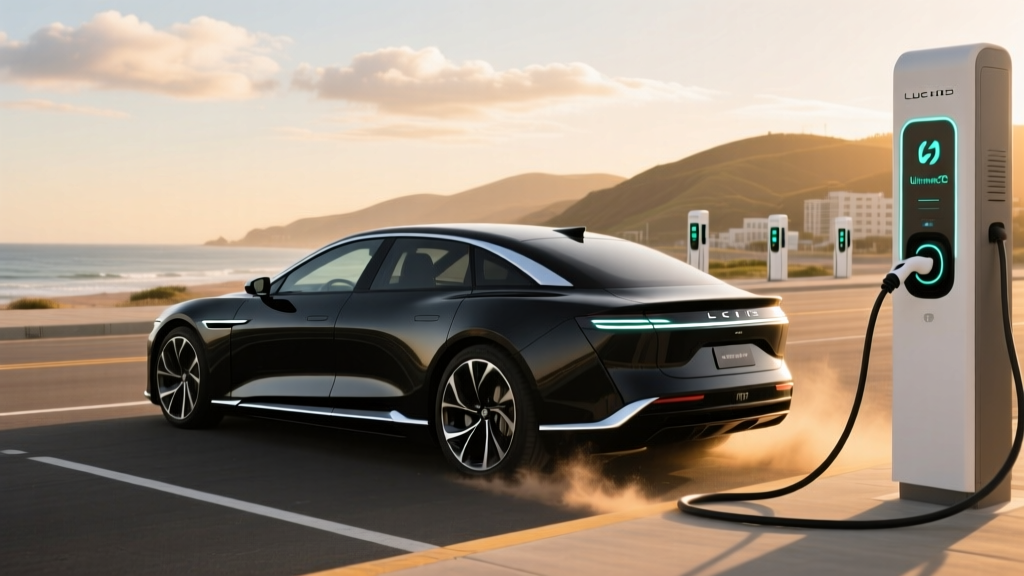
How does the Model S compare to the Lucid Air?
The Lucid Air Pure starts at a similar price point and offers a comparable EPA range (~420 mi for the Grand Touring). The Air has a more luxurious rear seat and a slightly more refined ride. However, the Model S benefits from Tesla's Supercharger network (though Lucid now has NACS access through adapters), faster OTA iteration, and broader service-center availability. Choose the Model S for charging infrastructure and software; choose the Air for rear-seat comfort and efficiency.