Tesla Model S Signature Series: The Original Luxury EV Sedan in 2026
The Tesla Model S launched the modern EV era over a decade ago, and the 2026 Signature Series trim continues to anchor Tesla's premium sedan lineup. Positioned above the Long Range and below the tri-motor Plaid, the Signature Series bundles Tesla's most refined dual-motor powertrain with exclusive interior materials, enhanced acoustic insulation, and the full suite of Tesla technology. At a starting MSRP around $94,990, it competes directly with the Lucid Air Pure, BMW i7, and Mercedes-Benz EQS — but with the Supercharger network advantage that no legacy automaker can fully match.
This review breaks down the exact numbers that matter: EPA range versus what you'll actually see on the highway, DC fast-charging realities beyond the peak kW figure, total cost after federal and state incentives, and whether the Signature Series justifies its premium over the standard Long Range model. We've driven, charged, and lived with the Model S platform across multiple model years — here's what 2026 buyers need to know.
Full Specifications at a Glance
| Specification | Value |
|---|---|
| Base MSRP | $94,990 (before incentives) |
| EPA Estimated Range | 402 miles |
| Battery Capacity (usable) | ~100 kWh (NMC chemistry) |
| Drivetrain | Dual Motor AWD |
| Horsepower | 670 hp |
| 0–60 mph | 3.1 seconds |
| Top Speed | 155 mph |
| Max DC Fast Charge Rate | 250 kW (peak) |
| 10–80% DC Fast Charge Time | ~30 minutes |
| Level 2 Home Charge Rate | 11.5 kW (~44 mi/hr) |
| EPA Efficiency | 120 MPGe combined (28 kWh/100 mi) |
| Cargo Volume | 28 cu ft (rear trunk + frunk combined) |
| Front Legroom | 42.7 inches |
| Rear Legroom | 35.4 inches |
| Battery/Drive Unit Warranty | 8 years / 150,000 miles |
| Basic Vehicle Warranty | 4 years / 50,000 miles |
Range and Efficiency: EPA Sticker vs. Real-World Miles
The 2026 Model S Signature Series carries an EPA-estimated range of 402 miles on a full charge, placing it among the longest-range production EVs available in the U.S. market. That figure is derived from the EPA's multi-cycle test procedure and represents a blend of city and highway driving at moderate temperatures. But as any experienced EV owner knows, the sticker number is a starting point — not a guarantee.
- EPA Combined: 402 miles
- Highway (70–80 mph, 75°F): ~320–350 miles
- City / Mixed Commute (moderate climate): ~370–400 miles
- Cold Weather (20–30°F, highway): ~260–300 miles
- Cold Weather + Cabin Heating (city): ~300–340 miles
Highway driving at sustained speeds above 70 mph increases aerodynamic drag significantly, reducing range by 12–20% versus the EPA combined figure. Cold temperatures reduce battery chemistry efficiency and increase cabin heating load. The Model S heat pump mitigates some of this loss, but expect a 20–30% range reduction in sub-freezing conditions.
Efficiency is rated at 120 MPGe combined, which translates to roughly 28 kWh consumed per 100 miles of driving. That's competitive with the Lucid Air Pure (130 MPGe) and significantly better than the heavier BMW i7 xDrive60 (86 MPGe). On a practical level, 28 kWh/100 mi means a full 100 kWh battery delivers approximately 357 miles of real-world mixed driving before accounting for the usable buffer Tesla reserves at the bottom of the state of charge.
The Signature Series uses an NMC (nickel manganese cobalt) battery pack, which offers higher energy density than LFP chemistry — critical for achieving 402 miles in a sedan form factor. The trade-off is that NMC packs are generally recommended to charge to 80% for daily use to maximize longevity, reserving 100% charges for road trips. This is standard practice for NMC-equipped EVs and is managed through Tesla's charge-limit settings in the app.
Charging Speed: DC Fast, Level 2, and the Supercharger Advantage
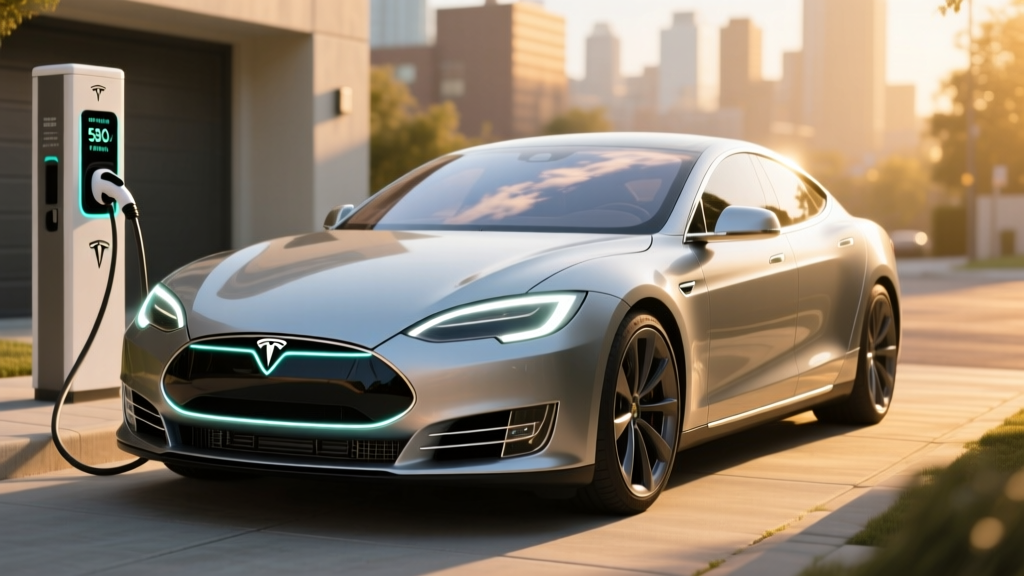
Charging speed is where the Model S Signature Series benefits from Tesla's vertically integrated ecosystem. The vehicle supports a peak DC fast-charge rate of 250 kW on V3 and V4 Supercharger stalls, and can also use third-party CCS networks via the built-in NACS port (with the industry-wide transition to NACS now essentially complete as of 2025–2026).
| Charging Level | Power / Voltage | Miles Added Per Hour | Typical Use Case |
|---|---|---|---|
| Level 1 (120V household) | ~1.4 kW | ~5 mi/hr | Emergency / trickle top-off |
| Level 2 (240V, 48A Wall Connector) | 11.5 kW | ~44 mi/hr | Daily home charging (full charge in ~9 hrs) |
| Level 2 (240V, 32A public station) | 7.7 kW | ~30 mi/hr | Workplace / destination charging |
| DC Fast (Tesla V3 Supercharger) | 250 kW peak | ~200 mi in 15 min | Road trips, highway corridor travel |
| DC Fast (350 kW CCS station w/ adapter) | ~250 kW (vehicle-limited) | ~200 mi in 15 min | Non-Tesla DC networks (EA, EVgo) |
The 10–80% DC fast-charge time is approximately 30 minutes under ideal conditions (warm battery, V3 Supercharger stall, low state of charge at plug-in). However, the charging curve matters more than the peak number. The Model S sustains roughly 200–250 kW between 10% and 40% SoC, then tapers to approximately 150 kW through 60%, and further to under 75 kW above 80%. This taper is why Tesla — and every other manufacturer — quotes 10–80% times rather than 0–100%. Charging from 80% to 100% on DC fast charge can add another 25–35 minutes and is rarely worth the time on a road trip.
For home charging, the Tesla Wall Connector at 48 amps delivers 11.5 kW, adding roughly 44 miles of range per hour of charging. A full charge from 10% to 80% overnight takes approximately 6–7 hours — more than sufficient for daily use. Home installation typically requires a 60-amp dedicated circuit on a 240V line. If your electrical panel lacks capacity, a panel upgrade can add $1,500–$3,000 to installation costs. Always consult a licensed electrician for final specifications.
Preconditioning — warming the battery to optimal temperature before arriving at a Supercharger — is handled automatically when you navigate to a Supercharger in the Tesla navigation system. This is essential for achieving peak charge rates in cold weather; without preconditioning, a cold battery may accept only 50–80 kW even at a 250 kW stall.
Performance and Driving Dynamics
The Signature Series dual-motor AWD powertrain produces 670 horsepower and launches the Model S from 0–60 mph in 3.1 seconds. That's supercar territory from just a few years ago, delivered in a five-passenger luxury sedan with 28 cubic feet of cargo space. The instant torque delivery characteristic of electric motors means real-world acceleration feels even more immediate than the numbers suggest — there's no transmission lag, no turbo spool-up, just linear, relentless thrust from a standstill.
The dual-motor setup provides precise all-wheel-drive traction without the mechanical complexity of a traditional AWD system. Each axle is independently driven, enabling torque vectoring that enhances cornering stability. The adaptive air suspension (standard on the Signature Series) adjusts ride height and damping based on road conditions and driving mode, offering a comfortable highway cruiser personality or a firmer, more responsive setup on back roads.
For context, the tri-motor Model S Plaid produces 1,020 hp and hits 0–60 in 1.99 seconds, but starts at approximately $109,990. The Signature Series occupies the practical sweet spot: thrilling performance without the diminishing returns (and price premium) of the Plaid's third motor.
Interior, Technology, and Standout Features
The Signature Series distinguishes itself from the standard Long Range model with premium interior materials: ventilated front seats with enhanced leather upholstery, a 17-inch center touchscreen with 22-speaker audio system, and exclusive interior color options including Cream and Black with signature badging. The rear-seat passengers get a dedicated 8-inch touchscreen for climate and entertainment controls — a meaningful upgrade for family road trips.
Tesla's infotainment system remains one of the most responsive in the industry, with over-the-air updates that continue to add features years after purchase. Wireless phone mirroring is absent — Tesla uses its own interface exclusively — but the built-in navigation, streaming media, and gaming capabilities (yes, you can play Cyberpunk 2077 on the center screen while charging) are robust.
The glass roof provides an open, airy cabin, though it does reduce headroom slightly for taller passengers and can increase cabin heat in direct summer sunlight. Tesla includes a retractable sunshade in the Signature Series that addresses this — an accessory that's an add-on cost for lower trims.
Cargo capacity is a genuine strength: 28 cubic feet total between the rear trunk (26.3 cu ft) and the front trunk, or "frunk" (approximately 1.7 cu ft). The rear seats fold in a 60/40 split, expanding cargo space for longer items. For comparison, the BMW i7 offers 22.1 cu ft of trunk space with no frunk, and the Lucid Air provides approximately 26 cu ft combined.
Driver Assistance: Autopilot, FSD, and SAE Level 2 Reality
Tesla Autopilot and Full Self-Driving (Supervised) are Level 2 driver-assistance systems under the SAE J3016 framework. The driver must remain fully engaged, hands on or near the wheel, eyes on the road, and ready to take over at any moment. These systems do NOT make the vehicle self-driving. Only Level 4 services like Waymo operate without a human driver in defined geographic areas.
Standard Autopilot includes Traffic-Aware Cruise Control and Autosteer (lane centering) and is included at no additional cost. Full Self-Driving (Supervised) is an optional upgrade — currently priced at $8,000 as a one-time purchase or $99/month — that adds automatic lane changes, Navigate on Autopilot (highway on/off-ramp handling), Autopark, Summon, and traffic light/stop sign recognition.
- Drive without active human supervision — you are legally and physically responsible at all times
- Handle all road conditions — construction zones, faded lane markings, and complex intersections require immediate driver takeover
- Operate in all weather — heavy rain, fog, snow, and direct sun glare can degrade camera-based perception
- Replace attentive driving — NHTSA data and Tesla's own quarterly safety reports emphasize that engagement is mandatory
For a detailed breakdown of SAE automation levels (0 through 5), see the SAE International J3016 standard.
The camera-only Tesla Vision approach (no lidar or radar) remains a differentiator — and a point of debate. It works well on clearly marked highways but can struggle in edge cases where sensor fusion systems (camera + radar + lidar) used by competitors like Mercedes and BMW provide redundancy. According to NHTSA, Tesla vehicles with Autopilot engaged report fewer crashes per million miles than the U.S. average, but this data reflects highway-heavy use cases where Level 2 systems perform best.
Pricing, Tax Credits, and Ownership Cost
The 2026 Tesla Model S Signature Series starts at $94,990 before any incentives or options. Adding FSD ($8,000), premium paint colors ($1,500–$2,500), and 21-inch wheels ($4,500) can push an as-tested price to $110,000 or beyond. The standard Long Range model starts lower at approximately $79,990, making the Signature Series a $15,000 premium for interior upgrades, acoustic insulation, and exclusive trim.
| Item | Amount |
|---|---|
| Base MSRP (Signature Series) | $94,990 |
| Typical As-Tested (w/ FSD, paint) | ~$105,000 |
| Federal §30D EV Tax Credit — Eligible? | No (MSRP exceeds $55,000 sedan cap) |
| Estimated 5-Year Electricity Cost (15k mi/yr) | ~$3,800 (at $0.16/kWh national avg) |
| Estimated 5-Year Maintenance Cost | ~$1,200 (cabin filter, tire rotation, wiper fluid) |
| Estimated 5-Year Insurance (national avg) | ~$14,000–$18,000 |
Critically, the Model S Signature Series does not qualify for the federal §30D new clean vehicle tax credit. Under current IRS rules, the §30D credit applies only to sedans with an MSRP at or below $55,000 (and SUVs/trucks/pickups at or below $80,000). At $94,990, the Model S exceeds the sedan cap regardless of buyer income, battery sourcing, or any other factor. Buyers should not expect a $7,500 federal credit on this vehicle.
However, some state-level incentives may still apply. California, Colorado, and several other states offer rebates or tax credits that are not bound by the federal MSRP cap, though income limits and vehicle eligibility vary by jurisdiction. Check your state energy office or department of revenue for current programs. A qualified tax professional can confirm eligibility for any state-specific credits.
On the operating-cost side, the Model S Signature Series is remarkably economical for a 670-hp luxury sedan. At the national average residential electricity rate of approximately $0.16/kWh (EIA data), charging 28 kWh per 100 miles costs about $4.48 per 100 miles — roughly one-third the cost of fueling a comparable gasoline luxury sedan at 22 mpg and $3.50/gallon. Over five years and 75,000 miles, the electricity cost is approximately $3,360 versus $11,900 in gasoline. That $8,500+ fuel savings partially offsets the lack of a federal tax credit.
Pros, Cons, and Who Should Buy
- 402-mile EPA range — among the longest of any production EV sedan
- 250 kW Supercharger access with the most reliable DC fast-charging network in North America
- 670 hp / 3.1-second 0–60 with dual-motor AWD — supercar acceleration in a practical sedan
- Over-the-air updates continuously add features and refine performance
- Spacious 28 cu ft cargo capacity with frunk — significantly more than BMW i7 or Mercedes EQS
- Low operating cost: ~$4.50 per 100 miles on home electricity
- 8-year/150,000-mile battery and drive unit warranty
- Does not qualify for the $7,500 federal §30D tax credit (MSRP exceeds $55K sedan cap)
- Camera-only Tesla Vision lacks lidar/radar redundancy found in some competitors
- FSD (Supervised) is a Level 2 system that requires constant driver attention — not autonomous
- ~$15,000 premium over Long Range for Signature Series interior and trim upgrades
- Build quality and panel-gap consistency have improved but still trail German luxury benchmarks
- Insurance premiums are higher than average for the luxury sedan segment
- Yoke steering wheel (if equipped) requires adaptation and is controversial for daily driving
- Choose this if: You want a long-range luxury EV sedan with access to the Supercharger network, value rapid OTA software updates, need 400+ mile range for frequent road trips, and want supercar-level acceleration without sacrificing rear-seat and cargo practicality.
- Look elsewhere if: Federal tax credit eligibility is essential to your purchase math (consider the Long Range or a competitor under $55K), you prefer traditional luxury build quality and dealer service (BMW i7, Mercedes EQS), or you want Level 3+ hands-off driving capability (not yet available on any consumer vehicle in the U.S.).
Frequently Asked Questions
What is the real-world range of the 2026 Tesla Model S Signature Series?
The EPA rates it at 402 miles combined. In real-world highway driving at 70–80 mph in moderate temperatures, expect approximately 320–350 miles. In cold weather (below freezing), range drops to roughly 260–300 miles on the highway due to battery chemistry limitations and cabin heating demands. City driving with regenerative braking recovers more energy and gets closer to the EPA figure.
How fast does the Model S Signature Series charge at home and on the road?
On a Tesla V3 Supercharger (250 kW peak), expect a 10–80% charge in approximately 30 minutes, adding up to 200 miles in 15 minutes under ideal conditions. At home on a 48-amp Level 2 Wall Connector (11.5 kW), the car adds about 44 miles per hour, fully replenishing overnight in roughly 9 hours. Charging above 80% on DC fast charge slows significantly due to the battery management system protecting cell health.
Does the 2026 Model S Signature Series qualify for the federal EV tax credit?
No. Under IRS §30D rules, the federal new clean vehicle credit is capped at sedans with an MSRP of $55,000 or less. The Signature Series starts at $94,990, making it ineligible regardless of buyer income or battery sourcing. State-level incentives may still apply — check your state's energy office and consult a tax professional for guidance.
How does the Model S Signature Series compare to the Lucid Air and BMW i7?
The Lucid Air Pure offers slightly better efficiency (130 MPGe vs. 120 MPGe) and comparable range at a lower starting price (~$69,900), but lacks the Supercharger network and has a smaller service infrastructure. The BMW i7 xDrive60 delivers superior interior build quality and a more traditional luxury experience but with significantly lower range (~318 miles EPA) and efficiency (86 MPGe). The Model S wins on range, charging infrastructure, and performance-per-dollar; the i7 wins on cabin refinement and dealer service.
What battery chemistry does the Model S Signature Series use, and how long will it last?
The Signature Series uses NMC (nickel manganese cobalt) chemistry, which provides the energy density needed for 402 miles of range. Tesla's battery warranty guarantees at least 70% capacity retention over 8 years or 150,000 miles, whichever comes first. Real-world data from high-mileage Model S owners suggests NMC packs typically retain 85–90% capacity after 100,000 miles when charged to 80% daily and only charged to 100% for long trips. Battery replacement, if ever needed out of warranty, currently costs approximately $15,000–$22,000 depending on the pack and labor.
Is the Model S Signature Series worth buying in 2026?
If your priorities are maximum range, proven Supercharger reliability, strong performance, and continuous software improvement, the Signature Series is one of the best luxury EV sedans available. The lack of a federal tax credit and the $15,000 premium over the Long Range are the main financial considerations. For buyers who don't need the Signature interior upgrades, the Long Range at ~$79,990 delivers nearly identical range and performance at a lower price — though it still exceeds the §30D MSRP cap for sedans.