The Tesla Model S P100D in 2026: A Used-EV Icon Worth Considering?
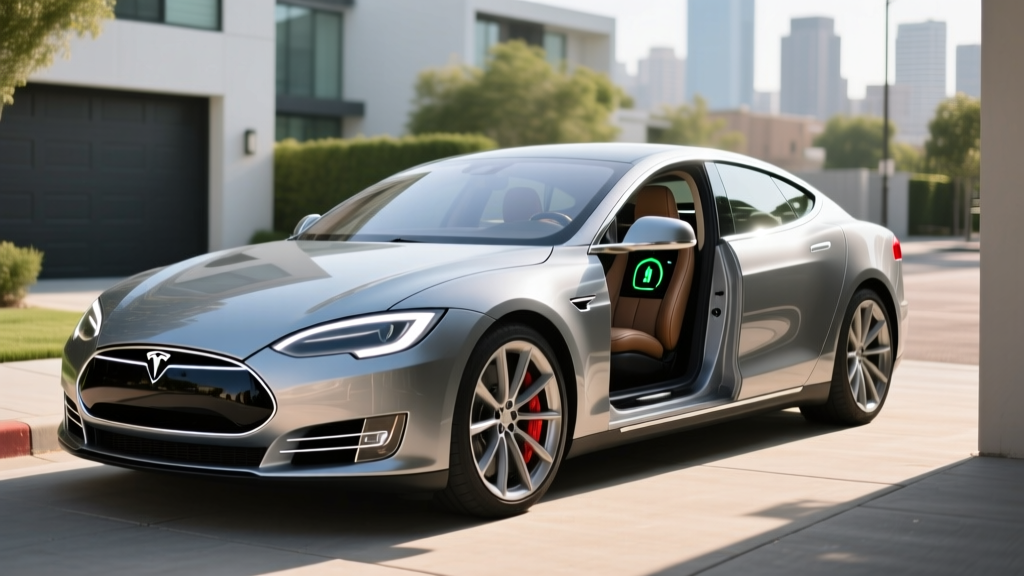
The Tesla Model S P100D occupies a unique space in the electric vehicle landscape. Originally launched for the 2017 model year and produced through mid-2019, it was the flagship performance sedan that redefined what an EV could deliver — a 2.5-second 0-60 mph time paired with over 300 miles of EPA-rated range. Tesla discontinued the P100D badge when it refreshed the Model S lineup with the Plaid and Long Range trims for 2021, but thousands of P100D examples remain on the road and in the used-EV market.
If you're researching a Model S Tesla P100D as a potential purchase in 2026, you're likely weighing its still-impressive specs against a newer generation of EVs. This review covers every number that matters — EPA range versus real-world expectations, charging speeds across all levels, battery health considerations for a pack that's now 7-9 years old, and whether the used-EV federal tax credit applies. We'll also stack it against current rivals so you can decide if a P100D is a smart buy or a depreciating risk.
Range and Efficiency: EPA Sticker vs. Reality
The P100D carries an EPA-estimated range of 315 miles on a full charge, based on the 100 kWh battery pack (approximately 98 kWh usable). That figure was class-leading when the car debuted and still holds up against many 2026 EVs. Efficiency is rated at 104 MPGe combined, translating to roughly 32 kWh per 100 miles — not the most efficient sedan by today's standards, but reasonable given the dual-motor AWD system and the performance-oriented powertrain calibration.
- EPA sticker: 315 miles
- Highway driving (70-75 mph, mild weather): ~260-280 miles
- Mixed city/highway (65-70°F): ~280-300 miles
- Cold weather (20-30°F, cabin heat): ~210-240 miles (30-35% reduction)
- With battery degradation (8-yr-old pack, ~88-92% SoH): subtract 8-12% from all figures above
On a 300-mile road trip at highway speeds in summer, expect to arrive with roughly 30-50 miles of buffer. In winter, plan a Supercharger stop at the 180-200 mile mark to stay comfortable.
The 100 kWh pack uses NMC (nickel manganese cobalt) chemistry, which offers high energy density but is more sensitive to sustained high-state-of-charge storage than LFP packs. For a used P100D, battery State of Health (SoH) is the single most important pre-purchase metric. Tesla's onboard battery management system (BMS) is among the best in the industry, but NMC packs naturally lose 1-2% capacity per year under normal use. A 2017-2018 P100D in 2026 will typically show 88-93% SoH depending on charging habits, climate, and mileage.
Charging Speeds: DC Fast, Level 2, and Level 1
The P100D uses Tesla's proprietary connector (the pre-2025 North American design, now standardized as NACS). It supports DC fast charging at up to ~145 kW peak on V2 Superchargers and can accept higher rates on V3/V4 Superchargers, though the pack's charge curve limits sustained throughput. Unlike the refreshed 2021+ Model S, the P100D does not support the full 250 kW that V3 Superchargers can deliver — its charge curve tapers significantly above 50% SoC.
| Charging Level | Power / Voltage | Speed | Notes |
|---|---|---|---|
| Level 1 (120V outlet) | ~1.4 kW | ~3-4 miles/hour | Emergency only; 30+ hours for full charge |
| Level 2 (240V, 48A) | 11.5 kW | ~34 miles/hour | Full charge in ~9 hours; standard home setup |
| Level 2 (240V, 32A Mobile Connector) | 7.7 kW | ~23 miles/hour | Tesla Mobile Connector on NEMA 14-50 |
| DC Fast (V2 Supercharger) | ~145 kW peak | 10-80% in ~35-40 min | Peak rate drops after 50% SoC |
| DC Fast (V3 Supercharger) | ~150-160 kW peak | 10-80% in ~32-38 min | Slightly faster ramp; still curve-limited |
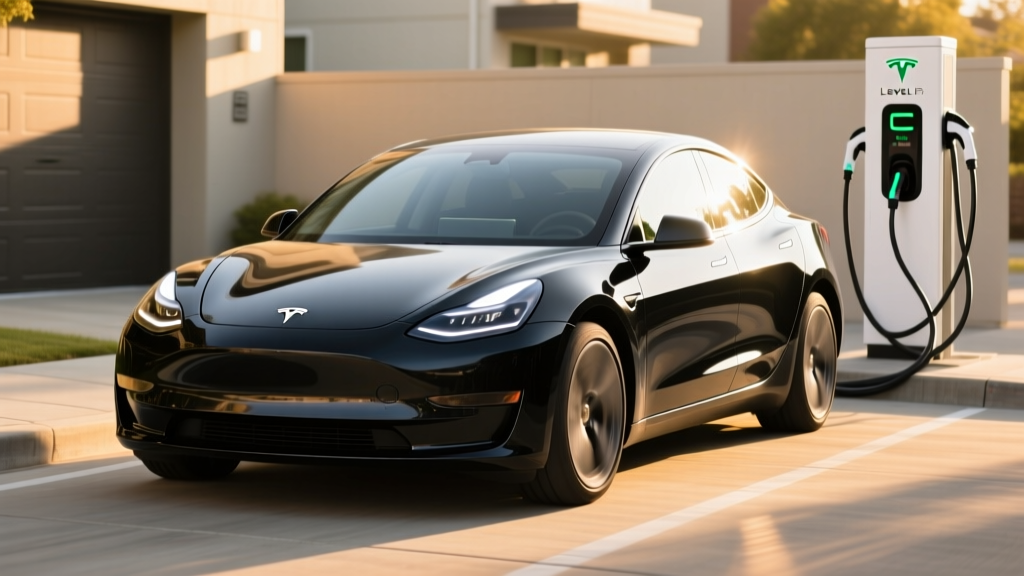
At home on a Level 2 wall connector, the P100D's onboard charger accepts up to 11.5 kW (48 amps), which is generous and will replenish the 100 kWh pack overnight. For DC fast charging, the critical number is the 10-80% time: plan on roughly 35-40 minutes at a V2 Supercharger and slightly less at a V3 station. The charge curve is the limiting factor — the P100D pulls strong current up to about 40-50% SoC, then progressively tapers. This is normal for large NMC packs but noticeably slower than a 2026 Model S Long Range (which hits 10-80% in about 25 minutes at 250 kW peak).
Performance and Drivetrain Specs
The P100D's performance numbers remain extraordinary even by 2026 standards. Tesla's dual-motor all-wheel-drive system pairs a rear induction motor with a front permanent-magnet motor, producing a combined output estimated at ~762 horsepower (Tesla does not publish official combined HP figures for this generation). The signature Ludicrous Mode delivers a 0-60 mph time of 2.5 seconds, with the rolling-acceleration 0-60 sometimes clocking at 2.4 seconds under optimal conditions.
| Battery Capacity | 100 kWh total (~98 kWh usable), NMC chemistry |
| EPA Range | 315 miles |
| Efficiency | 104 MPGe combined / ~32 kWh/100 mi |
| Drivetrain | Dual-motor AWD (rear induction + front PM) |
| Horsepower | ~762 hp (combined, estimated) |
| 0-60 mph | 2.5 seconds (Ludicrous Mode) |
| Top Speed | 155 mph (electronically limited) |
| DC Fast Charge Peak | ~145-160 kW |
| 10-80% DC Fast Time | ~35-40 minutes |
| Level 2 Onboard Charger | 11.5 kW (48A) |
| Cargo Volume | 26.3 cu ft (rear) + 5.3 cu ft (frunk) = 31.6 cu ft total |
| Rear Legroom | 35.4 inches |
| Curb Weight | ~4,941 lbs |
| Battery Warranty (Original) | 8 years / 150,000 miles (70% capacity retention) |
The P100D rides on Tesla's adaptive air suspension, which provides adjustable ride height and a surprisingly compliant ride in Comfort mode. The low center of gravity from the floor-mounted battery pack gives the sedan sports-car-level body control despite its nearly 5,000-pound curb weight. Steering is quick and precise, though feedback is characteristically light — a hallmark of the pre-refresh Model S.
Interior, Tech, and Driver Assistance
The pre-2021 Model S interior is where the P100D shows its age most visibly. The 17-inch vertically oriented touchscreen runs Tesla's infotainment software, which remains fast and feature-rich, including navigation with Supercharger routing, streaming media, and over-the-air updates. However, the dashboard materials, switchgear, and panel gaps of 2017-2019 examples don't match the build quality of the 2021+ refresh or competitors like the Lucid Air or Mercedes EQS.
Notable tech features include:
- Autopilot (Basic): Traffic-aware cruise control and lane-centering — standard on most P100D examples. This is a SAE Level 2 driver-assist system; the driver must remain fully engaged at all times.
- Enhanced Autopilot / FSD Hardware: Many P100Ds were built with Hardware 2.5 or early Hardware 3.0 computers. Tesla has offered FSD (Supervised) upgrades to HW3.0-equipped cars, but HW2.5 vehicles cannot run the latest FSD stack without a computer retrofit (which Tesla has provided in some cases).
- Bioweapon Defense Mode: A HEPA air filtration system that pressurizes the cabin — genuinely effective and a standout feature.
- Frunk (front trunk): 5.3 cubic feet of additional storage, useful for charging cables and small bags.
On the downside, the P100D-era Model S received an NHTSA 5-star overall safety rating, which is excellent, but the IIHS did not fully evaluate this generation with its updated test protocols. The large touchscreen controls nearly all vehicle functions, which some drivers find distracting — there are minimal physical buttons for climate or media.
Pricing, Tax Credits, and Ownership Costs
Tesla no longer sells the Model S P100D new. The last model year was 2019 (with some late-title 2020 examples). Original MSRP ranged from approximately $135,000 to $155,000 depending on options (Enhanced Autopilot, FSD, premium interior, Ludicrous Mode was standard on P100D).
In the 2026 used-EV market, pricing varies significantly by mileage, condition, battery health, and FSD transfer status:
| Original MSRP (2017-2019) | $135,000 - $155,000 |
| Used price range (2026 market) | $38,000 - $62,000 depending on miles, SoH, FSD |
| Federal Used EV Tax Credit (§25E) | Up to $4,000 (30% of sale price, max $4,000) |
| Eligible sale price for max credit | Vehicle must sell for $25,000+ from a licensed dealer |
| Buyer income cap (§25E) | $75,000 single / $112,500 HOH / $150,000 MFJ |
| Vehicle age requirement | At least 2 model years old (P100D qualifies) |
| Dealer sale requirement | Must purchase from a licensed dealer, not private party |
The federal new-EV tax credit (§30D) does not apply to the P100D since it is no longer sold new. However, the IRS §25E used clean vehicle credit can provide up to $4,000 (30% of the sale price, capped at $4,000) if you buy from a licensed dealer, meet income thresholds, and the vehicle is at least two model years old. A P100D purchased for $45,000 from a dealer would yield the full $4,000 credit. Private-party purchases do not qualify. Consult a tax professional to confirm your eligibility, as IRS rules are subject to change.
Annual ownership costs deserve careful consideration. Insurance for a P100D runs higher than average — expect $2,500-$4,000 per year depending on your state, driving record, and coverage level. Tesla's own insurance program is available in many states and can sometimes offer competitive rates based on real-time driving data. Maintenance is minimal compared to ICE vehicles (no oil changes, fewer brake replacements due to regenerative braking), but out-of-warranty repairs on a P100D can be expensive. Air suspension struts, drive unit replacements, and touchscreen failures are known cost items that can each run $2,000-$5,000+.
Battery Warranty and Long-Term Health
Tesla's original battery and drive unit warranty for the P100D covers 8 years or 150,000 miles (whichever comes first), with a guaranteed minimum capacity retention of 70%. For a 2017 model, that 8-year window has closed. A 2018 P100D's warranty expires in 2026, and a 2019 example's warranty runs through 2027 — so some P100Ds are right at the warranty cliff.
This makes a pre-purchase battery health check essential. Tesla's service menu displays a battery health estimate, and third-party tools like Tessie or TeslaFi can pull more detailed SoH data from the vehicle's API. Most P100D packs at 60,000-100,000 miles show 88-93% SoH, which translates to a real-world range of roughly 250-290 miles (adjusted from the 315-mile EPA figure). Packs that have been frequently DC fast-charged or regularly stored at 100% SoC may show higher degradation.
If the battery does need replacement out of warranty, expect a cost of $15,000-$22,000 for a refurbished or remanufactured 100 kWh pack through Tesla Service or a qualified third-party EV shop. This is a significant financial risk that buyers should factor into their purchase decision.
Competitor Comparison: P100D vs. Modern Alternatives
The P100D competes in the used market against newer EVs that may offer comparable or better range with modern platforms. Here's how it stacks up against key alternatives a buyer might cross-shop in the $40,000-$65,000 range:
- Used Tesla Model S Long Range (2021-2022): 405-mile EPA range, 250 kW DC charging, refreshed interior, starts around $55,000-$68,000 used. Faster charging, more range, better build quality — but $15,000-$25,000 more expensive.
- Used Lucid Air Pure/Touring (2023): 410+ mile EPA range, superior interior quality, ~$55,000-$70,000 used. Newer platform but limited service network compared to Tesla.
- New Hyundai Ioniq 6 SE (2026): 361-mile EPA range, 800V architecture (10-80% in ~18 min at 350 kW), ~$42,000 new before credits. Far faster charging, full new-car warranty, but less power and less cargo space.
- Used Porsche Taycan 4S (2021-2022): 227-mile EPA range (real-world better), 270 kW DC charging, ~$55,000-$70,000 used. Superior driving dynamics and build quality but significantly less range.
Choose the Tesla Model S P100D if: You want maximum performance per dollar in a used EV, value the Supercharger network, need 300+ miles of range for road trips, and accept the risk of out-of-warranty repairs on an aging platform.
Choose a newer alternative if: You prioritize the latest charging speeds (800V/250+ kW), want a full manufacturer warranty, prefer a modern interior, or need guaranteed battery health without pre-purchase detective work.
Pros, Cons, and Final Verdict
- Still one of the quickest production sedans ever made (2.5s 0-60)
- 315-mile EPA range remains competitive in 2026
- Access to Tesla's Supercharger network (most reliable in the US)
- Spacious interior with 31.6 cu ft total cargo (frunk + trunk)
- Over-the-air updates still add features to older hardware
- Used-EV tax credit (§25E) up to $4,000 available
- Air suspension and adaptive damping for ride comfort
- Pre-refresh interior quality and panel gaps lag modern competitors
- DC fast charging peaks at ~145-160 kW — slow vs. 800V rivals
- Battery warranty expiring or expired on most examples
- $15,000-$22,000 out-of-pocket battery replacement risk
- Insurance premiums significantly above average
- Autopilot hardware may be outdated (HW2.5 on early builds)
- No longer eligible for the $7,500 new-EV federal tax credit
- High curb weight (4,941 lbs) affects tire wear and handling limits
The Tesla Model S P100D is a compelling used-EV proposition for buyers who understand the risks. Its performance and range remain exceptional for the price, and the Supercharger network is a genuine advantage for road-trip-heavy owners. But the expiring battery warranty, aging interior, and slower charging speeds compared to 2026 platforms are real trade-offs. If you can find a low-mileage 2019 example with documented battery health above 90% and Hardware 3.0, it's one of the best performance-per-dollar EVs on the used market. If battery longevity and modern charging speeds are your priority, look at a newer Model S Long Range or a new Ioniq 6 instead.
Frequently Asked Questions
What is the real-world range of the Tesla Model S P100D?
The EPA rates the P100D at 315 miles, but real-world highway driving in mild weather yields approximately 260-280 miles. In cold weather (below freezing), expect 210-240 miles. Factor in battery degradation for used examples — a pack at 90% State of Health will reduce all of these figures by about 10%.
How fast does the Model S P100D charge?
On a DC fast charger (Tesla Supercharger V2/V3), the P100D peaks at roughly 145-160 kW and charges from 10-80% in approximately 35-40 minutes. At home on a Level 2 wall connector (11.5 kW / 48 amps), a full charge takes about 9 hours, adding roughly 34 miles of range per hour of charging.
Does the Tesla Model S P100D qualify for the federal EV tax credit?
The P100D does not qualify for the new-vehicle §30D credit ($7,500) because it is no longer sold new. However, it may qualify for the IRS §25E used clean vehicle credit — up to $4,000 (30% of sale price) — if purchased from a licensed dealer, the buyer meets income caps ($75K single / $150K joint), and the sale price is $25,000 or more. Always verify current rules with a tax professional.
Is the P100D worth buying versus a newer Model S or competitor?
For performance-per-dollar, yes — a $45,000-$55,000 P100D delivers supercar acceleration and 300+ mile range that no new EV matches at that price. But a 2021+ Model S Long Range offers 405 miles of range, 250 kW charging, and a modern interior for $55,000-$68,000 used. If charging speed and warranty coverage matter more to you, the newer car is the safer bet.
What are the biggest maintenance risks on a used P100D?
The primary risks are battery degradation (replacement: $15,000-$22,000), air suspension strut failure ($1,500-$3,000 per corner), drive unit issues ($3,000-$5,000), and MCU (touchscreen) failures on older Hardware 2.5 units. A pre-purchase inspection through Tesla Service or a qualified EV specialist is strongly recommended.
Can the P100D use non-Tesla chargers?
The P100D has a native Tesla (NACS) connector. It can use CCS or CHAdeMO stations with an adapter. Tesla sells a CCS adapter, and third-party CHAdeMO adapters (such as those from Setec) are available, though CHAdeMO charging speeds are limited. As of 2026, most major charging networks have added NACS cables, improving compatibility.